
The Evolution of CNC Vol. 1:CNC turning
A sneak peek at this issue:
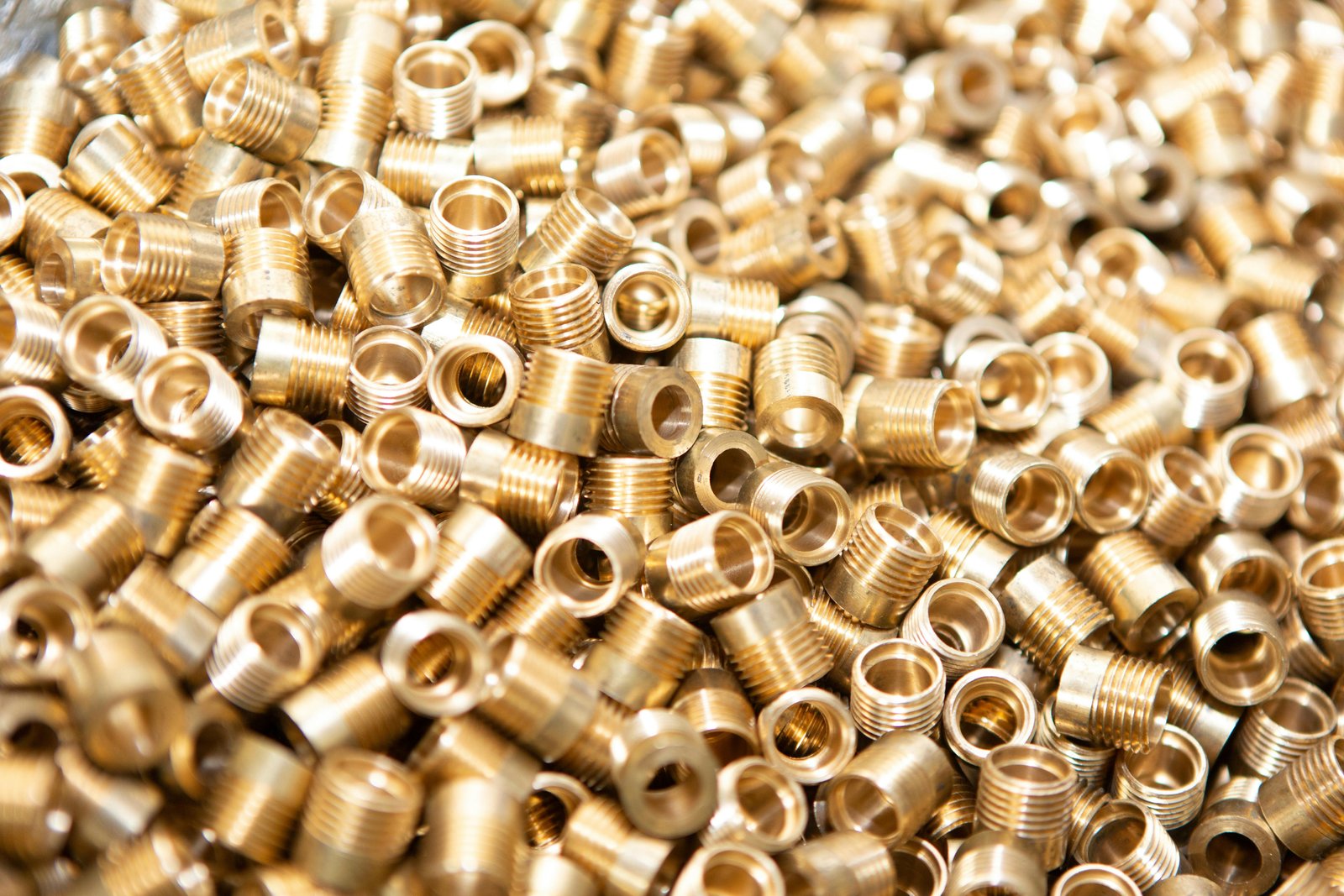
The ballpoint pen in your hand, the drive shaft in a car, the precision nuts found everywhere—if you look closely, you’ll see that all these parts exhibit a highly standardised rotational structure. How is it that these parts can be made so perfectly round and so finely crafted? Today, we’re going to lift the veil on the secret behind it all: CNC turning.

What is CNC turning?
If we regard manufacturing and machining as a form of artistic creation, then CNC turning is akin to “metal-based pottery”.
Metal workpieces are clamped securely and firmly in place and rotated at extremely high speeds; meanwhile, sharp cutting tools—much like our nimble fingers—trace the contours of the workpiece, gradually removing excess metal to produce smooth and dimensionally precise cylinders, cones, threads and even spheres.
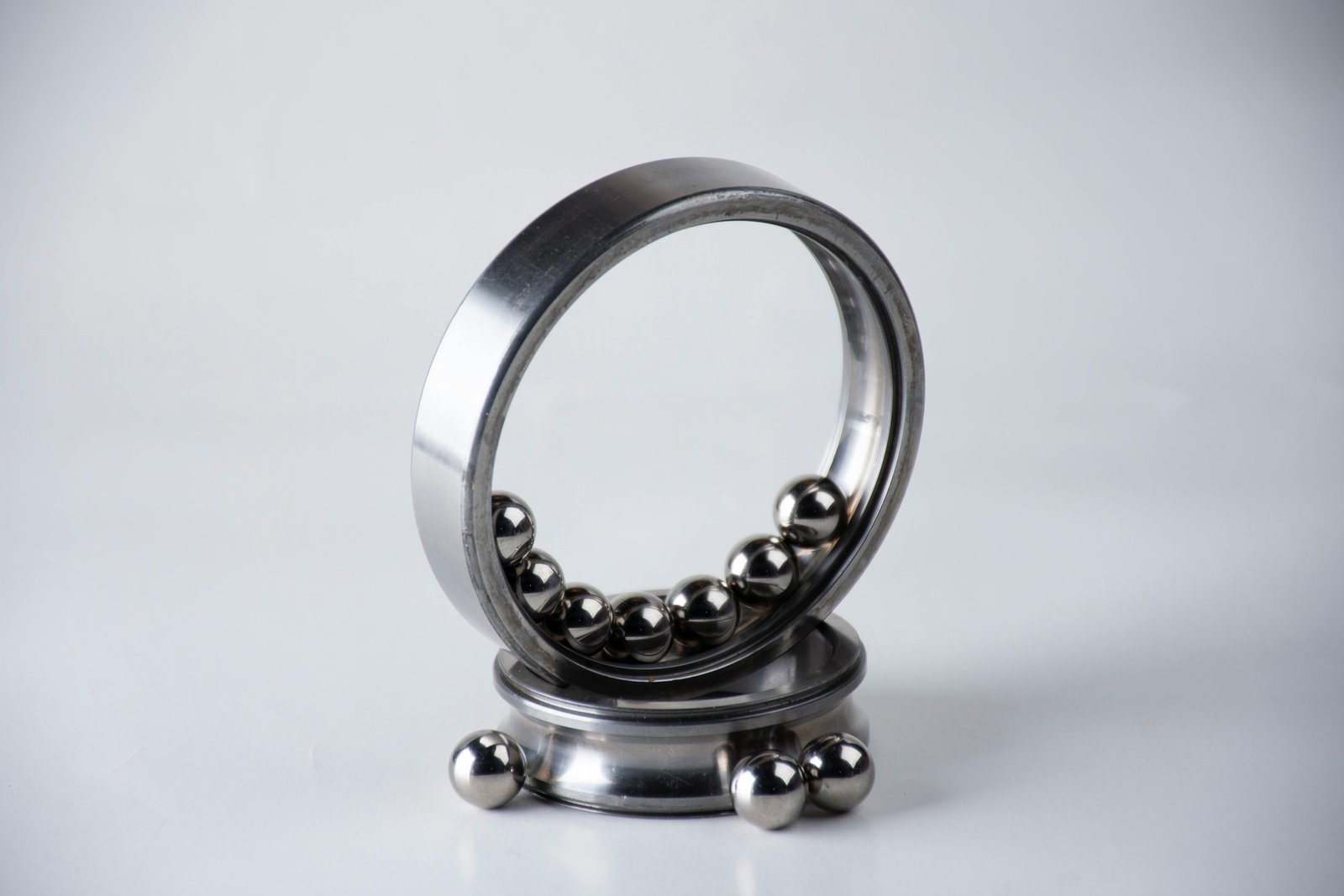
CNC turning has three key characteristics:
However, CNC turning has significant limitations; as it is essentially a “rotational machining” process, it is only capable of machining symmetrical shapes such as circles and cylindersRotating componentsFurther processing is required; if the workpiece is irregularly shaped, other CNC processes must be employed to complement the process.
Three key parameters
To produce parts that meet specifications, three key parameters must be carefully controlled in CNC turning.
1. Rotational speed: how fast the workpiece rotates
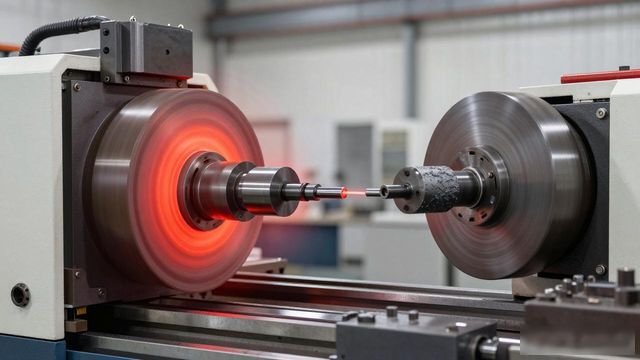
When raw materials are rotated, the speed must not be too fast, nor too slow. If the rotational speed is too high, the parts are prone to overheating and subsequent deformation. Conversely, if the speed is too low, machining efficiency drops significantly and the surface finish becomes rough.
Adjustments are generally made according to the material and dimensions of the workpiece. For example, when machining aluminium alloy, the spindle speed can be set slightly higher, whereas when machining hard steel, the spindle speed should be set slightly lower.
2. Feed rate: the “speed” at which the tool moves”
The distance travelled by the cutting tool with each revolution is known as the feed rate. If the feed rate is too high, noticeable tool marks will appear on the surface of the workpiece. If the feed rate is too low, the machining speed will slow down, thereby affecting efficiency.
3. Tool material: the “scalpel” of machining”
If the correct tool material is selected, the machining process will be both efficient and precise. There are three common types of cutting tools, with different materials catering to different machining requirements:
Applications of CNC turning
It is precisely because the art of turning has reached such a high standard that turned products can be found almost everywhere in our daily lives.
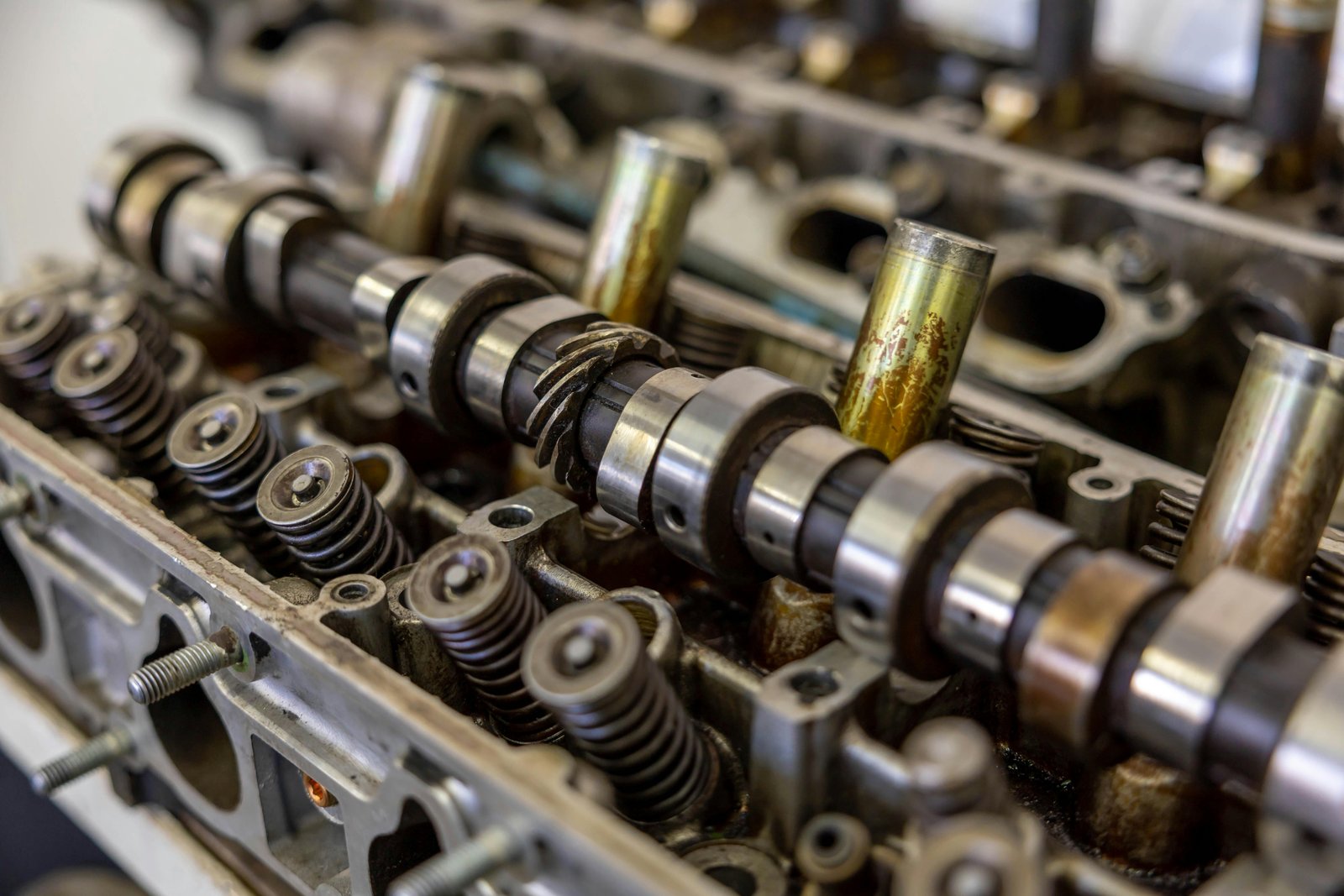
The drive shafts in vehicles, as well as brake discs and engine shafts, are all machined using CNC turning. The precision of these components has a direct impact on the vehicle’s driving safety and stability; it is therefore essential to ensure that tolerances are accurate and precise, in order to prevent issues such as loosening and wear.
Electronics industry
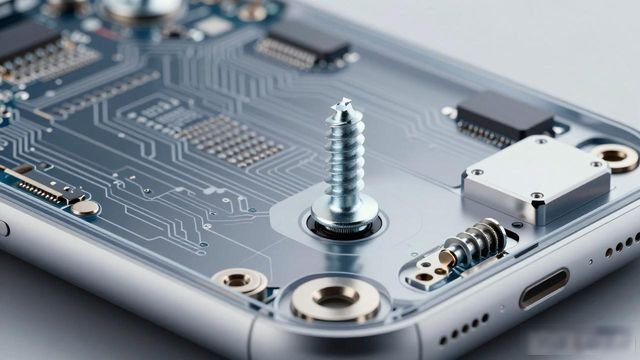
The electronic devices we use every day—such as mobile phones, computers and headphones—contain many precision CNC-machined parts, such as the screws in mobile phones and the metal tubes in headphones. Although these parts are small in size, they require a high degree of precision. CNC turning allows for the production of compact yet precise components that do not interfere with the normal operation of electronic devices.

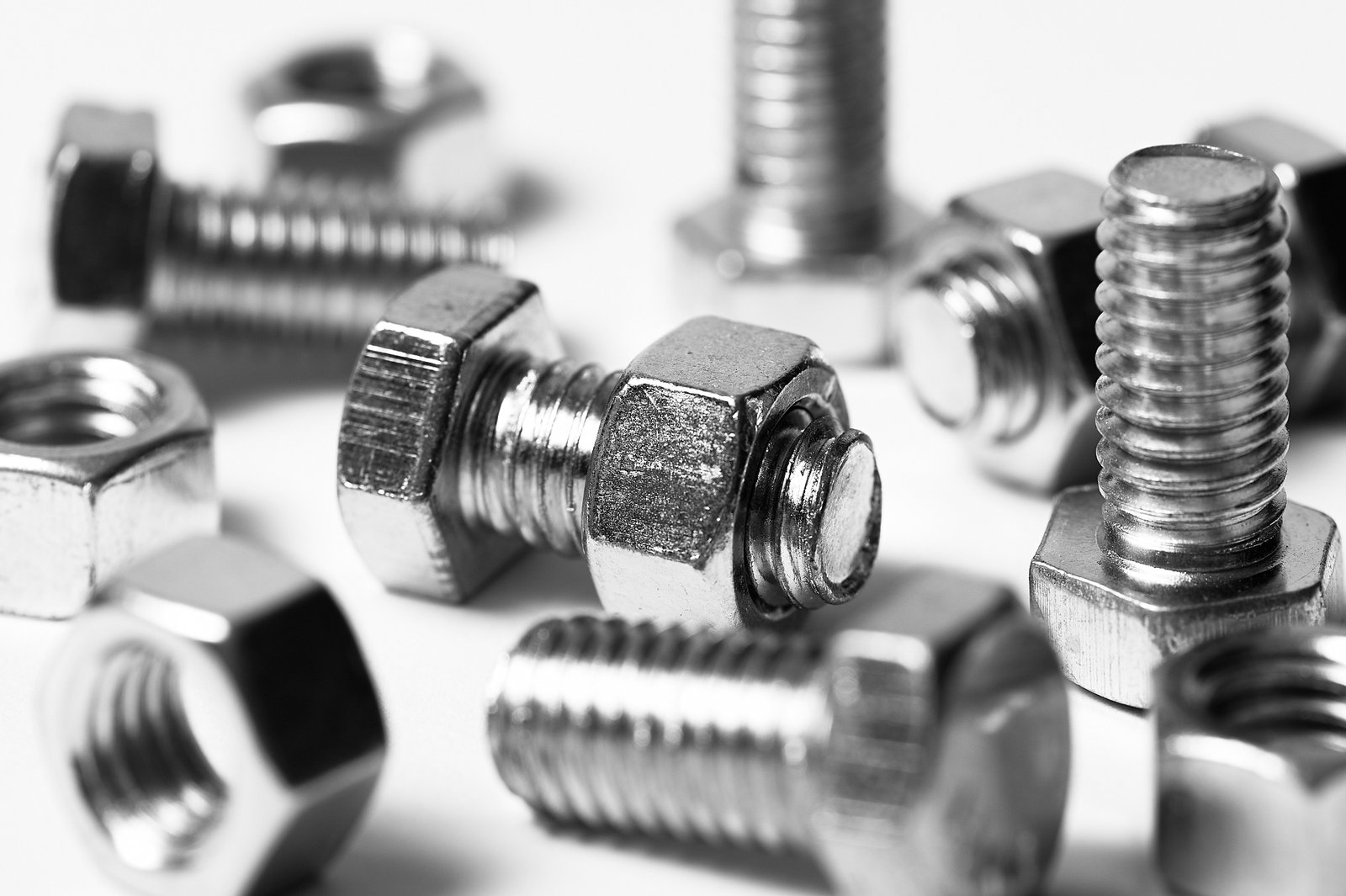
Basic hardware components such as screws, nuts and bolts are mostly produced in bulk using CNC turning. It is precisely through CNC turning that these components achieve consistent dimensions and a tight fit.
CNC Turning Solutions
If you require CNC turning services, whether for prototyping or mass production, Zhemi Technology can tailor its solutions precisely to your needs.
Coming up next
In this issue, we’ve unlocked the secrets of CNC turning
Although it excels at machining rotary parts, it is “at a loss” when it comes to irregular surfaces”
Those irregular, irregularly shaped parts and complex curved parts
What manufacturing process is used?
 Chinese
  Japanese
  English
  German
  Finnish
Leave a Reply
You must be logged in to post a comment.