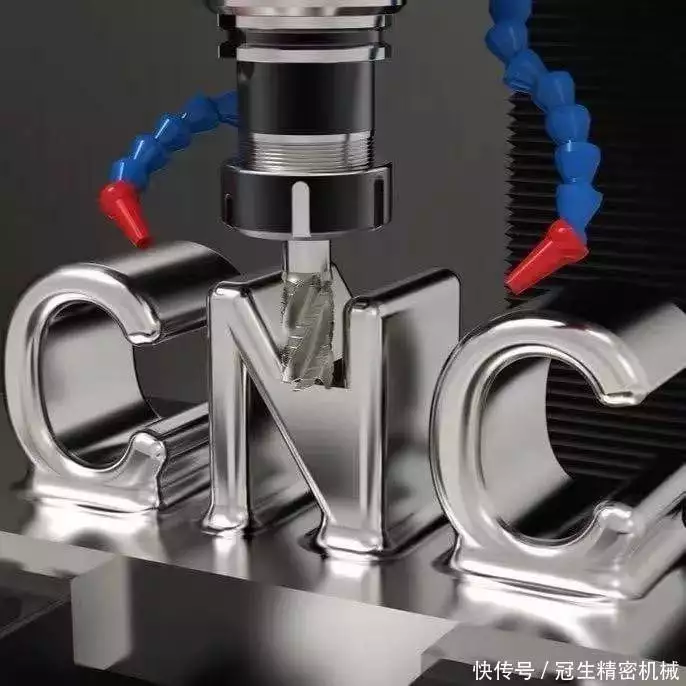


ZhangzhouPrecision parts processing厂


No TV in the living room – this is the latest trend!
Within the various branches of the manufacturing sector, precision parts machining occupies a crucial position; not only does it underpin modern industry, but it also serves as a vital pillar for many high-end technological fields. In the Zhangzhou region of Fujian Province, thanks to its unique geographical advantages and industrial heritage, a number of specialised precision component machining factories have gradually emerged. Although these factories are not widely known to the general public, they play an indispensable role within the industrial chain.
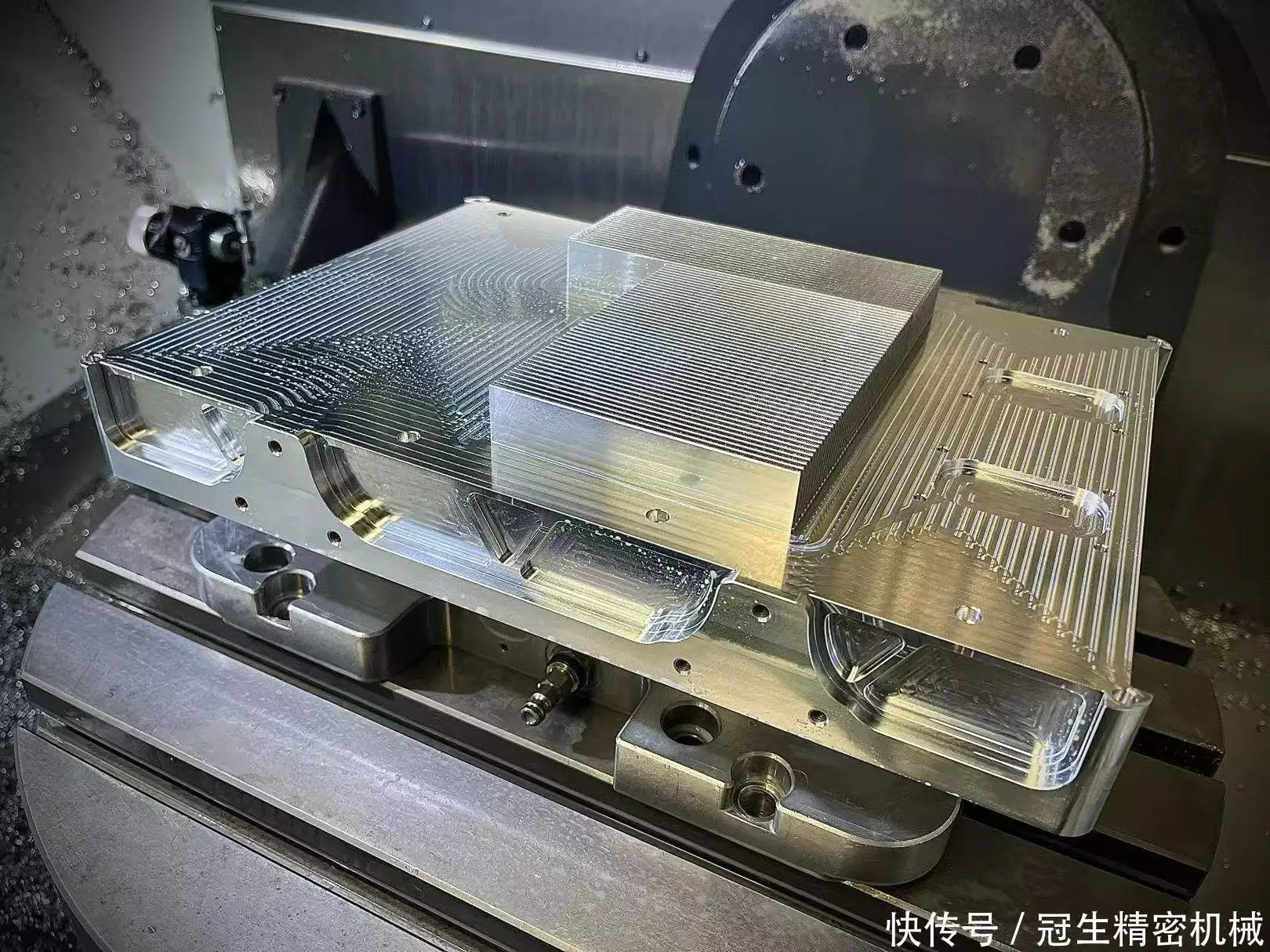
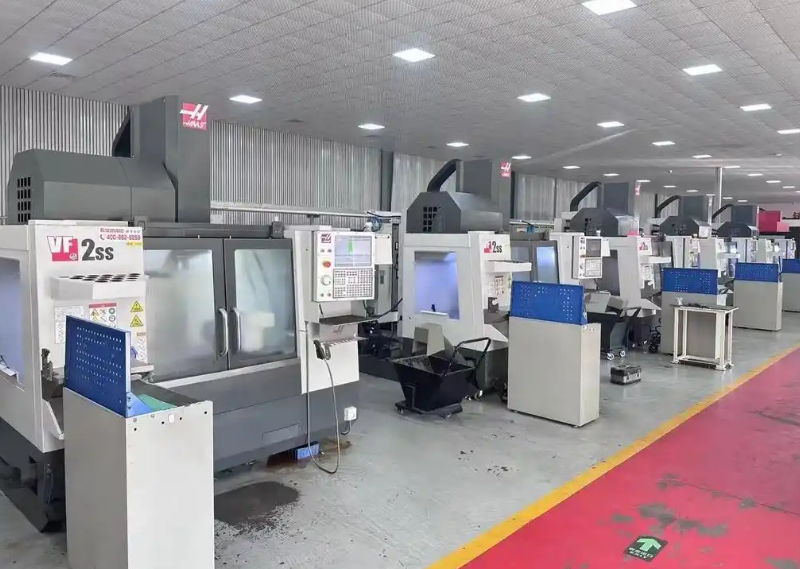
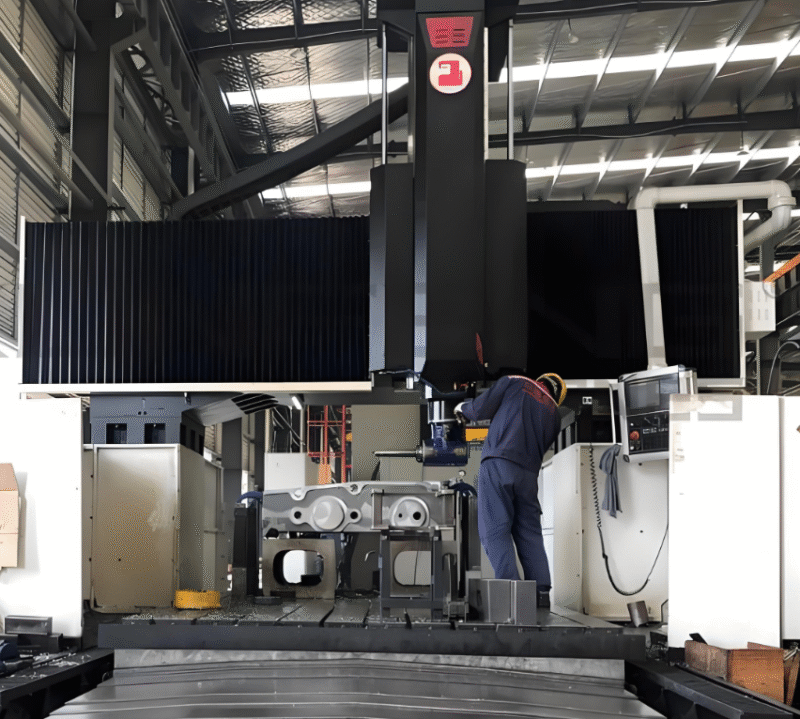
Precision parts machining, as the name suggests, involves high-precision, highly complex cutting processes applied to metallic or non-metallic materials, as well as forming and grinding processes, in order to produce components that meet stringent dimensional and performance requirements. These components are frequently used across a wide range of sectors, such as automotive manufacturing, electronics manufacturing, the aerospace industry and industrial automation. As the precision requirements are exceptionally high, the machining process often relies on advanced CNC equipment, alongside rigorous process design and skilled technical personnel.
We will now briefly outline the main aspects and characteristics of precision parts machining from a number of perspectives.
1. Materials and Processes
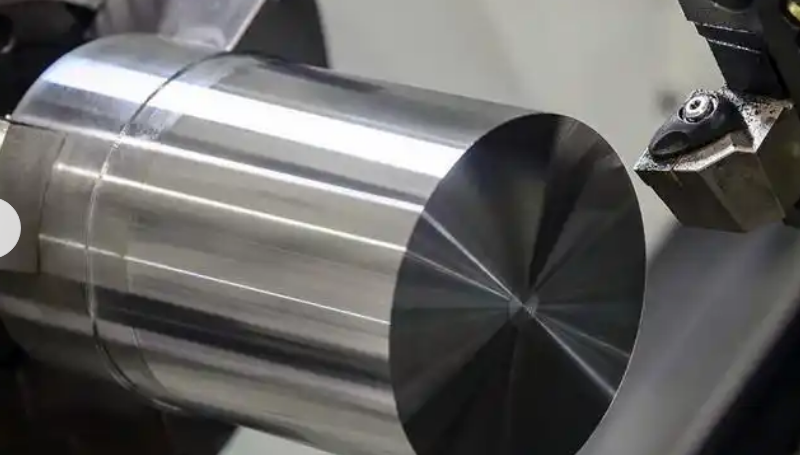
The range of materials involved in precision parts machining is vast and varied, including various types of steel, as well as aluminium alloys, copper alloys, plastics and specialised composite materials, amongst others. Different materials possess distinct physical and chemical properties, and therefore require corresponding machining processes. For example, for metals with relatively high hardness, diamond or cemented carbide cutting tools are generally used for machining. Conversely, for thin-walled components prone to deformation, low-speed precision machining is required to control stress and deformation. Machining processes encompass a wide range of methods, including turning, milling, drilling and grinding, each with its own specific applications and technical requirements.
2. Equipment and Technology
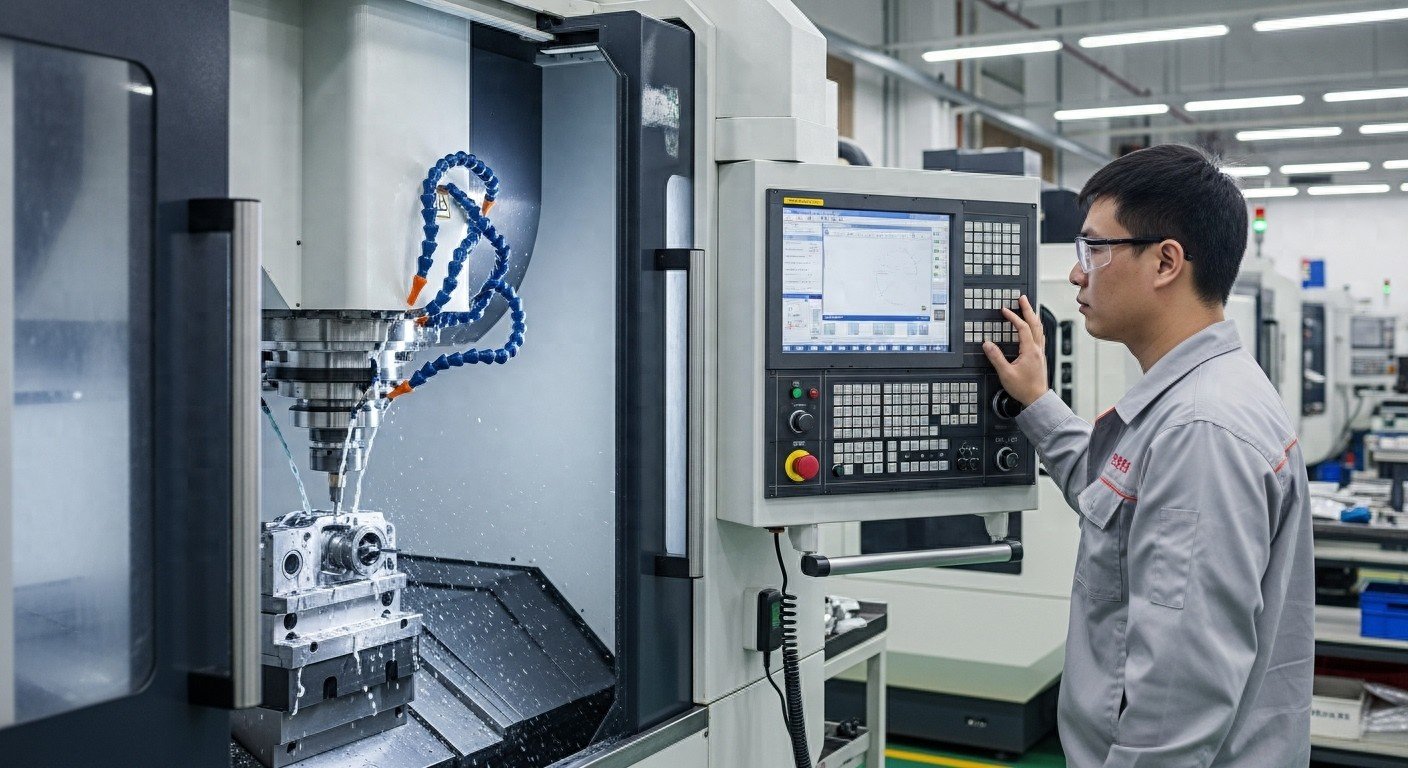
High-precision CNC machine tools enable modern precision machining to achieve micrometre or even nanometre-level accuracy; they utilise computer programmes to control machining paths and parameters, with supporting inspection equipment such as coordinate measuring machines and optical projectors used to monitor product quality in real time. In addition to the hardware, technical details within the machining process—such as process optimisation, toolpath planning and the selection of coolant—have a direct impact on the final product quality.
When it comes to the machining of precision components, one of the core aspects lies in quality control. This is because these products are often used in applications with high reliability requirements, where even the slightest deviation is highly likely to cause the entire system to fail. Consequently, machining workshops generally establish rigorous quality management systems, carrying out meticulous inspections at every stage of the process—from the receipt of raw materials into the warehouse right through to the dispatch of finished goods. Common quality control methods include first-piece inspection, in-process sampling and final inspection, all of which ensure that every product complies with the design drawings and the customer’s specifications.
4. Areas of application
Precision components have an extremely wide range of applications. In the automotive industry, they are used in engine systems, transmission systems and braking systems; within the consumer electronics sector, they are commonly found in the internal structures of mobile phones, as well as in connectors and heat dissipation components. In the industrial sector, they are widely used in robotic joints, sensors and precision instruments. As technology continues to advance, the demands on component precision are constantly increasing, thereby driving continuous progress in machining technology.
5.Industry challengesand development
Although precision machining technology is now well established, the industry still faces a number of challenges. For example, customers’ demands for cost-efficiency are constantly rising, and orders are trending towards smaller batches and greater variety, which places greater demands on production flexibility and rapid response capabilities. Furthermore, the tightening of environmental regulations is prompting machining firms to explore greener and more sustainable production methods, such as the use of environmentally friendly cutting fluids and the optimisation of energy consumption.

The renovation of my 280-ping villa cost 300,000 yuan, and the end result completely exceeded my expectations.
Within this specific sector, there are a number of companies which, through long-term, continuous development, have cultivated their own distinctive characteristics. Take Xiamen Guansheng Precision Machinery Co., Ltd., for example. As a company specialising in the manufacture of precision mechanical components, it places great emphasis on investment in technology and process innovation, and remains committed to providing machining services that meet its customers’ requirements. Companies of this kind typically possess comprehensive capabilities ranging from design support through to mass production, and are able to flexibly adjust their production plans in response to customers’ specific requirements.
Firstly, precision parts machining is an industry that integrates engineering technology, materials science and quality management; it is a comprehensive sector. Furthermore, machining workshops in the Zhangzhou region, building on the local manufacturing base, have gradually developed their own distinctive industrial characteristics. Looking ahead, assmart manufacturingAs automation technology becomes more widespread, the precision machining industry is set to make improvements in terms of accuracy, efficiency and sustainability, thereby providing reliable support to a wider range of sectors.
It should be noted that advances in the machining of precision components are inextricably linked to the training of specialist technical personnel and ongoing research and development. Only by continuously adapting to market changes can a company remain competitive. For customers, selecting a machining facility with comprehensive qualifications and extensive experience is a crucial step in ensuring product quality and the success of their projects.


 Chinese
  Japanese
  English
  German
  Finnish
No comments