


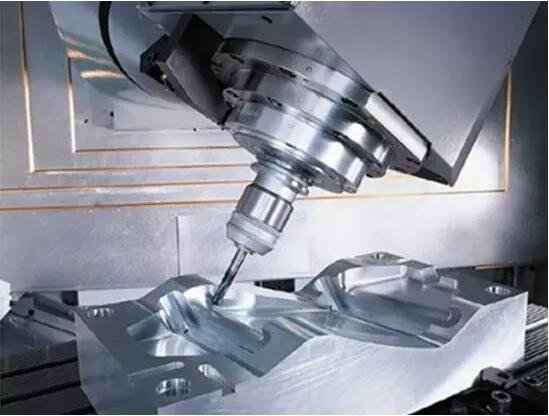
What is the difference between a 5-axis machine with an oscillating spindle and one with an oscillating table?
The five axes of a five-axis machine tool are usually composed of three linear axes plus two rotary axes, but the way they are structured varies greatly. Different structural form will make the machine tool in the rigidity, dynamic performance and accuracy stability and other aspects of some differences.

Discussion on the technology and development of ultra-precision machining
With the development of the times and social progress, the degree of industrial mechanisation is increasing. In this context, the development of machining manufacturing industry continues to prosper. The following is a small collection of related content of the paper, welcome to read reference.
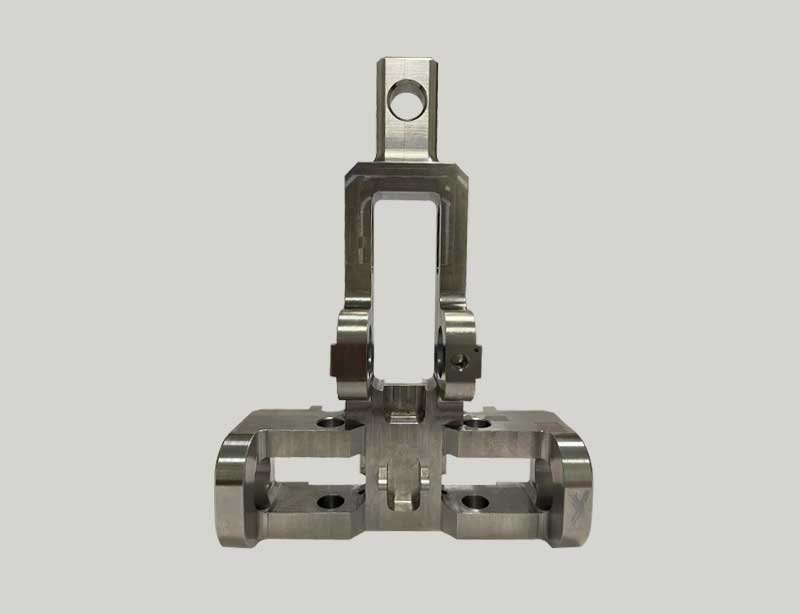
Non-standard parts machining process technology needs what kind of equipment support?
Non-standard parts machining refers to the process of machining parts that are customised according to the specific needs of the customer. These parts usually have complex geometries, special material requirements or unique performance needs, so their machining process technology requirements are higher.
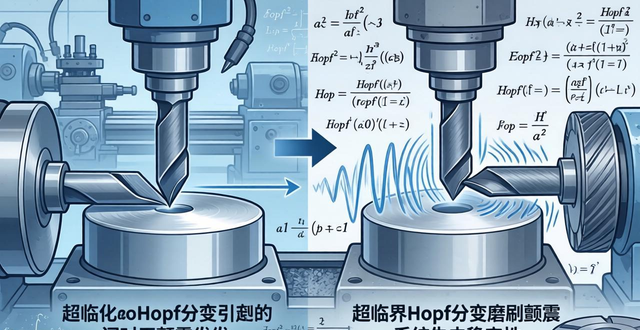
Analysis of grinding chatter phenomenon caused by supercritical Hopf bifurcation
After obtaining the canonical equation, the process of generating grinding chatter can be studied next by discussing the amplitude B. As can be seen from the equation, α and β in the equation represent the amplitude as well as the frequency correction term of the approximate solution of the chattering motion, respectively. And at that time, the grinding process started to destabilise
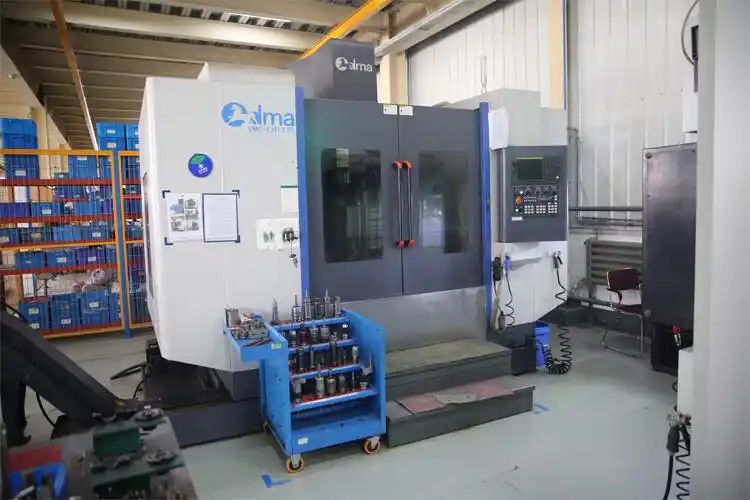
Unlocking CNC composite machining: which parts are best suited to this advanced technology?
In modern manufacturing, CNC composite machining has become a core solution for the production of high-precision, complex structural parts. This technology combines multi-axis capability (e.g. 5-axis machining) by integrating turning, milling, drilling and other processes in one machine.
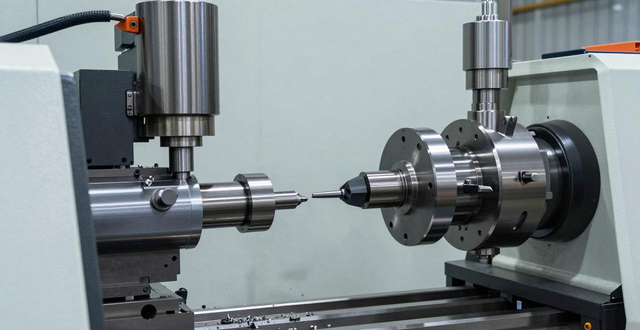
Difference between CNC lathe and CNC turning centre.pdf
The [CNC lathe and CNC turning centre difference 】 is uploaded by [】 share, document a total of [4] pages, the document can be read online for free, need to know more about the [CNC lathe and CNC turning centre difference 】 content
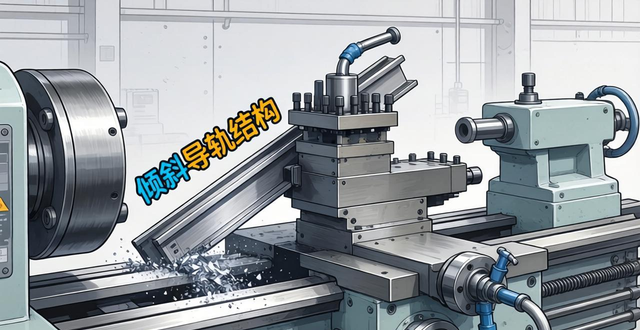
Differences between CNC machines and turning centres
The difference between a CNC lathe and a turning centre is a matter of concern, but many people are unable to find a detailed account of the subject. This article will take the opportunity to bring
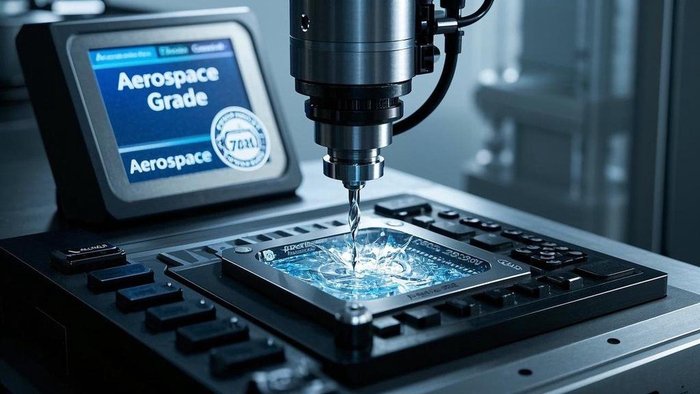
Specialised CNC milling and turning services for different industries
Specialist CNC milling and turning services for a variety of industries: precision, efficiency and innovation CNC milling and turning is at the forefront of modern manufacturing, providing unrivalled precision in the production of complex components for a variety of industries...
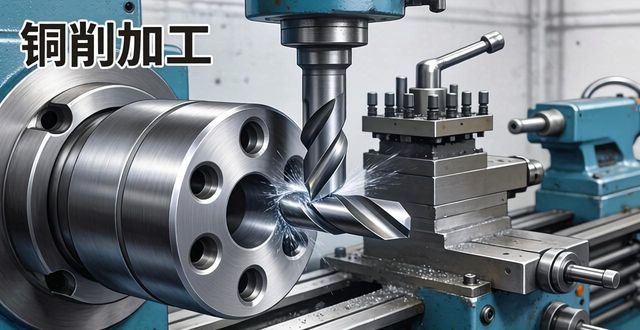
Basic Concepts of Boring and Boring Tools
Fig. 1 Schematic diagram of boring cylindrical holes Fig. 2 Double-edged boring tool Fig. 3 Modular boring tool Boring is a cutting process in which a rotating single-edged boring tool is used to enlarge a preformed hole in a workpiece to a certain size to achieve the required accuracy and surface roughness.
What are the main types of grinding processes?
Grinding is a machining method that removes material. It refers to the process of removing excess material from a workpiece with an abrasive, an abrasive tool. Grinding is one of the more widely used methods of material removal. Grinding, in the mechanical processing under the finishing process, processing less, high precision.
 Chinese
  Japanese
  English
  German
  Finnish