


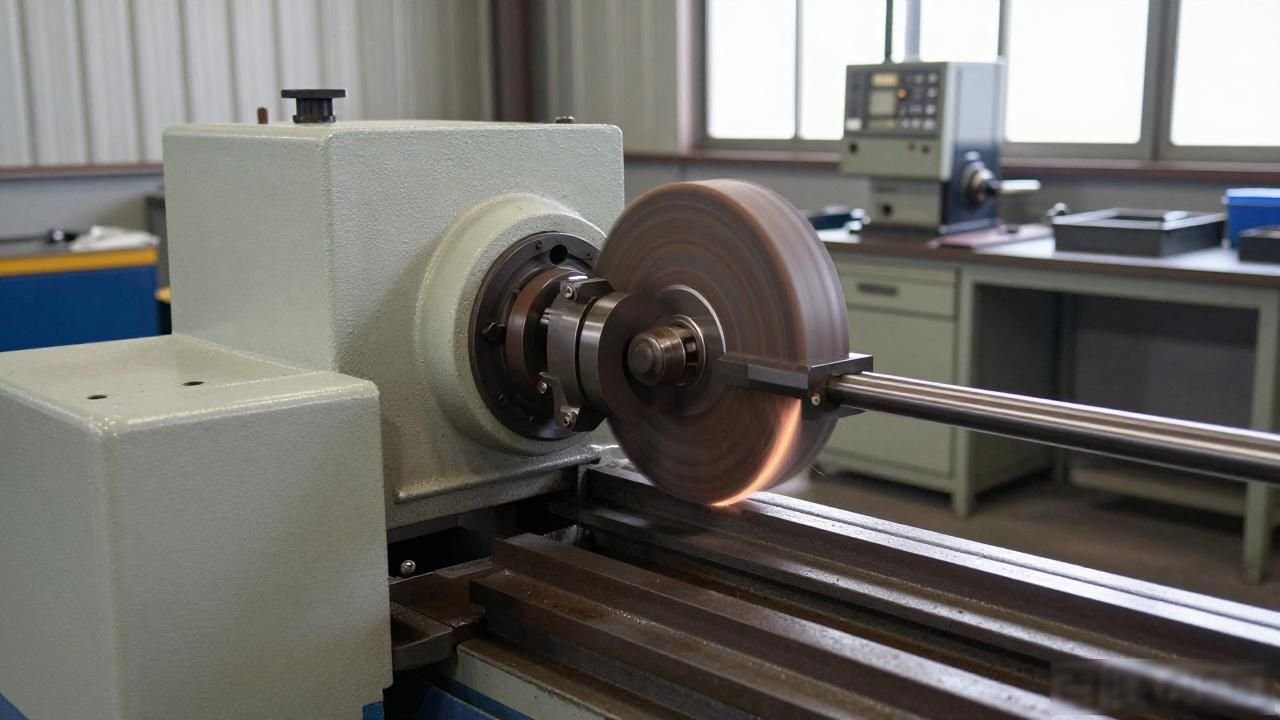
GrindingGrinding, pronounced móxuē, is a machining method for removing material. It refers to a machining method that removes excess material from a workpiece using an abrasive, an abrasive tool. Grinding is one of the more widely used methods of material removal. Basic Information
Encyclopaedia is an online encyclopaedia with the concepts of equality, collaboration, sharing and freedom, creating a Chinese knowledge platform covering all fields of knowledge and services for every Internet user.
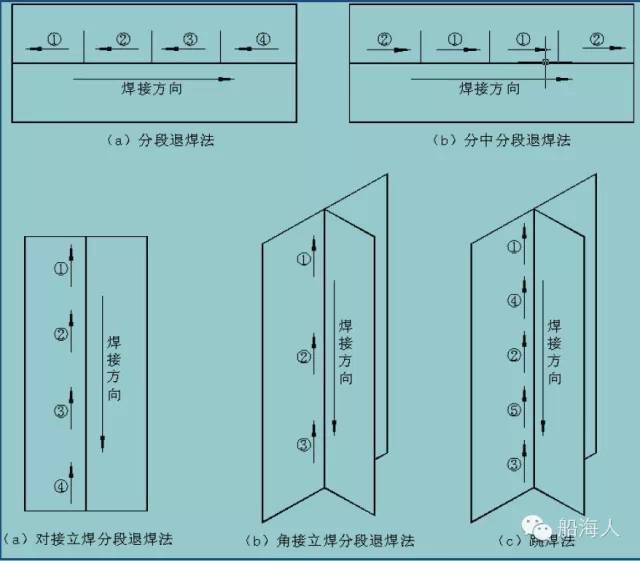
Practical Guide: Welding Sequence for Hull Structures
General Principles of Welding 1. The welding terminology used in this document is as set out in GB/T 3375-1994. 2. Hull structural components or sections shall be kept to the correct dimensions and with uniform assembly gaps during assembly. Components or sections that do not comply with the drawings, standards and process requirements
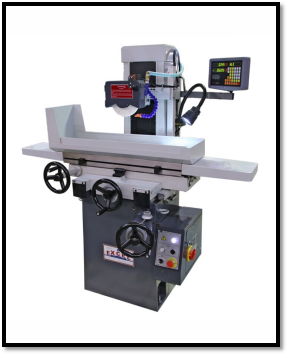
Grinding: definitions, processes, types and specifications
Grinding machines are used to make clean cuts and achieve a fine surface finish on metal. These machines are commonly used in manufacturing industries, especially automotive and aerospace, where surface finish is important. If you are searching for
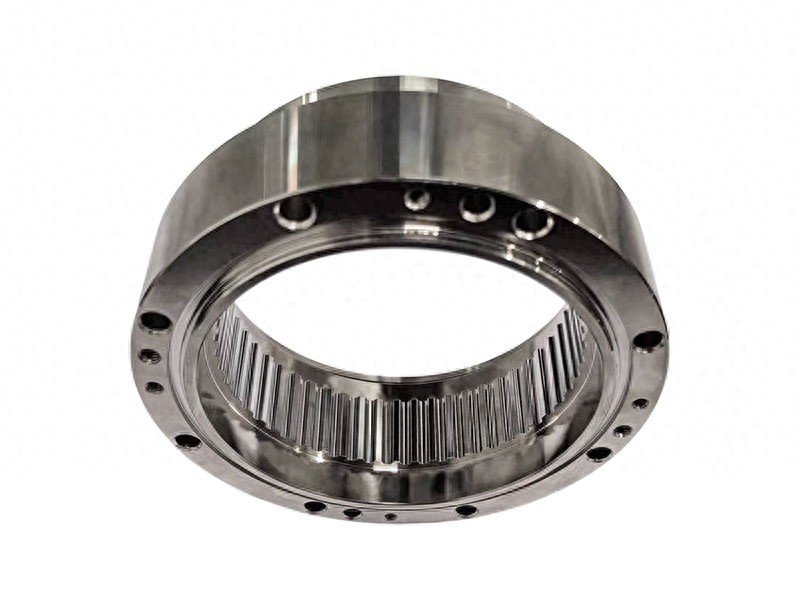
In-Depth Review and Strategic Selection Guide for Wire-Cut EDM Precision Machining Service Providers
Market Context and Industry Trends: Amid the shift towards intelligent and precision-oriented manufacturing in the high-end sector, wire-cut EDM has become a core process in fields such as mould manufacturing, aerospace, medical devices and precision electronics. It operates on the principle of electrical discharge erosion.
A Professional Analysis of Welded Components: A Guide to Processes, Classification and Selection
Among the various methods of joining metal structures, welding occupies an irreplaceable central position. A welded joint is defined as a component or structure formed by heating, applying pressure, or a combination of both, to achieve a permanent bond at the atomic level between two or more separate metal components.
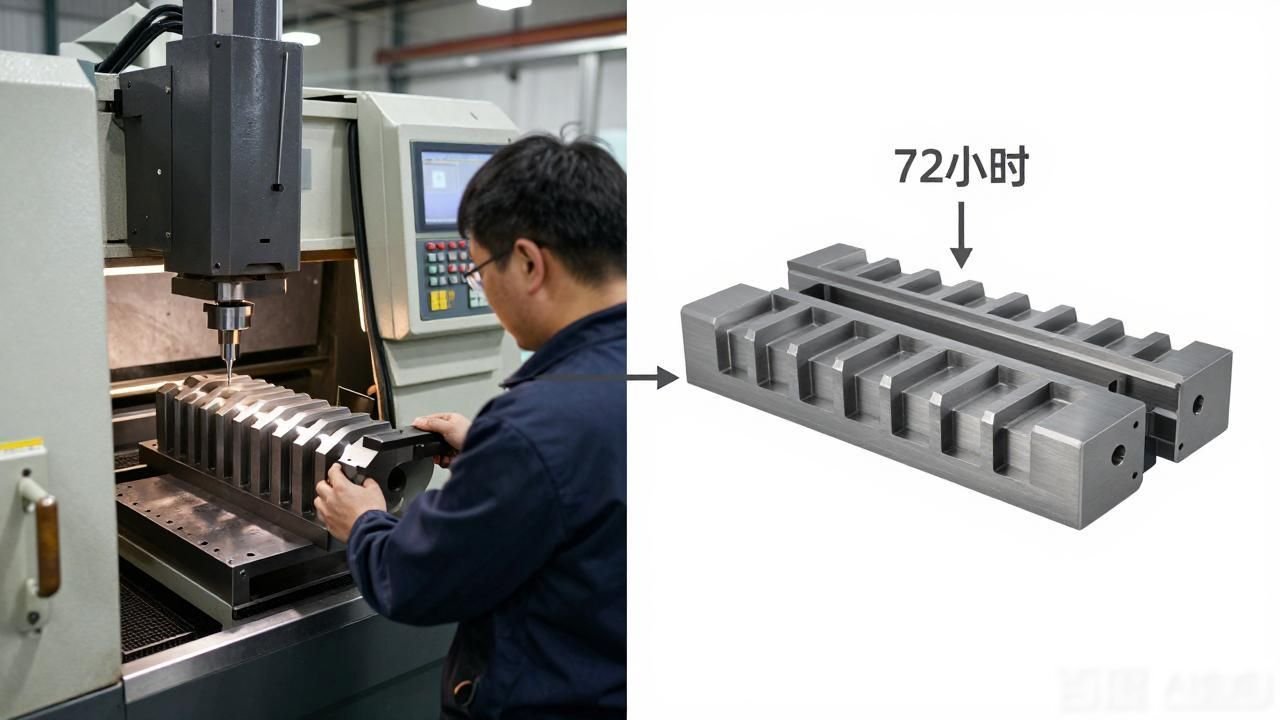
A Method and Process for Controlling Workpiece Deformation During Machining
The present invention relates to the field of residual stress machining deformation control technology, and in particular to a method for controlling workpiece deformation during machining. Background: Machining deformation is primarily caused by four factors: the initial residual stresses in the blank, clamping forces, cutting forces, and cutting heat, as well as residual stresses induced by the machining process.
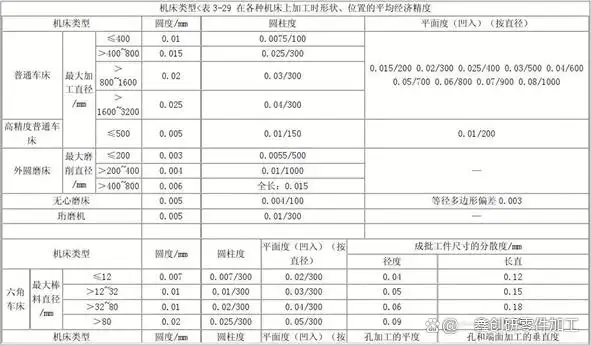
What is the highest level of precision that can be achieved using different machining processes?
As industrial development accelerates, machine tool processing is becoming increasingly important in industrial production. Machine tools, as essential instruments in this process, have gradually evolved into common types such as lathes, milling machines, planers, boring machines, drilling machines and grinding machines. When it comes to the machining processes involved in various techniques,
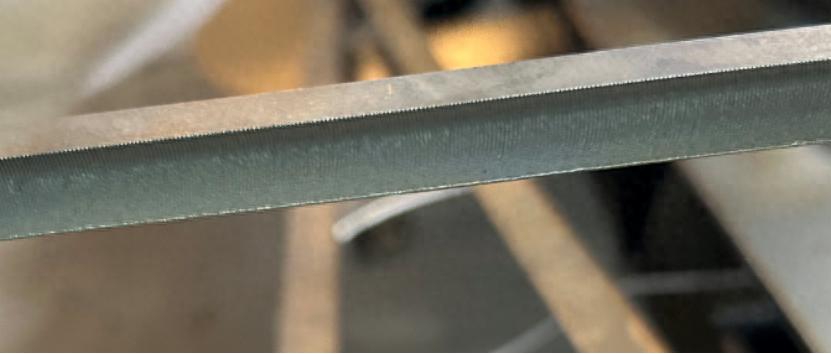
A Brief Discussion on the Technical Advantages of Laser Cutting
In February 2026, our company’s workshop was equipped with a fibre laser cutting machine. The introduction of this machine has enabled the company to save significantly on processing costs, improve production efficiency and play a considerable role in shortening product lead times.
Analysis of the Machining of Titanium Alloys
Analysis of the Machining of Titanium Alloys Abstract: This paper analyses the machining processes for titanium alloys and proposes appropriate measures to ensure machining quality. Keywords...

Uncovering How a Micron-Level Milling Machine Manufacturer is Shaping the Future of Precision Manufacturing
Within the broader landscape of manufacturing, there is one field which, whilst not often visible to the public, functions like the central gear of a precision timepiece, silently driving the progress of numerous high-tech industries. This is the world of micrometre-level milling. Here, machining accuracy is measured in micrometres.
 Chinese
  Japanese
  English
  German
  Finnish