arrange in order
A Comprehensive Guide to Laser Cutting: A Practical Guide from Principles to Applications
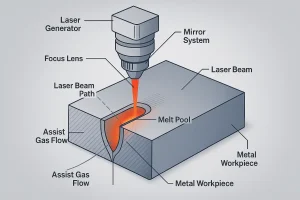
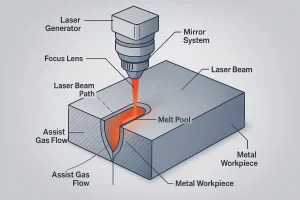
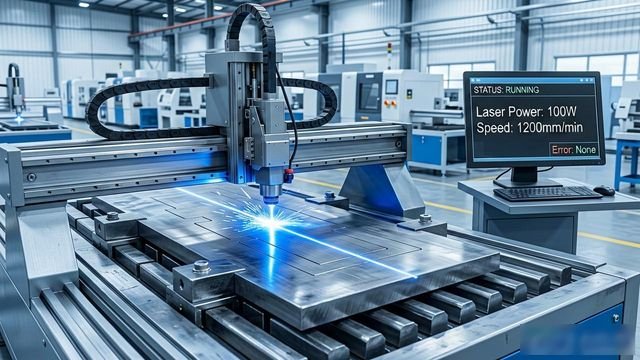
Flame cutting uses oxygen as the auxiliary gas; it enhances efficiency through the energy released by the oxidation of the metal, making it suitable for processing thick steel plates; fusion cutting utilises inert gases such as nitrogen, resulting in smooth, oxidation-free cut edges.
Laser Cutting: Principles, Advantages and Industrial Applications
Learn about how laser cutting works, its advantages in terms of precision, material properties, and a cost comparison with plasma and waterjet cutting – a key process in modern CNC manufacturing.
Laser cutting is revolutionising sheet metal fabrication, enabling complex parts to be formed in a single operation
Within the field of metal manufacturing, sheet metal fabrication plays a pivotal role. From precision electronic enclosures to massive ship components, sheet metal parts are ubiquitous. However, for a long time, traditional sheet metal fabrication methods have faced insurmountable bottlenecks.
Laser Cutting: Principles, Advantages and Industrial Applications
Learn about how laser cutting works, its advantages in terms of precision, material properties, and a cost comparison with plasma and waterjet cutting – a key process in modern CNC manufacturing.
A Comprehensive Guide to Laser Cutting: A Practical Guide from Principles to Applications
Flame cutting uses oxygen as the auxiliary gas; it enhances efficiency through the energy released by the oxidation of the metal, making it suitable for processing thick steel plates; fusion cutting utilises inert gases such as nitrogen, resulting in smooth, oxidation-free cut edges.
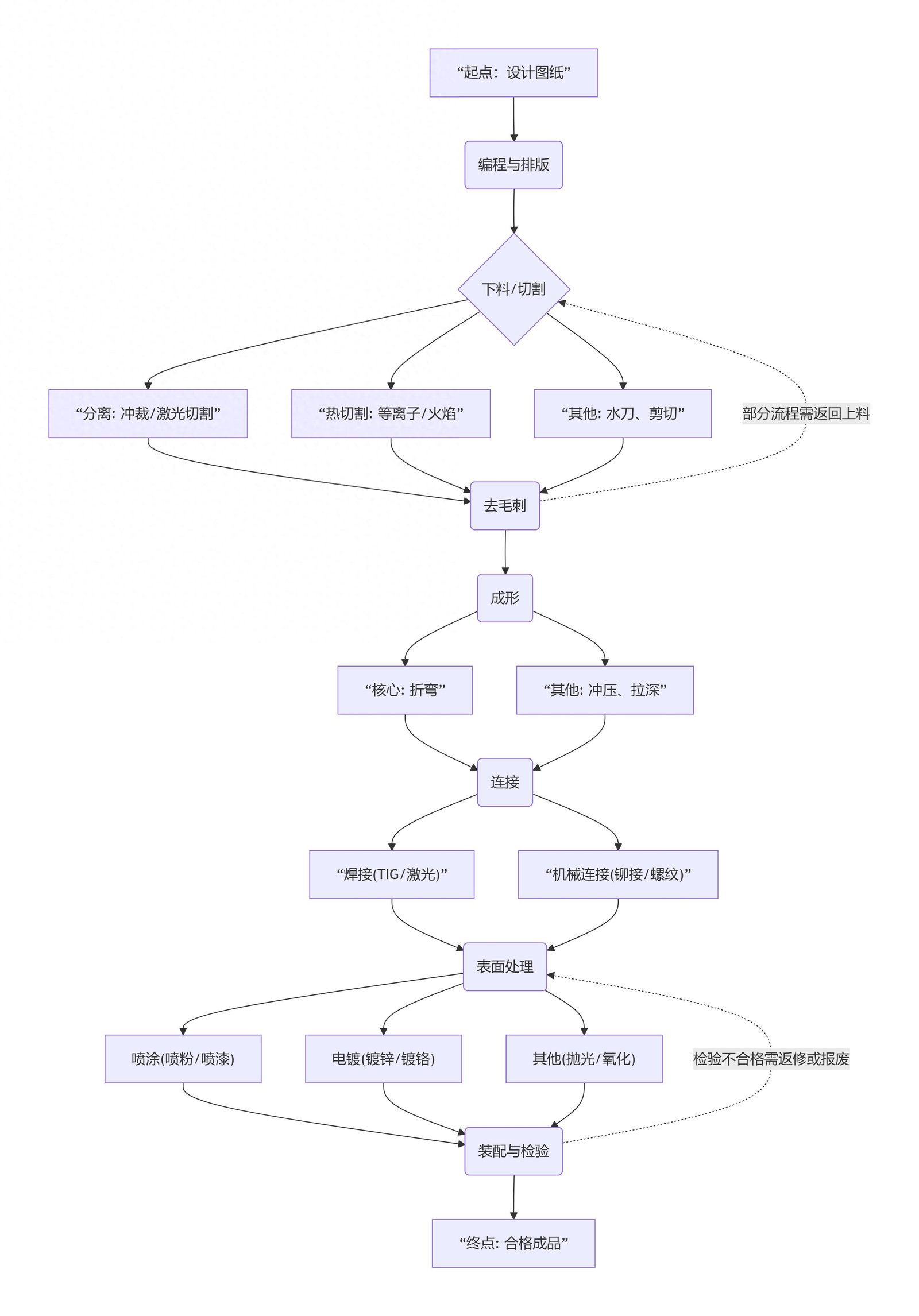
A single diagram explaining the entire sheet metal fabrication process: the journey from drawing to finished product
A single diagram illustrates the entire sheet metal fabrication process: the journey from drawing to finished product. A flat sheet of metal, after undergoing a series of precise and orderly transformations, ultimately becomes the machine housings, cabinets or complex components we see everywhere in our daily lives; the journey behind this is far more meticulous than one might imagine.
A Brief Discussion on the Technical Advantages of Laser Cutting
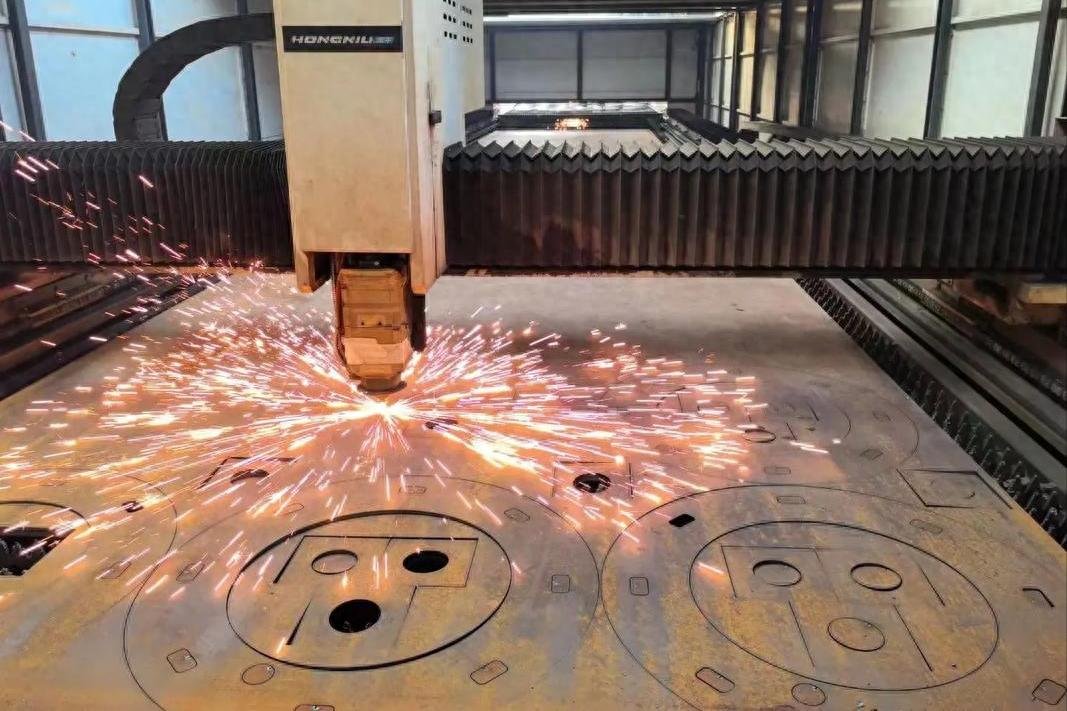
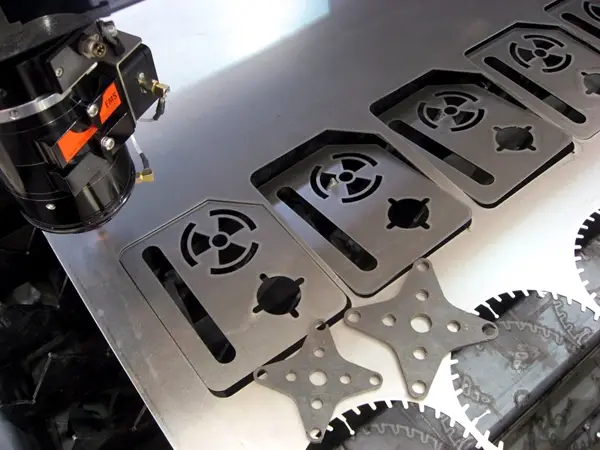
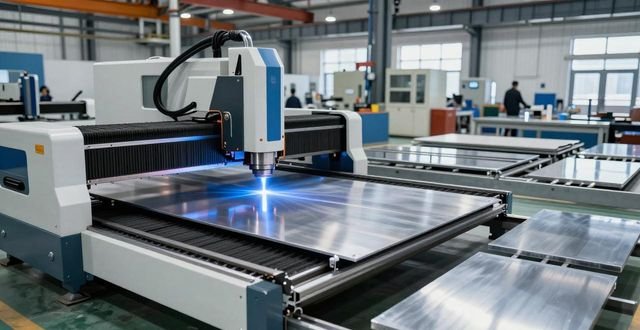
In February 2026, our company’s workshop was equipped with a fibre laser cutting machine. The introduction of this machine has enabled the company to save significantly on processing costs, improve production efficiency and play a considerable role in shortening product lead times.
A Comprehensive Analysis of Laser Processing Technology Applications in Sheet Metal Workshops
A Comprehensive Analysis of Laser Processing Technology in Sheet Metal Workshops – Traditional processing methods in sheet metal workshops involve shearing, punching and bending. The punching process requires a large number of dies; however, as it involves minimal or no cutting, it plays a crucial role in sheet metal workshops.
A Brief Analysis of the Laser Cutting Process
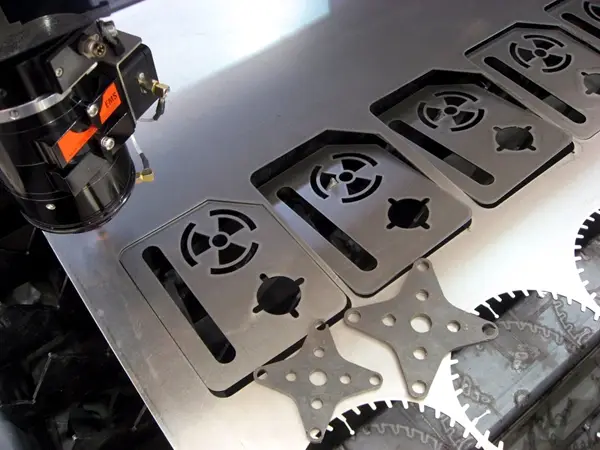
Lasers have been used for cutting since as early as the 1970s. In modern industrial production, laser cutting is widely used for processing materials such as sheet metal, plastics, glass, ceramics, semiconductors, textiles, wood and paper. In the coming years,
Sheet metal processing process details: laser cutting, bending, painting to delivery of the whole process
The sheet metal processing process runs through cutting, bending, welding, surface treatment and assembly, which is a key link in the manufacturing of equipment enclosures, cabinets, electronic control cabinets and automotive structural parts, and has a direct impact on delivery and cost control.