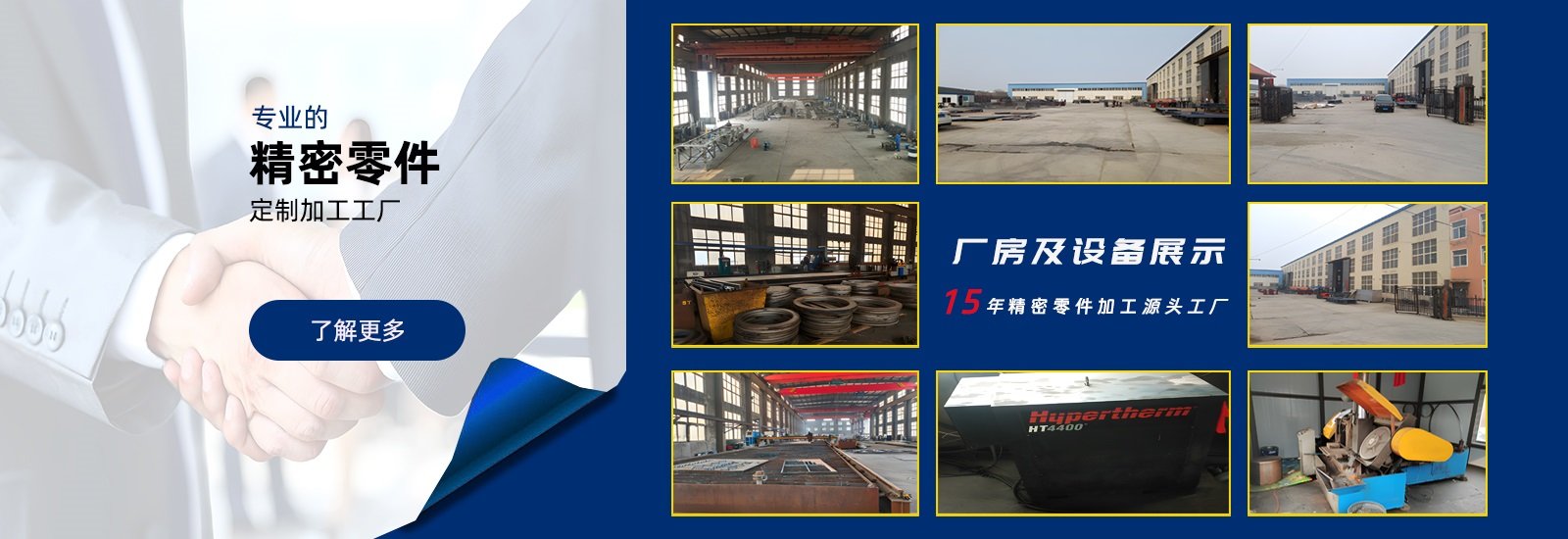
Welcome to Dalian Fu Hong Machinery Co.
Providing high standard services to Chinese manufacturing industry from single product to batch processing
About Fuhong
Dalian Fuhong Machinery Co., Ltd. is located in ...
Fuhong Products
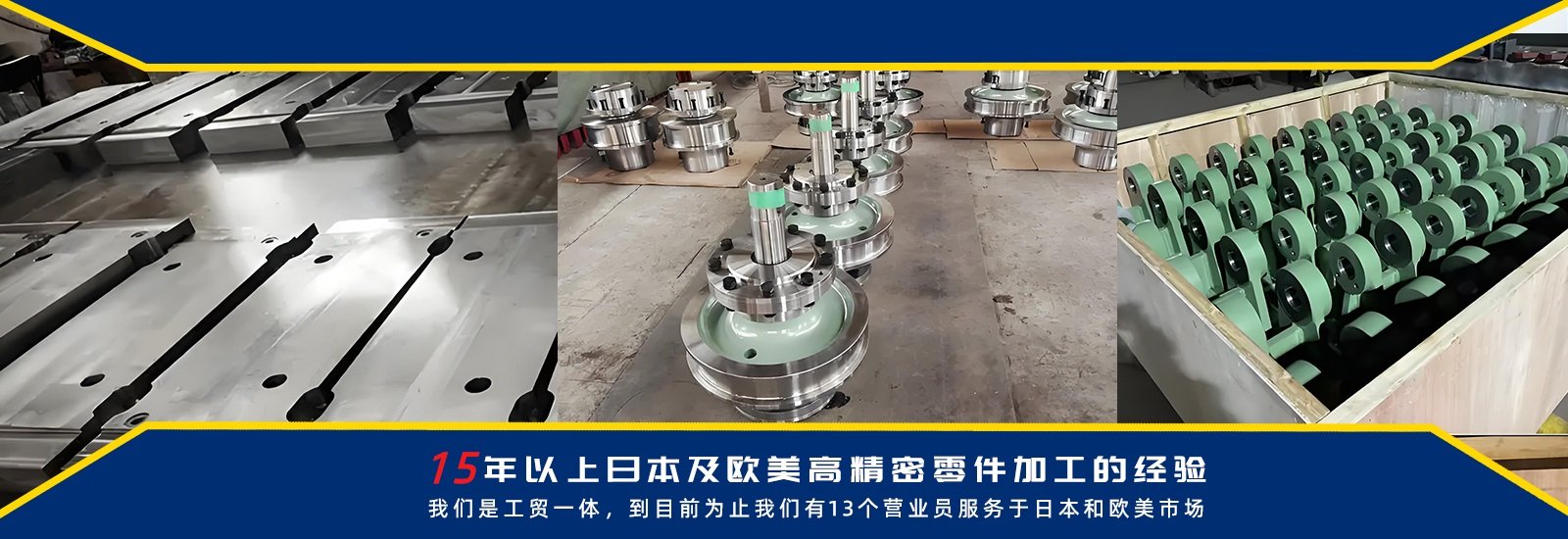
From single product to batch processing...
Equipment Showcase
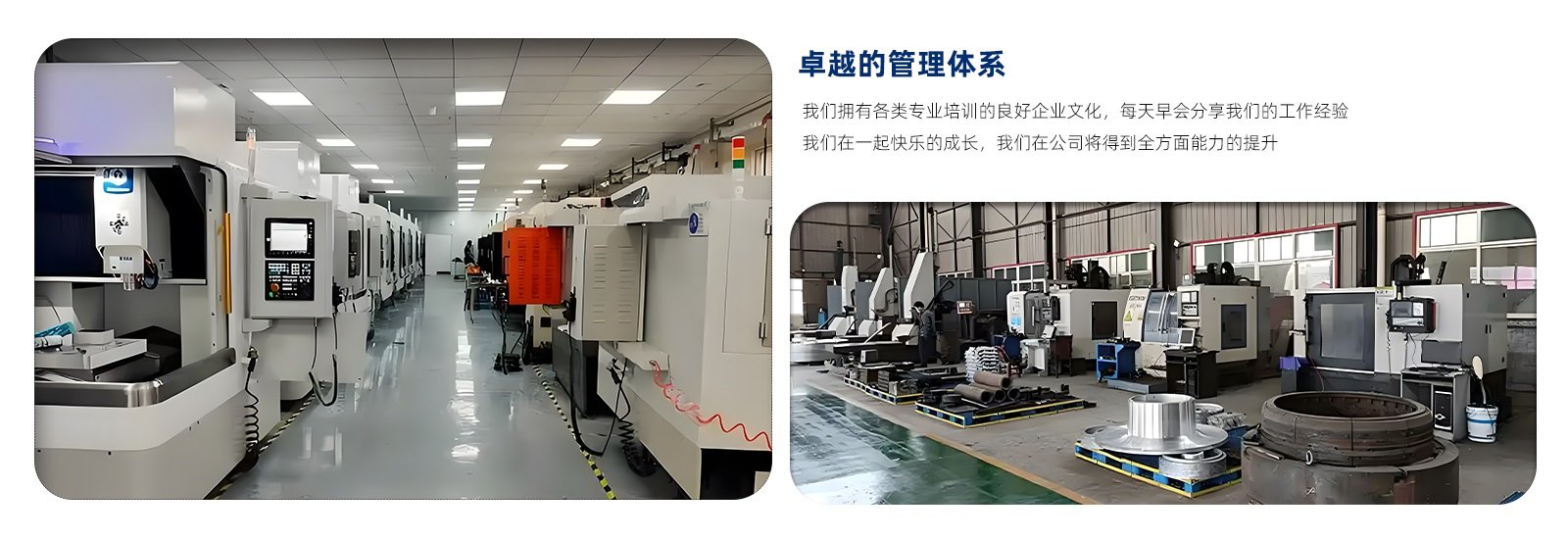
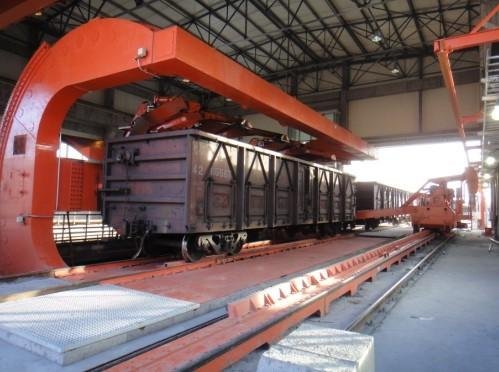
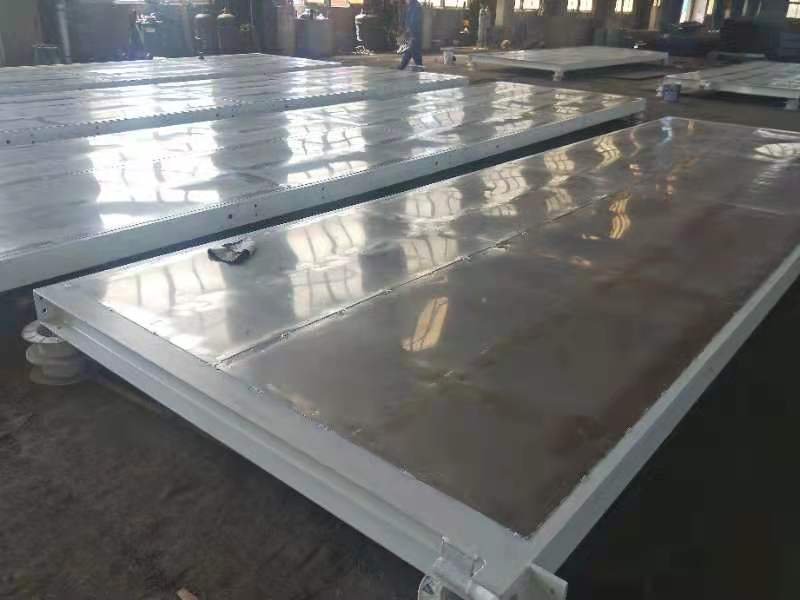
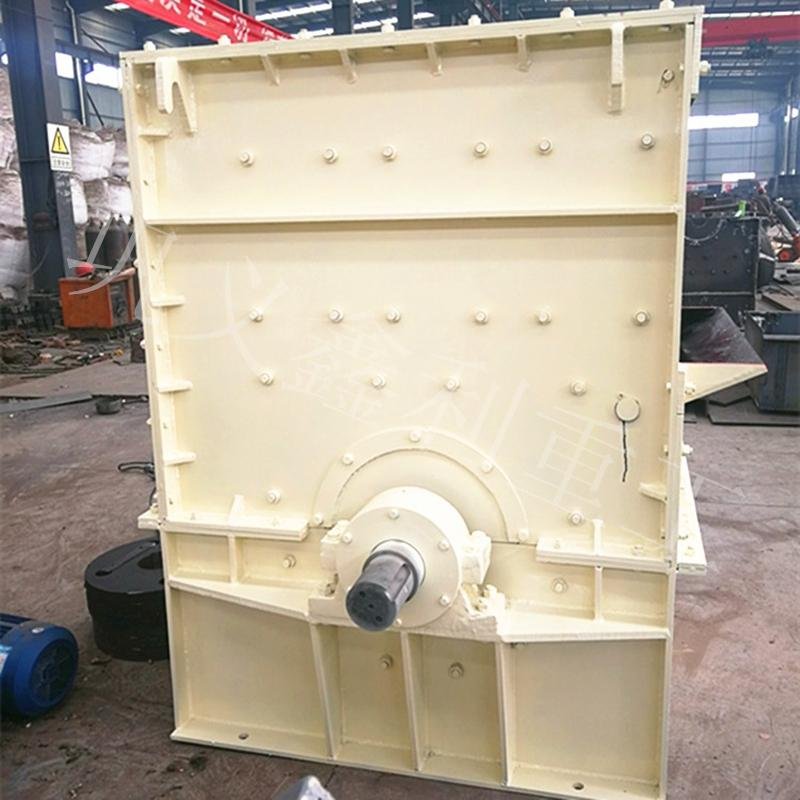
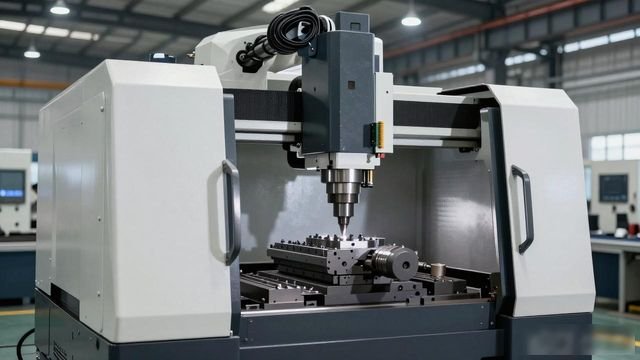
Machining, sheet metal, casting, heat treatment...
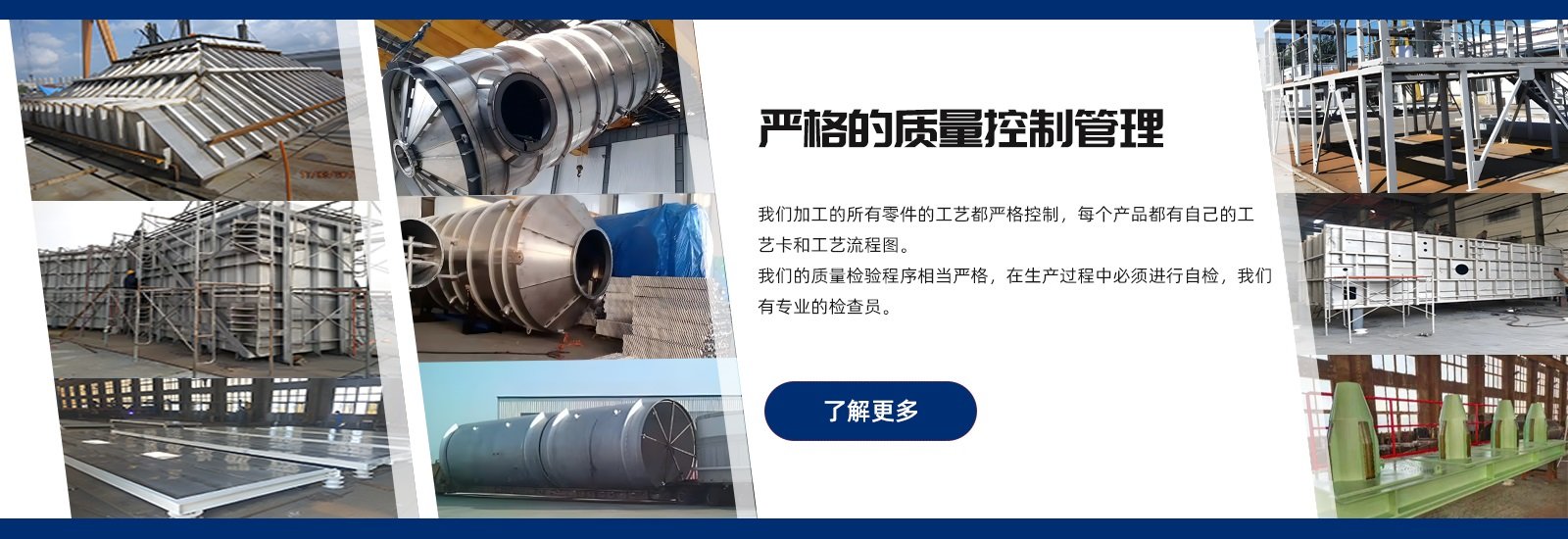
quality management
Quality and integrity

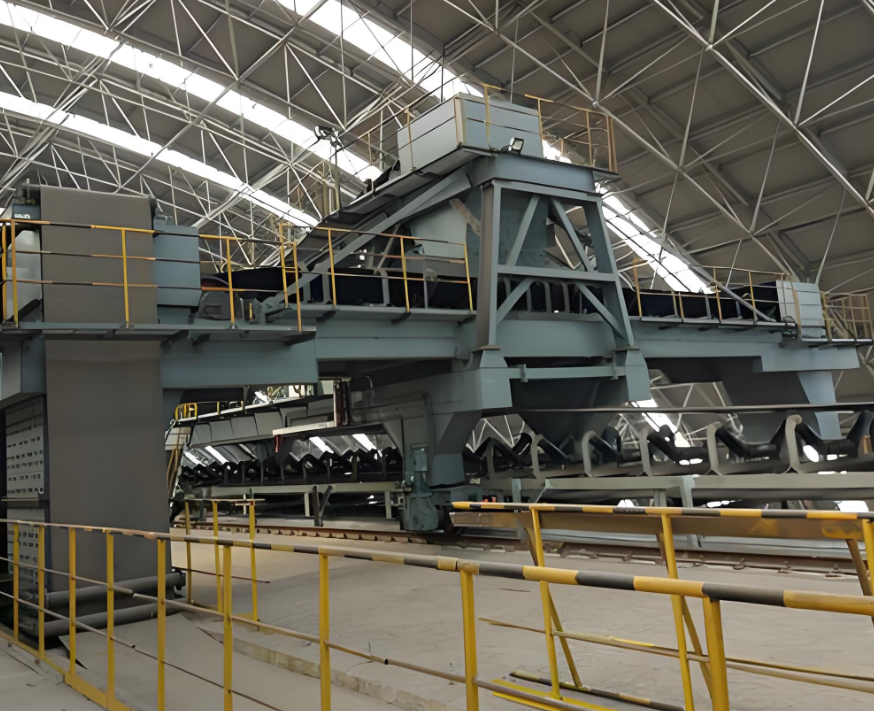
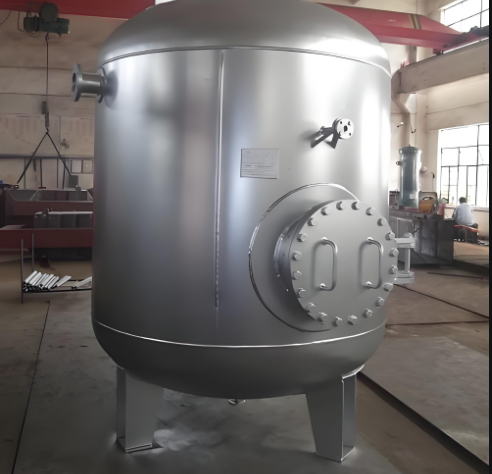
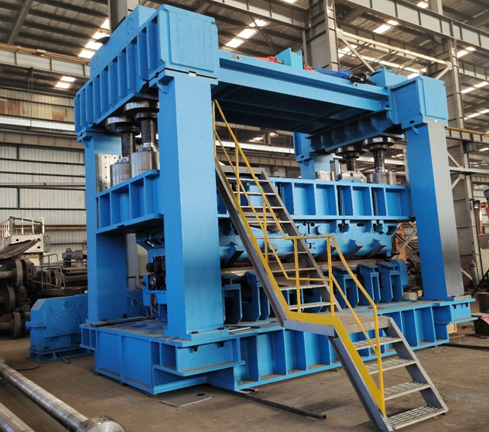
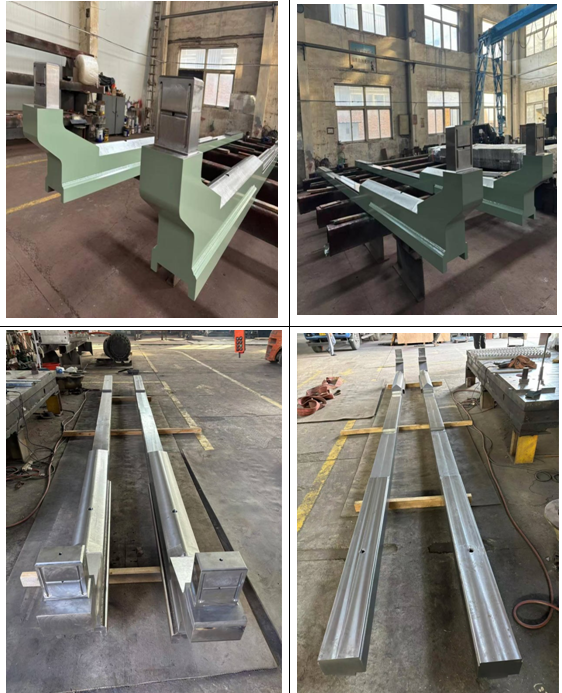
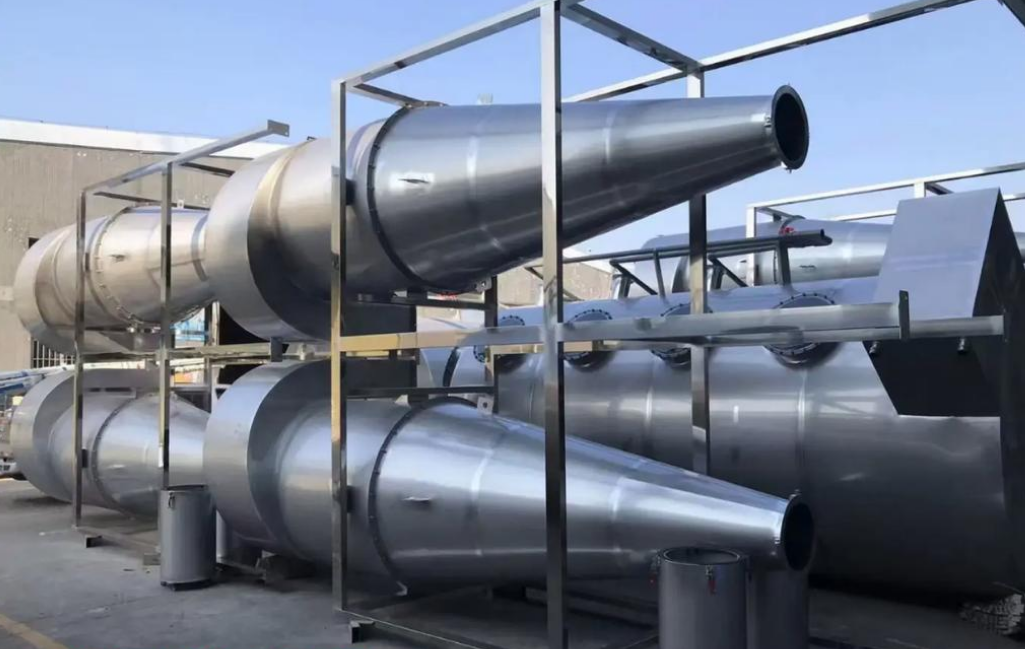
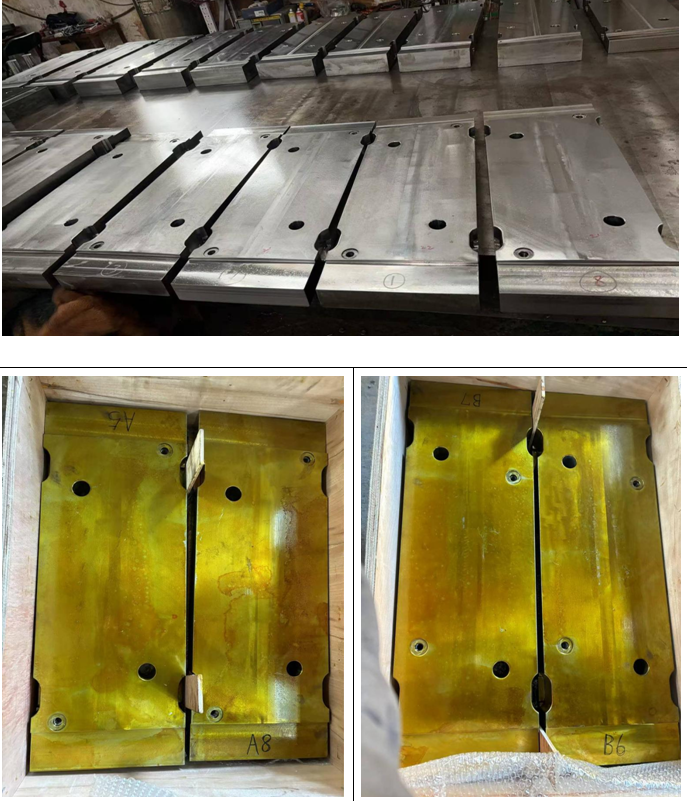
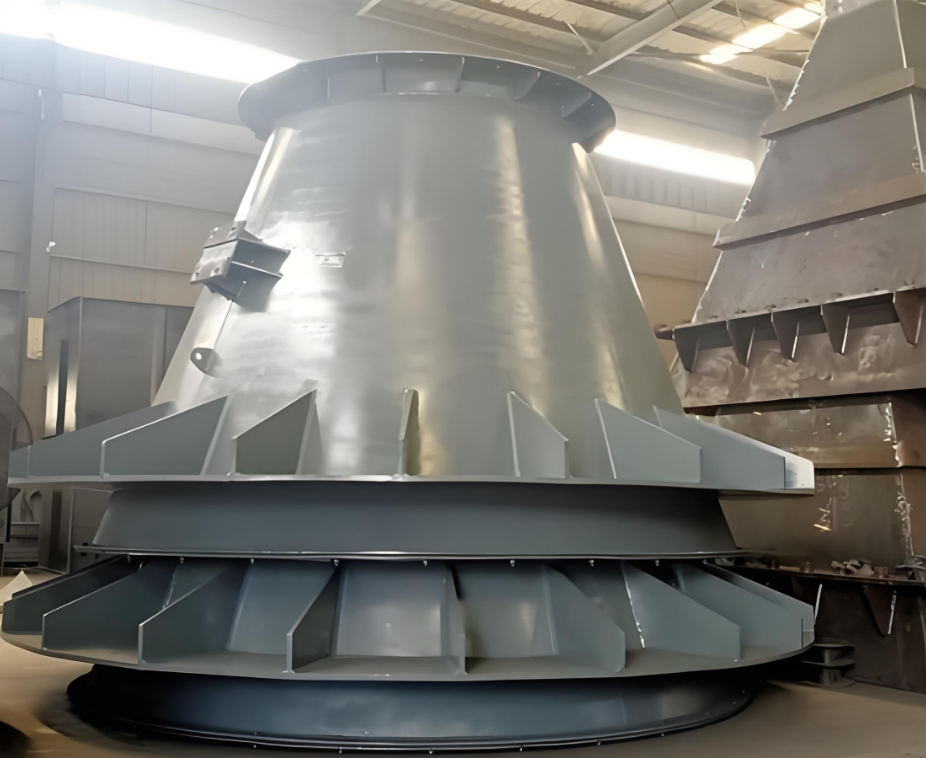
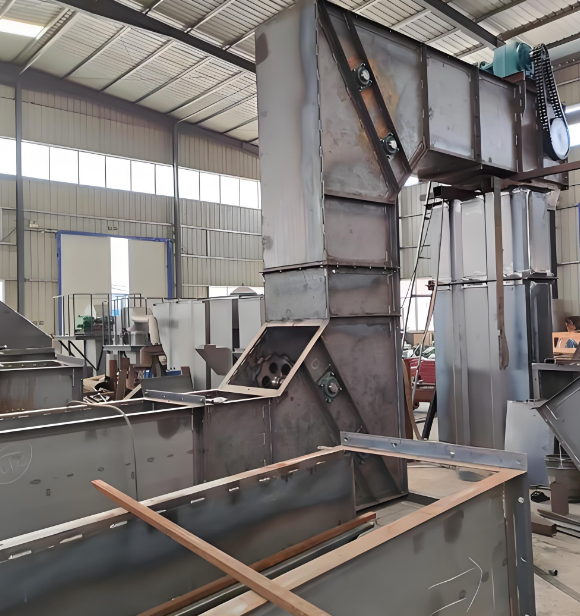

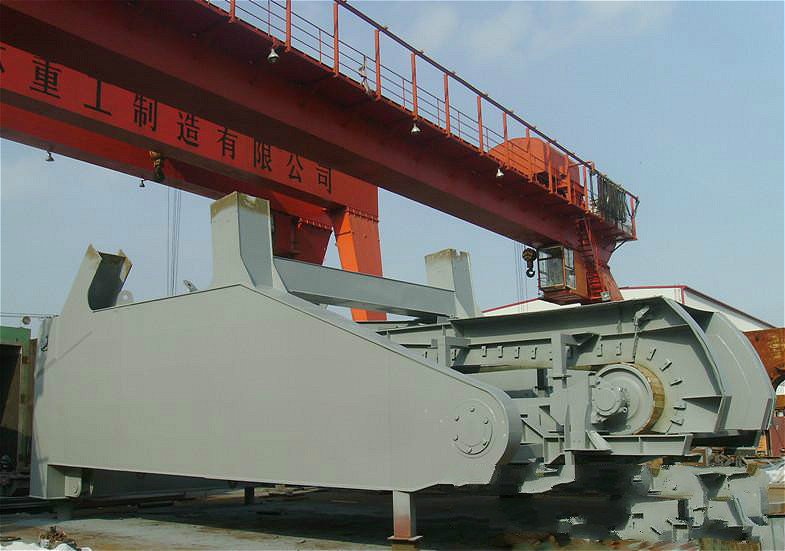
Fu Hong Machinery is located in Yingchengzi Industrial Park, Ganjingzi District, Dalian City, the business philosophy: to establish the basis of good faith, high quality business, service reputation, innovation based! To "thrifty entrepreneurship, honesty, humility, unity and harmony" as the business elements, follow the "quality of survival, reputation and development" as the business philosophy, "integrity, service, communication, progress, pioneering and innovation! "In the process of continuous development, we meet new opportunities and challenges with a new spirit, and return customers with high quality products and perfect service. In recent years, Dalian Fu Hong machinery and equipment and the world's various related units to carry out close exchanges and co-operation, the product innovation and replacement of a series of high-quality high-tech level of machinery and equipment as well as machining products!
.jpg)
Vertical-Horizontal Turning and Milling Machining Centres: A New Option for Improving Machining Accuracy and Efficiency
 1 month ago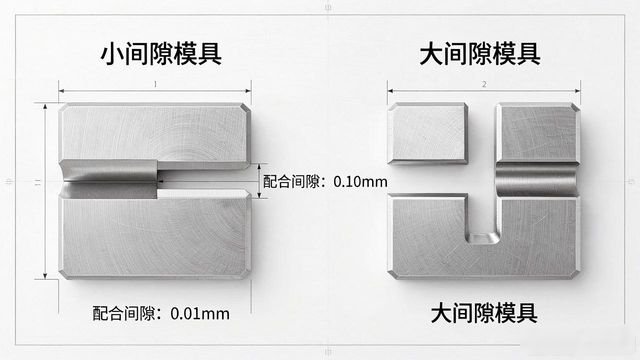
Analysis of Key Process Points in Wire-Cut Machining of Moulds_Thesis on Electronic Mechanics
1 month ago
A Comprehensive Maintenance Guide for CNC Machining Centres: A Must-Read for Factory Operators
1 month ago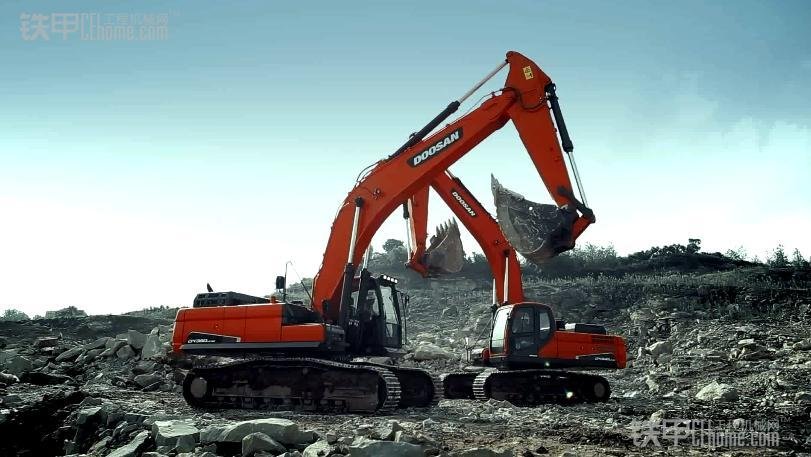
A Brief Analysis of Anti-Corrosion Coating Processes for Construction Machinery and Their Main Equipment
1 month ago
Breaking free from the constraints of mould-making, customised milling machines enable the personalised production of ceramic components
1 month ago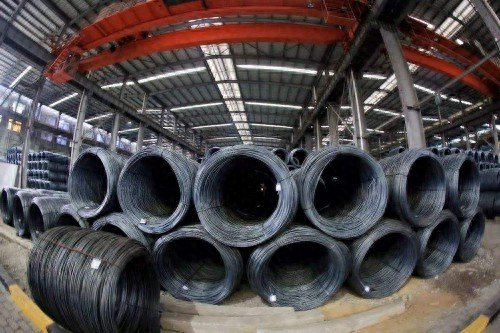
How suitable is 440A stainless steel for making knives? Which type of stainless steel is best for cutlery?
1 month ago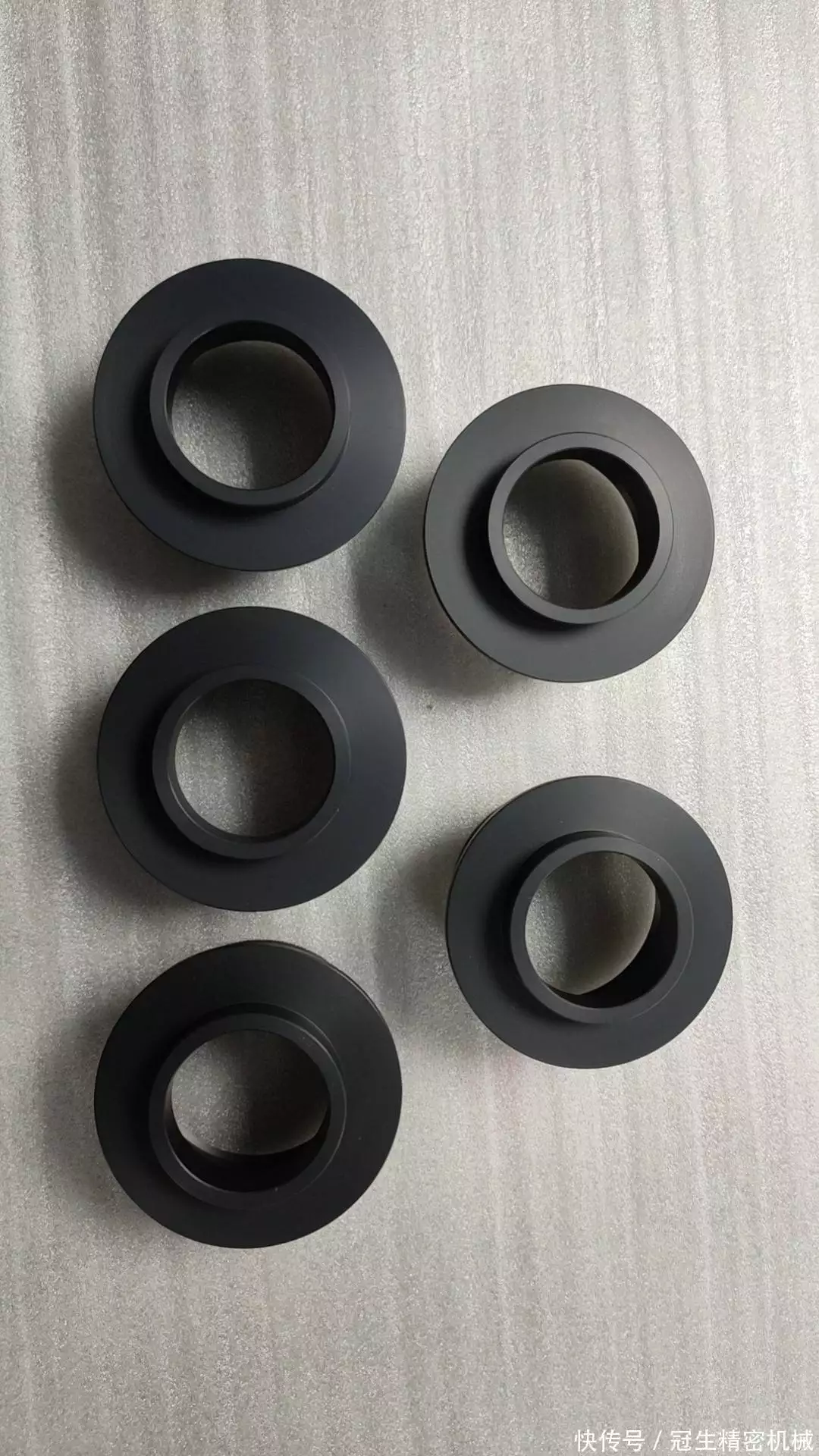
Custom Parts Machining
1 month ago
What are the most commonly used steels for kitchen knives and other cutlery? What are their characteristics, advantages and disadvantages? 50 types of cutlery steel
1 month ago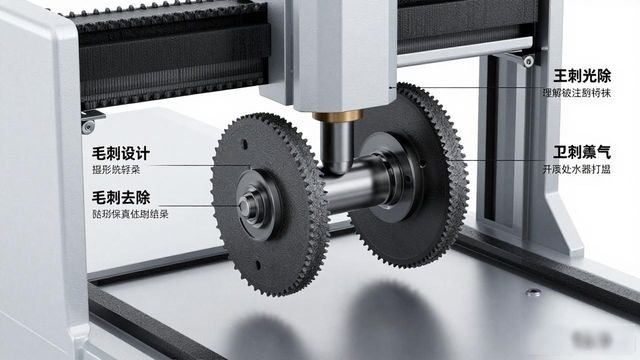
A Method for Manufacturing a Device for the Rapid Removal of Burrs from CNC-Machined Parts
1 month ago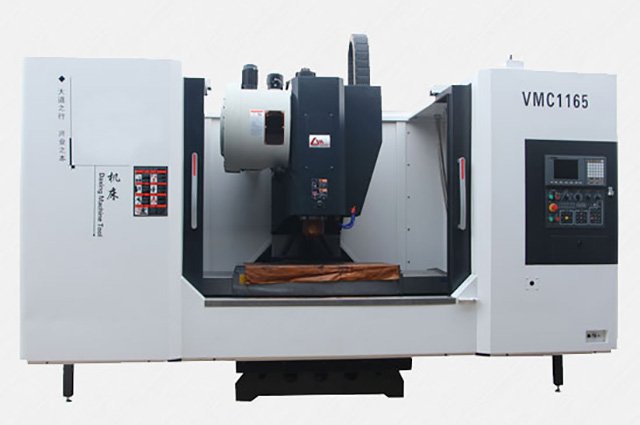
Classification Criteria and Machining Characteristics of CNC Turning
1 month ago Chinese
  Japanese
  English
  German
  Finnish