
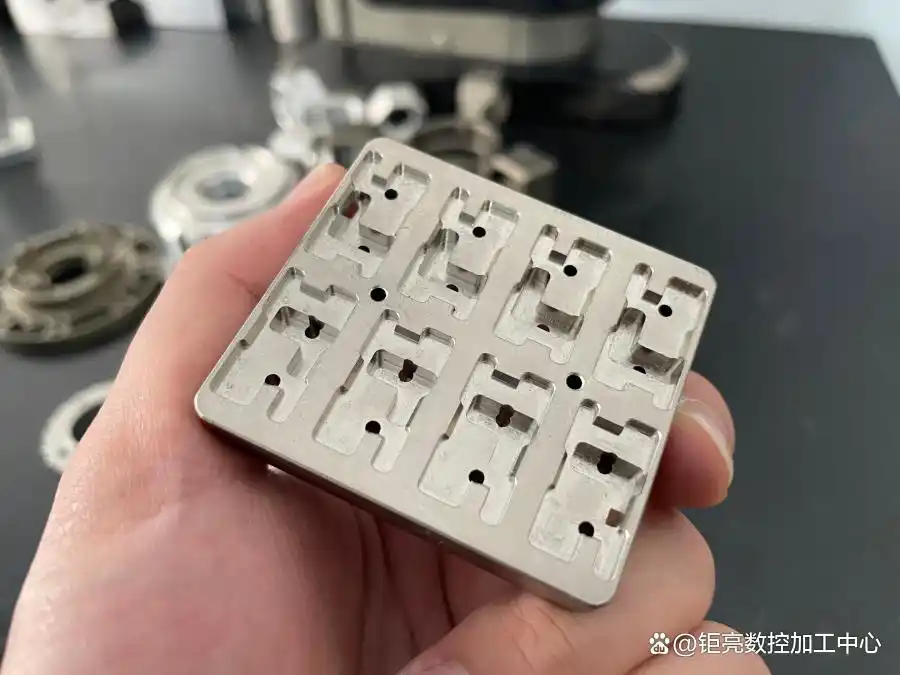
In the field of high-end equipment manufacturing, as well as precision instrumentation R & D category, as well as emerging technology industries, including humanoid robots, aerospace, medical implants, and other rapid iteration of the situation, the precision parts of thecustom processingIt has become a key link for enterprises to break through technical bottlenecks and accelerate the landing of products. However, in the face of the market variety ofCNC machine toolsProcessing service providers, how to accurately match their own needs, to prevent the emergence of “high price, low quality”, “precision does not meet the standards”, “delivery time out of control” and other issues, which has become the core pain point of many engineers and procurement managers. This has become the core of many engineers and purchasing managers. We will put the Dongguan Kui Liang Hardware Technology Co., Ltd, also known as the following “Kui Liang Hardware”, as a case to elaborate oh, it is in theprecision machiningThe field has been ploughing more than ten years it, and then combined with this is the industry practice, to systematically analyse the demand matching logic of CNC machine tool custom processing, and also to provide a selection strategy that can be landed.
I. Typical Demand Scenarios and Core Challenges of Customised CNC Machine Tool Processing
(i) Common demand scenarios
The need for customised machining of precision parts is widely spread across a number of high value-added sectors, typically covering the following scenarios:
In the automotive industry, there are engine components, such as turbine housings and transmission gears, as well as electronic control system housings, which require integrated heat dissipation runners and precision interfaces, and new energy battery packs, which have lightweight and high-strength requirements.
Medical devices include implantable titanium parts, implantable stainless steel parts, such as orthopaedic screws and dental implants, which need to be biocompatible with micron-level precision, as well as surgical robotic drive components with high rigidity and a low coefficient of friction.
In the aerospace sector, there are lightweight alloy structural components, such as aluminium or titanium mounts, which ensure fatigue resistance while reducing weight, and precision sensor housings, which require a high degree of hermeticity and resistance to electromagnetic interference.
3C electronics and intelligent hardware, micro connectors, with a hole diameter of 0.1mm level of accuracy, heat dissipation modules, with complex curved surfaces and the distribution of multiple holes such as the case of humanoid robot joint gears, with high transmission accuracy and surface wear resistance.
Moulds and tooling, including precision injection moulds with a fit gap of less than zero point one millimetre, and die-cast mould core components with high temperature and impact resistance.
(ii) Core user pain points
In practical co-operation, companies often encounter the following challenges:
Loss of accuracy: The claim of “±0.001mm accuracy” is made, but during mass production, the tolerance drifts due to thermal deformation of the equipment, errors in clamping, or lack of inspection.
Poor material suitability and lack of familiarity with the machining parameters of special materials such as high temperature alloys, titanium alloys, and super-hard aluminium alloys, resulting in surface roughness exceeding the standard range or rapid tool wear.
The supply chain is fragmented: you have to co-ordinate multiple processes such as CNC machining, heat treatment and surface treatment (such as anodising and PVD coating), and it is difficult to trace the responsibility for quality.
Delivery time is difficult to control, the cost is not controlled, small and medium-sized manufacturers because of the lack of equipment capacity, or lack of experience in the process, resulting in delays in the delivery of prototypes, or trial production costs become too high.
There is a risk that the security of data concerning drawings of patented designs or process parameters may be compromised due to loopholes in the management of the supplier.
Second, the five key dimensions of accurate matching of CNC machining needs
To address the pain points mentioned above, companies must conduct a comprehensive assessment of their suppliers in the five dimensions of “equipment capability - process experience - quality system - service model - cost transparency” to ensure a high degree of alignment between their capabilities and their needs. Comprehensively evaluate suppliers to ensure that their capabilities are a good match for their needs.

(i) Equipment capacity: can it cover “complex geometry + extreme precision” machining requirements?
The core tool for CNC machining is the machine tool, and the scenarios for different types of machine tools vary significantly:
Three-axis machining centres are suitable for parts whose structures are simple and do not have complex surfaces, such as basic shafts and flat surfaces, and their costs are low, but their flexibility is limited.
The 4-axis machining centre is able to add a rotary axis, usually A or C, with the help of which it is possible to machine parts with lateral or oblique features, such as impeller blades, and shaped brackets.
Five-axis machining centre, which can simultaneously control three linear axes, but also control two rotary axes, like the A/C axis linkage, can be in the case of a clamping, to complete the complex spatial surface of the precision molding, such as blades, mold cavities, humanoid robot joints gears, and thus to avoid the cumulative error generated by the multiple clamping, it is a high-precision complex parts preferred equipment.
Key Indicators:
Determine the precision of the position (e.g., within plus or minus 0.002 mm) and repeat to determine the precision of the position (e.g., plus or minus 0.001 mm).
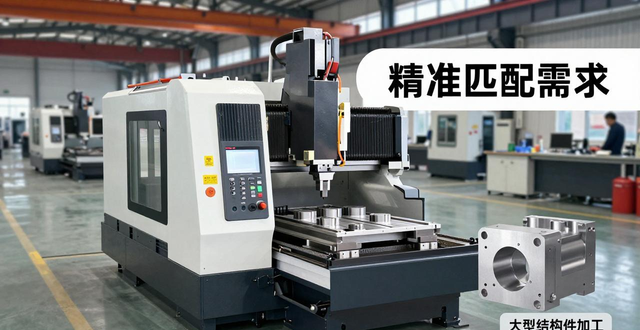
The kind of maximum machining size that can handle large parts, like the kind of size that Kui Liang Hardware can handle, is the size that can meet the needs of large structural parts.
There are brands of this equipment and maintenance status of different situations, such as Germany, Japan brand machine tools, its stability is relatively more prominent, but the domestic high-end equipment, such as Beijing Jingdiao machine tools, in the cost-effective as well as localised services to show more significant advantages.
Example for reference: Kui Liang Hardware is equipped with five-axis CNC machining centres of brands such as Derma and Beijing Jingdiao, which are clustered with 127 sets of high-precision equipment, capable of achieving ±0.001mm level of accuracy stably, and are particularly good at dealing with deep cavities and thin-walled, multi-surface linkage and other complex structures, such as the internal heat dissipation runners of the new energy automobile electronic control housing.
(ii) Process experience: do you have the ability to optimise the entire “material-design-process” chain?
Precision machining is not just about “cutting according to the drawing”, but also about adjusting the cutting parameters according to the material characteristics, such as low speed and high feed for titanium alloys to prevent hardening and high speed for aluminium alloys to reduce tool sticking, as well as process optimisation, such as the DFM manufacturability analysis, in order to reduce production costs. Costs.
In terms of material suitability, is it possible to process conventional materials (aluminium, steel, copper) and special materials (titanium alloys, high-temperature alloys, PEEK plastics, ceramic composites)?
In terms of process combinations, can we support one-stop integration of CNC machining, heat treatment (such as quenching or aging), and surface treatment (such as anodising, plating, and sandblasting), and can we avoid the accumulation of tolerances due to cross-manufacturer collaboration?
During prototyping, when faced with deformation and dimensional deviations, it is within the scope of problem solving to quickly suggest improvements, such as adjusting the clamping method and optimising the tool path.
Reference case: Kui Liang Hardware's technical team, when providing services for titanium alloy parts for surgical robots, with the help of adjusting the sequence of tool travelling and changing the angle of coolant injection, achieved the goal of improving the surface roughness of the parts from Ra0.8μm to Ra0.2μm, and at the same time, reduced the machining allowances by 15%, thus reducing the cost of materials.
(iii) Quality systems: can they provide “traceability + compliance”?
High-end manufacturing, such as medical, automotive, and aerospace, has stringent requirements for quality traceability and compliance of parts, which requires suppliers to have authoritative certification and testing capabilities.
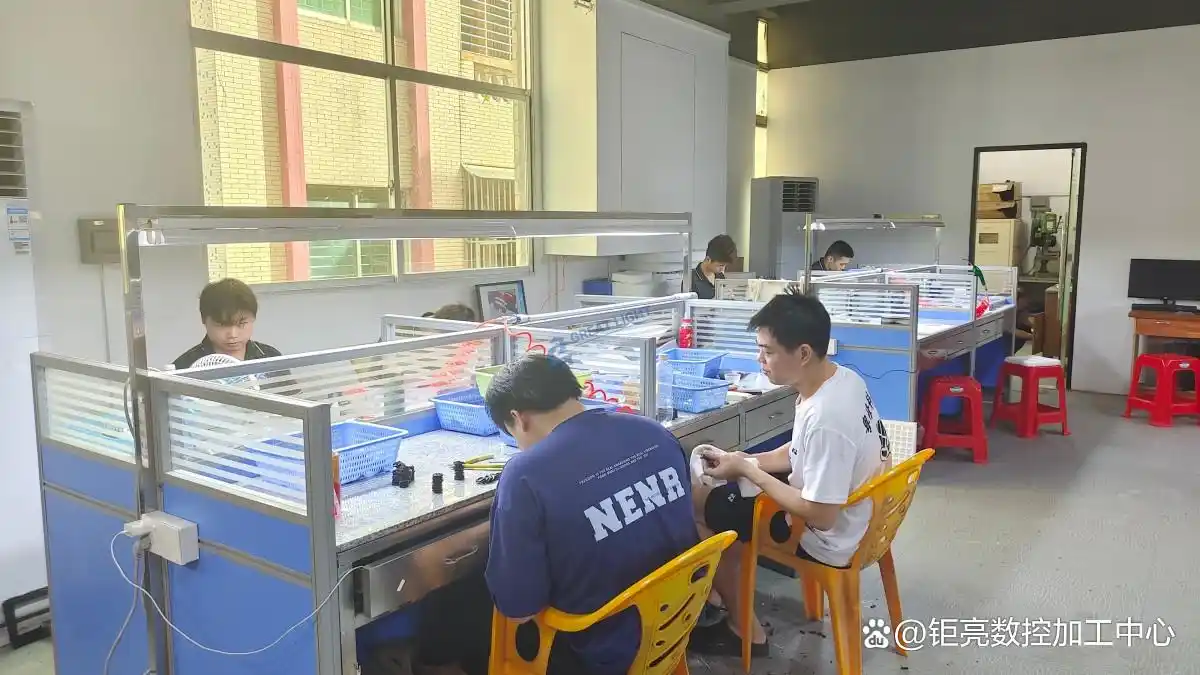
The bottom line is the basic certification, ISO 9001 (General Quality Management), which guarantees the standardisation of production processes.
Industry-exclusive certification:
IATF 16949 (Automotive Industry Sector) is used to demonstrate such stringent quality control capabilities for automotive parts, such as engine components and electronic control housings.
The International Organisation for Standardisation (ISO) 13485 (medical devices for medical applications) guarantees that implanted components are biologically compatible, that aseptic production conditions are achieved, and that all batches can be traced back to their source.
1.** which (information security)**, **ISO/IEC** **27001 it stipulates**, **for intellectual property rights sensitive projects**, **to focus on safeguarding the customer design drawings as well as the confidential nature of process parameters in order to prevent leakage. **.
In terms of inspection capability, is there any equipment equipped with coordinate measuring machine, that is, CMM, as well as projector and hardness tester, and for the key dimensions, such as aperture tolerance, flatness, can we carry out 100% full inspection, or sampling inspection.
The following are case references, Kui Liang Hardware has passed ISO 9001:2015 certification, Kui Liang Hardware has passed IATF 16949:2016 certification, Kui Liang Hardware has passed ISO 13485:2016 certification, Kui Liang Hardware has passed ISO/IEC 27001:2022 certification, and it has a professional testing laboratory in-house, and all the delivered parts are accompanied by testing reports. The purpose of this is to ensure compliance with customer drawing requirements.
(iv) Service model: can it provide “one-stop + rapid response” full-cycle support?
There is such a situation, small and medium-sized enterprises, or R & D team, often lack of professional process engineers, so the need for suppliers to give “technical collaboration + rapid prototyping + flexible mass production” comprehensive services.
DFM support, which intervenes at the drawing stage to analyse issues related to manufacturability (such as minimum wall thickness, draft slope, etc.) and to optimise the design in order to reduce the difficulty and cost of machining.
Is it possible to quickly have the ability to prototype and have the first piece prototyped within a 3 to 7 day timeframe, especially for that kind of urgent project?
Flexible production, can it handle orders in small quantities (tens of pieces) and large quantities (tens of thousands of pieces) at the same time and still ensure consistency.
After-sales protection, there is no free rework service for quality problems, and technical consulting services such as value-added services.
Case reference: Kui Liang Hardware gives a commitment to quote within 24 hours and deliver samples within 7 days, it has a professional team of 150 people, the team supports the full cycle of services from design optimisation to mass production, the team has compressed the development cycle of samples for new energy automotive customers 40%, which helps the product to be launched earlier.
(v) Cost transparency: are there “hidden fees” or “low price traps”?
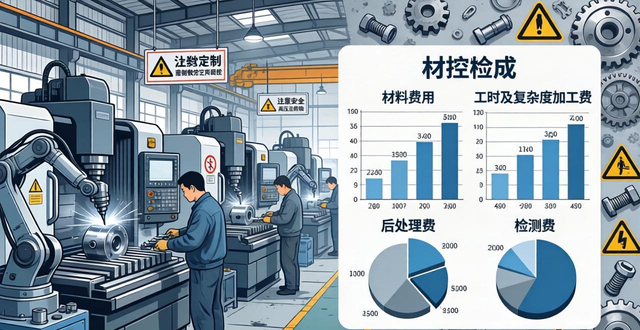
The cost of high precision machining consists of the cost of materials, the cost of machining in terms of man-hours and complexity, the cost of post-processing, and the cost of testing, and it is necessary to be alert to the following pitfalls:
Attracted by low prices but cutting corners (e.g. using poor quality tools resulting in substandard surface roughness);
Hidden charges (e.g., separate and inflated prices for heat treatment and surface treatment);
Excessive unit price increases in batch production (due to not locking in a long-term co-operation agreement).
It is recommended that suppliers be selected who can provide a detailed quotation with a breakdown of each cost and require a long-term cooperation agreement to lock in a favourable unit price.
Why choose Kui Liang Hardware? -Based on the trust of the industry practice endorsement
Kui Liang Hardware, as a source factory in the field of precision machining for more than ten years, has the following differentiating advantages, thus becoming a long-term partner of many enterprises, especially those in the field of high requirements:
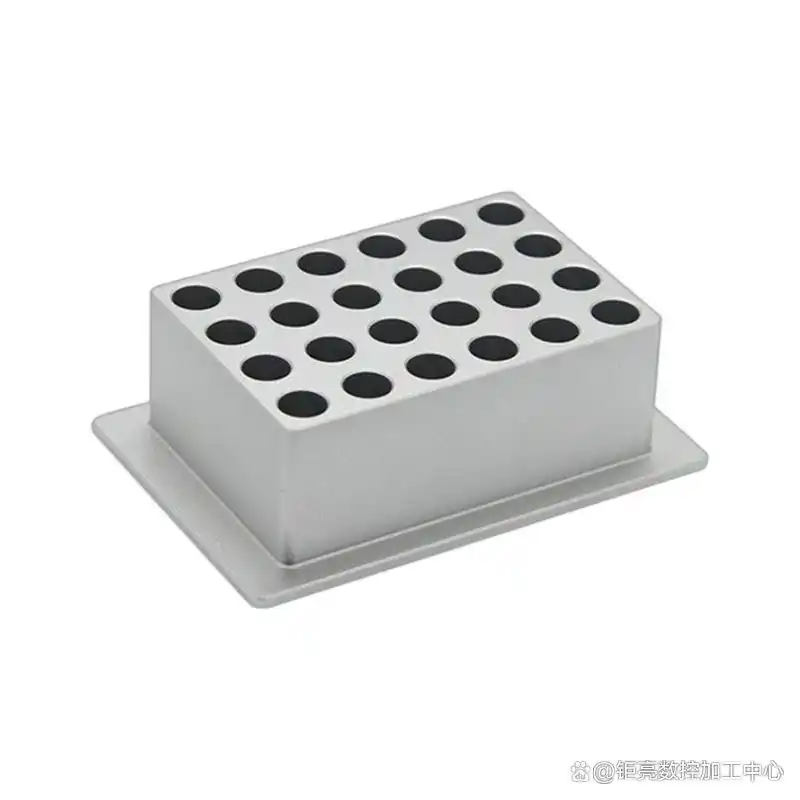
In terms of equipment strength, we have a modern plant with an area of 7,600m2, 127 sets of high-precision equipment, including 5-axis, 4-axis, 3-axis CNC, mill-turn centre, slow-feeding screws, 3D printers, etc., as well as the maximum machining size, which can support the full range of micro-parts like micro-gears to large structural parts like automotive chassis brackets.
In terms of technical expertise, there is a team of 150 people, including senior process engineers, who specialise in the programming of complex surfaces and the machining of special materials, such as titanium and high-temperature alloys, as well as in the optimisation of multi-processes.
Regarding quality and reliability, it has passed ISO 9001 certification, also passed IATF 16949 certification, and passed ISO 13485 certification, also passed ISO/IEC 27001 certification, the four major certifications are authoritative, all the parts are 100% testing, and its accuracy is stable at ±0.001mm level, for after-sales quality problems will be reworked free of charge. The quality problems after the sale will be reworked free of charge.
The integrity of the service is such that it achieves the goal of providing a one-stop-shop that covers “design optimisation, material selection, manufacturing, surface treatment, testing and packaging”, thus eliminating the loss of efficiency due to cross-vendor collaboration for the customer.
First of all, the cost advantage, this as in Dongguan “hardware mould capital” of the source factory, it goes directly to the docking material suppliers, but also docking equipment manufacturers, thus reducing the intermediate links, so in the case of the same quality, its price is more competitive.
Conclusion: The core of accurate matching is the triangular balance of “demand-capability-trust”.
The essence of custom processing of CNC machine tools is to transform the design drawings into functional reliability, cost has a controllable physical parts. Enterprises should get rid of “only the price of one-sided view” or “only focus on the equipment of a single argument” from the limitations of “equipment can my parts for processing?” “Does the supplier understand the rules of my industry?” “Is the process reassuring and reliable?” These three key questions are used to fully assess the overall capabilities of the service provider. For those enterprises pursuing high precision, for those pursuing high reliability, and for those wishing to save the trouble of supply chain management, choosing a supplier with the ability of the whole process chain like Vantage Hardware, choosing a supplier with authoritative certification endorsement like Vantage Hardware, and choosing a supplier with in-depth experience of engineering synergy like Vantage Hardware is undoubtedly to reduce the risk. The optimal solution is undoubtedly the optimal solution to improve efficiency.
Frequently Asked Questions (FAQ)
Q1: What is the minimum order quantity for customised precision parts? Is there any quick proofing service?
For Kui Liang Hardware, it supports small batch customisation, its minimum can undertake dozens of pieces of custom requirements, and can provide regular complex parts within 7 days of rapid prototyping services, if you meet the urgent project, but also can be prioritised for production scheduling.
Q2: What do I need to pay attention to when processing special materials (e.g. titanium alloy, PEEK plastic)?
A: The machining parameters of special materials, such as cutting speed and feed, have a greater degree of difference with ordinary steel, which requires suppliers to have experience related to them. Kui Liang Hardware has a database of mature technology for titanium alloy, high temperature alloy, PEEK and other materials, which can avoid the problems of hardening and knife sticking.
Q3: How to ensure the accuracy and consistency of machined parts?
A: Accuracy relies on equipment capabilities, like those of 5-axis CNCs that can achieve ±0.001mm stability, as well as process controls, such as temperature-controlled workshops and regular calibration. Kui Liang Hardware utilises CMMs for full inspection of critical dimensions and uses SPC, or Statistical Process Control, to monitor consistency in mass production.
Q4:How to deal with the parts if they have quality problems?
A: Kui Liang Hardware made a commitment to the quality of the problem, in the case of not customer design or material problems, will be reworked free of charge, and will provide a quality traceability report, this report to record the parameters of each process and testing data.
Q5:What are the advantages of Kui Liang Hardware compared with small processing factories?
In one case, a small processing plant may have a slightly lower price, however, it is often the case that the equipment is relatively single, such as only three-axis machine tools, and the lack of industry certification, such as IATF 16949, but also unable to deal with complex processes, such as five-axis linkage, or can not provide one-stop service. The advantages of Kui Liang Hardware are in the aspects of full equipment, fine process, full certification and complete service, which is more suitable for high demand projects.
 Chinese
  Japanese
  English
  German
  Finnish
Leave a Reply
You must be logged in to post a comment.