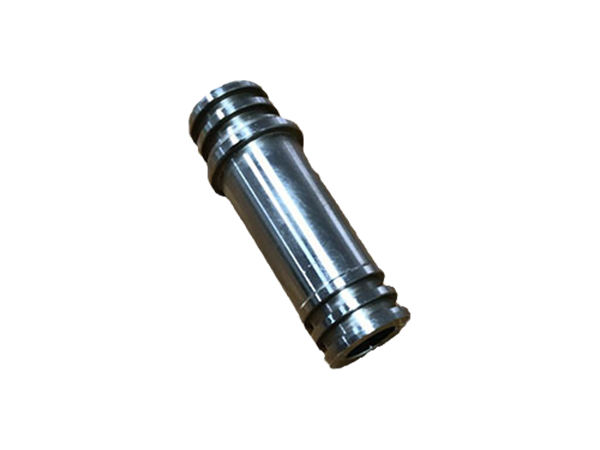


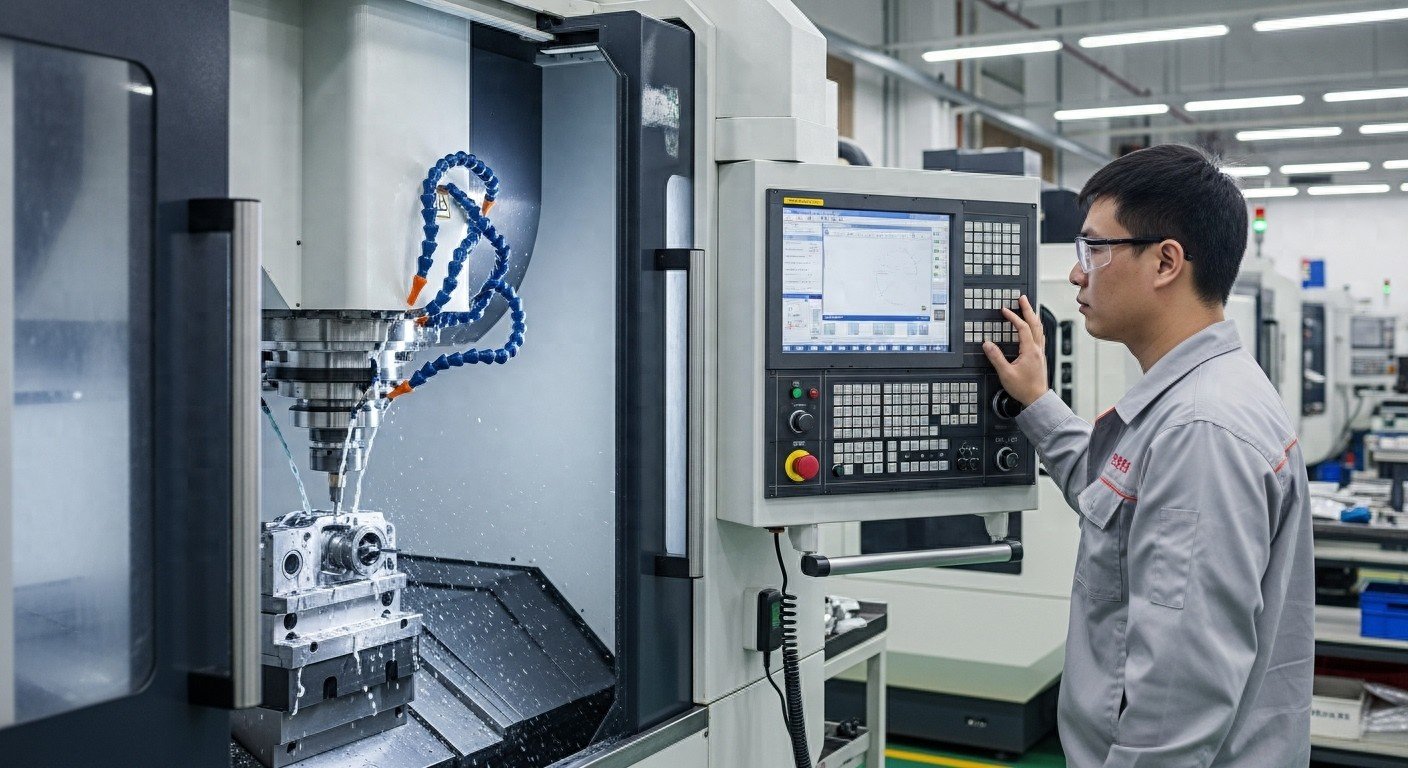
The processing of non-standard specification precision parts is a process of processing and manufacturing various types of materials based on customer-specific design drawings or technically required standards. It is a process that aims to produce parts that are not of standard specifications, but also have high precision requirements. Next, I will introduce the detailed description of the description. Non-standard precision parts processing commonly encountered in the common surface treatment methods are as follows:
![图片[1]-分析关于非标合肥精密零件加工时有哪些表面处理方式?-大连富泓机械有限公司](/wp-content/uploads/2026/04/1775477882157_0.png)
galvanise
First of all, there is a principle, it is with the help of electrolysis, on the surface of the parts deposited a layer of metal or alloy plating, which improves the corrosion resistance of the parts, to enhance its wear resistance, improve its electrical conductivity and other attributes, while at the same time, but also be able to improve the appearance of the parts.
Usage: It is widely used for various metal parts, such as automotive parts and electronic components. For example, hard chrome plating on the piston rings of automobile engines improves wear and corrosion resistance, and tin or silver plating on the pins of electronic components improves electrical conductivity and solderability.
chemical plating
Firstly, the principle is that a metal or alloy layer is deposited on the surface of the part by using a chemical reaction, and no external electrical energy is required. In addition, the uniformity of the layer formed by chemical plating is excellent, which is a unique advantage for parts with complex shapes that are difficult to plate.
Use: Often used for metallisation of non-metallic parts such as plastics, ceramics, etc., and also used for some metal parts with high precision and uniform plating requirements. For example, in the plastic material of mobile phone shell for chemical nickel plating operation, can make it have metal appearance and good electromagnetic shielding performance.
anodic oxidation
Firstly, an object, which is a metal part, is used as an anode, and the metal part used as an anode is placed in an electrolyte, and an oxide film is formed on the surface of the metal part with the help of the effect produced by electrolysis. Then, the anodic oxide film has good corrosion resistance, wear resistance, and insulating properties, and it can also be dyed to obtain a variety of colours, thereby improving the decorative properties of the parts.
Application: It is mainly used for surface treatment of aluminium and aluminium alloy parts, such as in the aerospace industry, the aluminium alloy structural parts of the aircraft are often treated with anodic oxidation treatment, which is aimed at improving their corrosion and wear resistance, and at the same time reducing weight, and in the construction industry, the aluminium alloy windows and doors not only have a beautiful appearance, but also have a good weather resistance after the anodic oxidation treatment.
Electrophoretic coating
The principle of this type of coating is that the parts are placed into the tank containing electrophoretic paint, which contains different components such as pigments and resins, and the parts are treated as electrodes. Under the action of the electric field, the charged paint particles move towards the surface of the parts and are deposited on the surface of the parts, eventually forming a uniform film of paint. Electrophoretic coating has the characteristics of uniform coating, strong adhesion, and good corrosion resistance, and its production efficiency is relatively high, causing less pollution to the environment.
Usage Scenario: It is often used for painting the surface of metal parts such as automobile body and home appliance shell, for example, after electrophoretic painting, the automobile body can shape a layer of uniform and dense paint film on the surface of the body, which can effectively prevent the body from rust and corrosion, and at the same time, it can also provide excellent basic conditions for the subsequent spraying process.
spray moulding
The process is that the plastic powder is sprayed onto the surface of the part by means of a spray gun and then cured by heat to form a plastic coating. The sprayed coating has good corrosion resistance, abrasion resistance and decorative properties, and different colours and glosses of plastic powder can be selected as required.
Application, in many metal parts have a wide range of applications, these metal parts cover furniture, machinery parts and construction hardware, etc., such as those metal frames of furniture, after plastic spraying treatment, it not only has a beautiful appearance, but also able to prevent rust and avoid wear and tear, thereby enhancing the use of furniture for a long period of time.
burnish
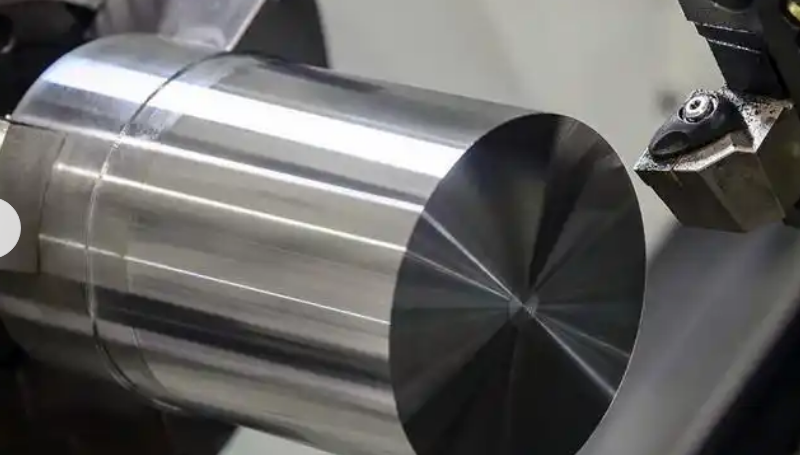
Definition: Mechanical or chemical-mechanical processing of the surface of a part by the use of polishing tools and polishing agents to remove microscopic surface irregularities, thereby improving the surface finish and gloss. Polishing can be divided into mechanical polishing, chemical polishing and electrolytic polishing.
In terms of application, it is often used for various precision parts, including optical lenses, moulds and jewellery. For example, optical lenses need to undergo a high-precision polishing process to obtain a flat and smooth surface, which ensures that it has good optical properties; the surface of moulds can improve the release performance of the moulds and the surface quality of the parts after the polishing operation.
passivation
Principle: With the help of chemical or electrochemical methods, so that the surface of the parts to generate a layer of passivation film, in order to enhance the corrosion resistance of the parts, passivation film can block the metal and the external medium of contact, thereby slowing down the rate of corrosion of the metal.
Role: It is often used in the surface treatment of stainless steel and copper parts. For example, after the passivation treatment of stainless steel parts, it can enhance its corrosion resistance in harsh environments, thus preventing the surface from rusting and pitting; in the scope of the electronics industry, the passivation treatment of copper parts can prevent oxidation on the surface to improve electrical conductivity and weldability.



 Chinese
  Japanese
  English
  German
  Finnish
No comments