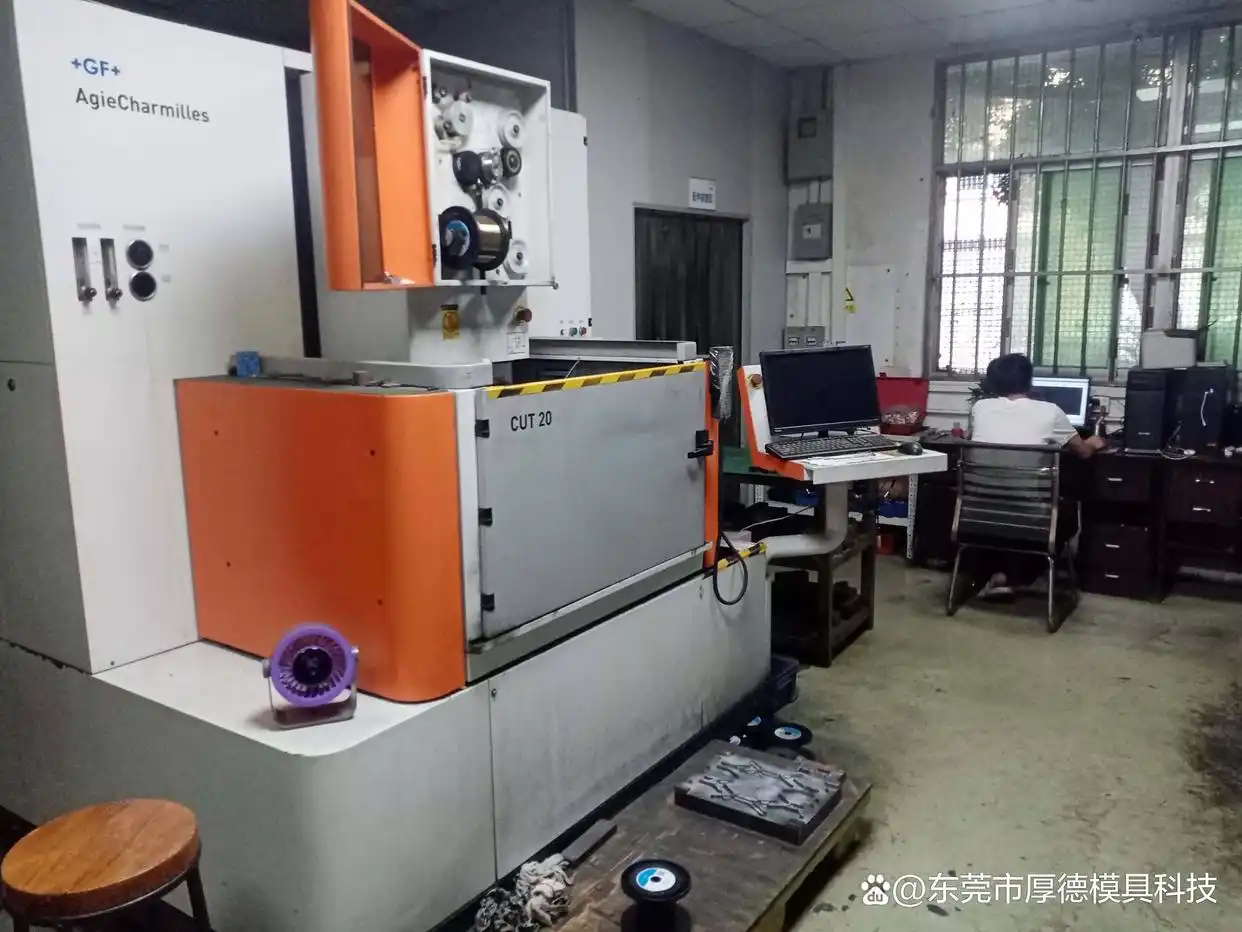


Dongguanmachining::precision manufacturingCraftsmanship and the Future
Dongguan as a key area of the manufacturing industry, the development of the machining industry has always been in the spotlight, machining is the use of machinery and equipment for metal or other materials to carry out cutting, drilling, grinding and other processing, so as to create parts or products to meet the design requirements, this industry is widely used in the automotive, electronics, moulds and other fields, the technical level of its direct impact on the accuracy of the product as well as the quality of the article will be This article will focus on the core process of machining, common technologies and industry trends to be introduced.
#1. Core Processes for Machining
There are a wide variety of machining processes, and the following are a few common techniques:
(1) Turning
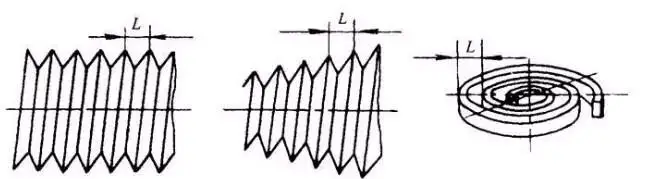
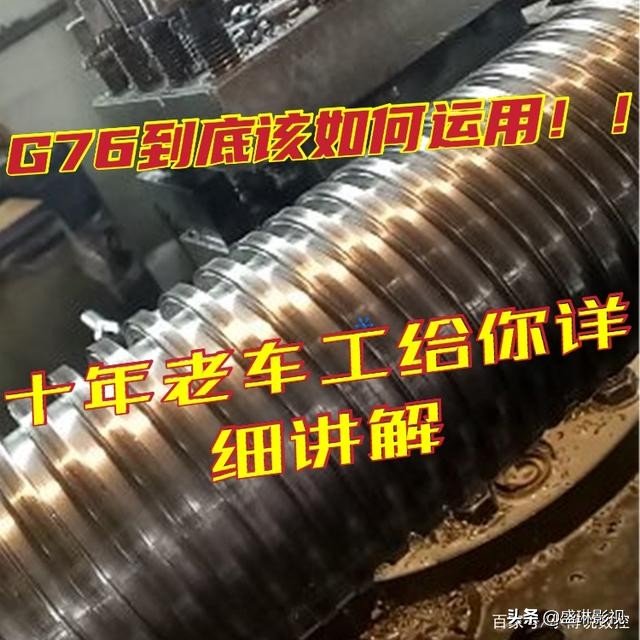
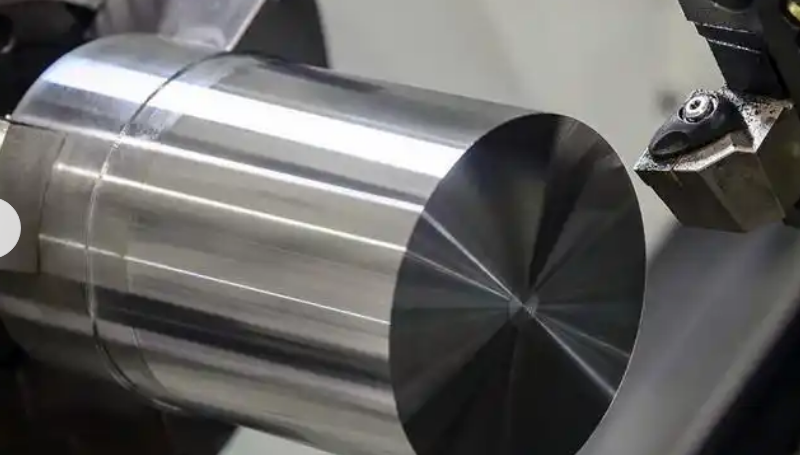
One such process is turning, which is done by rotating the workpiece and cutting the material with a tool, this process is mainly used for machining cylindrical or conical parts. The lathe is the core equipment for this process and it is capable of fulfilling a wide range of machining requirements such as external rounds, internal holes, threads and so on.
(2) Milling
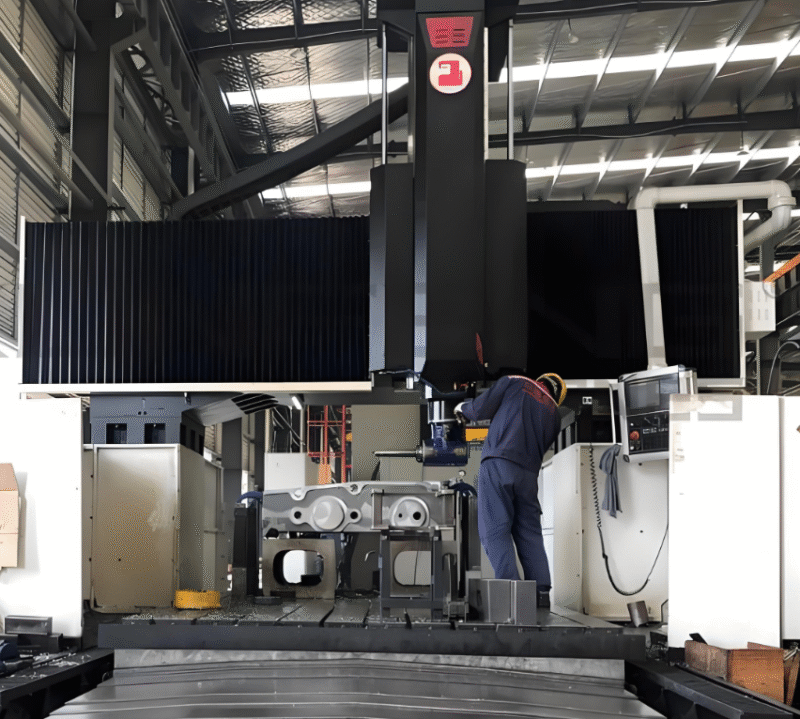
The tool is rotating and has multiple edges, it will carry out cutting work on the workpiece, this is milling, it is suitable for processing planes, grooves and gears and other objects with complex shapes, after the emergence of CNC milling machine, the machining efficiency can be further improved, the accuracy has also been further improved.
(3) Grinding
Fine processing of the surface of the workpiece, the use of grinding wheels to grind, so that you can achieve high precision and low roughness of the requirements put forward is what it looks like, it is widely used in such scenarios, such as the processing of precision parts, as well as cutting tool sharpening in this case.”. The company's newest product is a new product that will be used in a variety of applications.
(4) Drilling
Drilling operations for the machining of round holes in workpieces can be carried out with the aid of drilling machines or machining centres, and special processes such as deep drilling and reaming can be used to meet different requirements.
(5) Wire-cut processing

Wire EDM cuts metal by means of the principle of electric spark discharge and is suitable for materials with high hardness or for precision machining of workpieces with high complexity of shape, e.g. in the manufacture of moulds and dies.
#2. Key equipment for machining
Machining is not possible without the support of advanced equipment, the following are several common processing equipment:
(1)CNC machine tools(CNC)
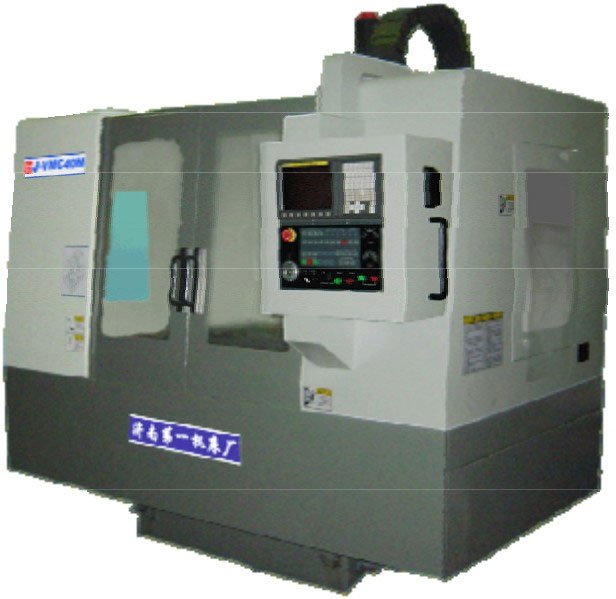
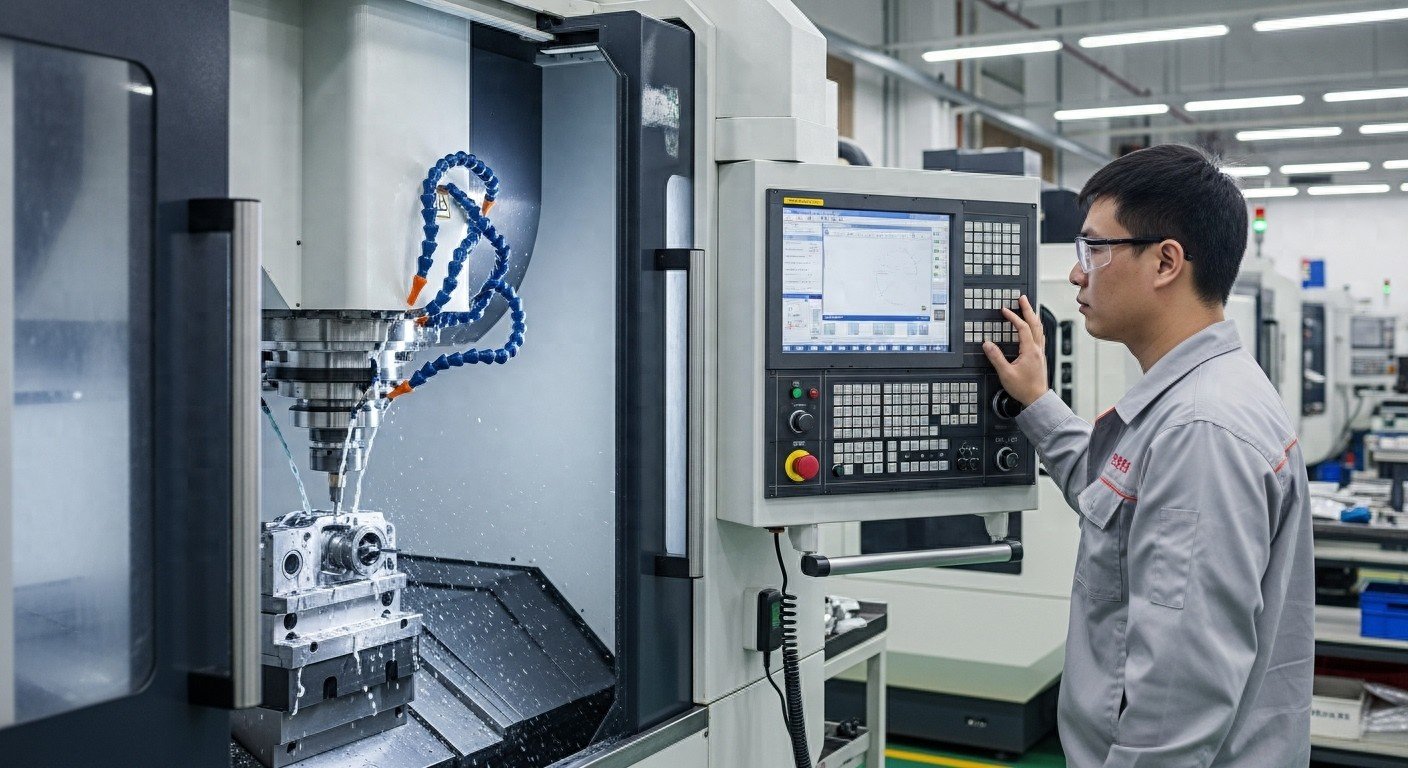
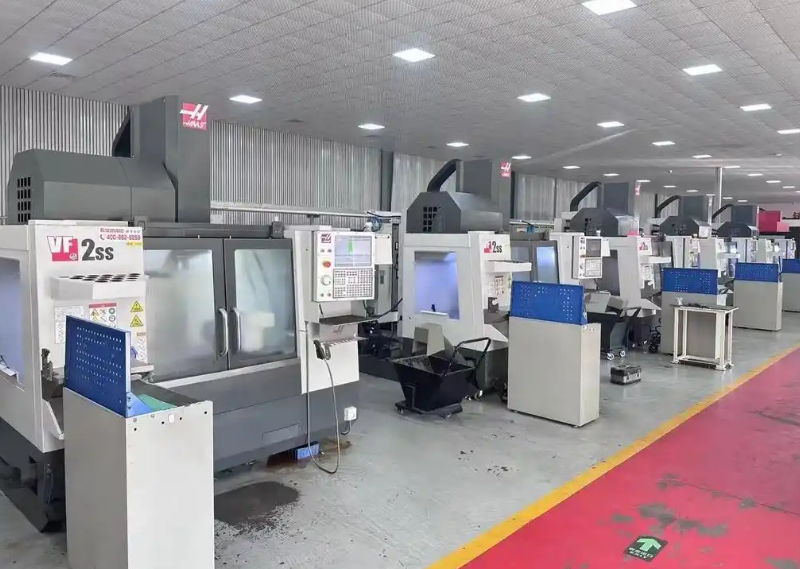
CNC machines control the machining process with the help of a computer programme, which can achieve high-precision machining of complex parts and significantly improve productivity and consistency.
(2) Machining centres
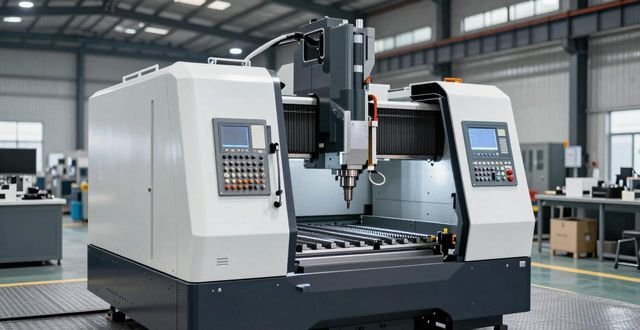
A machining centre that combines milling, drilling, and tapping functions in one, and has an automatic tool change system, is suitable for multi-process machining.
(3) Turning and milling machines
Combining turning and milling functions, mill-turn machines are able to perform multiple machining operations on a single machine, thus reducing the number of clamping operations and improving accuracy.
(4) Laser cutting machine
Laser cutting using a high-energy laser beam to cut sheet metal is suitable for high-precision, high-speed processing of thin plates.
#3. Material selection for machining
There are differences in material properties which have a direct impact on the choice of machining process, the following are a few common materials used for machining:
(1) Steel
Carbon steel, this material, the hardness is relatively high, alloy steel such materials, the hardness is also high, they are suitable for turning this process, but also suitable for milling this process, and in the manufacture of mechanical parts have a wide range of applications.
(2) Aluminium alloy
Aluminium alloys are lightweight and easy to process, and are commonly used in electronic housings and automotive parts.
(3) Stainless steel
Stainless steel has strong corrosion resistance, however, its machining is more difficult to select the appropriate tool and cutting parameters.
(4) Copper and copper alloys
Copper material has good electrical conductivity and is suitable for the processing of electronic connectors, heat sinks and other products.
(5) Engineering plastics
Plastics such as nylon and POM can be machined to make insulating parts or lightweight structural components.
#4. Machinedquality control
The quality of machining, will have a direct impact on the performance of the product, but also will be related to the life of the product, the following there are several key control points.
(1) Dimensional accuracy
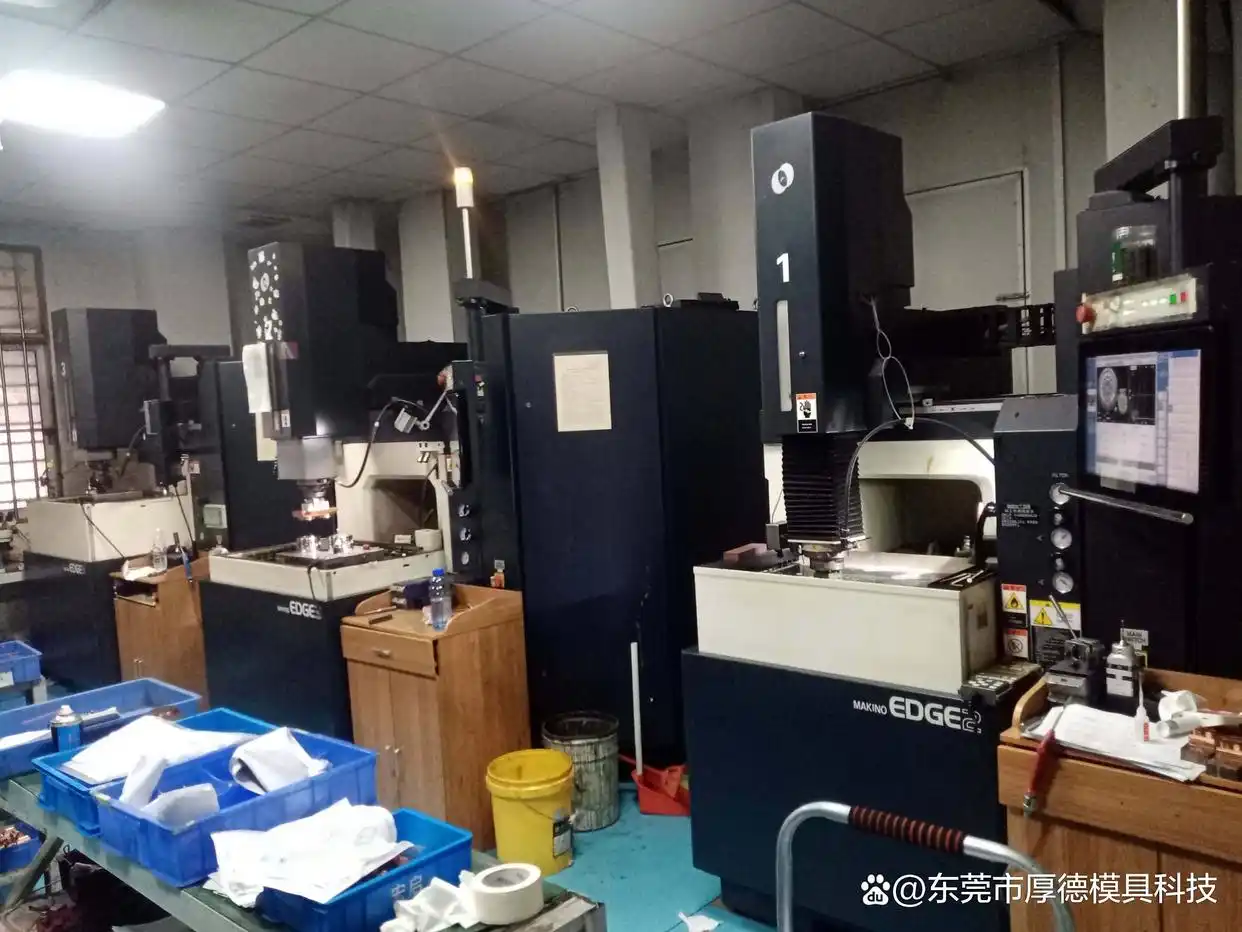
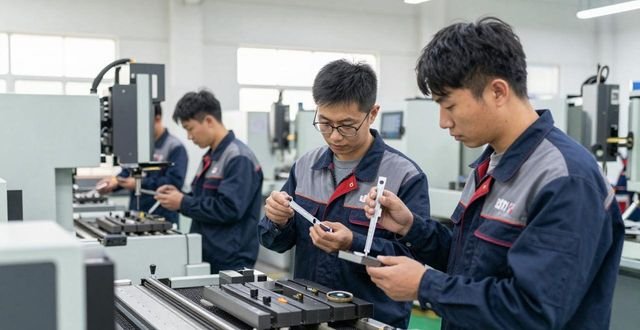
Precision measuring tools, such as micrometers and CMMs, are used to ensure that the dimensions meet the design requirements.
(2) Surface roughness
Selection of appropriate cutting parameters and tools to minimise burrs and enhance surface finish.
(3) Form and Position Tolerance
It is necessary to make sure that the parallelism and perpendicularity of the parts are within the permissible tolerances to prevent assembly problems.
(4) Material handling
Some parts are subjected to heat treatment or surface treatment, such as plating and oxidation, in order to increase their wear resistance or enhance corrosion resistance.
#5. Future Trends in the Machining Industry
As technology develops, the machining industry is evolving towards greater efficiency and intelligence:
(1) Automated production
The application of robots and automated assembly lines reduces manual intervention and improves production stability.
(2) Digital management
Optimise machining parameters through data acquisition and analysis for more precise process control.
(3) Green Manufacturing
Reduced energy consumption and pollution are the result of the spread of energy-saving equipment and environmentally friendly cutting fluids, which have been realised at the time of production.
(4) Customised services
The flexible production model of small-lot, multi-variety is gradually gaining popularity to meet individual needs.
# Conclusion
In the manufacturing industry, machining is one of the basic technology categories, the result of its technical level, for the product quality and performance of the product plays a direct role, product quality and performance is closely related to this, starting from the traditional turning and milling technology, has been to the modern CNC technology here, machining has always been in the process of continuous evolution, which is for a wide range of industries to supply the performance of precision accuracy, reliability and trustworthy parts and components in the future stage with automation and digital development towards the direction of progress, this industry will usher in a greater number of innovative opportunities, whether engaged in this industry or related fields. In the future, with automation and digitalisation moving forward, this industry will usher in a greater number of opportunities for innovation. Whether you are engaged in this industry or in a related field, as long as you have an understanding of the machining process and development trends, it will help you to better grasp the direction of the manufacturing industry, and this help is present and positive. The help is there, is positive.



 Chinese
  Japanese
  English
  German
  Finnish
No comments