

CNC machiningAdvantages and applications of the technology: what's it really like?
How is CNC? (How is CNC?) Quotes ()
in modern timesservice industryIn the beginning, computer numerical control, also known as CNC technology is rapidly emerging into one of the core technologies of many industries, CNC technology not only improves production efficiency, but also enhance the accuracy and consistency of the product, this article will explore in-depth the working principle of the CNC technology, as well as the advantages and disadvantages, and theAreas of applicationand future trends.
How CNC works (The of CNC)
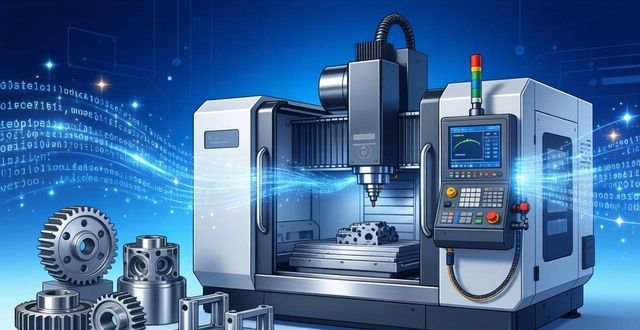
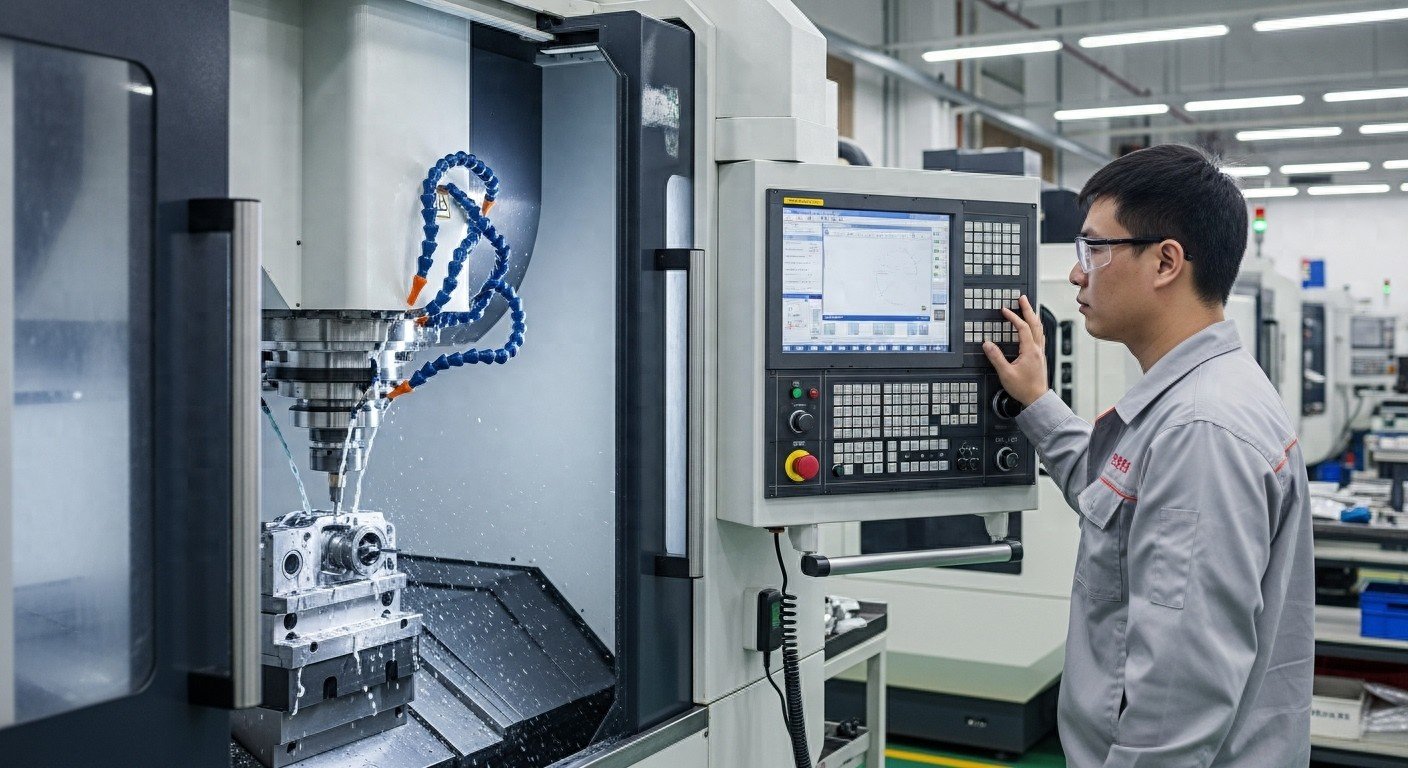
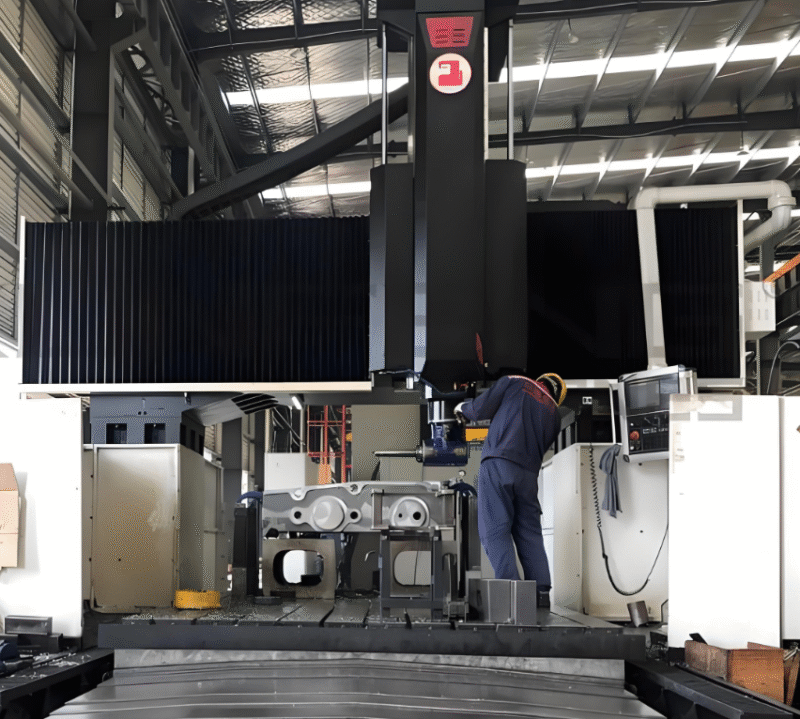
Computer-controlled machinery and equipment as the core of CNC technology, the use of computer programmes to enable the CNC machine tool to automatically perform a series of complex machining operations, specifically, the CNC system will design drawings into the numerical control commands, and these commands can be guided by the machine tool movement, cutting and machining process.
1. Design and programming ( and )
At the beginning of CNC machining, engineers use computer-aided design, or CAD, software to build a three-dimensional model of the product. This model is then transformed into a CNC programme in computer-aided manufacturing, or CAM, software, which produces specific G-codes that instruct the machine tool how to move and machine the material.
2. Processing ( )
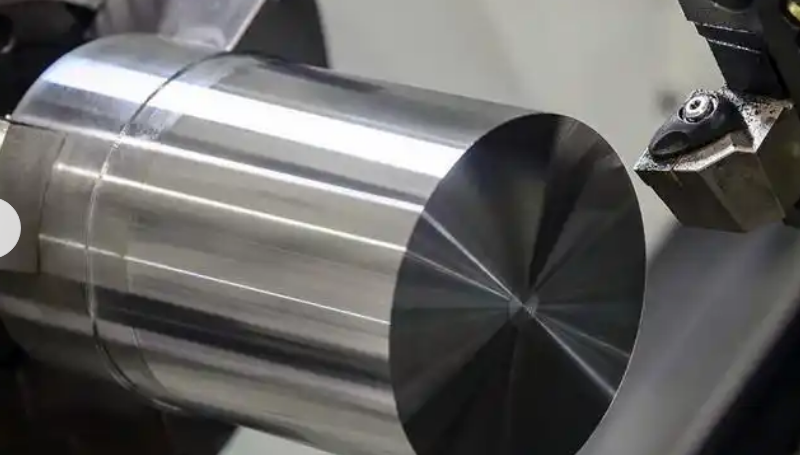
Once the programme is ready, the CNC machine is ready to start machining. The machine automatically adjusts the position of the tool and the cutting speed according to the instructions given in the G-code, in order to achieve precise and accurate machining results. The entire machining process consists of milling, turning and drilling.
3. Monitoring and feedback ( and )
During the machining process, the CNC system monitors the status of the machine in real time, and in the event of any abnormalities, the system will immediately issue an alarm to ensure that the machining process can proceed safely and smoothly.
Advantages of CNC
CNC technology cannot be widely used without its many advantages, some of which are listed below:
1. highly accurate (High )
CNC machines have the ability to achieve micron-level accuracy, which has led to their widespread use in aerospace, medical equipment and other industries that demand the highest levels of precision.
2. Coherence ()
CNC machining ensures that every product is the same size and shape as compared to traditional manual machining. Consistency in size and shape is very important for mass production.
3. automatic ()
The ability of CNC machines to achieve automation reduces the risk of human error by reducing human intervention, which not only improves productivity but also saves on labour costs.
4. Flexibility ()

CNC systems can be adapted to different product designs with simple programming changes, and are suitable for small-lot and diversified production.
5. Security ()
The majority of CNC machine tool operations are automated, which reduces the opportunity for workers to come into direct contact with hazardous machinery, thereby increasing safety in the workplace.
Disadvantages of CNC ( of CNC)
Despite the many advantages of CNC technology, there are some disadvantages and challenges:
1. High Cost
The initial investment in CNC machines is high, especially for high-end equipment. In addition, the need for specialised personnel to maintain and operate the CNC machine adds to the cost.
2. Technology dependence ( )
Numerically controlled machining, which is highly dependent on computer technology, can bring production to a standstill in the event of a system failure.
3. Learning Curve
Operating a CNC machine requires a certain amount of expertise and skill, and for those who are just starting out, it will likely take a longer period of time to master the technology.
4. Material restrictions ( )
Not all materials are suitable for CNC machining, and some materials that are hard or brittle may be difficult to machine.
Areas of CNC application ( of CNC)
CNC technology is used in a wide range of industries, and the following are some of the main areas of application.
1. Aerospace ()
In the aerospace industry, CNC technology is used to manufacture complex components such as engine parts and fuselage structures. These components generally require a high degree of precision and consistency.
2. Automobile manufacturing ( )
In automotive manufacturing, CNC technology is used to machine engine components, as well as bodywork and interior trim, etc. The high efficiency and precision of CNC technology makes the automotive production process much smoother.
3. Medical equipment ( )
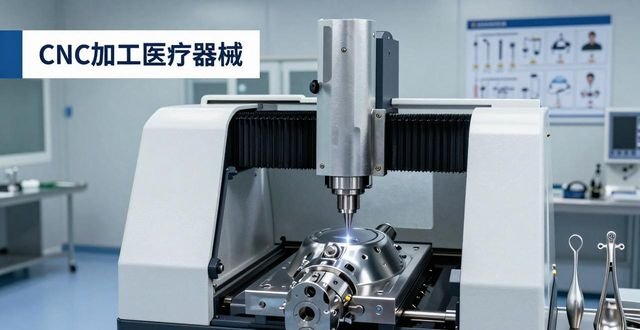
The manufacturing of medical instruments requires a high degree of precision, and CNC technology is widely used in the production of surgical instruments and implanted objects.
4. Mould manufacturing (Mold)
CNC technology plays an important role in mould manufacturing, as it allows for the rapid production of high-precision moulds and shortens the production cycle.
5. Furniture manufacturing ( )
In the field of furniture manufacturing, CNC technology has the ability to achieve complex designs that improve the aesthetics and functionality of the product.
Future Trends of CNC ( of CNC)
As technology continues to advance, CNC technology also continues to evolve, and the following are some of the trends for the future.
1. Applications of artificial intelligence ( of )
In the future, artificial intelligence will be integrated more and more frequently into CNC technology, and intelligent CNC systems will be able to learn on their own and optimise the machining process in order to increase productivity.
2. Integration of the Internet of Things ( of of )
Thanks to the Internet of Things, CNC machines can be monitored and managed remotely, making the production process smarter and more efficient.
3. Application of New Materials ( of New )
As new materials continue to emerge, CNC technology will have the ability to adapt to a wider variety of materials, thus broadening its range of applications.
4. Green manufacturing
In the future, CNC technology will focus more and more on environmental protection, to develop more energy-saving and environmentally friendly processing methods, and thus reduce the waste of resources in the production process.
Conclusion ()
In conclusion, CNC technology plays an indispensable role in the modern manufacturing industry. Despite some challenges and shortcomings, its high precision, efficiency and consistency have made it the preferred method of machining in many industries, and with continued technological advances, the future of CNC will be even brighter, and will surely bring more innovations and changes to the manufacturing industry.




 Chinese
  Japanese
  English
  German
  Finnish
暂无评论内容