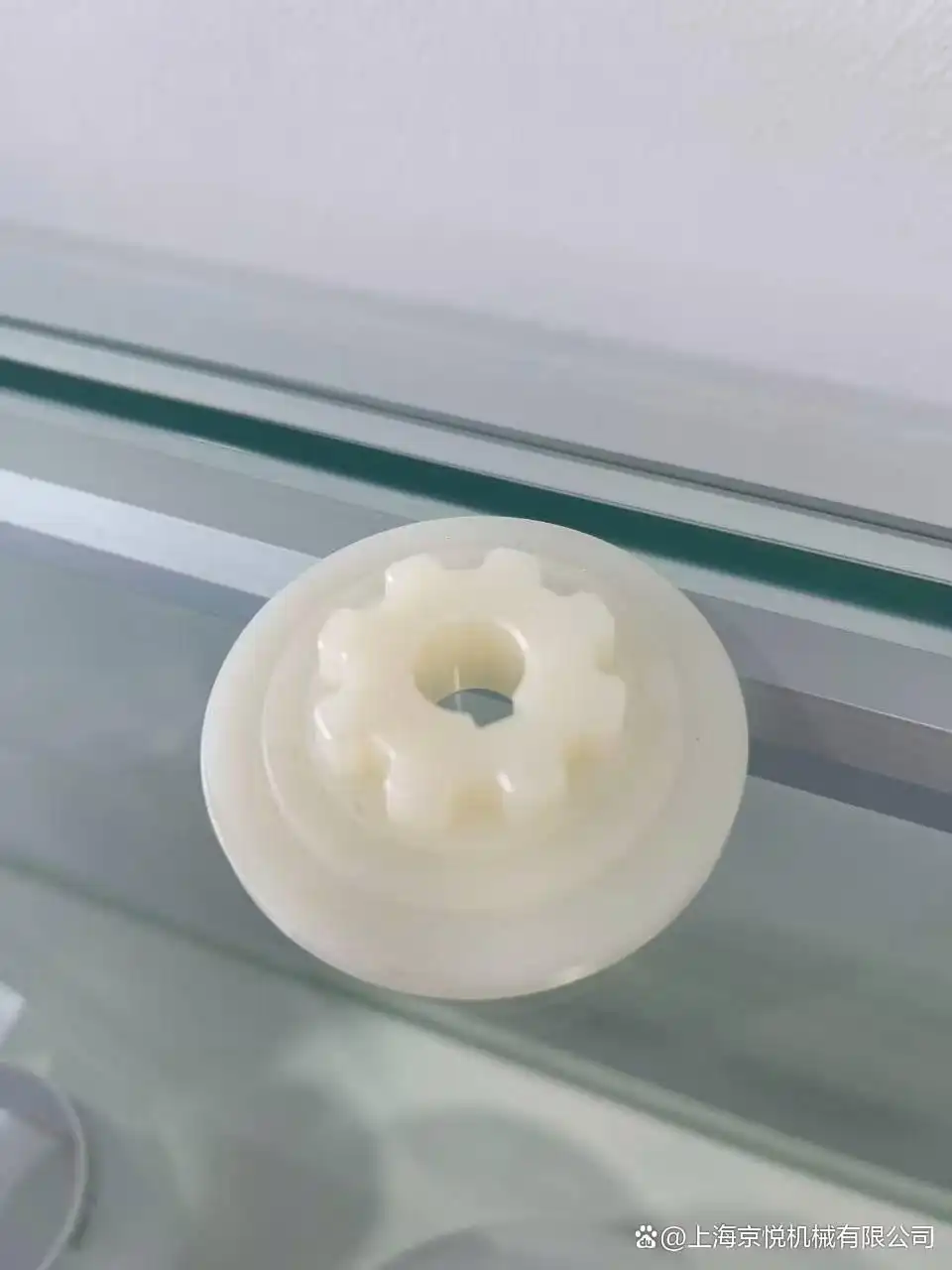


I'm going to tell you about it today.machiningOEM production of this matter, many friends may have heard of this term, but do not quite know what it exactly refers to, in short, machining is an enterprise parts or products of the mechanical processing part of the entrusted to the professional external to achieve a form of cooperation, I will start from a number of aspects of the next elaboration.
I. Basic concepts of machining subcontracting

Machining exists as a substitute production of this kind inservice industryIt is a common form of collaboration, which refers to a company that has a product design or market demand, but lacks the capacity to process the product itself, or makes the choice to entrust the processing task to a specialised machining company for cost-effective considerations.
The key point of this model is the specialised division of labour, whereby the commissioning company is able to focus on its core business such as product development and market development, while the processing company provides high-quality processing services by virtue of its professional equipment and technological accumulation. For example, there is a company designed a new gear, but it does not have the corresponding CNC machine tools and skilled craftsmen, in this case to find a gear processing experience of the foundry is quite reasonable choice.
II. Main types of machining substitution
Depending on the type and complexity of the process, machining substitutions can be divided into several common types:
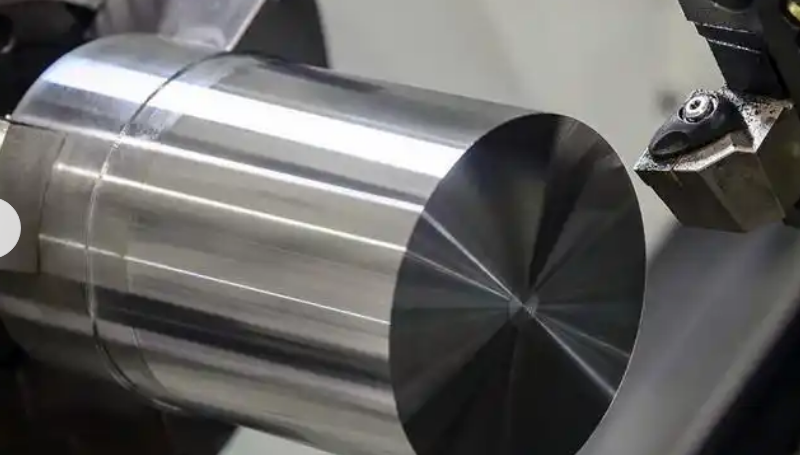
1, turning process, which is mainly used for the rotary body parts to start processing, such as shaft parts, disc and sleeve parts, to achieve through the workpiece to do the rotary movement and the tool to do the moving action, so as to achieve a variety of rotary surface machining operations.
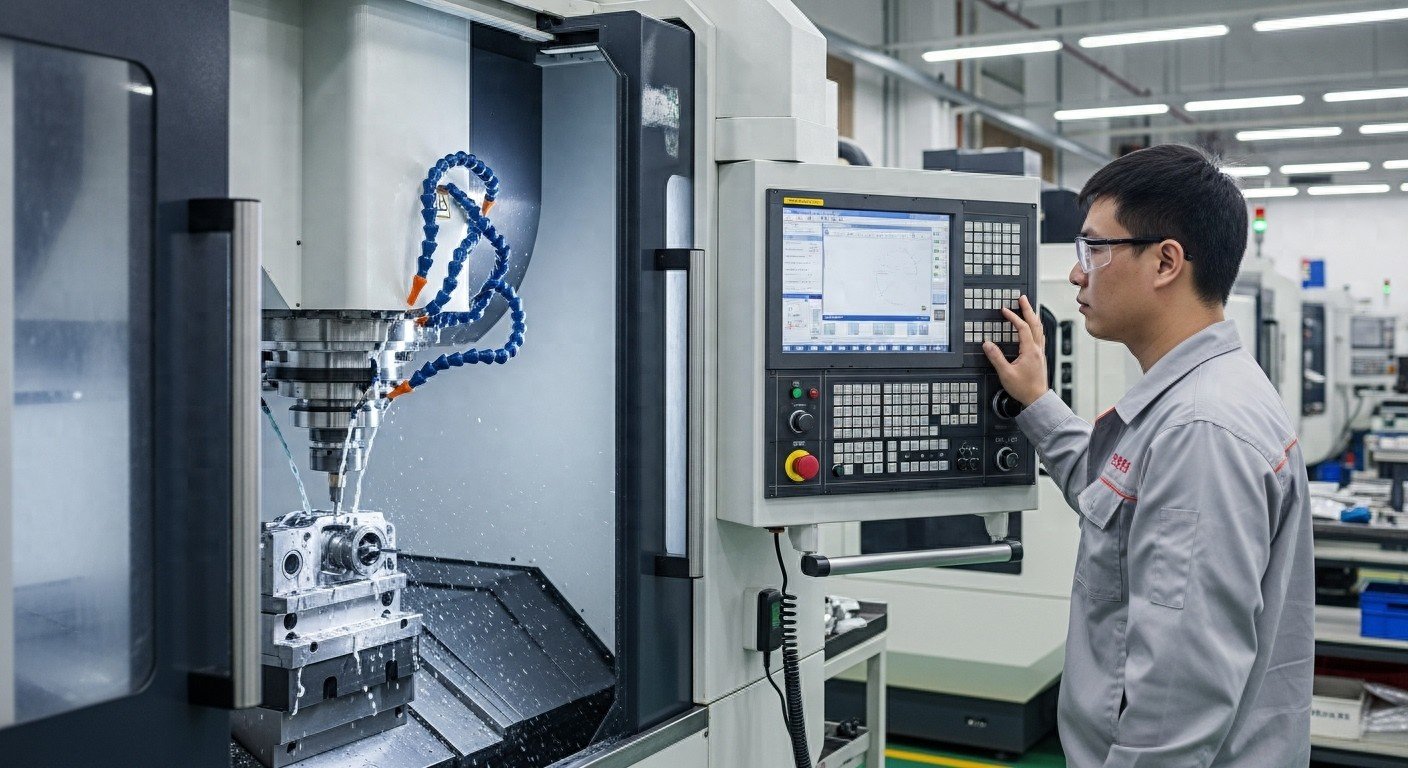
2, in the milling process, it is suitable for the processing of flat surfaces, it is also suitable for the processing of grooves, it is also suitable for the processing of complex surfaces and so on. Different types of milling cutters are able to complete the processing of various features.
3, it will be changed to the process of fine processing to grind, this process can achieve a high degree of accuracy of the size level, but also to obtain a high degree of surface smoothness and cleanliness of the effect, and is often used in the heat treatment of the process after the parts on top.
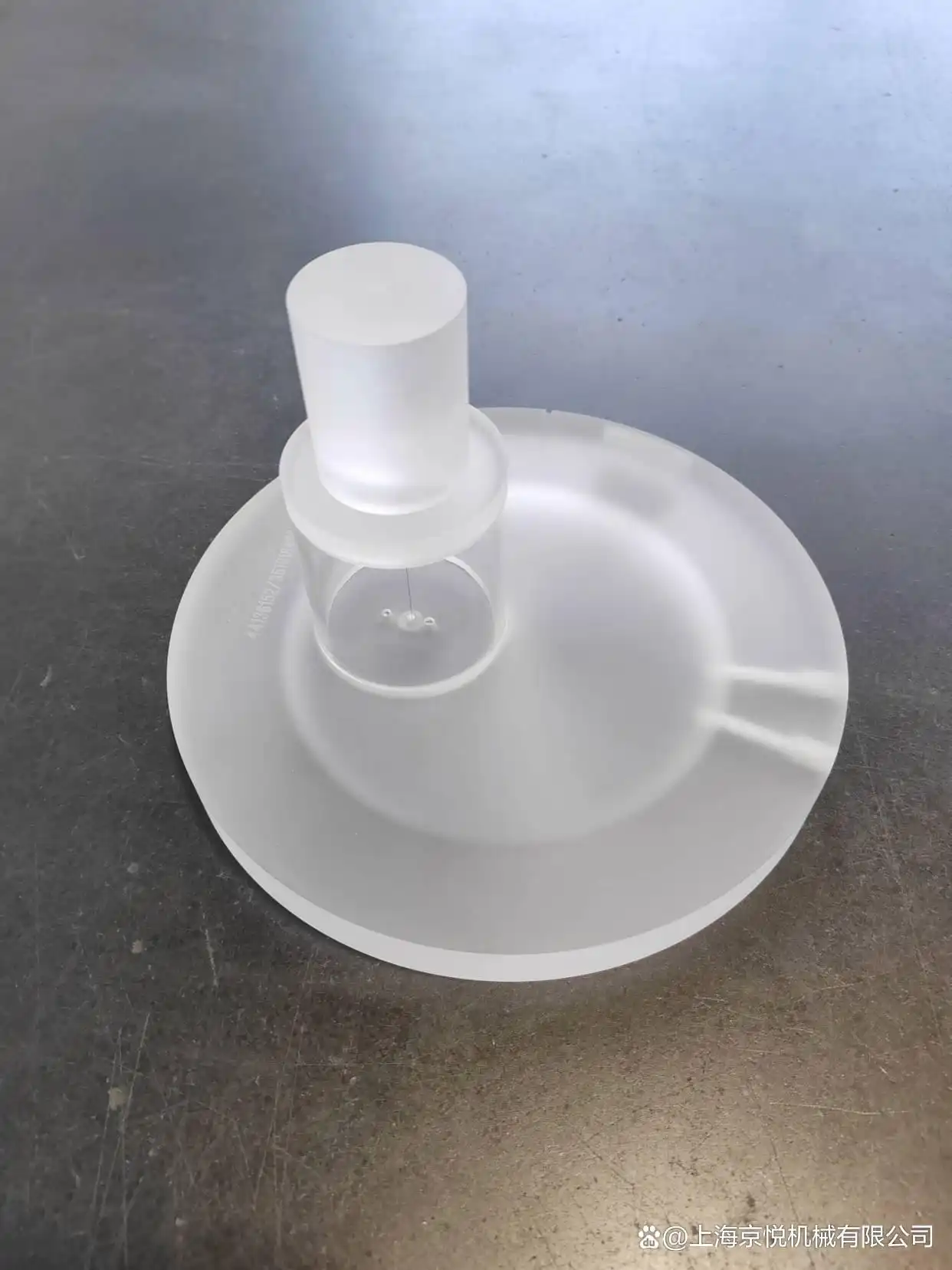
4, specialising in hole processing drilling processing, can be a simple through-hole completion, but also able to complete the complex deep hole.
5, today's modern processing, often combined with a variety of processes, to be completed on top of a piece of equipment, in order to improve processing efficiency and accuracy, which is the composite processing.
C. Considerations for choosing an OEM manufacturer
Enterprises will generally consider the following categories of factors when selecting a partner for machining subcontracting, including, firstly, secondly, and in addition to other aspects, and so on.
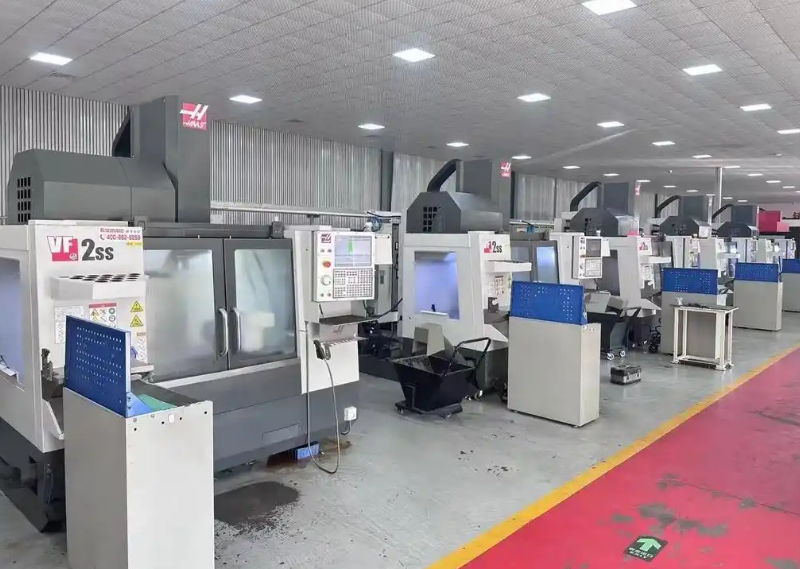
1, for the equipment capacity, which includes the examination of manufacturers have the type of processing equipment, and the number of such equipment, but also consider the degree of its old and new, in addition to the level of automation is also one of the contents of the examination. Equipment capacity, directly on the type of workpiece can undertake to play a decisive role, but also determines the processing accuracy.
2、Technical strength covers process design capability, programming level, jig design and production capacity, etc. Excellent technical team can solve all kinds of problems in processing.
3, about quality assurance, that the perfect type of quality control system is absolutely indispensable, in the inspection of raw materials in this regard, in the process of controlling this point, all the way to the final inspection link, all must have strict procedures and standards.
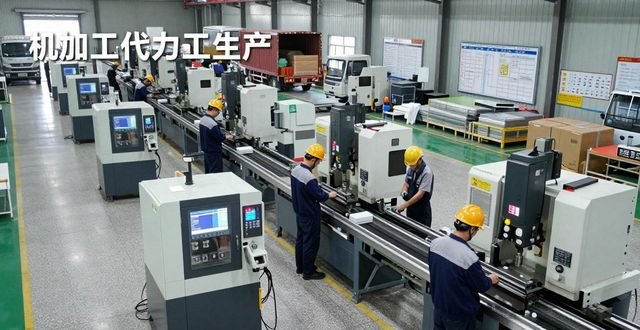
4, delivery punctuality, modern production for the supply chain response speed has a very high demand, the OEM presents the characteristics of diversification, it can be in accordance with the agreed time to achieve the processing task.
5, the price has a reasonable, in which the processing costs have to be in a reasonable range, which does not just mean that the offer is high or low, more important is the cost-effective aspects of the offer is too low, may mean that there is some kind of compromise in terms of materials or technology.
6, the degree of smooth communication, problem response speed, with the willingness to improve, etc., all of these belong to the degree of service co-operation. Good cooperation experience is very important.
Fourth, the general process of processing
A complete machining subcontracting project usually consists of the following steps:
1, the demand for communication, the commissioner has to drawings, as well as technical requirements, quantities, and delivery and other basic information to give out, and then the two sides for the processing feasibility of the initial discussions.
2, process engineers for process evaluation, analysis of drawings, accordingly determine the processing process route, and then select the matching equipment and tools, while the processing time and cost estimates.
3、Processor based on the results of process evaluation to give a detailed quotation, this is the quotation confirmation, the two sides on the price, delivery time and so on to reach mutual agreement after the signing of the contract.
4, production preparation, which includes the processing side to prepare raw materials, but also to prepare the processing procedures, and to prepare fixtures and fittings and testing tools, so as to do a good job for the formal production of the preparations.
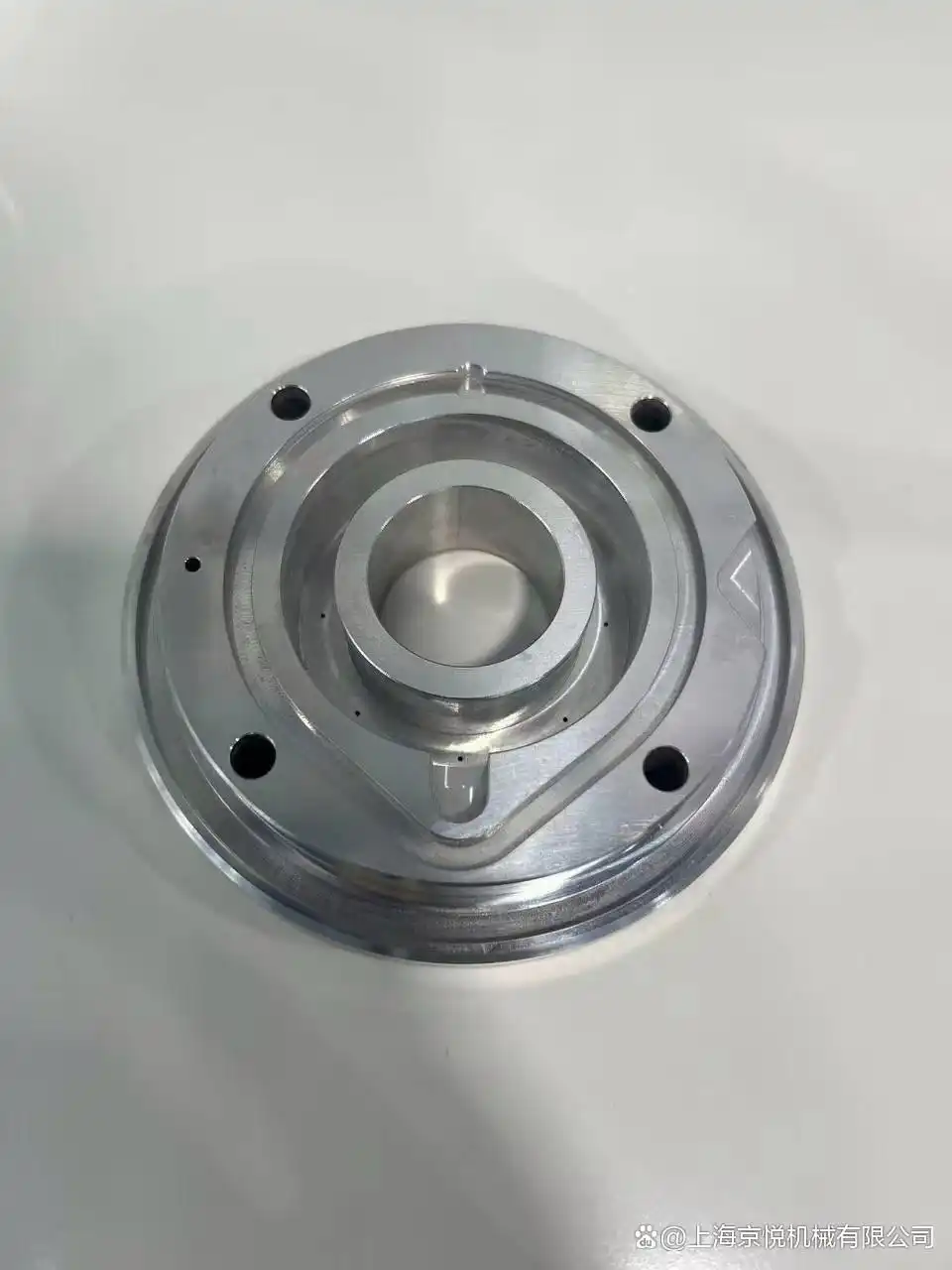
5, in the trial processing, first of all, a small number of samples will be processed, when the test shows that qualified, and then these samples are delivered to the commissioner to confirm, through such a link can be found in a timely manner in terms of process problems, and will be resolved.
6, when the trial production is confirmed that there is no error, according to the plan to carry out batch manufacturing, in this process, will implement the necessary quality sampling, in order to ensure consistency.
7, the final inspection, is in the completion of all the processing, for the product to carry out excellent testing work, followed by the issuance of inspection reports, in order to ensure that the product is in line with the quality requirements.
8, packaging for delivery, based on the characteristics of the product, select the appropriate packaging method, according to the pre-agreed time, in the agreed location, to achieve the task of delivery.
Five,quality controlof the Convention on the Elimination of All Forms of Discrimination against Women
Quality is the lifeblood of commissioned machining, and the following links are particularly critical to quality control:
1, to understand the drawings, correctly, to understand the design intent and technical requirements, which is a prerequisite for quality assurance. If there is any ambiguity, we should confirm with the client through diversified channels.
2, process design, a reasonable process route is the key to quality assurance, which covers the arrangement of the processing sequence, the selection of benchmarks, parameter settings and many other aspects, these must be carefully designed.
3, the first piece of inspection, in mass production before the first piece of excellent inspection, which is extremely important to prevent the emergence of a batch of substandard products.
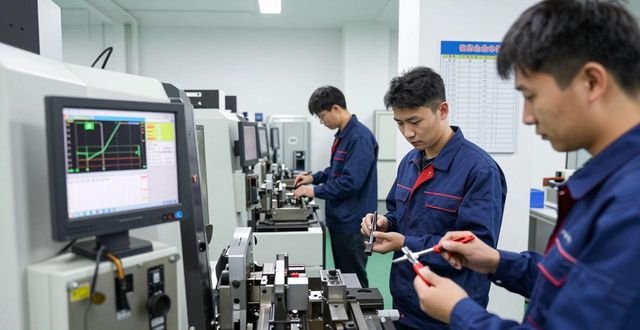
4, the processing process, the need for its monitoring, to do regularly to check the wear and tear of the tool, as well as the state of the equipment and other aspects, when problems are found, but also to make timely adjustments.
5, the final inspection, according to the test specification, for product size, and shape tolerance, and surface quality, etc., to carry out excellent testing, in order to ensure that the factory products are qualified.
VI. Analysis of cost components
A clear understanding of the cost components of machining for subcontracting can help the client to fully understand the reasonableness of the offer, and can also play a role in the effective implementation of the processor in the matter of cost control. The main costs are covered:
1, the material costs involved in the product, covering the cost of raw materials and auxiliary materials, the choice of materials, the need to take into account the full range of performance requirements and cost-related factors.
2, equipment depreciation, is the value of processing equipment, apportioned to the part of each product. High-precision equipment, generally speaking, depreciation costs are higher.
3. The labour costs of operators, the labour requirements of programmers, and the labour requirements of inspectors, which are direct and indirect labour costs, are all labour costs.
4, tool loss, refers to the process of processing, tool wear and replacement costs. Different materials, as well as different processing methods, the impact of tool loss is very large.
5, energy consumption: the equipment required to run the power, compressed air and other energy costs.
6. Management costs: share of overheads for business management, sales, research and development.
VII. Trends in industry development
As the manufacturing industry continues to grow, the machining subcontracting industry is showing some brand new trends:
1. The degree of digitisation has increased, and the use of digital tools has become more and more widespread in the areas from order management to production scheduling, and from process design to quality control.
2, intelligent processing, which ah, adaptive control of this intelligent technology has been applied, online detection of this intelligent technology has also been applied, intelligent tool management of this intelligent technology has also been applied, so so, improve the efficiency of processing, but also improve the consistency of processing.
3, with flexible manufacturing capacity, because the market for multi-species, small batch production needs to increase, which requires processing enterprises to have the ability to quickly change production, as well as flexible scheduling capabilities.
4, a concept known as green manufacturing, in which energy-saving equipment such as green manufacturing technology, as well as environmental protection cutting fluid such as green manufacturing technology, as well as chip recycling such as green manufacturing technology, has been more attention.
5, process specialisation division of labour tends to be fine, part of the processing enterprises, focusing on the processing of specific materials, part of the processing enterprises, focusing on the processing of specific types of parts, which in turn shapes the professional characteristics, to build up a competitive advantage.
Machining as a key component of the manufacturing industry, its development level directly affects the competitiveness of the entire manufacturing industry, for the commissioning party, the selection of suitable OEM companions, to build a long-term solid cooperative relationship, help to improve product quality and the market response rate, for the processing party, continue to improve the technical competence and management standards, to be able to stand firm in the stimulating competition in the market, with the help of the expected With the above introduction, we can make you have a relatively excellent knowledge of machining OEM production.



 Chinese
  Japanese
  English
  German
  Finnish
暂无评论内容