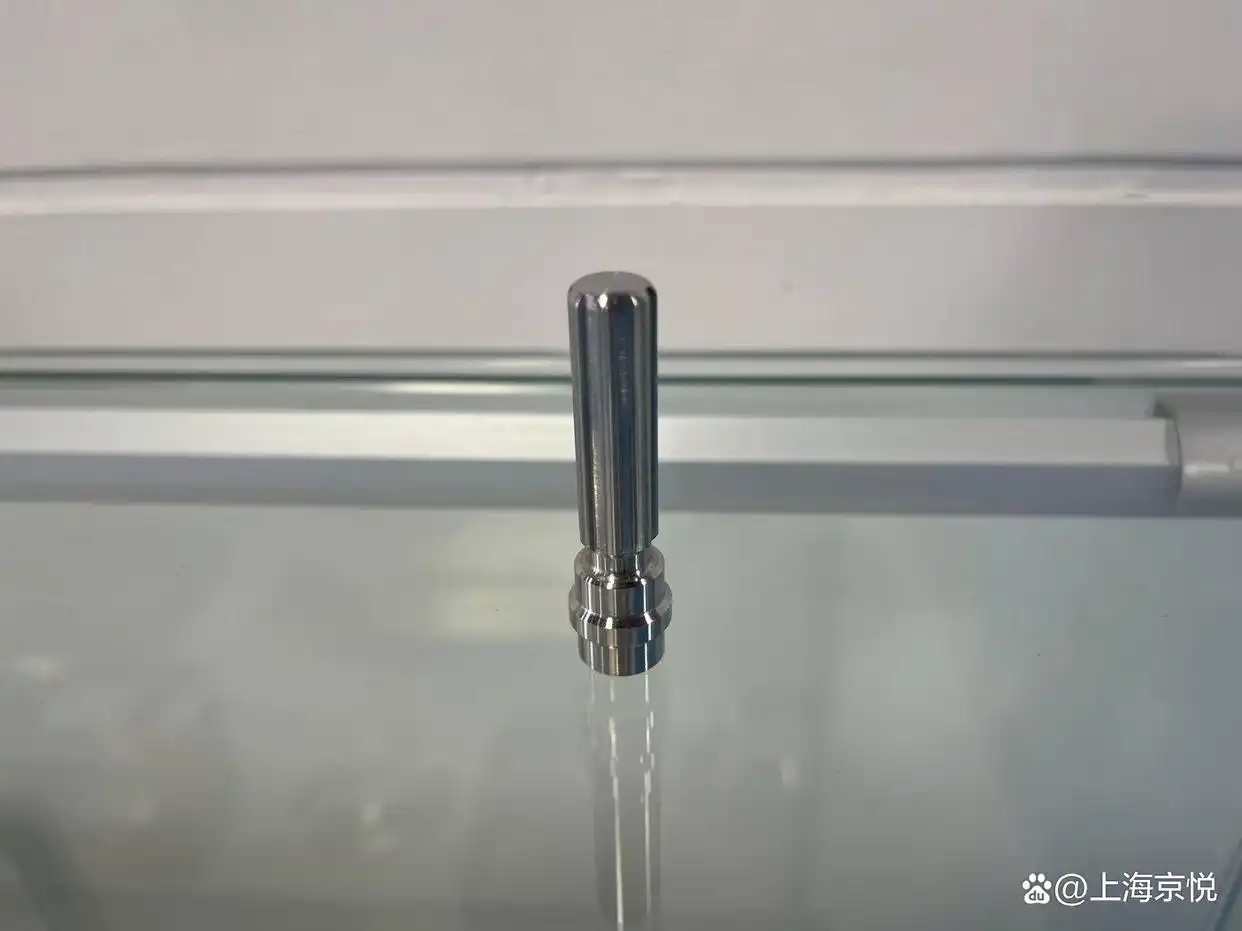


Changshumachining
The Changshu region is moving forward in the field of machining, showing theservice industryA delicate and specialised aspect of machining. Machining, also known as machining, is the process of changing the shape or properties of a workpiece with the help of mechanical equipment. It is a field that combines traditional skills with modern technology to create a unique production system. The following is a multifaceted introduction to the basic concepts, common methods and applications of machining.
1. Basic concepts and principles of machining

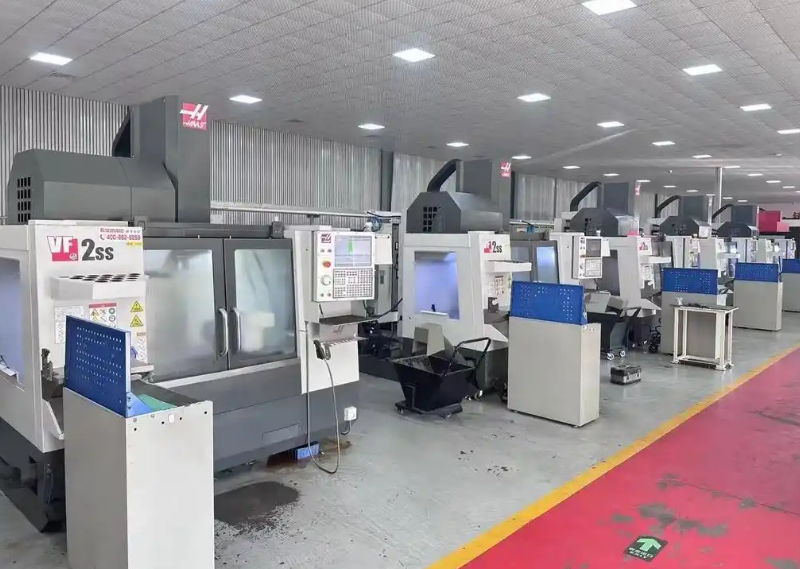
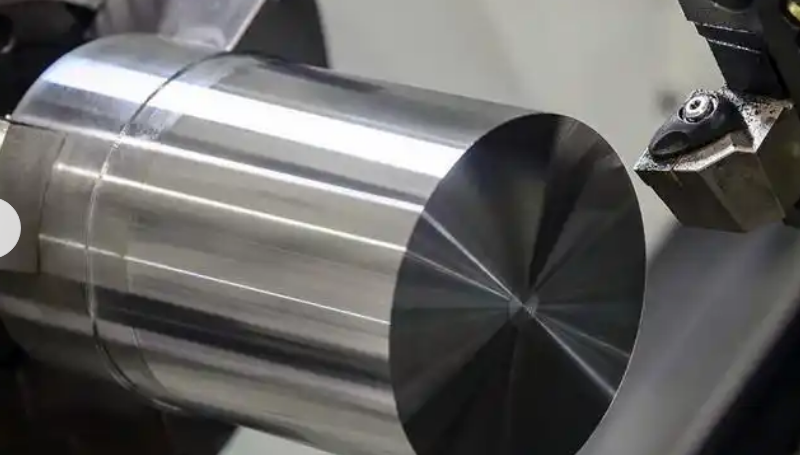
Machining centres on cutting, shaping or otherwise transforming raw materials into parts that meet design requirements. The process is carried out with machine tools, such as lathes, milling machines and grinders, which handle metals, plastics and other materials with precision by means of pre-programmed or manual controls. The principle of machining is based onmaterials scienceThe mechanics of the process are based on the control of the relative motion of the tool and the workpiece, which allows the regulation of the size, shape and quality of the surface. In turning, for example, the workpiece rotates while the tool moves, gradually removing excess material to form a cylindrical or conical part. This type of machining emphasises precision and stability, ensuring that the final product meets functional requirements.
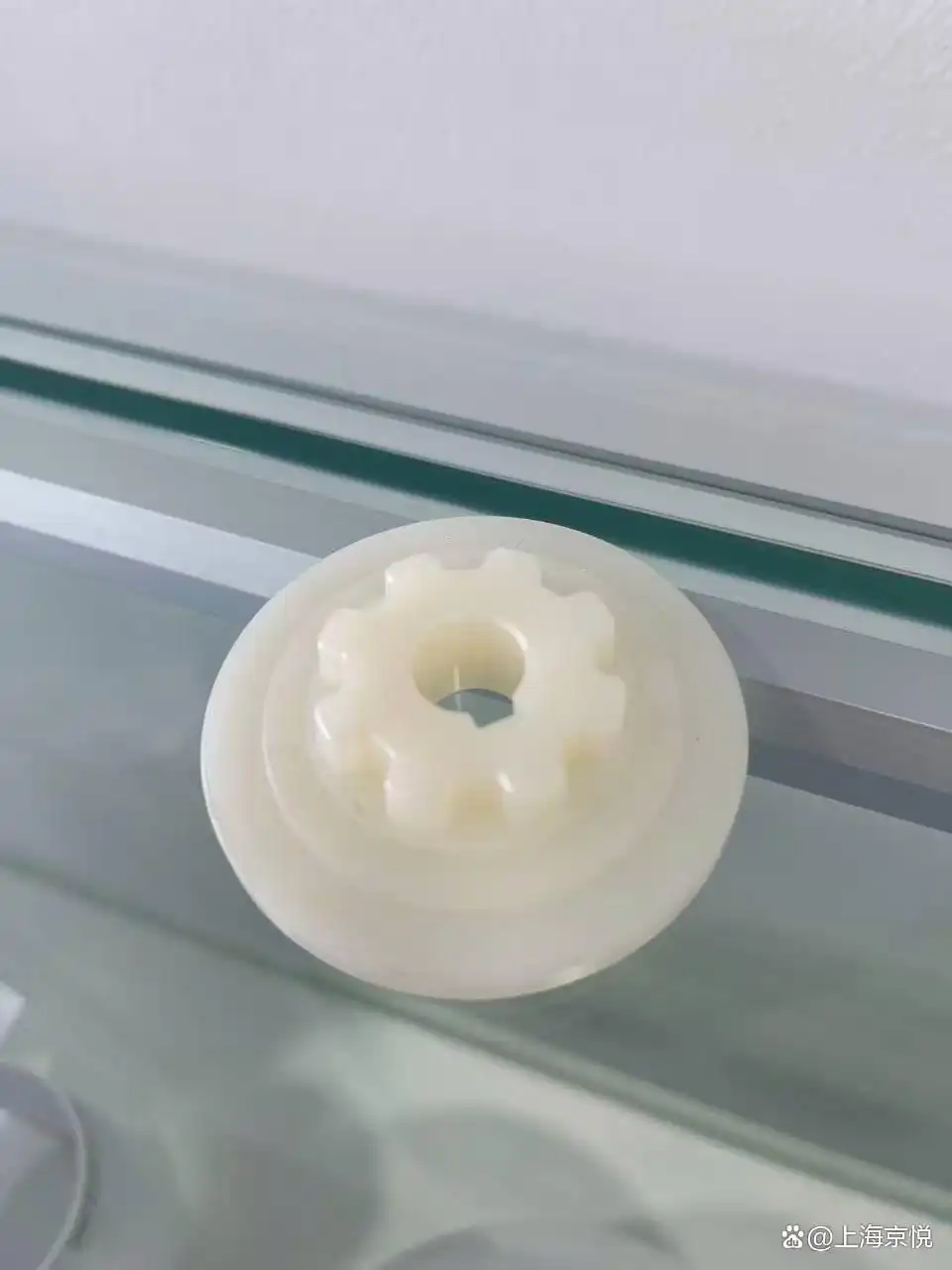
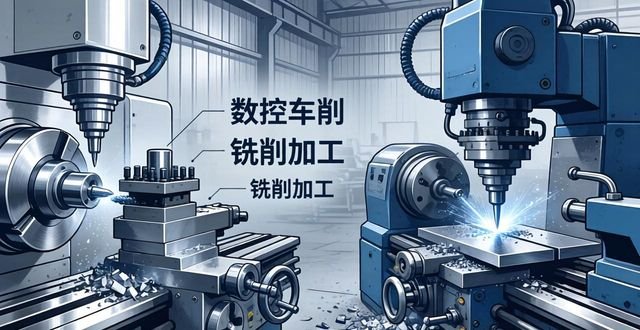
2. Common machining methods and their characteristics
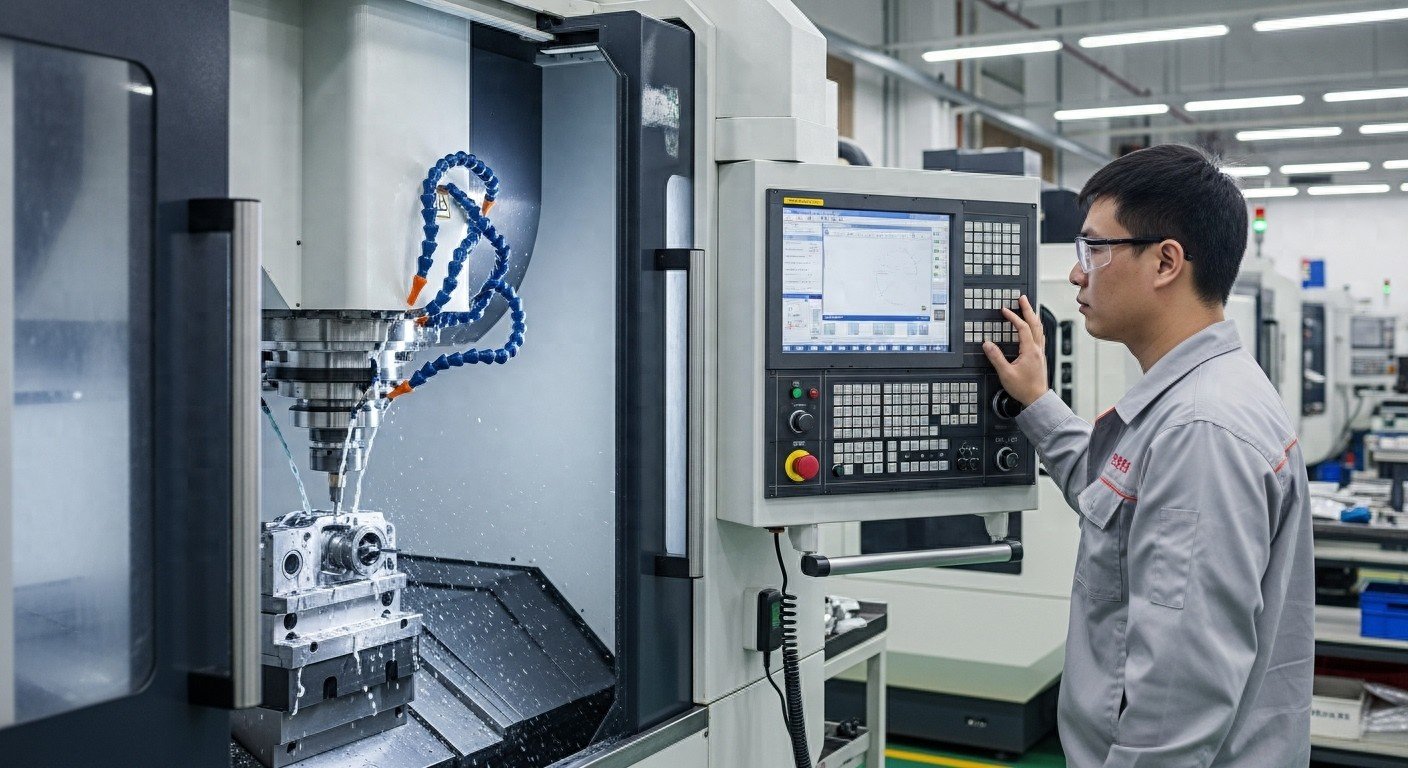
A wide range of methods are covered by machining, with different materials and design requirements applying to each method. Turning, a very common technique, is used for machining rotationally symmetrical parts, such as shafts or discs, and is characterised by high efficiency and easy dimensional control. Milling is accomplished by cutting the workpiece in all directions with the help of a rotating tool, which is ideal for the construction of flat surfaces, grooves or complex surfaces, and is characterised by a high degree of flexibility. Drilling is used to make holes in the workpiece, with the help of different drills to achieve a wide range of hole diameters and depths. Grinding is a finishing method that uses grinding wheels to make fine cuts on the surface of the workpiece to improve finish and accuracy. Each of these methods has its own unique advantages, and are often used in conjunction with each other in the real production process, resulting in a highly sought-after performance. For example, a component may first be shaped by rough milling and then ground to improve the surface quality.
3. Material selection and handling for machining
The materials used for machining play a key role, and common choices include a variety of metal alloys, engineering plastics and composites. Metals, such as steel, aluminium and copper, are used in a wide range of applications due to their strength and machinability, while plastics are lightweight and corrosion-resistant, and are suitable for use in specific environments. The choice of material takes into account its mechanical properties, cost factors, and difficulty of machining, for example, harder materials may require more durable tools and slower machining speeds to prevent excessive wear. For example, harder materials may require more durable tools and slower machining speeds to prevent excessive wear. Before machining, materials are often pre-treated, such as heat treatment to improve hardness, or surface cleaning to remove impurities. After machining, there is also the possibility of subsequent treatments, such as painting or plating operations, to enhance durability or aesthetics. Sensible materials management can significantly improve productivity and product quality.
4. Application areas and examples of machining
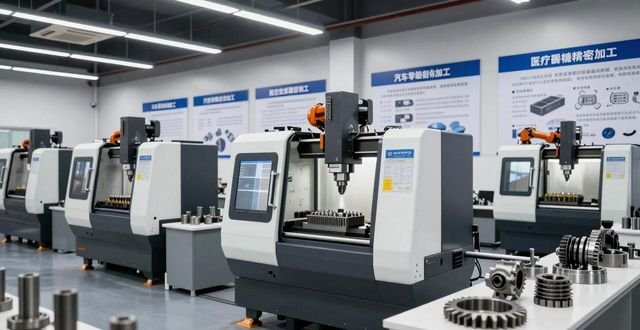
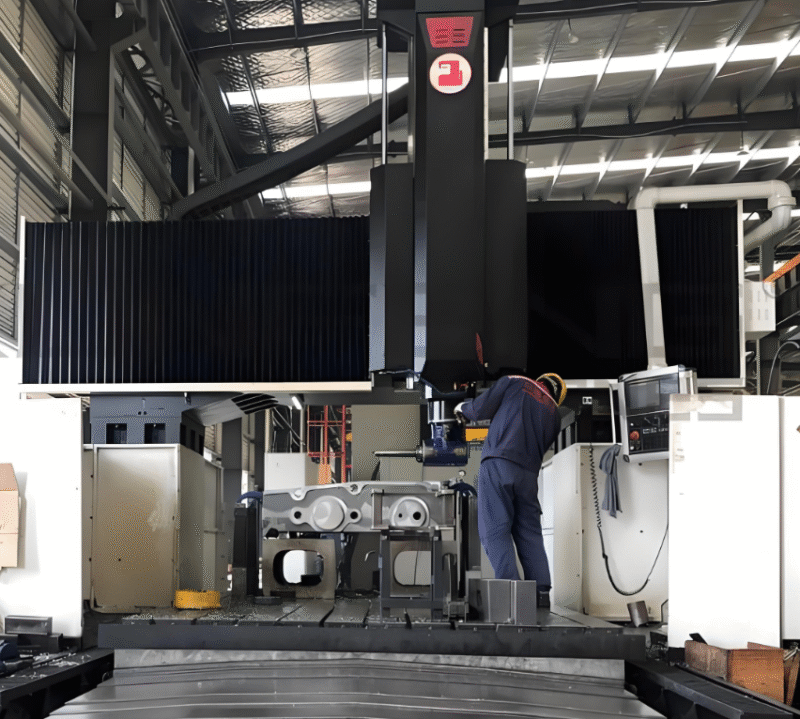
Machining plays a key role in a wide range of industries, from everyday products to specialised equipment. In automotive manufacturing, machining is used to produce engine components, transmission parts, etc., to ensure the reliability of vehicle operation. In the electronics industry, machining is used to create precision housings and connectors to meet miniaturisation and high-precision requirements. In the field of household appliances, tool making and customised accessories, machining also provides individual solutions. A simple household appliance, for example, may contain several metal parts that are milled and drilled, and are subjected to rigorous testing to ensure safety and functionality. These applications demonstrate the versatility of machining, which not only produces standard parts on a large scale, but also supports customised projects in small batches.
5. Trends in machining and directions for innovation
Along the trajectory of technological advances, the field of machining is continuing to evolve, with a focus onautomaticThe automation system is programmed to control the machine, thus reducing the level of manual intervention and improving consistency and efficiency in the production process. Automation systems are programmed to control the machine tool and reduce the level of human intervention, thus improving consistency and efficiency in the production process. For example, intelligent monitoring has been introduced in some workshops to adjust machining parameters at any time during operation, with the aim of optimising performance. In the area of sustainability, machining focuses on saving resources, such as recycling cutting fluids and reducing waste to reduce the impact on the environment. Innovative directions include the development of more environmentally friendly materials and energy efficient equipment, which will help the industry in the long run. In the future, machining has the potential to incorporate digital tools for more accurate forecasting and maintenance, but the core of the process will continue to revolve around improving usability and reliability.
Machining, as a fundamental part of the manufacturing industry, supports all kinds of products with the help of systematic methods and technologies. From the basic principles to the practical applications, it shows the integration of engineering and art, and through continuous improvement and innovation, this field will continue to serve the needs of the society and promote the progress of the industry, and the practice of Changshu area is just a microcosm of the global machining ecology, reflecting its universal value and potential.




 Chinese
  Japanese
  English
  German
  Finnish
暂无评论内容