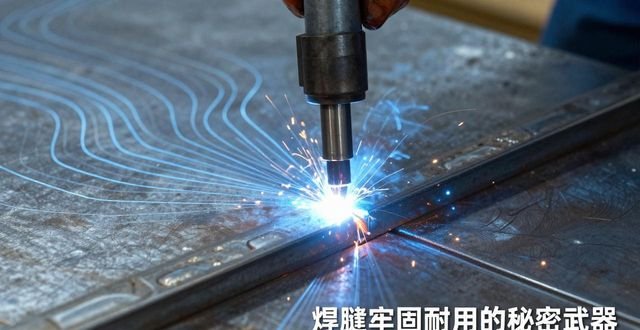


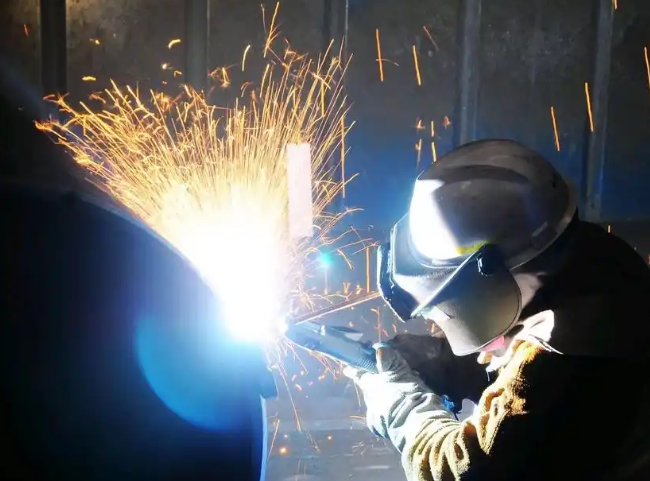
In the field of welding, one technique is of paramount importance: multi-pass welding, which occupies a pivotal position within the welding industry. When welding thick plates, the “layered construction” method is employed; in fact, this method refers precisely to multi-pass welding. Is thick plate welding really as simple as just adding a few extra passes? Not at all; this technique involves a great deal of precision. Once mastered, the weld will not only be strong but will also help avoid various welding defects. Today, I will guide you through the ins and outs of multi-pass welding in a clear and accessible manner. I’ll teach you how to control heat input to ensure your welds are dense and strong—this content is absolutely packed with practical, hands-on tips!
What is multi-layer, multi-pass welding?
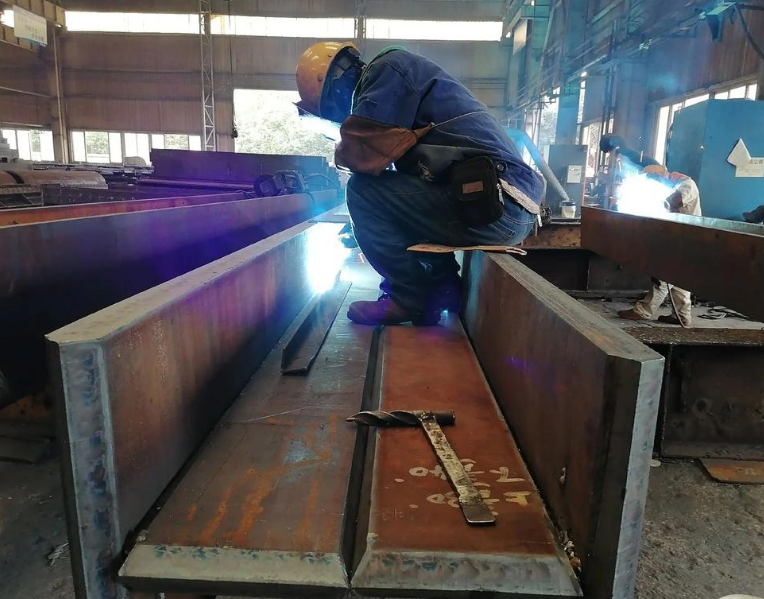
Put simply, multi-pass welding involves dividing the welding of a thick plate into multiple layers, with each layer further divided into multiple weld passes to complete the process. For example, if you were to weld a steel plate of considerable thickness, rather than welding it all in one go, you would first weld several passes of the first layer, allowing it to cool before welding the second layer, and so on until the entire thickness has been welded.
Why is this done? This is because, when welding thick plates, there are circumstances that cause a large amount of heat to be released in a short period of time, leading to the following issues: the weld is highly susceptible to distortion, and there is a risk of cracks forming or internal porosity occurring. However, by employing a multi-pass welding technique, heat input can be effectively controlled, thereby reducing welding defects and ensuring the quality of the weld is maintained.
What are the advantages of multi-layer, multi-pass welding?
Control heat input to minimise distortion
Multi-pass welding allows for the rational distribution of heat, thereby preventing excessive heating in a single pass. This, in turn, reduces the stresses and distortion generated during welding, resulting in a more stable shape for the welded component.
The weld is denser and has greater strength
Every weld has been meticulously controlled, resulting in superior weld quality; with few internal defects, the strength is naturally enhanced.
Reduce cracks and porosity

By welding in layers, the weld allows each layer to cool sequentially, thereby reducing the concentration of thermal stress, lowering the risk of cracking, and facilitating the escape of gases to prevent porosity.
Easy to inspect and repair
Once each pass has been completed, it should be inspected; any issues found should be rectified promptly to ensure the overall quality of the weld.
How is multi-layer, multi-pass welding carried out? What are the key points?
Appropriate design of the number of weld layers and passes
Depending on the thickness of the sheet metal and the welding process, the appropriate number of layers and the number of weld passes per layer should be determined; thick sheets generally require multiple layers, whereas this is not the case for thin sheets.
Control the heat input for each weld
During welding, the combined effect of the current, voltage and welding speed is referred to as heat input. Proper control of the heat input ensures that the weld achieves full penetration whilst preventing overheating. Generally speaking, the heat input for each weld must be maintained within a reasonable range.
Pay attention to the temperature control between layers
Once one layer has been welded, you must not proceed to the next layer immediately; you must allow the weld to cool to the specified temperature to prevent excessive interpass temperatures, which could lead to cracking.
Clean the surface of the weld on each layer
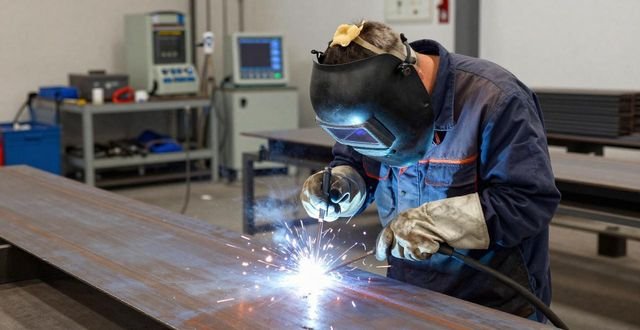
After completing a pass, remove any slag and scale to ensure a good bond for the next pass.
Selecting appropriate welding parameters and consumables
Different materials and thicknesses require different welding parameters and consumables; it is essential to select the appropriate ones to ensure a satisfactory weld.
How exactly is heat input controlled?
(Current × Voltage × 60) divided by the welding speed: this is the formula for calculating heat input. Whilst this formula may appear complex, its purpose is simply to maintain a balance between the welding current, voltage and speed. If the current is too high, the weld will overheat and be highly prone to distortion; conversely, if the current is too low, the weld will not achieve sufficient penetration. The same applies to voltage and speed; these must be adjusted to the correct values to ensure the quality of the weld is maintained.
Tips for on-site operation
When carrying out multi-pass welding, the interpass temperature must be measured with a thermometer after each pass is completed; subsequent welding may only continue once the relevant requirements have been met.
Clean the weld joint prior to welding to remove oil and rust.
Maintain a steady angle of the welding torch throughout the welding process, ensuring the weld bead is of uniform width.
Use the appropriate welding sequence to minimise stress concentration.




 Chinese
  Japanese
  English
  German
  Finnish
No comments