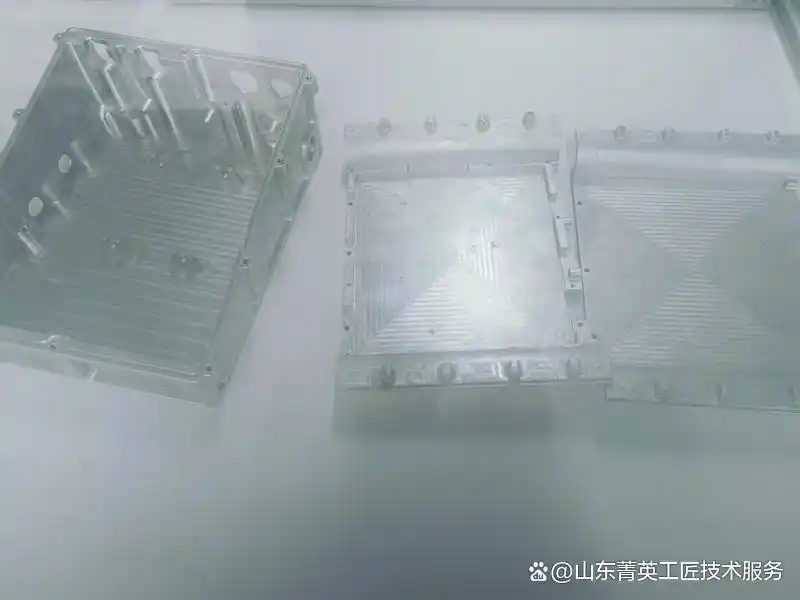


In modern and contemporary manufacturing, precision machiningLike a dazzling pearl, it plays a crucial role, not only driving the advancement of technology but also having a profound impact on our daily lives. So, what exactly is precision machining, and what sets it apart? Let us lift the veil of mystery surrounding precision machining together.
Firstly, let us clarify the definition of precision machining. Precision machining is a manufacturing technique carried out under strictly controlled environmental conditions, utilising precision machine tools, gauges and measuring instruments, and employing specific machining methods to ensure that the machining accuracy and surface quality of parts meet the required standards. Here, machining accuracy is generally at the micrometre level, and in some cases even reaches the nanometre level. This implies that it can achieve extremely fine dimensional control and guarantee an exceptionally high level of surface finish. For example, within the specific field of aerospace, critical engine components demand extremely high levels of precision to ensure reliable operation under extreme environmental conditions; precision machining technology is precisely what meets these requirements.

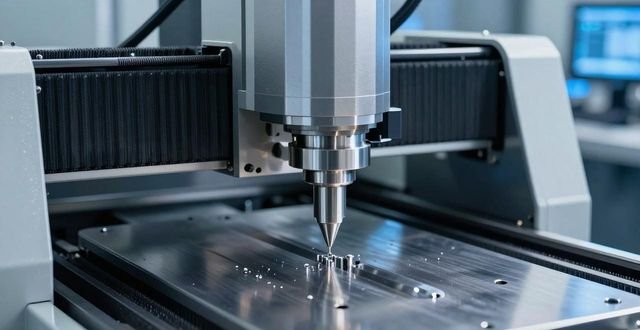
Precision machining possesses a variety of characteristics that enable it to excel in numerous fields. Firstly, high precision is a key feature of precision machining; through the use of advanced machinery and processes, dimensional tolerances of components can be kept within extremely tight limits, thereby ensuring product performance and quality. Secondly, high efficiency is another notable advantage. With continuous technological advancements, precision machining equipment has become increasingly automated, enabling rapid and continuous processing, which significantly enhances production efficiency. Furthermore, precision machining offers a high degree of flexibility; it can be adapted to meet different product requirements, thereby accommodating diverse production needs.
Its applications are extremely wide-ranging. In the field of electronics and information technology, precision machining is used to manufacture key components such as chips and circuit boards, thereby driving the development of electronic products towards miniaturisation and higher performance. In the field of medical devices, surgical instruments and implants produced through precision machining can enhance the accuracy and safety of medical treatment, In the automotive sector, precision-machined components such as engines and gearboxes enhance a vehicle’s power performance and fuel economy. It is fair to say that precision machining has permeated every aspect of our lives.
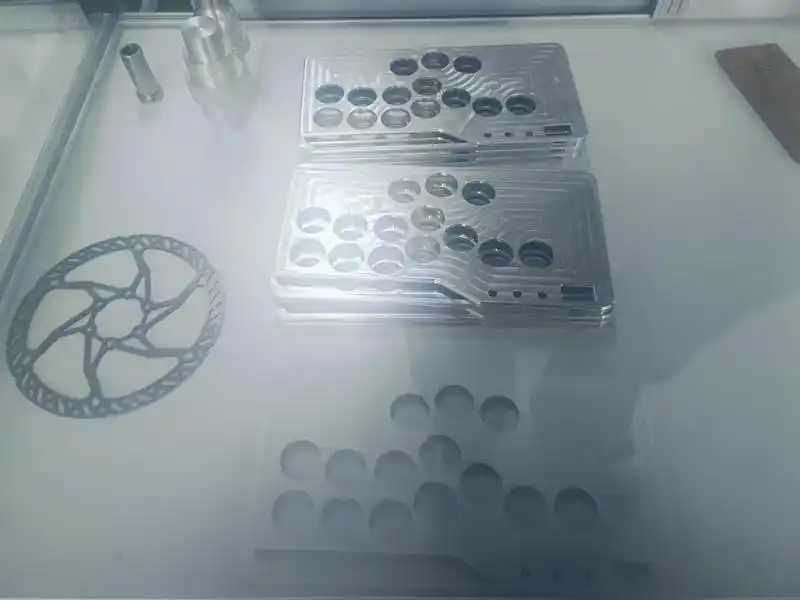
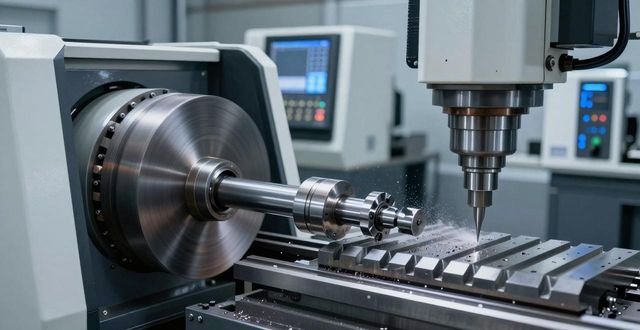
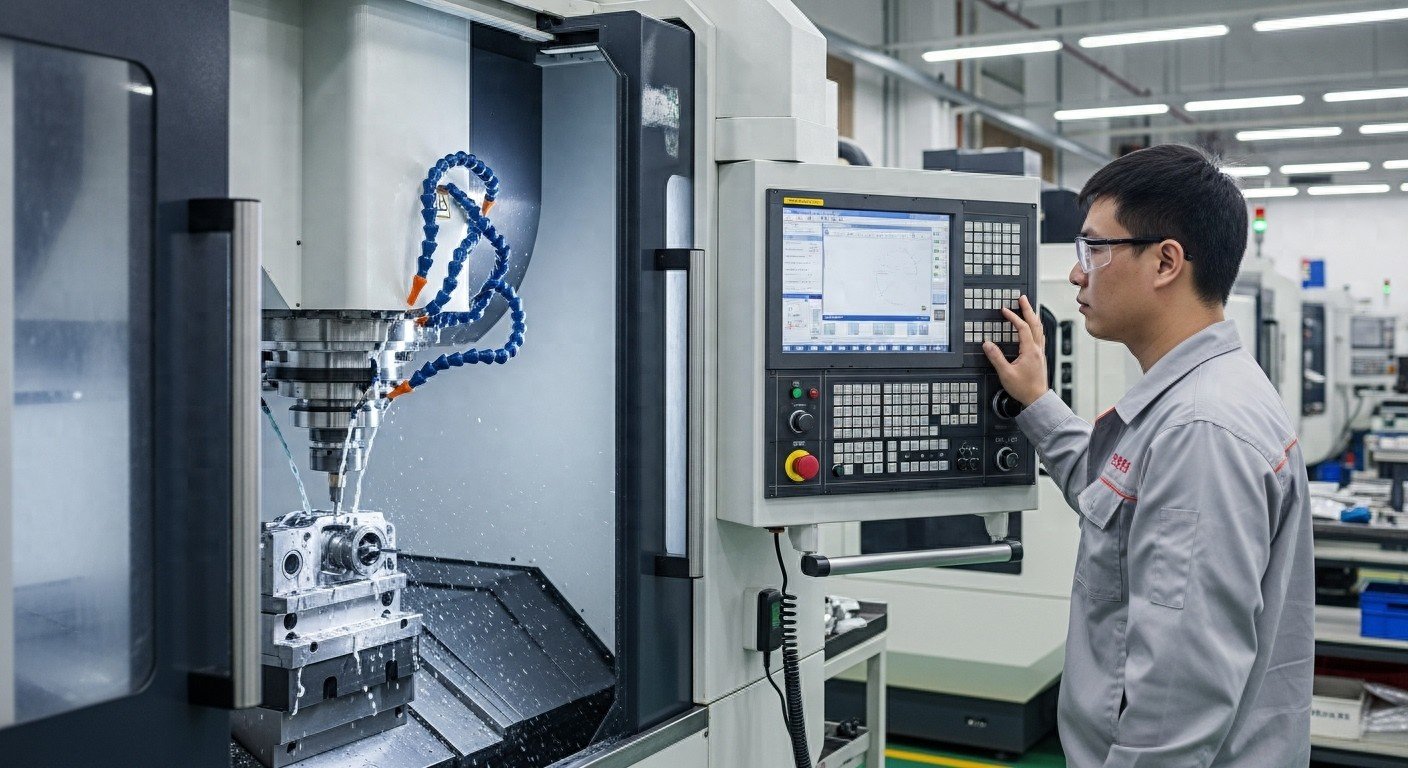
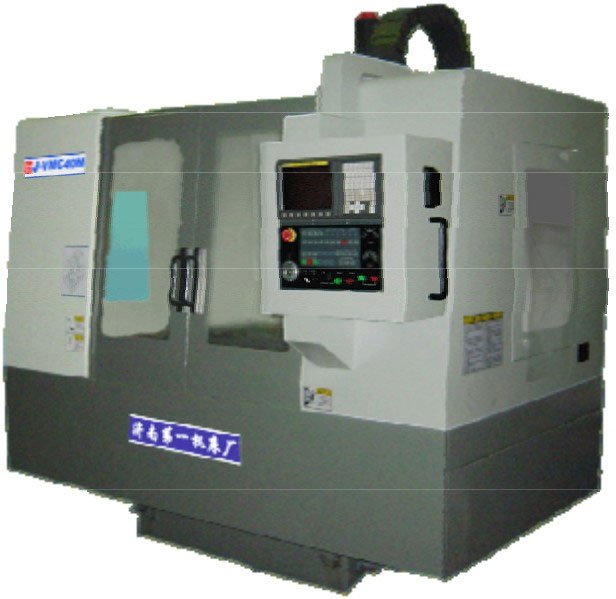
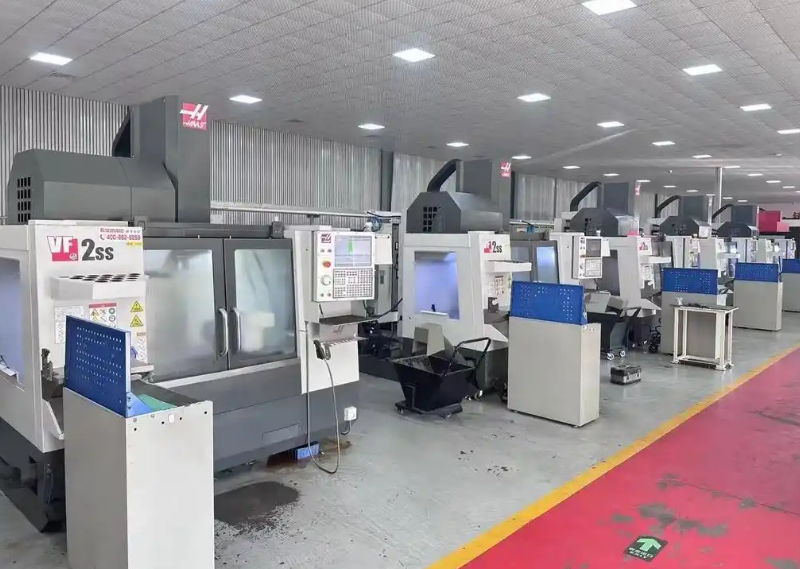
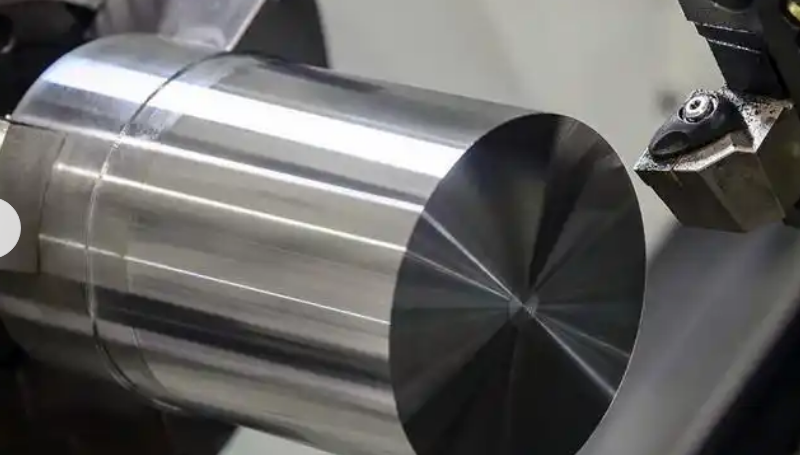
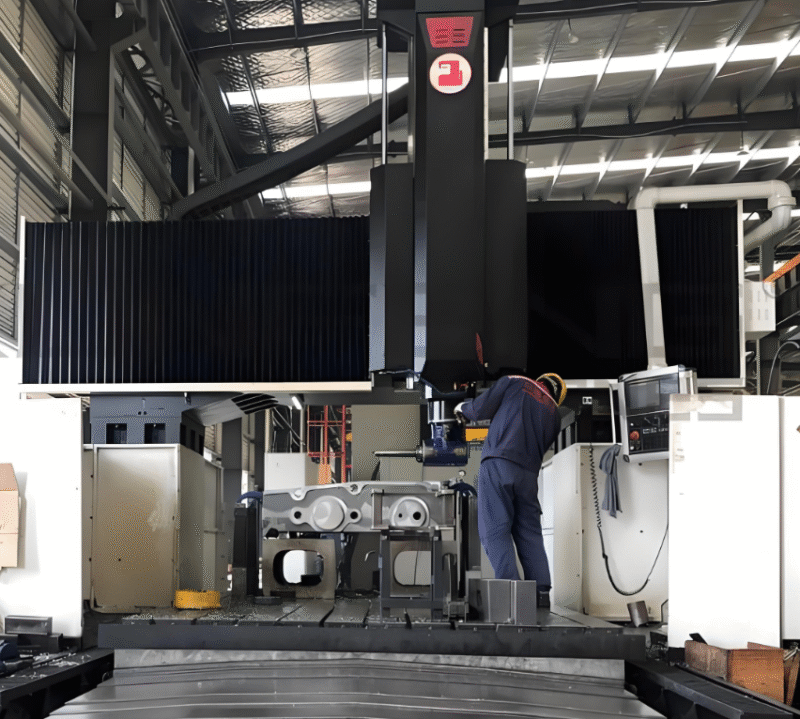
Precision machining relies on advanced machining technologies and equipment. Common precision machining techniques include turning, milling and grinding. Turning involves using a lathe to perform cutting operations on a rotating workpiece, enabling the production of high-precision cylindrical and conical surfaces, Milling involves the removal of material through the rotational movement of the milling cutter and the feed movement of the workpiece; it is suitable for machining various flat surfaces, grooves and curved surfaces. Grinding utilises an abrasive tool to machine the surface of the workpiece, enabling the achievement of extremely high surface quality and dimensional accuracy. Advanced machining equipment characterised by high precision and a high degree of automation, such asCNC machine toolsMachining centres and similar equipment provide a solid foundation for precision machining, enabling the efficient production of complex parts.
However, precision machining does present certain challenges. For instance, even minute errors in the machining process can have a significant impact on product performance, which is why rigorous quality control and inspection methods are essential. Furthermore, the investment costs for precision machining equipment are relatively high, and the technical skills required of operators are also quite demanding. To address these challenges, it is necessary to continuously strengthen research and development, as well as cultivate talent, thereby raising the overall standard of precision machining.
In summary, precision machining is a key technology in modern manufacturing; it is of great significance and holds vast prospects for development. By gaining a deeper understanding of the definition of precision machining, its characteristics, its fields of application and its technical methods, we can gain a better appreciation of this remarkable manufacturing technology. If you are interested in precision machining, why not delve deeper into the subject? I am sure you will discover many more fascinating aspects. Let us keep a close eye on the development of precision machining and look forward to the surprises it has in store for us!




 Chinese
  Japanese
  English
  German
  Finnish
No comments