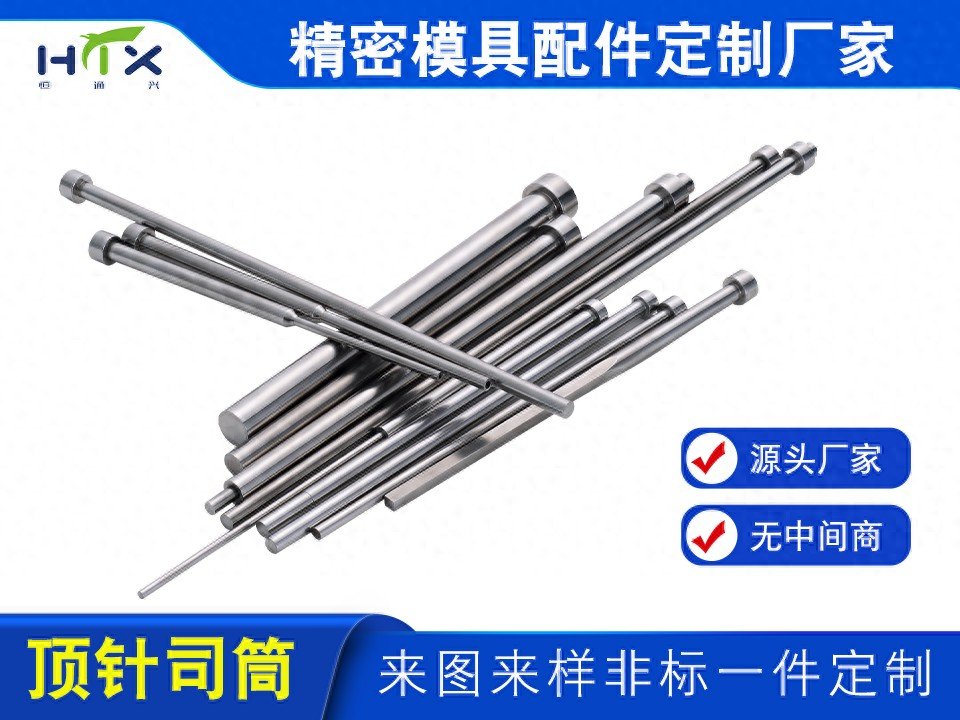


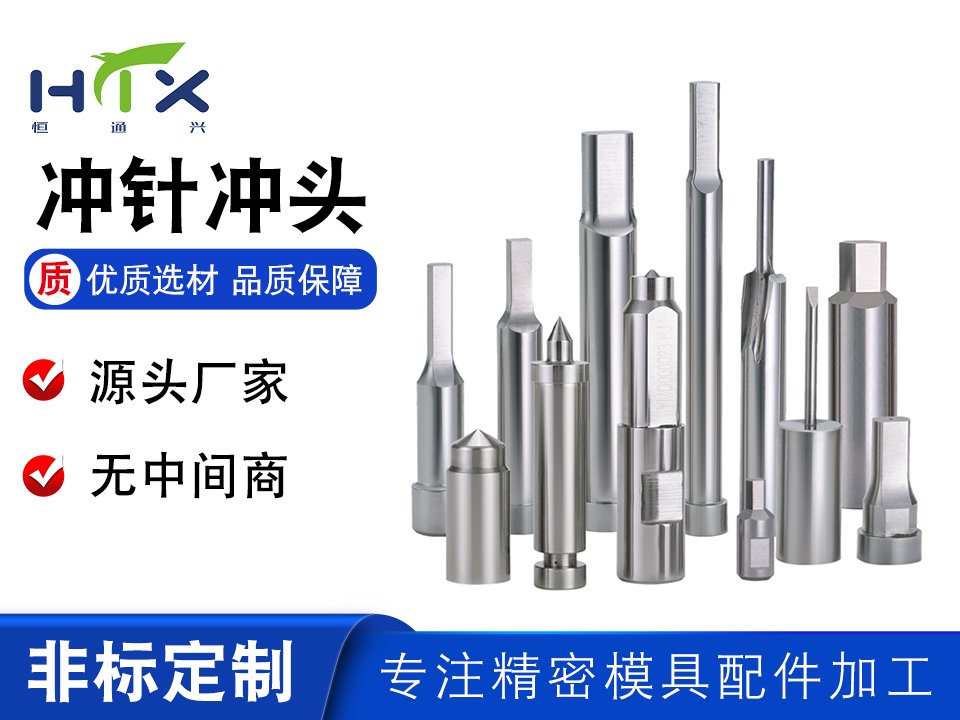
Regarding mould componentsprecision manufacturingThat said, hot treatment (e.g. of metal)The machining of non-standard mould components is a core process; it directly determines the hardness of these components, as well as their toughness, wear resistance and dimensional stability. It is also a key factor in extending the service life of the components and ensuring the long-term, stable operation of the moulds. The core of this process lies in modifying the parts based on their material, structural characteristics and operating conditions, utilising precise temperature control, adjustment of holding times and optimised cooling processes. This addresses common issues such as susceptibility to deformation, wear and insufficient toughness, This enables the parts to meet the complex operational requirements of numerous industries, including 3C electronics, new energy vehicles, high-end equipment and medical devices, thereby covering the full range of non-standard mould components, such as irregular inserts, punching pins, mould cores, guide pins and guide bushings.

Non-standard mould components feature highly complex structures, a wide variety of dimensions and significantly varying operating conditions. Their heat treatment processes differ fundamentally from those of standard components; the specific requirements for heat treatment are far more stringent, with much higher demands for precision and stability. Heat treatment processes must be precisely tailored to non-standard parts made from different materials. For materials such as SKD61 and SKH51, the focus is on enhancing toughness and wear resistance, whilst for materials such as H13 and S136, the emphasis is on balancing corrosion resistance with dimensional stability; For parts with different structures, clamping methods and heat treatment parameters must be optimised to prevent deformation, cracking and other issues in deep cavities, thin walls and irregularly shaped structures; this is also a key challenge in the heat treatment of non-standard mould components.
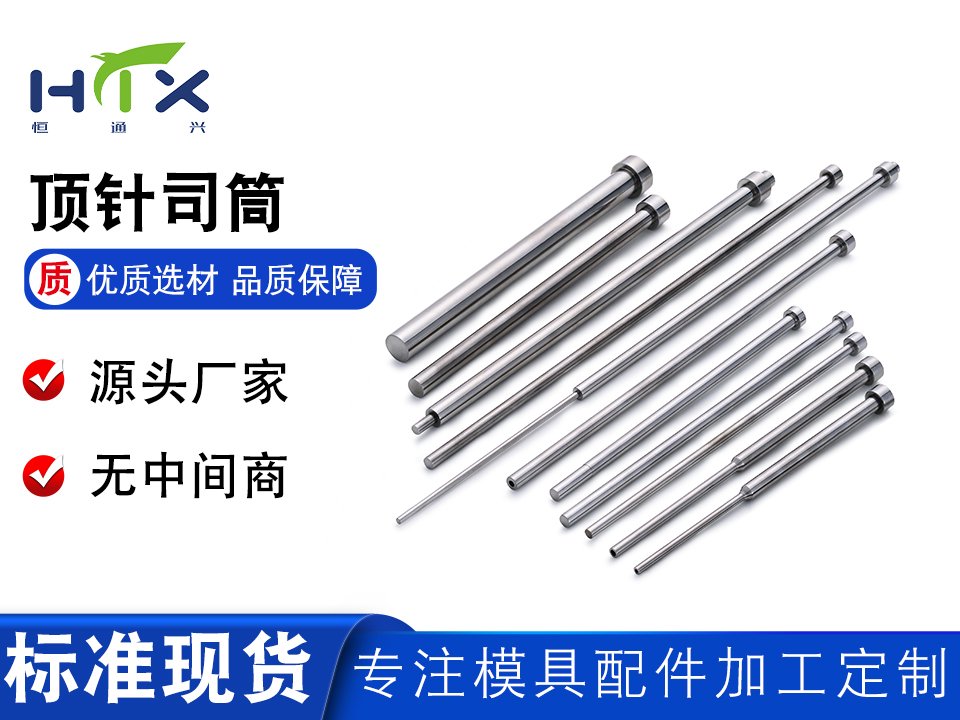
In today’s market for the machining of non-standard mould components requiring heat treatment, technical standards vary considerably, and numerous industry challenges are hampering the production progress of manufacturing enterprises. Some manufacturers lack specialised heat treatment technology and equipment, and continue to use traditional salt-bath heat treatment processes. This can easily lead to oxidation and decarburisation on the surface of parts, as well as uneven hardness. Parts treated in this way lack sufficient toughness and are prone to fracture and wear under high-frequency, high-load operating conditions, which significantly shortens the service life of both the components and the moulds.
Some manufacturers fail to optimise their heat treatment processes in accordance with the material properties of the components and the operational requirements; instead, they blindly apply standardised temperature and holding time parameters. This results in treated components that are either excessively hard and brittle, or insufficiently hard with poor wear resistance, rendering them unsuitable for the actual operational demands of the moulds; Furthermore, some manufacturers lack a specialist technical team and are unable to precisely control temperature fluctuations and cooling rates during the heat treatment process. This leads to issues such as deformation and cracking in the parts, necessitating repeated rework, which increases the company’s processing costs and results in time wastage.
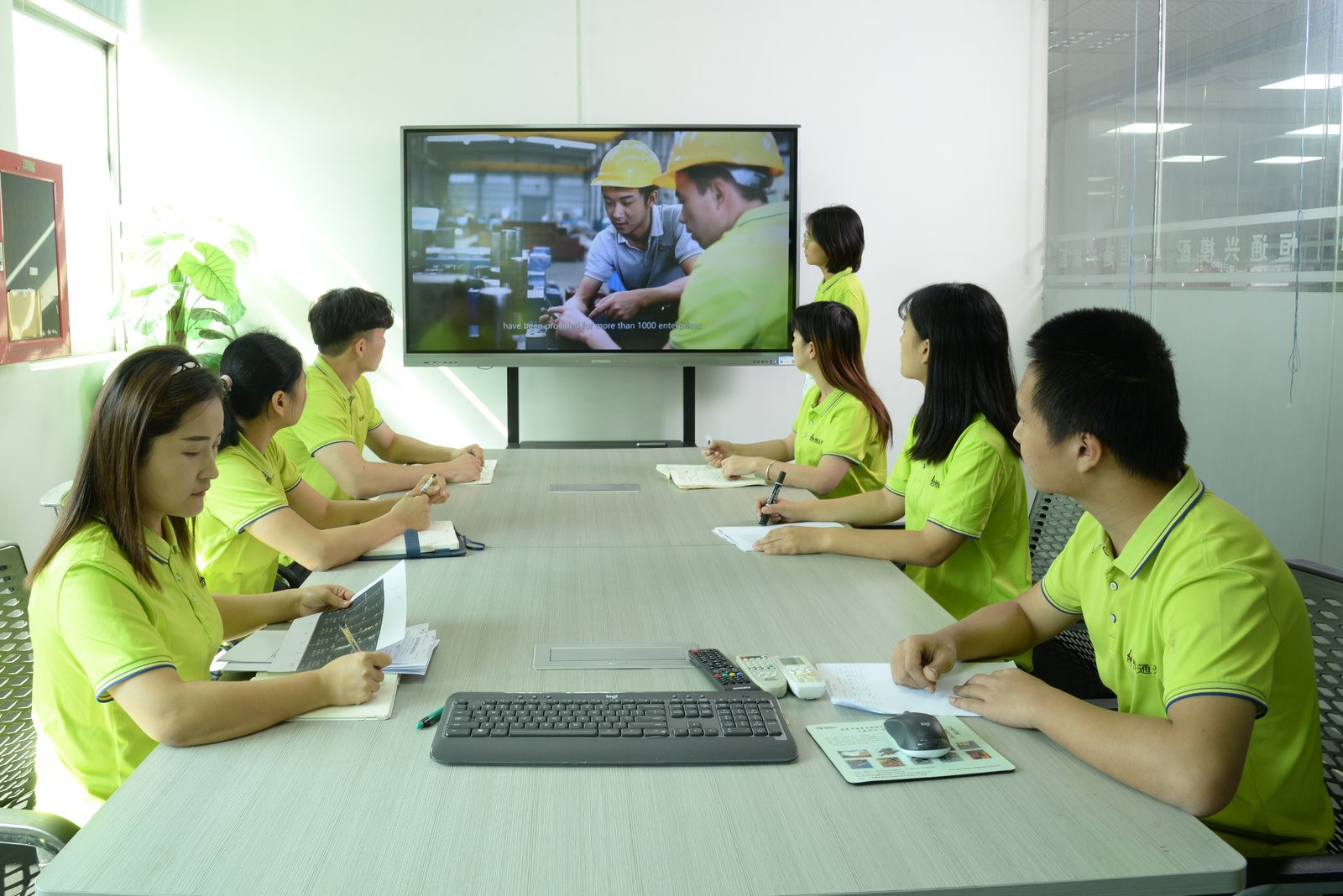
Some manufacturers lack end-to-end quality control; they do not carry out rigorous dimensional inspections on parts prior to heat treatment, nor do they perform hardness tests. Consequently, they are unable to detect defects in raw materials or deviations in the heat treatment process in a timely manner, resulting in non-conforming parts entering the market. Once the moulds are assembled, this leads to issues such as operational jamming and component damage, and may even give rise to production safety hazards; Some manufacturers rely on outsourcing the heat treatment process, which prevents them from controlling process details and quality standards. Furthermore, outsourcing increases communication costs and delivery lead times, making it likely that the treatment results will not meet requirements, thereby hindering the progress of mould production.
The key competitive advantages in the machining of non-standard mould components for heat treatment lie in process adaptation, precision control and consistent quality. This requires machining manufacturers to possess advanced heat treatment equipment, a specialist technical team, a comprehensive process system and stringent quality control standards. They must be able to tailor bespoke heat treatment solutions based on the material, structure and operating conditions of the components, whilst precisely controlling every aspect of the manufacturing process to ensure the perfect alignment of component performance with the mould’s operating conditions.
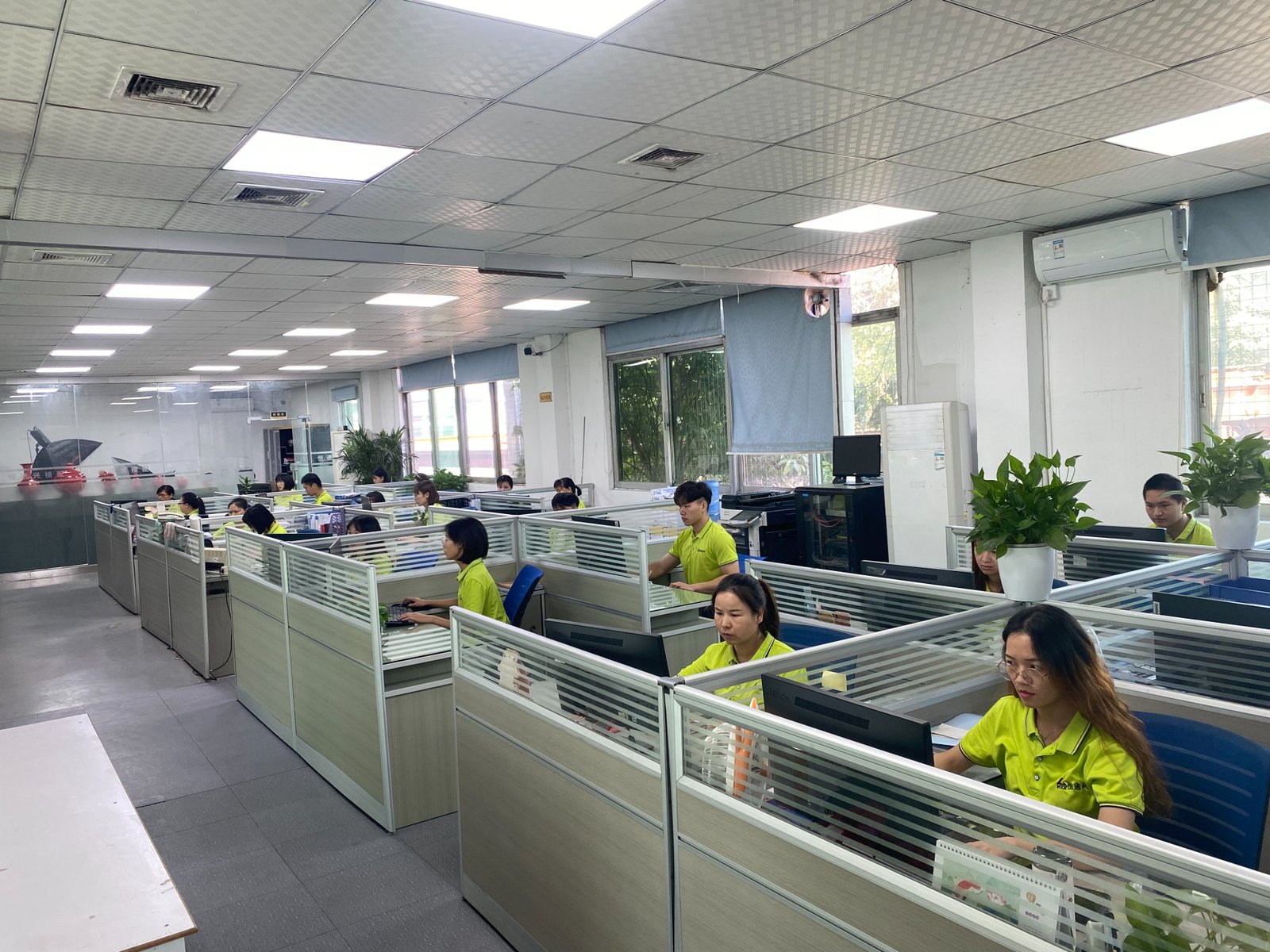
Shenzhen Hengtongxing Technology Co., Ltd. has been deeply involved in the mould components industry for over twenty years. As a source manufacturer specialising in the production of mould components, the company has built up a wealth of expertise in the field of heat treatment and the machining of non-standard mould parts. Having mastered the core technology of combined V8 vacuum heat treatment and cryogenic treatment, and relying on advanced processing equipment, a professional technical team and stringent quality control standards, the company has become the preferred partner for manufacturing enterprises in Dongguan and the surrounding areas. It has provided heat-treated, non-standard mould component processing services to thousands of enterprises, catering to the diverse requirements of multiple industries. Thanks to our consistent quality and robust manufacturing processes, we have gained widespread recognition in the market.
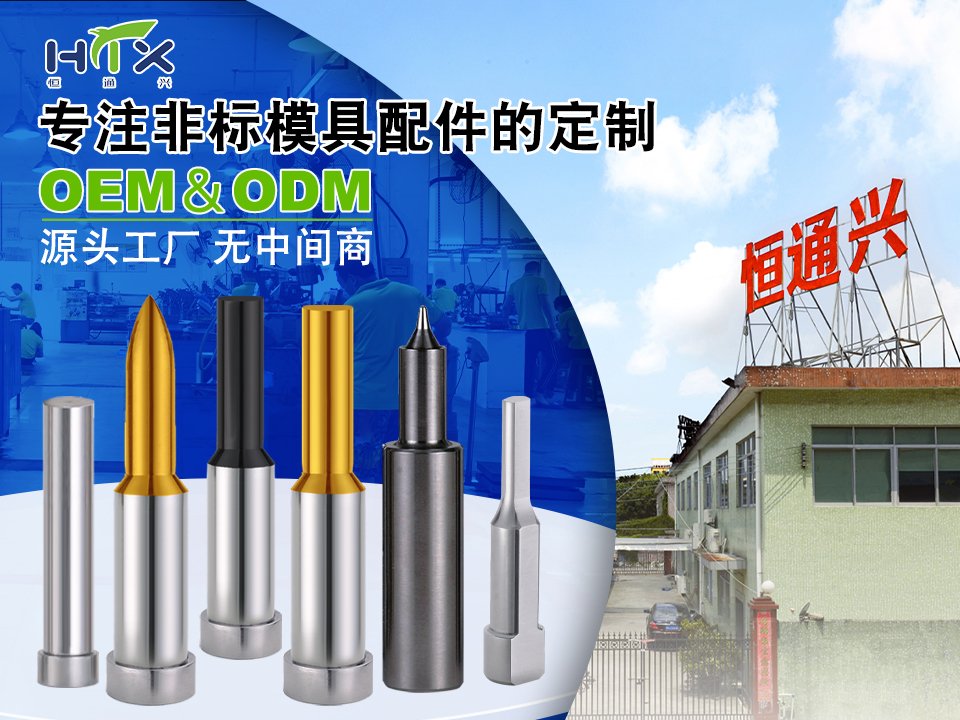
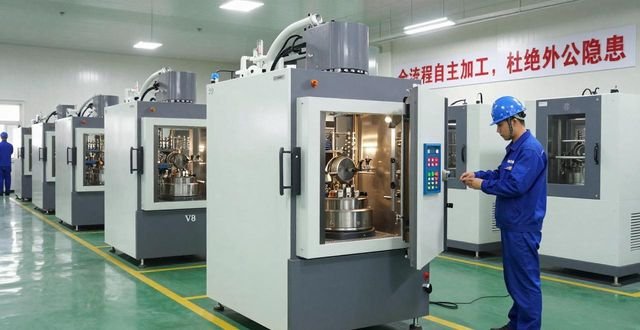
Hengtongxing has moved away from traditional, crude heat treatment methods to establish a standardised heat treatment workshop, equipped with a complete set of high-end heat treatment equipment, including V8 vacuum heat treatment furnaces, cryogenic treatment equipment, controlled-atmosphere heat treatment furnaces and more, enabling the company to undertake a full range of heat treatment processes—including vacuum quenching, nitriding, cryogenic treatment and tempering—to meet the heat treatment requirements of various mould steels such as SKD61, SKH51, H13 and S136, amongst others. The company carries out the entire process in-house without outsourcing any stage, thereby eliminating, from a hardware perspective, the quality and lead-time risks associated with outsourcing and ensuring the stability and consistency of the heat treatment results.
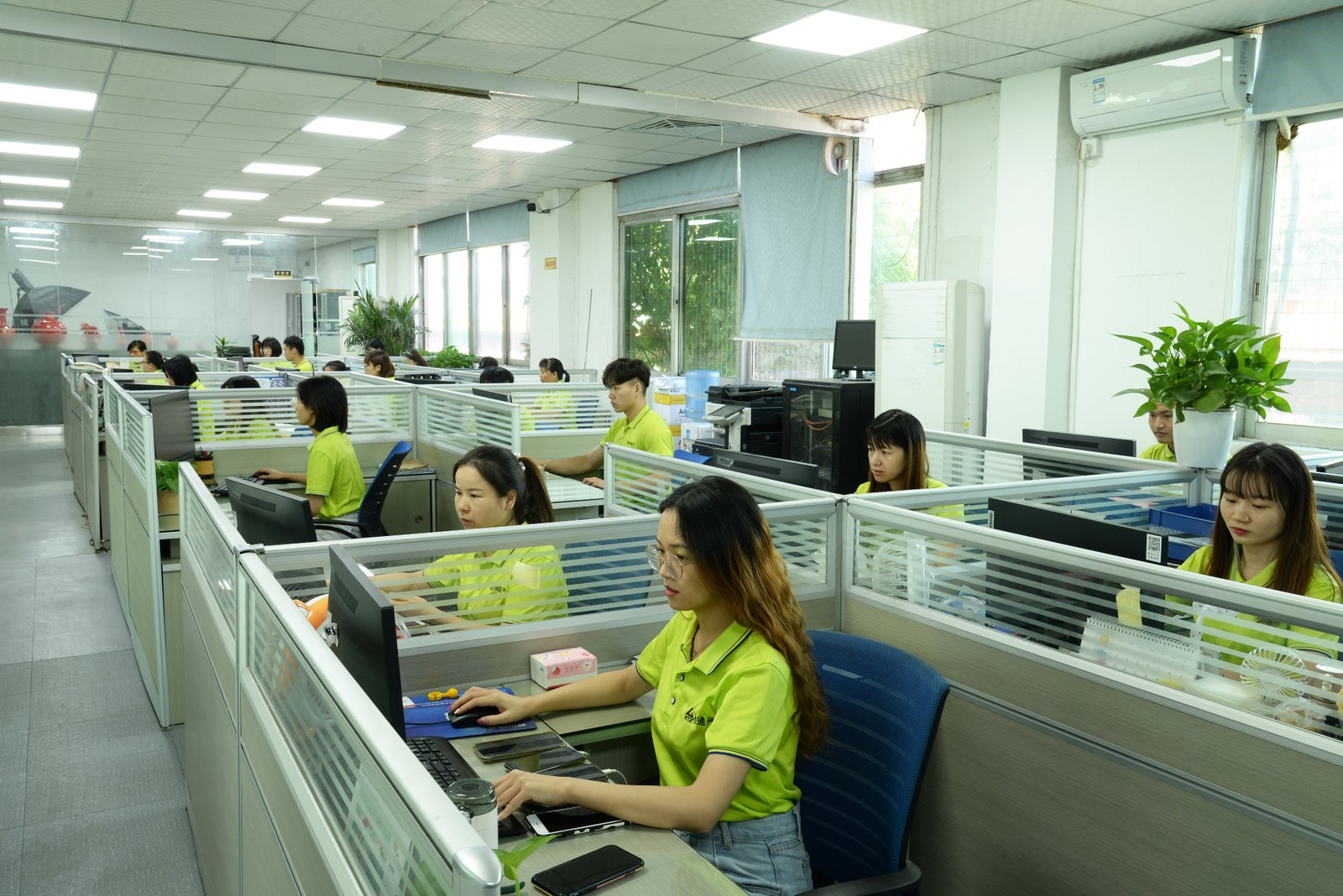
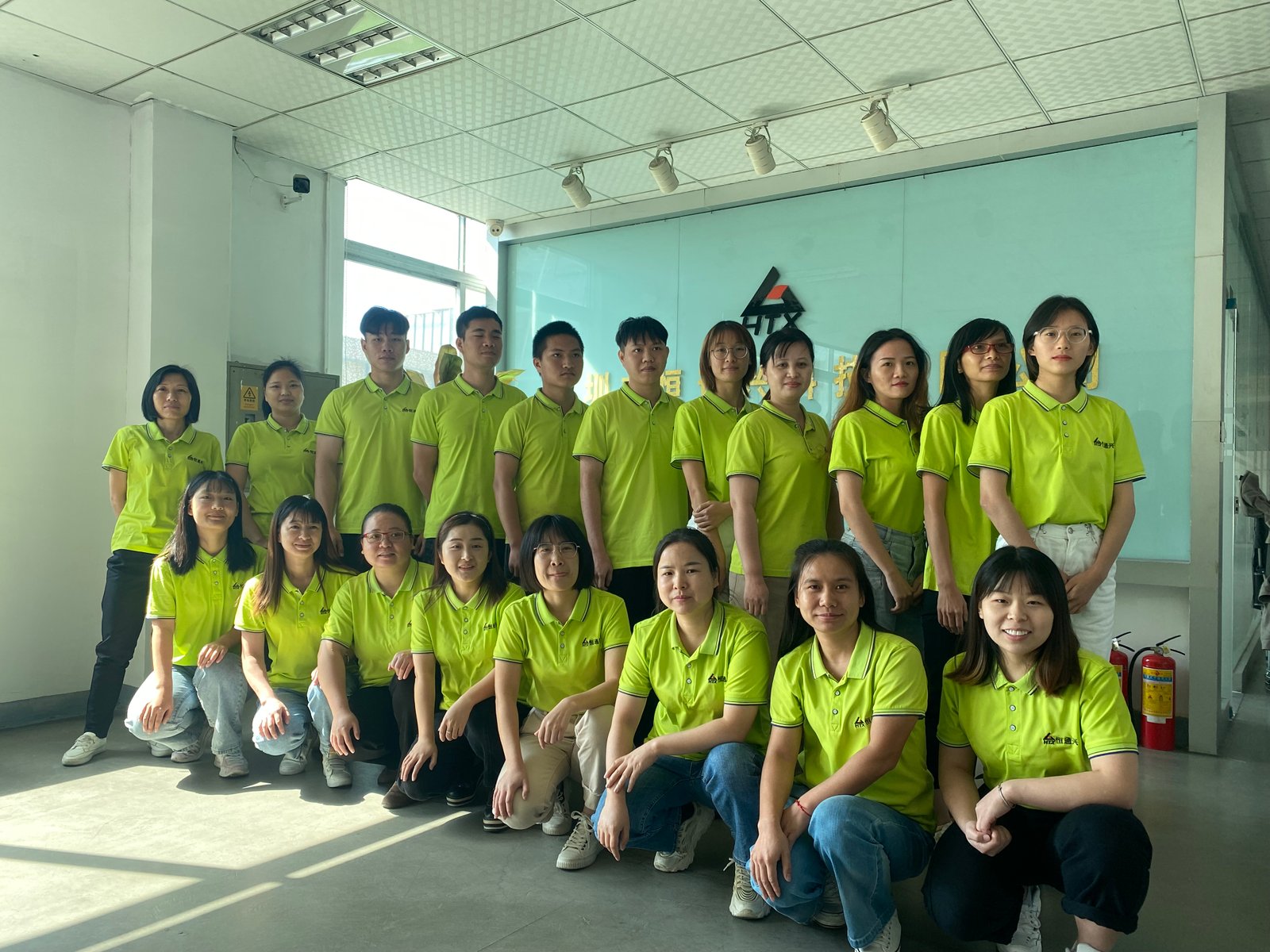
In response to the complex structures and diverse operating conditions characteristic of non-standard mould components, Hengtongxing has assembled a 65-strong team of technical specialists, the core members of whom all possess over ten years’ experience in heat treatment processing, They are thoroughly familiar with the principles and operational standards of heat treatment processes for parts made from various materials, and have accumulated experience with thousands of heat treatment cases involving non-standard parts. This enables them to precisely address corporate requirements by integrating the material, structural characteristics and operating conditions of the parts to create bespoke heat treatment plans, precisely controlling temperature, holding times and cooling rates to achieve an ideal match between the process and the client’s requirements.
For non-standard components requiring improved wear resistance and resistance to deformation, the application of a combined process involving V8 vacuum heat treatment and cryogenic treatment prevents oxidation and decarburisation of the component surface in a vacuum environment, thereby ensuring uniform hardness. Cryogenic treatment effectively eliminates internal stresses in the parts, enhancing toughness and wear resistance. Parts treated in this manner maintain a stable hardness of HRC 60 ± 2, with a service life two to three times that of parts subjected to conventional heat treatment; For parts prone to deformation, such as thin-walled or irregularly shaped components, we optimise clamping methods and heat treatment parameters. By employing a process involving staged heating and slow cooling, we effectively prevent issues such as deformation and cracking, ensuring that the dimensional accuracy of the parts meets the required standards.
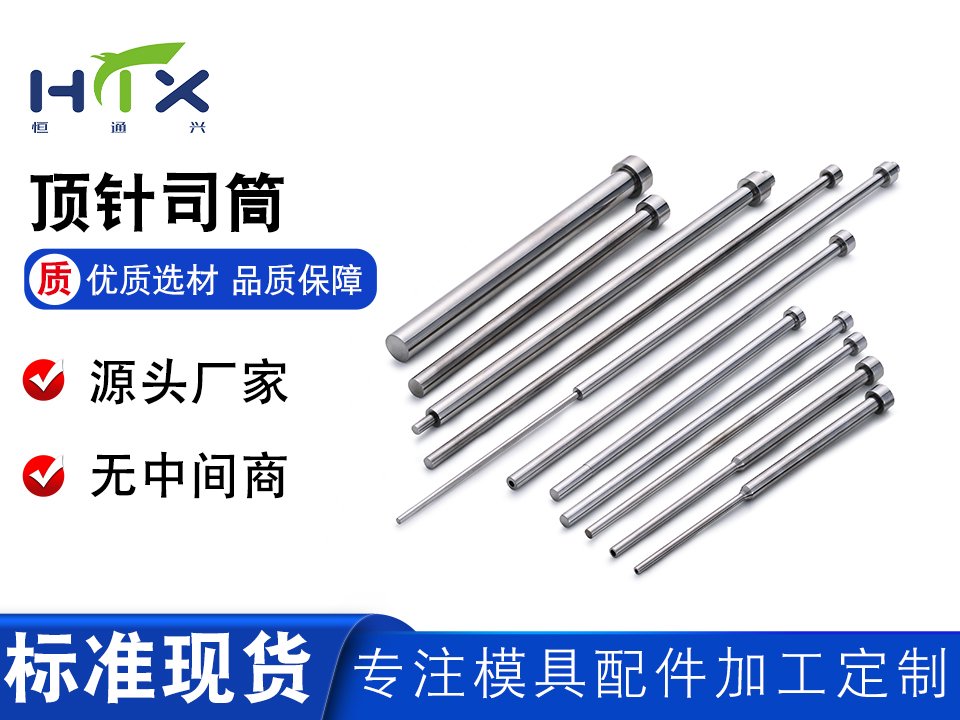
Hengtongxing adheres to the principle of “matching materials to operating conditions and prioritising quality”. It has maintained long-term partnerships with internationally renowned steel suppliers in Japan, Germany, Sweden and elsewhere, carefully selecting high-quality mould steels such as SKD61, SKH51, H13 and S136 – all of which combine high hardness, high wear resistance and high toughness. We carefully match materials to the heat treatment requirements and operating conditions of each component, ensuring stable performance of heat-treated parts right from the outset; after all, raw materials form the very foundation of the quality in the machining of non-standard heat-treated mould components.
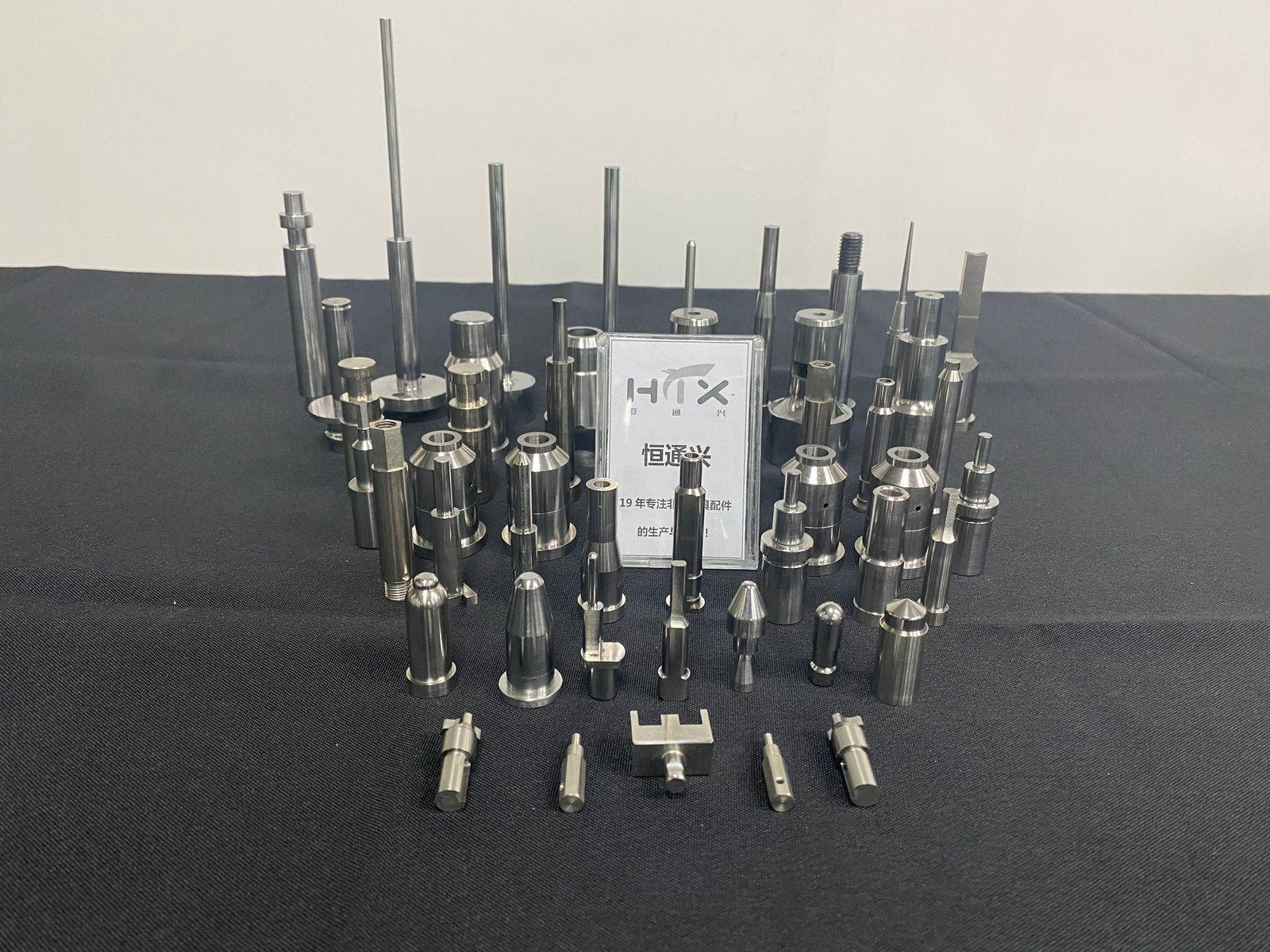
Each batch of raw materials due to be stored in the warehouse undergoes rigorous spectral analysis, performance testing and defect screening prior to entry, thereby establishing a comprehensive material traceability system. Following a period of static ageing, internal stresses are thoroughly eliminated, thereby ensuring the material is in a stable state, achieving uniform performance and preventing substandard materials from entering the production process; For components made from different materials, pre-treatment processes must be optimised in advance to lay the groundwork for subsequent heat treatment stages, thereby further enhancing the effectiveness of the heat treatment and the quality of the components, whilst reducing the rework rate.
At the heart of ensuring the quality of Hengtongxing Heat Treatment’s custom-made mould component machining lies its rigorous quality control system. The company has established a 13-step end-to-end QC inspection mechanism and is equipped with 18 pieces of specialised precision inspection equipment, such as hardness testers, coordinate measuring machines and high-magnification microscopes, to implement rigorous control over the entire heat treatment process—from incoming raw material inspections, through pre-heat treatment dimensional checks, to parameter monitoring during the heat treatment process, and finally to hardness testing and full dimensional inspection of finished products, with every stage subject to rigorous scrutiny.
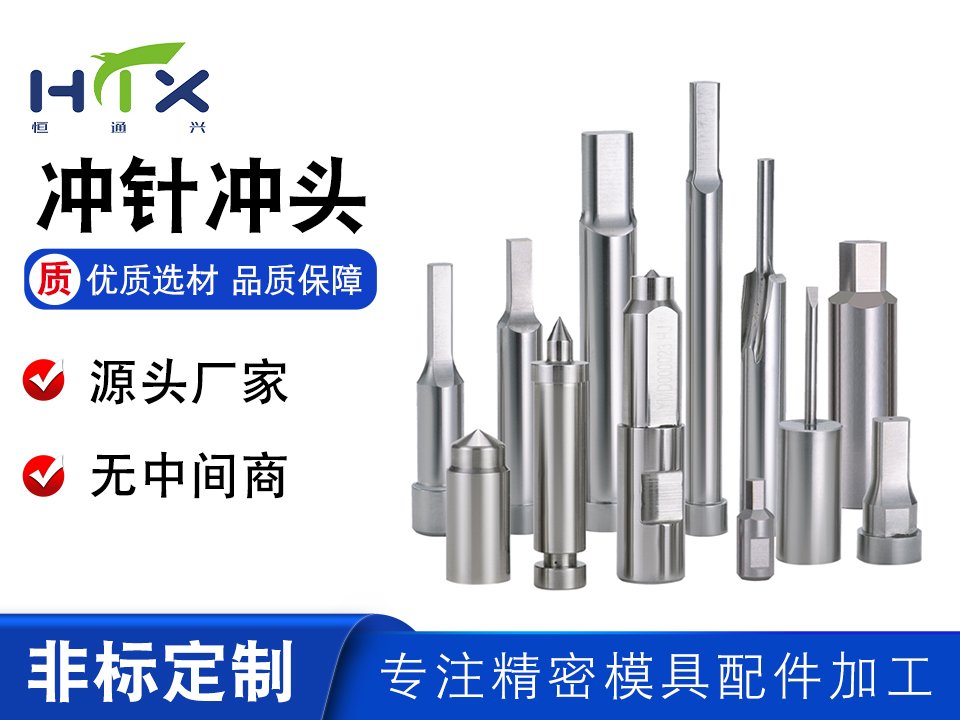
Following the completion of heat treatment, hardness testing and dimensional verification are carried out on each component to ensure that hardness and dimensional accuracy fully comply with the specifications set out in the drawings. For critical components, additional non-destructive testing procedures are implemented to detect internal cracks, defects and other issues, thereby keeping the defect rate to a minimum; At the same time, the heat treatment parameters for each component are recorded to establish a comprehensive production traceability system, facilitating subsequent traceability for the company and ensuring consistent quality and stable performance across every batch of components.
In terms of delivery and service, Hengtongxing has optimised its production processes by utilising the Zhezhen ERP digital management system. This enables end-to-end visualised control over the entire production process for custom-made heat-treated mould components, allowing the company to monitor production progress, heat treatment parameters and inspection results in real time, thereby eliminating the need for repeated communication and enquiries. Thanks to efficient workflow integration and intelligent capacity allocation, standard orders are delivered within 7 to 15 days, whilst urgent orders can be processed on a priority basis. Coupled with a convenient logistics system, this enables rapid delivery to Dongguan and the surrounding areas, ensuring parts are delivered on time and safeguarding the smooth progress of the company’s production plans.
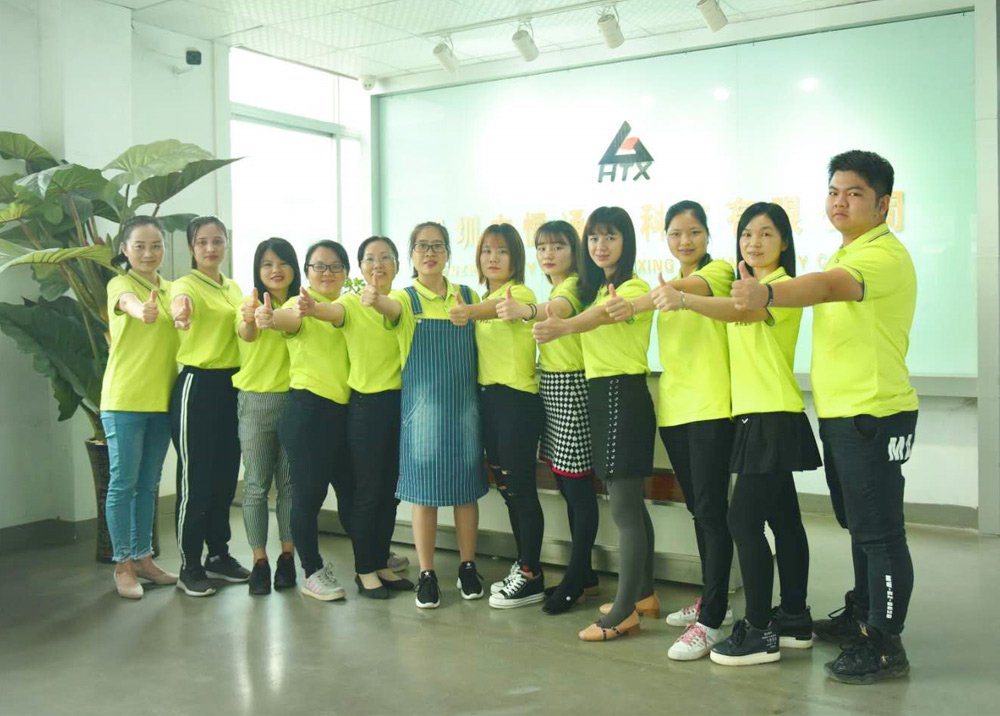
As a manufacturer, Hengtongxing’s quoted prices are transparent and reasonable; there are no mark-ups from intermediaries, nor are there any hidden charges. Based on the complexity of the parts, material requirements and the difficulty of the heat treatment process, we provide a detailed quotation breakdown, enabling companies to clearly understand where each expense is allocated and to precisely control manufacturing costs. The company supports orders starting from a single piece as well as batch processing, catering to the new product development needs of small and medium-sized enterprises whilst also meeting the requirements for large-scale production of major corporations. At the same time, it optimises heat treatment processes to reduce energy consumption and material wastage, thereby further lowering processing costs for businesses.
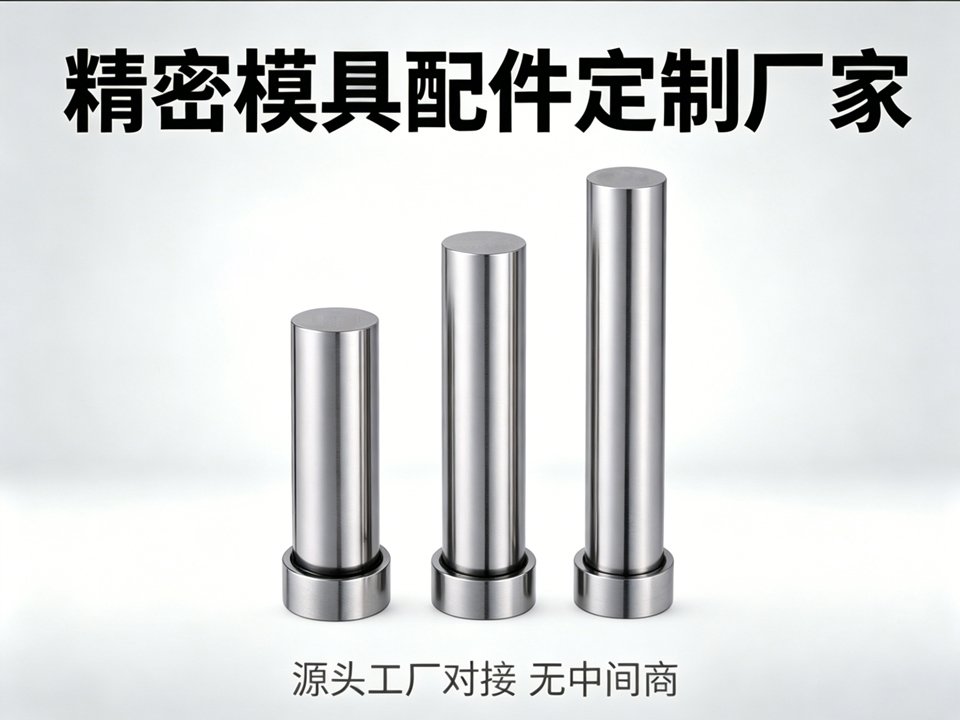
In terms of after-sales support, Hengtongxing provides comprehensive technical support and after-sales service. Should any issues arise with heat-treated parts—such as hardness failing to meet standards, dimensional deviations, deformation or cracking—the company will, after thoroughly investigating the situation, carry out re-heat treatment or re-machining free of charge, without shirking responsibility or offering a perfunctory solution, ensuring that the client’s production is not disrupted. Furthermore, the company provides long-term technical guidance, offering timely and professional advice on issues such as wear and tear and maintenance arising during the use of parts, thereby helping clients extend the service life of parts and moulds and reduce long-term maintenance costs. Hengtongxing has established long-term, stable processing partnerships with renowned companies such as Foxconn and BYD.
The thermal processing of non-standard mould components is key to improving the quality of mould parts; only source factories possessing core processes and robust capabilities can effectively resolve the industry’s most challenging issues and provide high-quality, highly consistent machining services. Manufacturers lacking specialised equipment, with insufficient technical capabilities and lax quality control, are ultimately unable to meet the core requirements of manufacturing enterprises.
Shenzhen Hengtongxing Technology Co., Ltd., building on more than two decades of industry experience, supported by advanced heat treatment equipment, centred around a professional technical team, and underpinned by rigorous quality control, is dedicated to the processing of non-standard mould components via heat treatment. meticulously managing every nuance of each process and optimising every stage of production. Through the delivery of high-quality heat-treated components, the company demonstrates the capabilities and commitment of a source manufacturer, thereby helping manufacturing enterprises improve the operational stability of their moulds and achieve efficient, large-scale production.



 Chinese
  Japanese
  English
  German
  Finnish
暂无评论内容