

2026Industrial robotsHarmonic reducerSample Performance and Reliability Analysis Report
I. Report on the Performance and Reliability of Harmonic Reducers for Industrial Robots in 2026
1.1 Background to the Harmonic Reducer Industry
1.2 Applications of Harmonic Reducers in Industrial Robots
1.3 Performance Analysis of Harmonic Reducers
1.3.1 Accuracy Analysis
1.3.2 Efficiency Analysis
1.3.3 Noise Analysis
1.4 Reliability Analysis of Harmonic Reducers
1.4.1 Analysis of Seismic Performance
1.4.2 Analysis of Corrosion Resistance
1.4.3 Life analysis
1.5 Development Trends in the Harmonic Reducer Industry
1.5.1 Moving towards high-end development
1.5.2 Green Development
1.5.3 Smart Development
II. Key Technologies and Development Trends in Harmonic Reducers
2.1 Analysis of Key Technologies in Harmonic Reducers
2.1.1 Geometric Design
2.1.2 Selection of Materials
2.1.3 Manufacturing Process
2.1.4 Heat treatment
2.2 Analysis of Trends in Harmonic Reducers
2.2.1 Integration
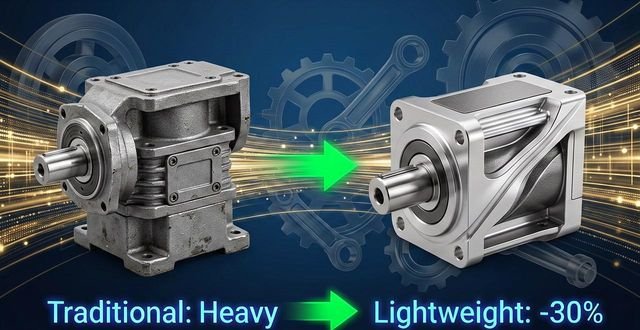
2.2.2 Weight Reduction
2.2.3 Smart Technology
2.2.4 Customisation
2.3 Competitive Landscape of the Harmonic Reducer Industry
2.4 Industry Policies and Challenges in the Harmonic Reducer Sector
III. Market Analysis and Competitive Landscape of Harmonic Reducers
3.1 Market Size and Growth Trends
3.2 Analysis of Market Structure
3.2.1 Geographical Distribution
3.2.2 Areas of Application
3.2.3 Product Types
3.3 Analysis of the Competitive Landscape
3.4 Market Challenges and Opportunities
IV. Technological Innovation and R&D Developments in Harmonic Reducers
4.1 Areas of technological innovation
4.2 R&D Updates
4.3 Technological Breakthroughs and Applications
4.4 Research and Development Collaboration and Exchange
4.5 Future Trends
V. Analysis of the Harmonic Reducer Industry Chain and Development Trends
5.1 Overview of the Industry Chain
5.2 Analysis of the various stages of the industrial chain
5.2.1 Supply of upstream raw materials
5.2.2 Midstream manufacturing
5.2.3 Downstream Application Areas
5.3 Trends in the Industry Chain
5.4 Challenges and Opportunities in the Industry Chain
VI. Policy Environment and Influencing Factors in the Harmonic Reducer Industry
6.1 Analysis of the Policy Environment
6.2 Analysis of Influencing Factors
6.3 The Impact of the Policy Environment on the Industry
6.4 Impact of influencing factors on the industry
VII. Investment Analysis and Risk Warning for the Harmonic Reducer Industry
7.1 Analysis of Investment Prospects
7.2 Analysis of Investment Risks
7.3 Investment Strategy Recommendations
7.4 Risk Alerts and Mitigation Measures
VIII. Future Outlook and Recommendations for the Harmonic Reducer Industry
8.1 Industry Development Trends
8.2 Market Outlook Analysis
8.3 Areas for Technological Innovation
8.4 Recommendations for the Development of the Industry
8.5 Policy Recommendations
IX. Risk Management and Response Strategies in the Harmonic Reducer Industry
9.1 Risk Identification
9.2 Risk Assessment
9.3 Risk Management Strategies
9.4 Risk Management Mechanisms
X. Strategies for Sustainable Development in the Harmonic Reducer Industry
10.1 Sustainable Development Strategy
10.2 Sustainability Measures
10.3 Sustainable Development Goals
10.4 Policy Recommendations for Sustainable Development
10.5 Case Studies in Sustainable Development
XI. Analysis of the International Competitiveness of the Harmonic Reducer Industry
11.1 Overview of International Competitiveness
11.2 Analysis of the International Competitiveness of China’s Harmonic Reducers
11.3 Strategies for Enhancing International Competitiveness
XII. Investment Analysis and Recommendations for the Harmonic Reducer Industry
12.1 Analysis of the Investment Environment
12.2 Analysis of Investment Risks
12.3 Analysis of Investment Opportunities
12.4 Investment Recommendations
12.5 Analysis of Investment Case Studies
XIII. Conclusions and Outlook
13.1 Conclusions
13.2 Outlook
I. Report on the Performance and Reliability of Harmonic Reducers for Industrial Robots in 2026
1.1 Background to the Harmonic Reducer Industry
With the ongoing advancement of industrial automation worldwide, industrial robots have become a key piece of equipment driving the process of industrial modernisation. As a vital component of industrial robots, the performance and reliability of harmonic reducers directly influence the overall performance and stability of the machinery. In recent years, China’s harmonic reducer industry has experienced rapid development, with the market expanding year on year.
1.2 Applications of Harmonic Reducers in Industrial Robots
Harmonic reducers, which offer numerous advantages such as high precision, high efficiency and low noise, are widely used in industrial robots, CNC machine tools and automated equipment. In China, harmonic reducers have become a key component in the development of the industrial robotics sector, and their performance and reliability are of paramount importance to the performance of robots.
1.3 Performance Analysis of Harmonic Reducers
1.3.1 Accuracy Analysis
The precision of harmonic reducers is primarily determined by their geometric accuracy and manufacturing processes, High-precision harmonic reducers ensure the stability of a robot’s motion trajectory during the transmission process, thereby enhancing the robot’s operational accuracy. Chinese manufacturers of harmonic reducers should strengthen technological innovation and improve both geometric accuracy and manufacturing processes to meet the demands of high-end industrial robots.
1.3.2 Efficiency Analysis
Efficiency is a key indicator of a harmonic reducer’s performance; a high-efficiency unit reduces energy loss and improves energy utilisation. By optimising designs, using high-performance materials and employing advanced manufacturing techniques, Chinese manufacturers can enhance the efficiency of these products, thereby reducing operating costs.
1.3.3 Noise Analysis
Any unnecessary sound produced during the operation of a harmonic reducer constitutes noise. If a harmonic reducer generates excessive noise, it will adversely affect the robot’s operating environment, thereby also impacting the operator’s experience. Chinese manufacturers of harmonic reducers must prioritise noise-reduction design, utilising noise-dampening materials and advanced manufacturing processes to enhance product comfort and reliability.
1.4 Reliability Analysis of Harmonic Reducers
1.4.1 Analysis of Seismic Performance
It is important to note that harmonic reducers are subjected to various types of vibration and shock during operation; therefore, vibration resistance is a key indicator for assessing their reliability. Our harmonic reducer manufacturers should therefore improve the structural design of their products and select materials with high elasticity and wear resistance in order to enhance the products’ vibration resistance.
1.4.2 Analysis of Corrosion Resistance
During the period in which harmonic reducers are in use, they are exposed to the effects of corrosive substances; therefore, their corrosion resistance is a critical factor in ensuring their smooth and stable operation over the long term. Chinese enterprises engaged in the manufacture of harmonic reducers should select corrosion-resistant materials and optimise structural designs to enhance the products’ corrosion resistance.
1.4.3 Life analysis
The service life of a harmonic reducer is a direct reflection of its reliability. Chinese manufacturers of harmonic reducers can extend the service life of their products—and thereby reduce maintenance costs—by improving manufacturing processes, optimising materials and refining structural designs.
1.5 Development Trends in the Harmonic Reducer Industry
1.5.1 Moving towards high-end development
Given the continuous advancement of industrial automation, the performance and reliability requirements for harmonic reducers are becoming increasingly stringent. Furthermore, looking ahead, high-end harmonic reducers are set to become the dominant trend in the market, thereby meeting the specific demands of high-end industrial robots.
1.5.2 Green Development
As environmental awareness continues to grow, green harmonic reducers are set to become a key focus in the industry’s development. Manufacturing companies should prioritise green manufacturing, improve resource efficiency and work towards energy conservation and emissions reduction.
1.5.3 Smart Development
Intelligent harmonic reducers combine technologies such as artificial intelligence and the Internet of Things to enable functions such as remote monitoring and predictive maintenance, thereby enhancing the product’s level of intelligence.
II. Key Technologies and Development Trends in Harmonic Reducers
2.1 Analysis of Key Technologies in Harmonic Reducers
A harmonic reducer is a type of transmission device that is both highly efficient and precise. Its key technologies encompass several aspects, including geometric design, material selection, manufacturing processes and even heat treatment.
Geometric design: The geometric design of a harmonic reducer forms the foundation for ensuring its transmission performance and precision. During the design process, it is essential to give full consideration to the shape, dimensions and positioning of the harmonic gears, as well as their interrelationship with the harmonic generator. Such precise geometric design ensures that the reducer delivers high precision, low noise and high efficiency.
The choice of materials for harmonic reducers directly determines their service life and performance. Generally speaking, harmonic reducers are made from materials such as low-carbon steel, alloy steel or stainless steel, which possess high strength, hardness and wear resistance. Furthermore, depending on the specific application, special alloys or composite materials may also be required.
In terms of manufacturing processes, these have a significant impact on the quality of harmonic reducers, whilst also playing a crucial role in their performance. Manufacturing processes include heat treatment, grinding and gear hobbing, as well as gear profiling. These processes require a high degree of precision and consistency to ensure the performance and reliability of the reducer.
Heat treatment is a crucial process for enhancing the performance of materials used in harmonic reducers. Through heat treatment, the hardness and wear resistance of the materials can be improved, thereby extending the service life of the reducer.
2.2 Analysis of Trends in Harmonic Reducers
With the continuous advancement of technology, the harmonic reducer industry is also exhibiting the following trends:
Integration: In order to further enhance the performance of harmonic reducers and reduce costs, one of the future trends is to achieve an integrated design, combining the harmonic reducer with components such as motors and controllers into a single unit to create a modular product that is easier to install and use.

Higher Standards: As the level of industrial automation continues to rise, increasingly stringent requirements are being placed on the weight and size of harmonic reducers. Consequently, lightweight design has become one of the key trends in the harmonic reducer industry. By optimising the structural design and utilising lightweight materials, it is possible to reduce the weight of the reducer and enhance its dynamic performance.
With the rapid development of the Internet of Things and the rapid advancement of artificial intelligence technology, harmonic reducers will gradually become intelligent. By utilising integrated sensors, controllers and communication modules, they will enable remote monitoring, fault diagnosis and intelligent adjustment.
As market demand becomes increasingly diverse, the harmonic reducer industry is set to move towards customisation, with manufacturers able to provide bespoke designs and services tailored to specific customer requirements, thereby meeting the needs of different application scenarios.
2.3 Competitive Landscape of the Harmonic Reducer Industry
On a global scale, competition within the harmonic reducer industry is extremely fierce, with the main competitors including Japanese and German firms such as SEW, as well as Swedish brands like SEMA, which hold a dominant market position. Although China’s harmonic reducer manufacturers have made some progress in both technology and market share, there remains a certain gap between them and international advanced standards.
2.4 Industry Policies and Challenges in the Harmonic Reducer Sector
In China, the government attaches great importance to the development of the harmonic reducer industry and has introduced a series of policy measures aimed at supporting innovation and industrial upgrading within the sector. However, the harmonic reducer industry still faces the following challenges:
Domestic harmonic reducer manufacturers still lag behind international standards in key core technologies, reflecting a lack of technological innovation capacity; therefore, it is necessary to increase investment in research and development in order to enhance their capacity for independent innovation.
The harmonic reducer industry chain comprises numerous stages, including raw materials, component manufacturing and system integration; however, there are shortcomings in coordination within the industry chain, and these shortcomings will inevitably hinder the sector’s overall progress.
Chinese manufacturers of harmonic reducers lack competitiveness in the high-end market; this shortcoming stems from the circumstances described above, which make it difficult for them to meet the requirements of high-end industrial robots, ultimately resulting in a lack of competitiveness in the high-end market.
III. Market Analysis and Competitive Landscape of Harmonic Reducers
3.1 Market Size and Growth Trends
Globally, the market for harmonic reducers continues to grow, driven primarily by increasing levels of industrial automation and the ongoing expansion of new application areas. In recent years, alongside the rapid development of industrial robots in China, demand for harmonic reducers has become increasingly robust, thereby driving the continuous expansion of the market.
Market Size: According to statistics, the global market for harmonic reducers was valued at approximately XX billion US dollars in 2019. It is projected to grow to XX billion US dollars by 2026, with a compound annual growth rate of XX%.
The rapid development of China’s industrial robotics sector has led to a sustained increase in demand for harmonic reducers, with this trend showing no signs of abating. In particular, harmonic reducers offer broad prospects for application in the automotive manufacturing, 3C electronics, medical equipment and logistics sectors.
3.2 Analysis of Market Structure
The market structure for harmonic reducers can be analysed by region, by application sector, and by product type.
In terms of geographical distribution, the global harmonic reducer market is currently heavily concentrated in Asia, Europe and North America. Among these regions, China—as the world’s largest market for industrial robots—has an extremely high demand for harmonic reducers.
Areas of application: Harmonic reducers are widely used and can be found in various industrial applications, including robots, numerically controlled machine tools and related automation equipment. In recent years, as these emerging fields of application continue to expand, the scope of potential applications for harmonic reducers is set to grow significantly.
Based on their gear ratios, precision and structural characteristics, harmonic reducers are categorised into three types: high-precision, medium-precision and low-precision. Among these, high-precision harmonic reducers, which are primarily used in the high-end industrial robotics sector, are in high demand on the market.
3.3 Analysis of the Competitive Landscape
In the global harmonic reducer market, the competitive landscape exhibits the following characteristics:
The high-end market is dominated by international brands: In the high-end market for harmonic reducers, international brands such as Japanese manufacturers, Germany’s SEW and Sweden’s SEMA hold a dominant position, offering products with superior performance and strong brand influence.
In recent years, Chinese harmonic reducer manufacturers have made significant technological and market progress, and domestic companies have gradually emerged as key players; for instance, Siasun Robotics has become a major supplier in the domestic harmonic reducer market, Siasun Robotics has become a major supplier in the domestic harmonic reducer market, whilst Effort Robotics has also become a major supplier in the domestic harmonic reducer market.
Keeping pace with the rapid development of China’s harmonic reducer industry, the competitive landscape is set to undergo changes. Firstly, domestic enterprises will intensify their efforts in technological innovation and comprehensive brand building, thereby enhancing the competitiveness of their product range. Secondly, global brands operating on an international scale will increase their investment in China to consolidate their position in the high-end market.
3.4 Market Challenges and Opportunities
As far as the harmonic reducer market is concerned, the main challenges it faces include technological innovation, coordination within the supply chain, and a lack of competitiveness in the high-end market.
The situation is as follows: China’s industrial robotics sector is currently undergoing rapid development. Against this backdrop, the market for harmonic reducers is set to exhibit new trends, thereby ushering in fresh opportunities for growth. Furthermore, government policies are providing support, coupled with growing market demand and ongoing industrial upgrading and progress. These factors will create vast development prospects for the harmonic reducer industry.
IV. Technological Innovation and R&D Developments in Harmonic Reducers
4.1 Areas of technological innovation
Technological innovation in harmonic reducers is primarily focused on the following areas:
To enhance precision, we utilise optimised geometric designs, high-precision materials and advanced manufacturing processes to improve the transmission accuracy of harmonic reducers, thereby meeting the requirements of high-end industrial robots.
To reduce the noise generated by harmonic reducers during operation, it is necessary to investigate new noise-reducing materials and technologies in order to achieve this objective and thereby enhance user comfort.
To improve efficiency, we enhance the transmission efficiency of harmonic reducers and reduce energy loss by optimising the transmission structure, utilising high-performance materials and employing advanced manufacturing processes.
4.2 R&D Updates
In recent years, Chinese companies specialising in harmonic reducers have increased their investment in the research and development of new materials, such as high-temperature alloys and composites, with the aim of enhancing product performance and extending their service life.
Chinese manufacturers of harmonic reducers have introduced innovations in their manufacturing processes, adopting advanced machining techniques such as precision grinding and electrical discharge machining (EDM). The aim is to improve product accuracy and surface finish.
In line with the trends of Industry 4.0, Chinese manufacturers of harmonic reducers have begun to focus on intelligent R&D, such as integrating sensors, controllers and communication modules, to enable remote monitoring and intelligent adjustment of the reducers, thereby advancing intelligent R&D.
4.3 Technological Breakthroughs and Applications
Breakthroughs have been achieved at the technical level: Chinese enterprises engaged in the manufacture of harmonic reducers have made a series of breakthroughs in key technological areas, including high-precision harmonic gear design, the effective use of new materials, and high-efficiency transmission structures.
Advances in Application Areas: Thanks to technological breakthroughs, harmonic reducers have found applications in numerous fields, such as the aerospace sector, the medical device industry and the precision instrument sector.
4.4 Research and Development Collaboration and Exchange
Chinese manufacturers of harmonic reducers actively engage in industry-academia-research collaboration with universities, as well as with research institutes, working together to drive technological innovation and foster talent development.
With a view to enhancing their technical capabilities, Chinese manufacturers of harmonic reducers actively participate in international exhibitions, seminars and other events, engaging in technical exchanges and collaboration with their international counterparts to foster international cooperation.
4.5 Future Trends
As technological innovation continues to advance, future developments in harmonic reducer technology will place greater emphasis on improving precision, reducing noise and enhancing efficiency.
With the rapid development of the Internet of Things and artificial intelligence, harmonic reducers will evolve towards greater intelligence and integration.
As environmental awareness continues to grow, manufacturers of harmonic reducers will place increasing emphasis on green manufacturing practices, striving to reduce energy consumption and pollutant emissions—an approach that falls within the scope of environmental protection.
V. Analysis of the Harmonic Reducer Industry Chain and Development Trends
5.1 Overview of the Industry Chain
The harmonic reducer industry chain comprises an upstream raw materials supply segment, with raw materials primarily consisting of metals such as steel, copper and aluminium, as well as alloy materials; a midstream manufacturing segment, which involves the design, machining and assembly of harmonic gears; and a downstream applications segment, which covers a wide range of industries including industrial robots, CNC machine tools and automated equipment.
5.2 Analysis of the various stages of the industrial chain
The supply of upstream raw materials is the very foundation upon which the harmonic reducer industry chain relies. In recent years, China’s production capacity for metals and alloys has remained in a state of oversupply, leading to significant fluctuations in raw material prices. To reduce costs, some enterprises have opted to source high-quality raw materials from various domestic and international locations as they expand their operations.
Let us first consider the midstream manufacturing stage, which is the core of the harmonic reducer industry chain. Most of China’s harmonic reducer manufacturers are concentrated in the Yangtze River Delta, the Pearl River Delta and the Bohai Rim regions. This segment encompasses the design of harmonic gears, the machining process, and assembly, among other stages. It demands a high level of technical expertise and equally high standards in terms of manufacturing processes.
As for the final segment of the harmonic reducer supply chain—namely, the link to the application sector—the scope of applications for harmonic reducers in industries such as industrial robotics, CNC machine tools and automated equipment is constantly expanding, driven by the ongoing rise in industrial automation.
5.3 Trends in the Industry Chain
The integration of the industrial chain aims to enhance its overall competitiveness. In the future, the harmonic reducer industry chain will move towards greater integration, with upstream raw material suppliers, midstream manufacturers and downstream application companies strengthening their cooperation to establish a framework for coordinated development across the entire industrial chain.
Technological innovation plays a driving role and is crucial to the development of the harmonic reducer industry chain. By increasing investment in research and development, the performance and reliability of harmonic reducers can be enhanced, thereby meeting the requirements of high-end applications.
Green manufacturing, driven by growing environmental awareness, is set to become a key development trend within the harmonic reducer industry chain, and companies will be paying close attention to this.



 Chinese
  Japanese
  English
  German
  Finnish
暂无评论内容