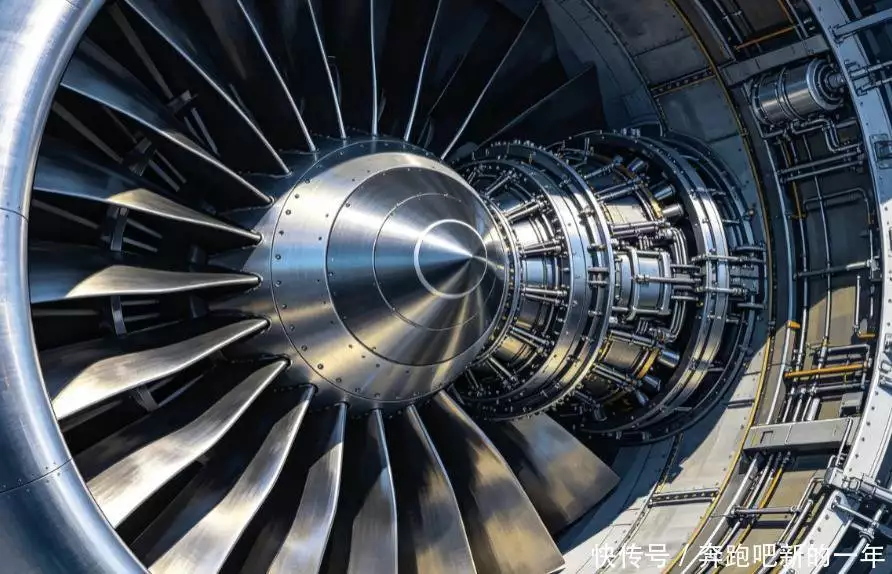


From commercial airliners gliding through the clouds, to advanced fighter jets soaring through the skies, and to the aircraft engines powering them, the modern aviation industry has made tremendous strides—a development that would not have been possible without a material that is unassuming yet central to the sector: aerospace titanium alloys. It is not as dazzling as gold, nor as heavy as steel; yet, thanks to its all-round properties—lightweight, high strength, heat resistance and corrosion resistance—it has become an irreplaceable “skeletal material” in the aviation sector and is hailed by the industry as the “metal of space”. It is fair to say that without the technological advancements in aerospace titanium alloys, the trend towards lighter, faster and longer-lasting modern aviation equipment would not have been possible. Today, Liduoxing & Wuxing Zhitou are here to share some insights into aerospace titanium alloys with you all!


No TV in the living room – this is the latest trend!
I. What are aerospace titanium alloys? Specialised materials ideally suited to the aerospace industry
There is a type of alloy known as titanium alloy, which is based on titanium and formed by smelting a mixture of titanium with various metallic elements such as aluminium, vanadium, molybdenum and chromium. Since its industrial application began in the 1950s, it has consistently been a core strategic material in the aerospace industry. Compared with traditional metals such as ordinary steel and aluminium alloys, titanium alloys specifically designed for aerospace applications have effectively addressed the performance shortcomings of traditional materials and precisely met the demands of the extreme operating conditions encountered in flight.
The TC4 (Ti–6Al–4V) titanium alloy, which is most widely recognised by the general public, is regarded as the “all-purpose alloy” in the aerospace sector. It accounts for more than half of the titanium alloys used in commercial aviation worldwide and was also the first titanium alloy grade to achieve large-scale industrial application. Its density is merely 4.43 g/cm³, less than that of 60% steel, whilst its tensile strength can reach 950 –. Its specific strength is 1.5 times that of aluminium alloys and 3.5 times that of ordinary structural steel, truly living up to the description of being “harder than steel and lighter than aluminium”.
In addition, aerospace titanium alloys are highly adaptable to various environmental conditions; they can withstand extremely low temperatures of –253 °C as well as high temperatures of around 600 °C, and are resistant to deformation and failure under high-temperature conditions. They possess excellent corrosion resistance and fatigue resistance, as well as non-magnetic properties. They can withstand the low temperatures of high altitudes, resist the impact of airflow and withstand the corrosive effects of complex environments such as water vapour oxidation, thereby significantly extending the service life of aerospace components.
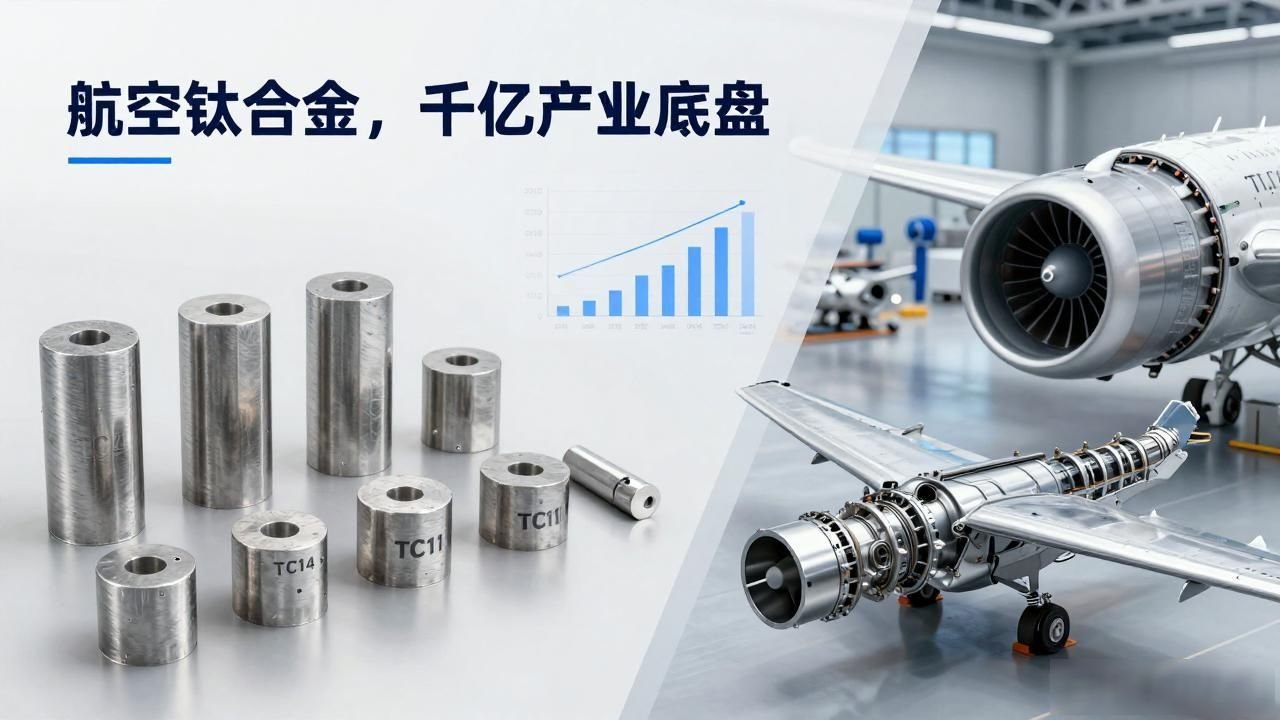
II. Classification: Different titanium alloys, each serving a specific role in aviation
Based on their microstructures at both room temperature and elevated temperatures, aerospace titanium alloys can be divided into five major categories. Each category has different performance priorities, enabling them to precisely meet the operational requirements of different parts of an aircraft; they have clearly defined roles and each fulfils its specific function.
Alpha-type titanium alloys are stable at room temperature, offer excellent weldability, possess outstanding fatigue resistance and excellent thermal properties; they are suitable for the manufacture of fixed structural components that are subjected to long-term, steady loads and must withstand high temperatures. They are frequently used in auxiliary structures such as aircraft fuselage insulation components and piping systems. Near-α titanium alloys retain the advantages of heat resistance whilst offering improved toughness and machinability; they are the core materials used for high-temperature components in aeroengines.
Alpha-beta titanium alloys, typified by TC4, are suitable for the vast majority of aerospace structural applications; their overall performance is among the most balanced, combining strength, ductility, weldability and machinability. They are currently the most widely used and most extensively employed aerospace titanium alloys, finding application in the main airframe structure, landing gear components and standard engine parts.
β-type titanium alloys offer higher strength and better toughness, unrivalled impact resistance and good cold-working properties, making them suitable for the manufacture of critical load-bearing components subjected to high-intensity impacts and complex loads—such as aircraft landing gear and wing joint connections—where they can maintain structural stability under extreme stress conditions. Titanium-aluminium intermetallic compounds, on the other hand, are characterised by their exceptional stability at ultra-high temperatures and are primarily used in high-temperature turbine components for high-end aeroengines, pushing beyond the heat resistance limits of traditional titanium alloys.
III. The All-Rounder in Aviation: Covering All Core Scenarios in Aircraft Operations
Globally, over 50% of titanium material is used in the aerospace sector. In terms of components, this ranges from small precision fasteners, and as large as the airframe structure and even the engine itself; it covers virtually all core components of aerospace equipment. Consequently, the aerospace industry has become the largest application sector for titanium alloys, which also provide crucial support for enhancing aircraft performance.
In the field of airframe structures, titanium alloys are a key material in the drive towards aircraft lightweighting. Aluminium alloys were widely used in aircraft in the past; whilst relatively light in weight, they lacked sufficient strength and heat resistance to cope with the demands of high-speed flight and complex manoeuvres. Replacing some steel and aluminium alloys with titanium alloys can reduce the weight of the airframe’s primary load-bearing structures by 20% to 30%; core components such as wing spars, fuselage frames and central wing boxes are all manufactured using titanium alloys on a large scale. Reducing the airframe’s weight means lower fuel consumption, increased range and greater payload or passenger capacity, which directly enhances the aircraft’s economic efficiency and combat performance.
In the field of aeroengines, titanium alloys are of particular significance, serving as the engine’s “high-temperature framework”. During operation, aeroengines reach extremely high internal temperatures and rotate at very high speeds, with components subjected to the combined rigours of high temperatures, high pressure and high-frequency vibrations. High-temperature titanium alloys are primarily used to manufacture critical components such as engine fans, compressor discs, blades and connecting rings. By replacing traditional nickel-based high-temperature alloys, they can reduce the overall weight of the compressor by 30%–35% whilst ensuring structural stability under high-temperature operating conditions. Currently, in advanced foreign aeroengines, the proportion of titanium alloys used can reach between 25 per cent and 39 per cent, whilst domestic engines in advanced models have similarly achieved, and in some cases made significant breakthroughs in, the proportion of titanium used.
Apart from this, aircraft landing gear is one of the critical components; hydraulic actuators are also classified as critical components; precision navigation components fall within the category of critical components; and aircraft equipment mounts are likewise critical components. These critical components are generally manufactured from aerospace-grade titanium alloys. They possess fatigue resistance and corrosion resistance; thanks to these properties, the landing gear can withstand tens of thousands of take-off and landing impacts, enabling precision airborne equipment to operate stably over the long term, whilst significantly reducing the probability of aircraft failure and substantially lowering maintenance costs.
IV. Weaknesses and Breakthroughs: The Path to Advancement for Imperfect Metals
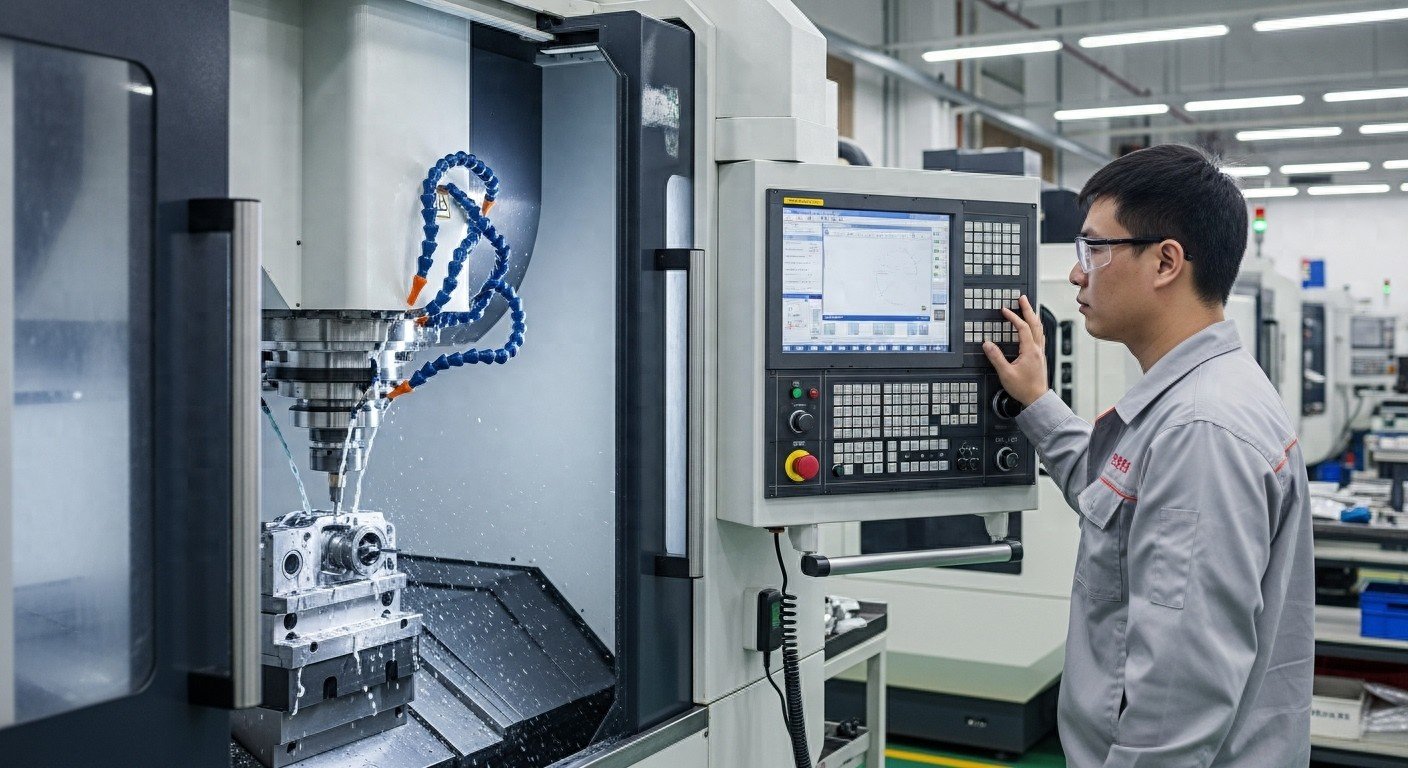
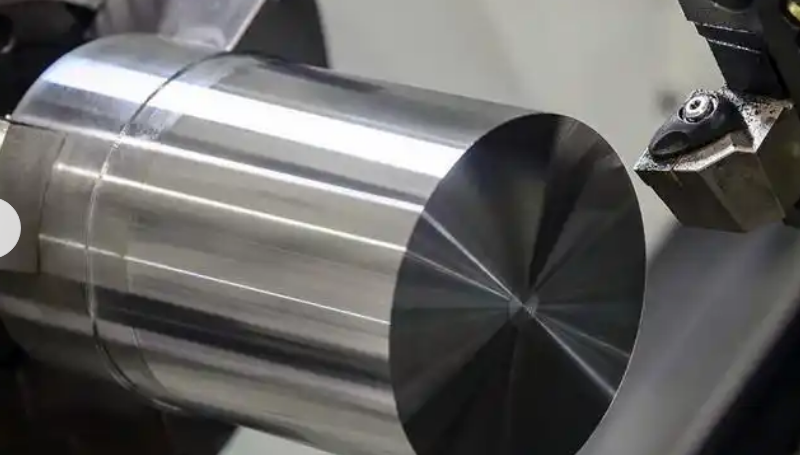
Although aerospace titanium alloys appear to possess every desirable property, they are not entirely without drawbacks; this remains a key issue that continues to be the focus of ongoing research in the field of aerospace materials. Firstly, there is a limitation regarding high-temperature resistance: conventional titanium alloys cannot withstand temperatures exceeding 600°C during long-term service. Once the critical temperature is exceeded, they are prone to oxidation and experience a sudden drop in strength, making them unsuitable for ultra-high-temperature components such as engine combustion chambers and turbine blades; Secondly, they are difficult to machine and costly to produce. Due to their high hardness and high viscosity, the machining and welding processes are complex and production cycles are lengthy, which significantly drives up the manufacturing costs of aerospace equipment; Furthermore, titanium alloys pose a risk of “titanium fire” under high-speed friction conditions; intense friction can easily trigger combustion, posing a threat to engine operational safety.
To overcome bottlenecks, we have continuously pursued technological innovation in the field of aerospace materials, both domestically and internationally. Domestically, starting from the early days when the proportion of titanium used in fighter aircraft was less than 2%, the sector has continued to develop; today, in advanced aircraft such as the J-20 and C919, the proportion of titanium exceeds 40%, marking a leap from catching up to leading the field. Currently, the industry is focusing its research efforts on three key areas: firstly, the research and development of ultra-high-temperature titanium alloys capable of withstanding temperatures above 600°C, with the aim of pushing the limits of high-temperature service; secondly, short-process, low-cost precision machining technologies to reduce the production costs of titanium alloy components; thirdly, wear-resistant and flame-retardant modification technologies, aimed at completely eliminating the risk of “titanium fires” and enhancing component safety.
V. Outlook for the Future: The Material Foundation of an Aviation Powerhouse
In fact, the essence of iterative upgrades in the aviation industry lies in the progressive advancement of materials technology. Nowadays, civil aircraft are increasingly being developed to be more fuel-efficient and capable of longer ranges, whilst military fighter aircraft are advancing towards supersonic capabilities, as well as towards greater stealth, high manoeuvrability and extended service lives. Aviation engines are simultaneously being upgraded towards higher thrust-to-weight ratios and greater efficiency. Consequently, the performance requirements for titanium alloys are constantly being raised!
In the future, high-end high-temperature titanium alloys will gradually see widespread application; the same will hold true for high-strength, high-toughness β-type titanium alloys and titanium-aluminium matrix composites. Digital precision manufacturing, as a new technology, is capable of overcoming the challenges associated with titanium alloy machining, as will 3D printing and additive manufacturing. These technologies enable the integrated formation of complex components, thereby further achieving weight reduction and efficiency gains, whilst also lowering costs. Aerospace titanium alloys are no longer merely simple structural materials; they have become the key to breakthroughs in the performance of aerospace equipment and a core strategic resource that defines the upper limits of the aerospace industry.
From the moment one looks up at the blue sky, right through to soaring freely across the heavens, the stability and speed of every flight are entirely dependent on this unassuming “space metal”. This tiny titanium alloy bears the weight of the aviation industry’s bright future, whilst at the same time it is also aaviation industryA key reflection of capability and the standard of materials science and technology.



 Chinese
  Japanese
  English
  German
  Finnish
No comments