


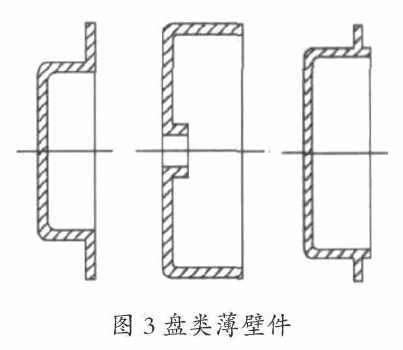
Thin-walled parts for humanoid robots, how to control machining deformation?3 Processes Revealed
In the development chain of humanoid robots, lightweight is an eternal theme. In order to reduce the burden on the motor and leave space for the range, engineers are eager to hollow out every aluminium alloy structural part. As a result, ultra-thin-walled parts with a wall thickness of 0.5mm-1.0mm have become the norm.
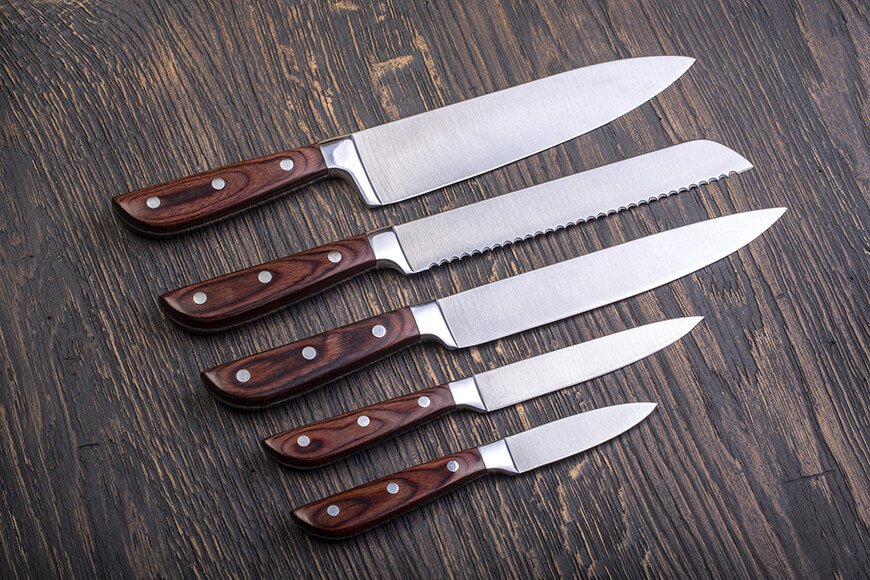
Do you know the difference between carbon steel and stainless steel?
High carbon steel is often used in high end kitchen knives as it is hard wearing, meaning it stays sharper for longer. Steel is found in everything from aerospace to kitchenware. Such diverse applications require a versatile material - and steel fits the bill.
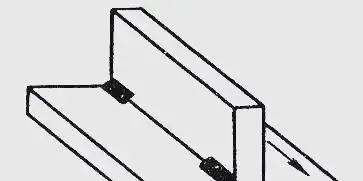
A Comprehensive Guide to Welding High-Quality Fillet Welds
Corner welds are a common feature in steel structure welding, and their diversity and complexity present welders with considerable challenges. Behind the various types of corner welds lie specific standards and requirements. So, how can corner welds be completed efficiently and accurately to meet engineering requirements?
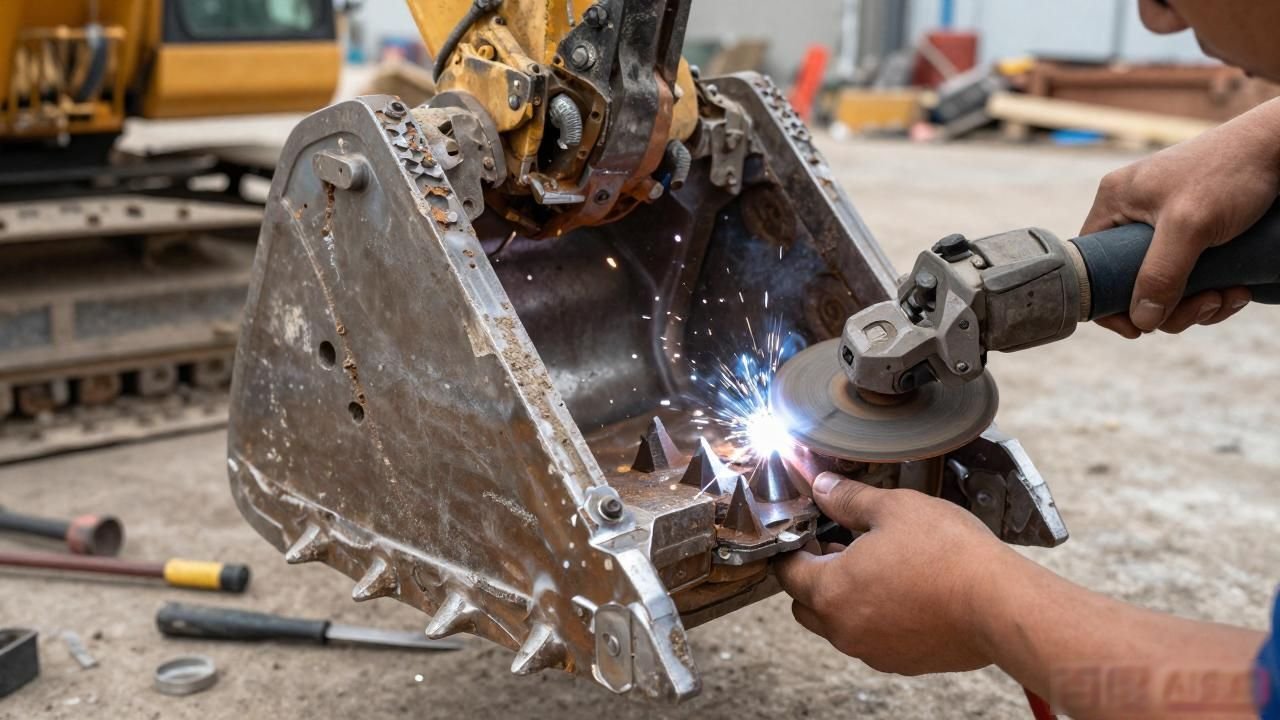
Methods for Welding and Repairing Excavator Buckets and Bucket Teeth
I. Bucket Materials and Their Weldability 1. Before welding, the weld area must be thoroughly cleaned—that is, the original cracked weld metal must be removed, either by grinding with an angle grinder or, where possible, by carbon arc gouging.

Methods for Addressing Deflection of the Main Girder of a Bridge Crane
January 1998 · Issue 1: Methods for Correcting Downward Deflection of the Main Girder of a Metallurgical Bridge Crane in Hunan Zheng Jinxian, Xiangtan Iron and Steel Company Abstract: The downward deflection of a bridge crane’s main girder is corrected using the principles of flame straightening. The correction process is as follows: First, an H-shaped support is spot-welded at the midpoint of the main girder; then, a hydraulic press is placed on the H-shaped support
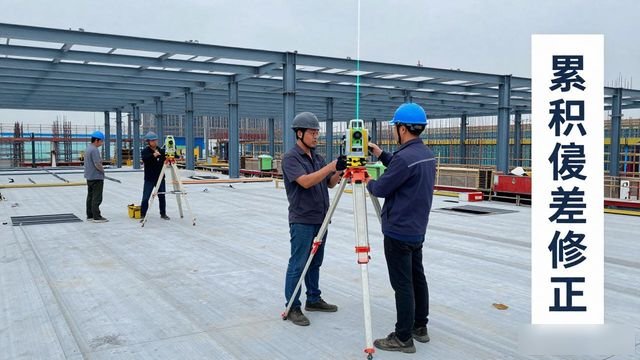
Methods for controlling verticality in the construction of high-rise steel structures?
II. Installation Process: Phased “Dynamic Adjustment” The installation of high-rise steel structures is typically carried out floor by floor in “segments” (each column section being 8–12 m in height), with verticality controlled through dynamic monitoring and real-time adjustments as installation progresses. 1
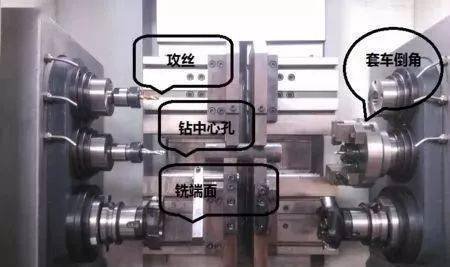
People always say that boring is difficult—but that’s only because you haven’t mastered these techniques yet!
During the boring process, check the wear on the cutting tools (inserts) at regular intervals and replace them promptly to ensure the quality of the bore diameter; it is strictly forbidden to change inserts during the finish boring stage to prevent errors. 12. After each machining step, strictly adhere to the process quality control requirements, carefully inspect the actual bore diameter and keep a record of the results.

Hardware products limited company: non-standard processing custom how to solve manufacturing pain points
Orders are surging, but the production line is stuck in the delivery of a shaped part; new product development sprint, but the prototype has repeatedly failed due to insufficient machining precision; equipment is in urgent need of upgrading, but the standard parts can not be matched - these moments, are you also in the past year, the most unwilling to face the anxiety?
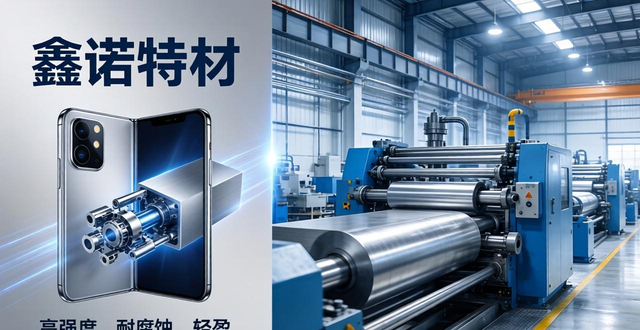
Xinnuo special materials: high-end titanium alloy materials for the new quality of productivity to build a solid foundation of “industrial food”.
Currently, we are in a critical period of transition from a “manufacturing power” to a “manufacturing power”. With the deepening of new industrialisation, the high-quality development of the manufacturing industry no longer relies solely on the expansion of scale, but rather shifts to a higher pursuit of the performance of basic materials, precision and batch consistency.
CNC machining technology for high-end precision manufacturing
The application of CNC technology has made a qualitative change in the traditional manufacturing industry, especially in recent years. The development of microelectronics technology and computer technology has brought new vigour to CNC technology. CNC technology and CNC equipment is an important foundation for the industrial modernisation of each country.
 Chinese
  Japanese
  English
  German
  Finnish