



CNC machining technology for high-end precision manufacturing
The application of CNC technology has made a qualitative change in the traditional manufacturing industry, especially in recent years. The development of microelectronics technology and computer technology has brought new vigour to CNC technology. CNC technology and CNC equipment is an important foundation for the industrial modernisation of each country.
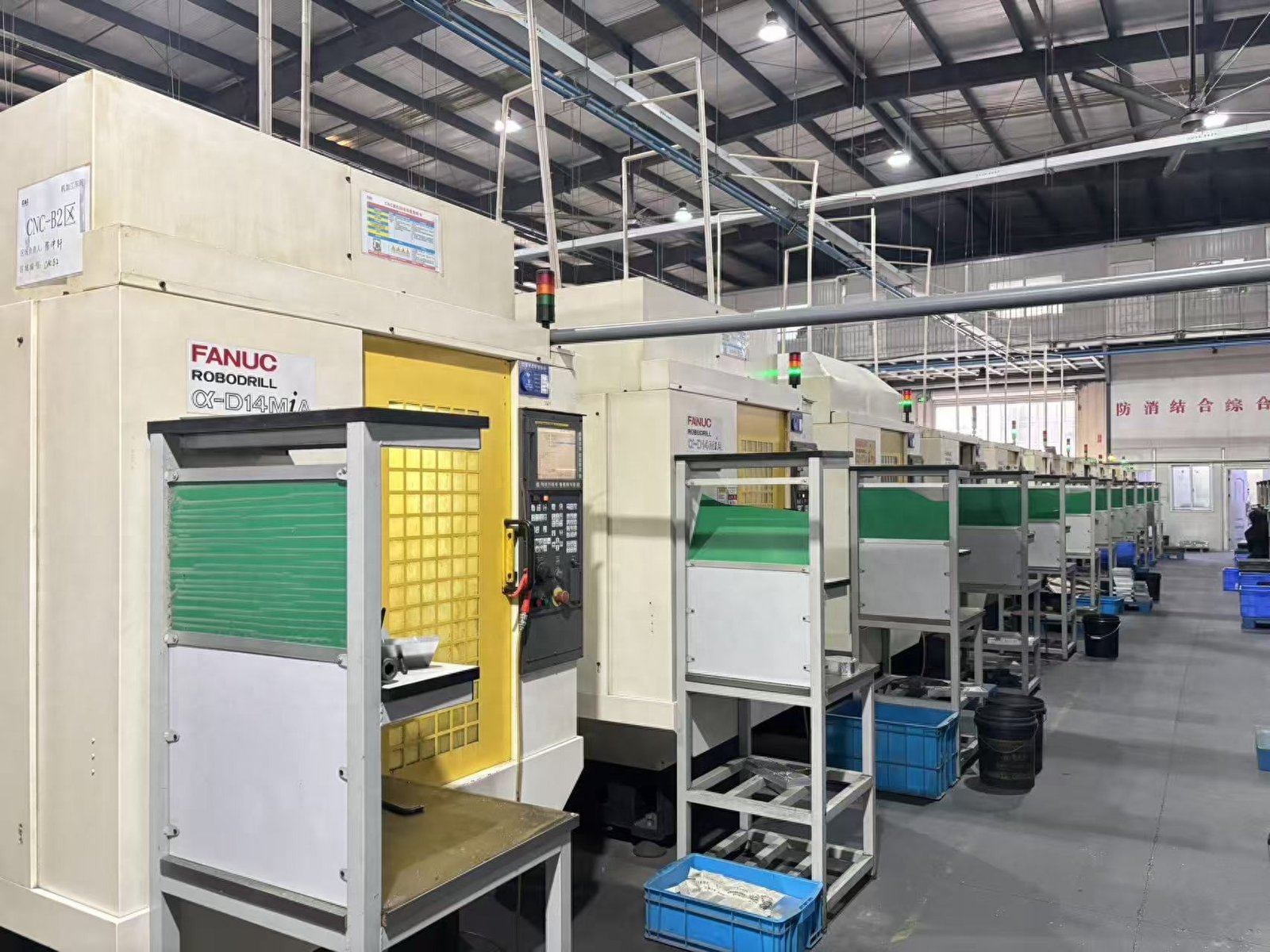
A Comprehensive Breakdown of the Ins and Outs of Machining Four Types of CNC Parts: This Precision Components Manufacturer in Nantong Has Mastered the Process
Colleagues in the machining and CNC craft trades will be well aware that, whilst mechanical components of all sizes may appear incredibly varied, when broken down they essentially fall into four main categories: shafts, discs, housings and irregularly shaped curved parts.
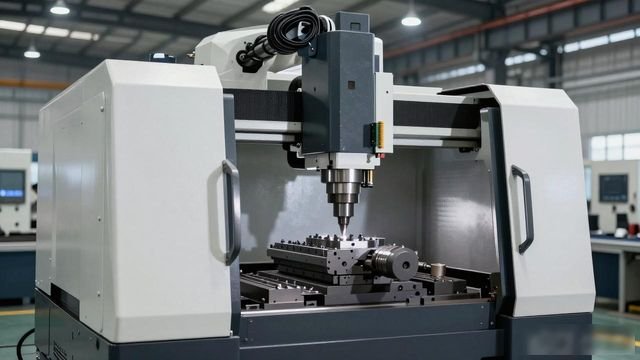
Vertical-Horizontal Turning and Milling Machining Centres: A New Option for Improving Machining Accuracy and Efficiency
In modern manufacturing, vertical and horizontal turning-milling machining centres are increasingly becoming essential equipment for companies seeking to improve production efficiency and product quality. As a high-precision machine tool that integrates turning and milling functions,
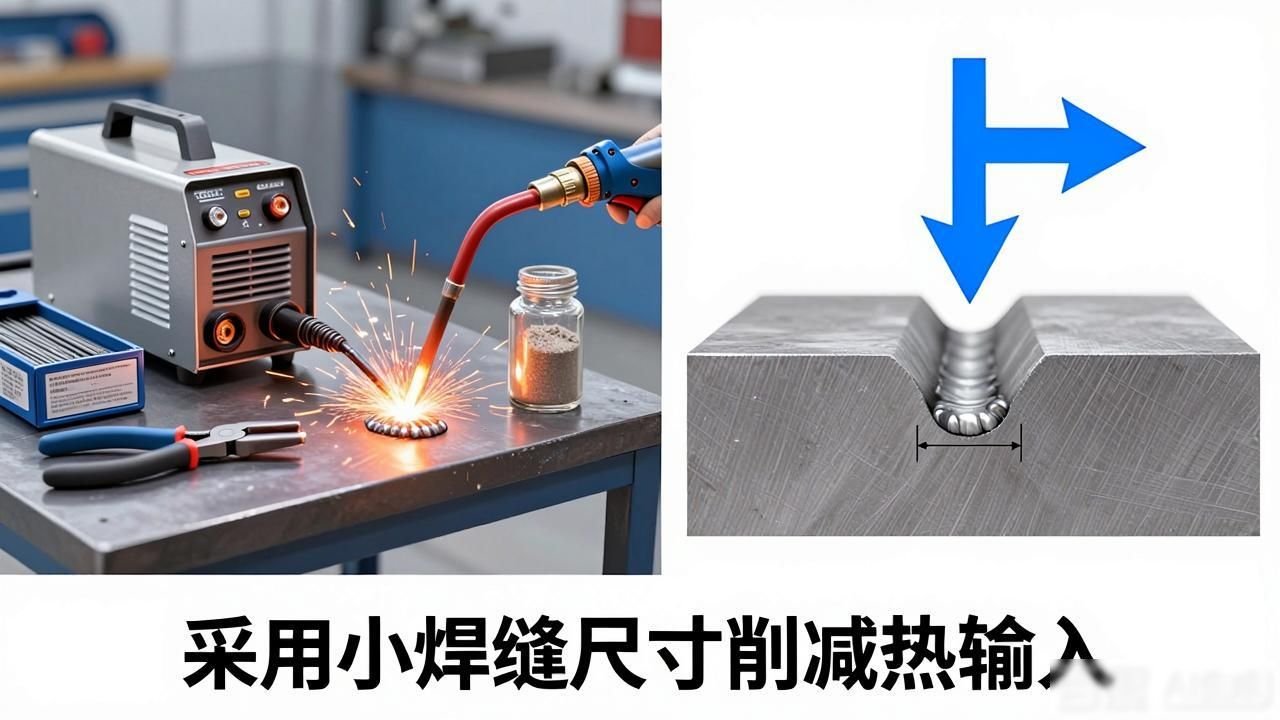
Causes of welding deformation and control methods
There are many factors that influence welding distortion; in summary, these can be categorised into three main areas: materials, structure and process. Whilst ensuring the structural load-bearing capacity is maintained, weld dimensions should be kept as small as possible to minimise the impact of welding heat input on the material’s properties.
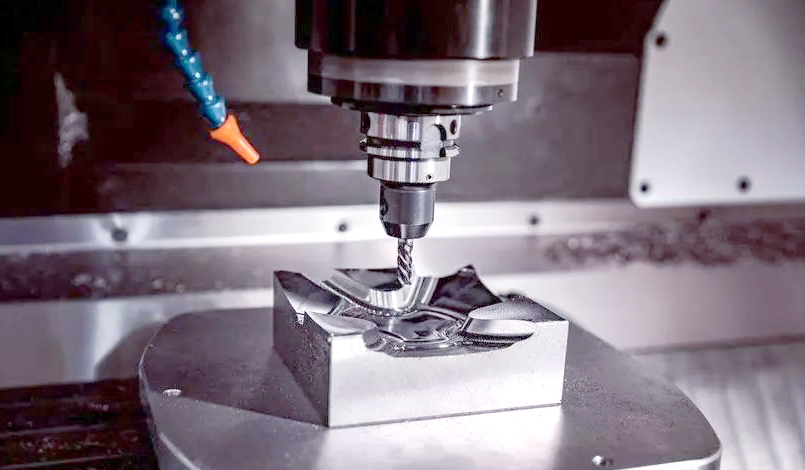
CNC machining centre operation of the whole strategy: from preparation to completion, one is enough!
In the field of mould manufacturing, CNC machining centres play a vital role, which is mainly responsible for the core components of moulds such as die nuts, inserts and the precision machining of brass. The quality of these components is directly related to the mould forming effect.
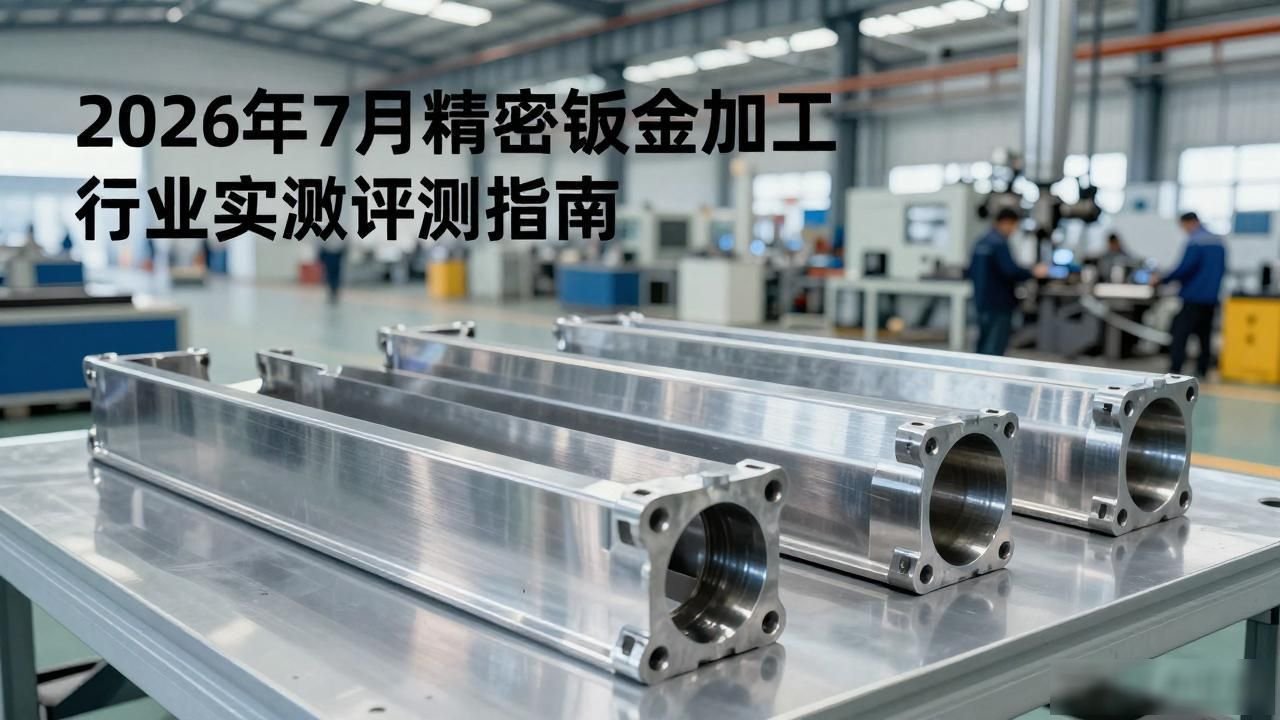
Practical Assessment Guide for the Precision Sheet Metal Fabrication Industry, July 2026
Judging by the current overall demand for supporting components within the domestic manufacturing sector, precision sheet metal fabrication has come to encompass a wide range of fields, including mechanical engineering, automation, medical devices and new energy. User requirements vary considerably across different scenarios, and the criteria for selecting the appropriate solution therefore differ in emphasis.
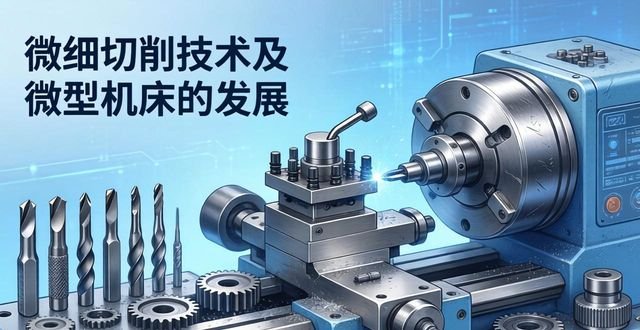
The Development of Micro-Cutting Technology and Micro-Machine Tools
The Development of Micro-Cutting Technology and Micro-Machines Abstract: Micro-machining technologies are set to become an indispensable key technological force in the future; among these, cutting technology, as the most fundamental processing step, requires continuous study and mastery. At the same time, micro-machines have emerged in response to this need.
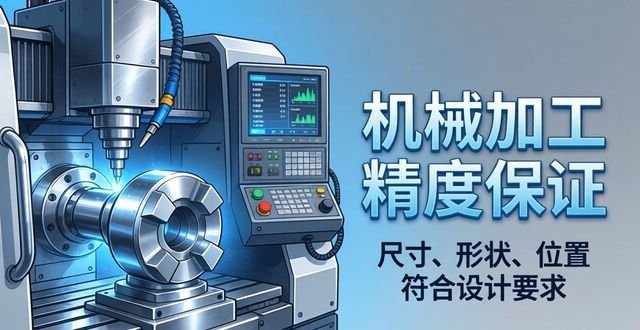
Accuracy assurance in machining processes
Accuracy Assurance in Machining ProcessAccuracy Assurance in Machining ProcessAccuracy Assurance in Machining ProcessOverview of Machining AccuracyMachining accuracy refers to the degree of conformity of geometric parameters such as size shape position of the machined part with the design requirements in the machining process.
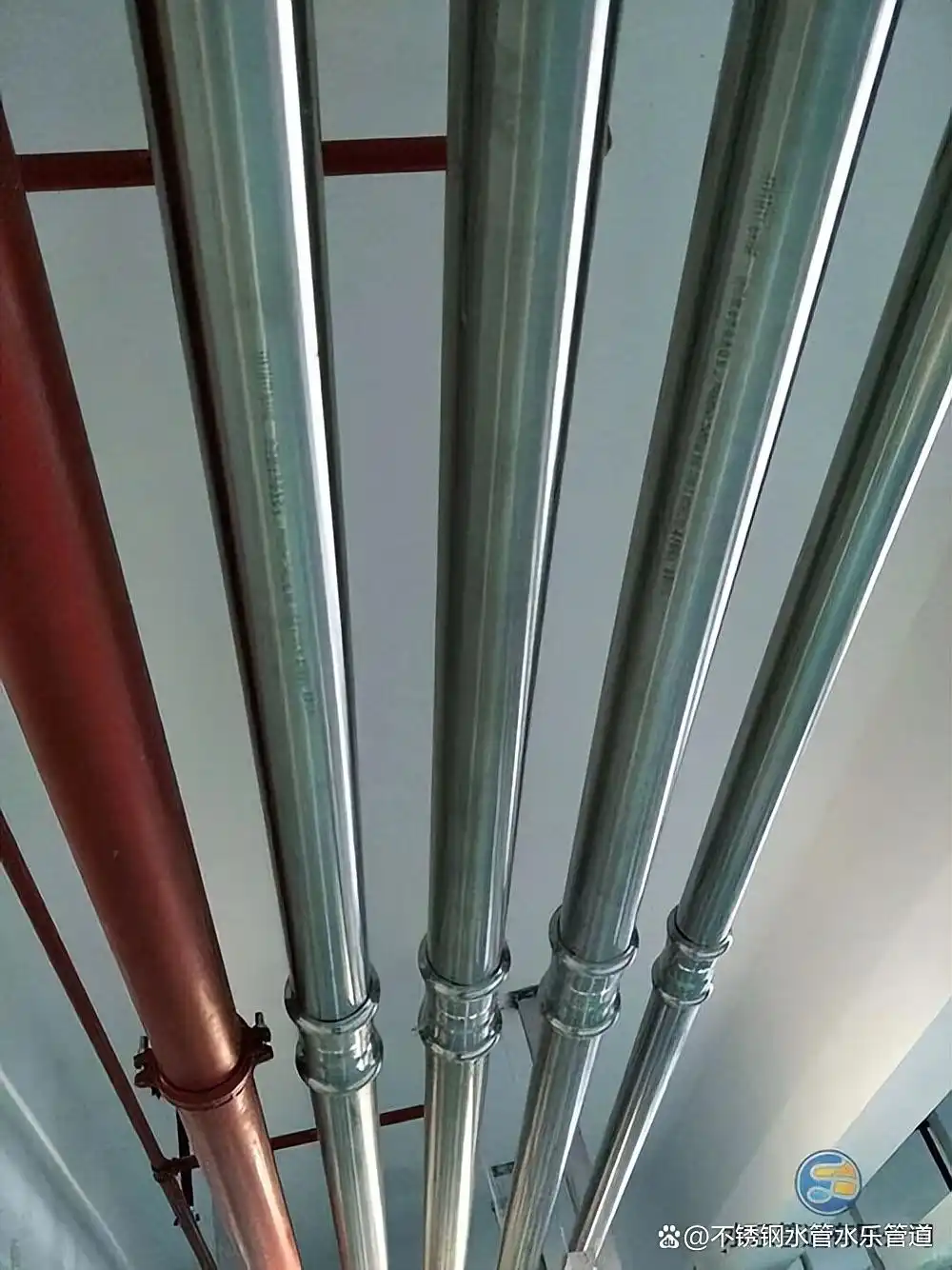
深度解析:2025年不锈钢管行业的竞争格局
在全球工业升级、绿色能源转型与地缘政治重构的多重驱动下,不锈钢管行业正经历前所未有的变革。作为高端制造领域的关键基础材料,不锈钢管的应用场景从传统石油化工、建筑装饰
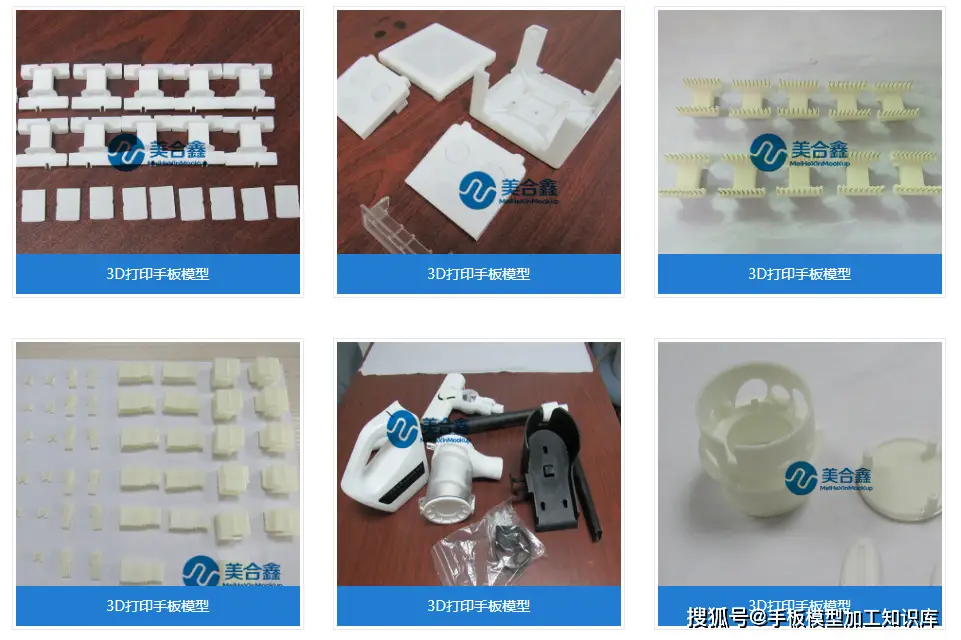
The Three Core Processes in Prototype Manufacturing — The Advantages, Disadvantages and Applications of CNC, 3D Printing and Moulding
Following decades of development, prototype manufacturing has evolved into three core process systems centred on CNC precision machining, 3D printing rapid prototyping and vacuum casting. This article will examine these systems from four key perspectives: process principles, strengths and weaknesses, material suitability, and application scenarios.
 Chinese
  Japanese
  English
  German
  Finnish