
arrange in order
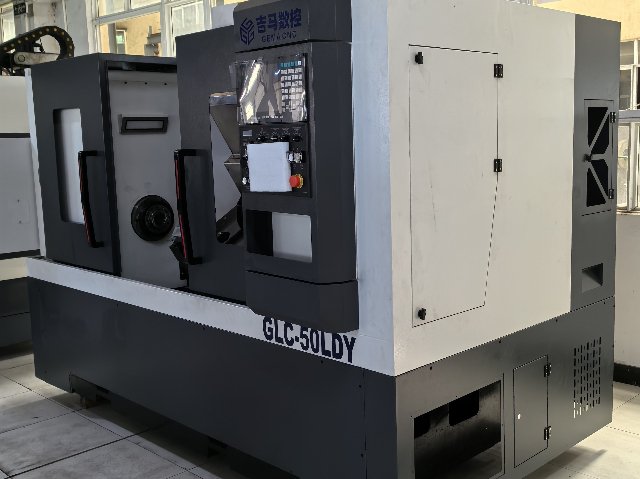
Prices for Nanjing Slant-Bed Turning and Milling Machining Centres – Nanjing Jima CNC Equipment Supply
Prices for Nanjing slant-bed turning and milling machining centres. Through deep integration with automation systems, CNC turning and milling machining centres have become key components in modern production lines. In the manufacture of 3C products,
 35 days ago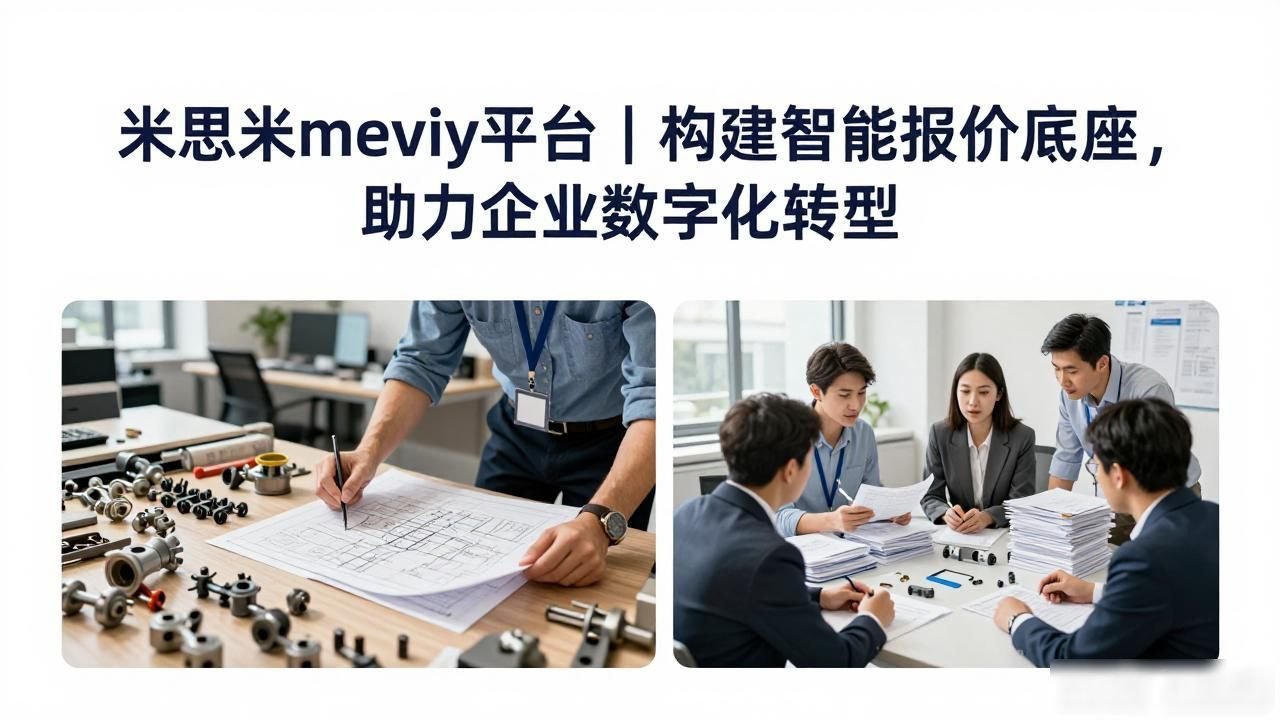
Mizumi meviy platform|Build a smart offer base to help enterprises' digital transformation
Digitalisation and intelligent upgrading is a rising boom within the sheet metal industry.
35 days ago
MIT scientists have discovered a new method for producing high-performance titanium alloys
As an important structural material with a wide range of applications, titanium alloys are used in sectors such as aerospace, energy infrastructure and biomedical equipment. However, like most other metals,
36 days ago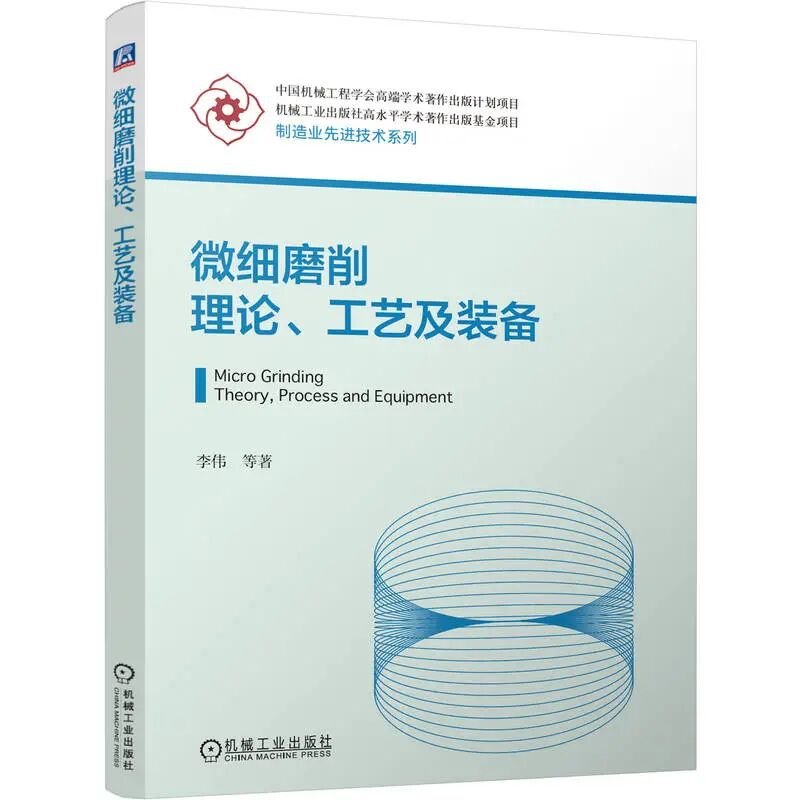
Theory, Processes and Equipment for Micro-Grinding
The rapid development of technologies such as aerospace, microelectronics and biomedicine has led to an ever-increasing demand for precision and ultra-precision micro-scale components with intricate structures (ranging from the micrometre to the millimetre scale), such as micro-laser gyroscopes, microsatellite components and micro-medical devices.
36 days ago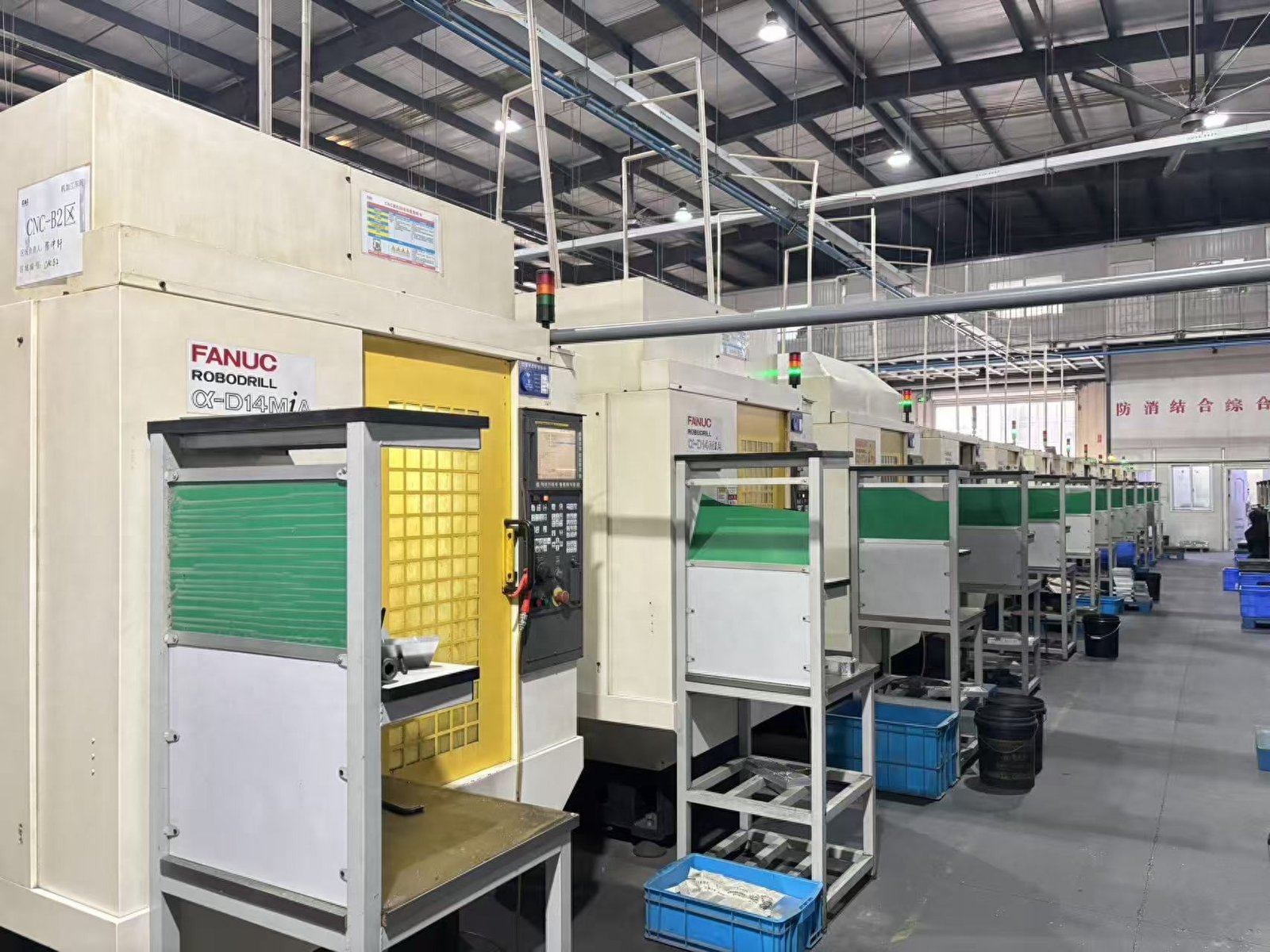
A Comprehensive Breakdown of the Ins and Outs of Machining Four Types of CNC Parts: This Precision Components Manufacturer in Nantong Has Mastered the Process
Colleagues in the machining and CNC craft trades will be well aware that, whilst mechanical components of all sizes may appear incredibly varied, when broken down they essentially fall into four main categories: shafts, discs, housings and irregularly shaped curved parts.
36 days ago
What are the requirements for applying for a CNC programming role?
The requirements for CNC programming roles typically include: 1. Mastery of specialist knowledge; 2. Practical experience; 3. Software skills; and 4. Industry knowledge. Mastery of specialist knowledge forms the foundation; candidates must understand the operating principles of CNC machine tools and have a thorough grasp of machining processes.
37 days ago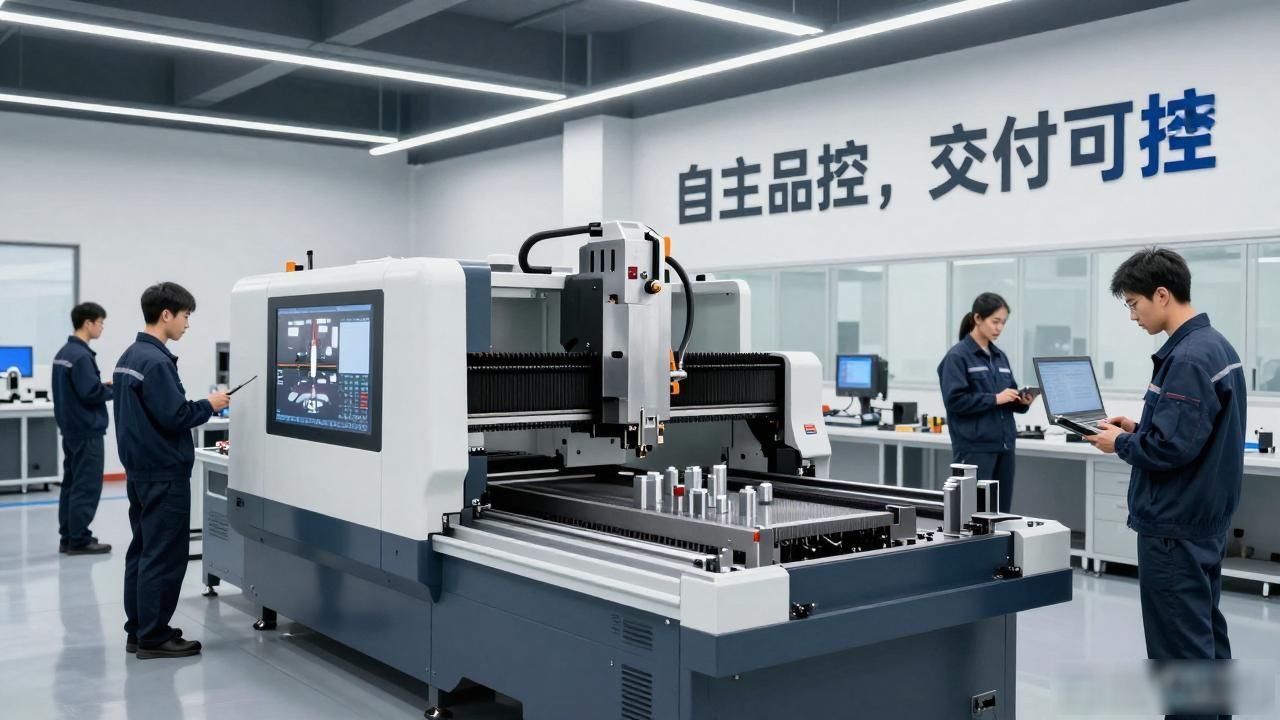
2026 Manufacturing Industry Survey | Analysis of Key Selection Criteria for Customised CNC Non-Standard Fixtures
The CNC precision machining industry is currently undergoing a gradual transition towards higher precision, mass production and intelligent manufacturing, whilst the shortcomings of general-purpose standard fixtures—such as their limited adaptability, restricted precision and relatively low efficiency—are becoming increasingly apparent.
38 days ago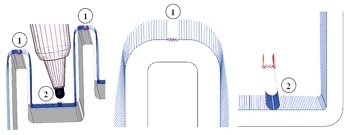
Some Programming Tips for Ensuring Precision in CNC Machining
A key feature of 5-axis machining is the use of short cutting tools during the machining process, which significantly reduces the bending forces acting on the tool, improves surface finish, prevents rework and substantially reduces the need for electrodes.
38 days ago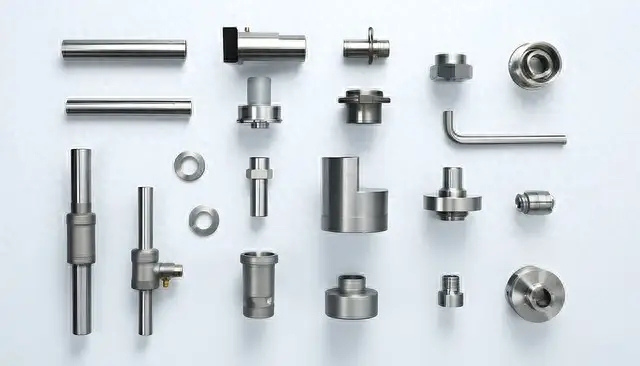
Anhui HuiJiuXing Hardware Products Co., Ltd: non-standard processing custom how to solve the pain points of manufacturing industry
This means that non-standard machining service providers must not be content with their current capabilities, but must maintain a commitment to continuous learning and process development. When communicating with clients, are they able to point out that a particular sharp corner in the drawing is not conducive to stress relief and suggest rounding it off? Are they able to, based on the subsequent heat treatment process,
38 days ago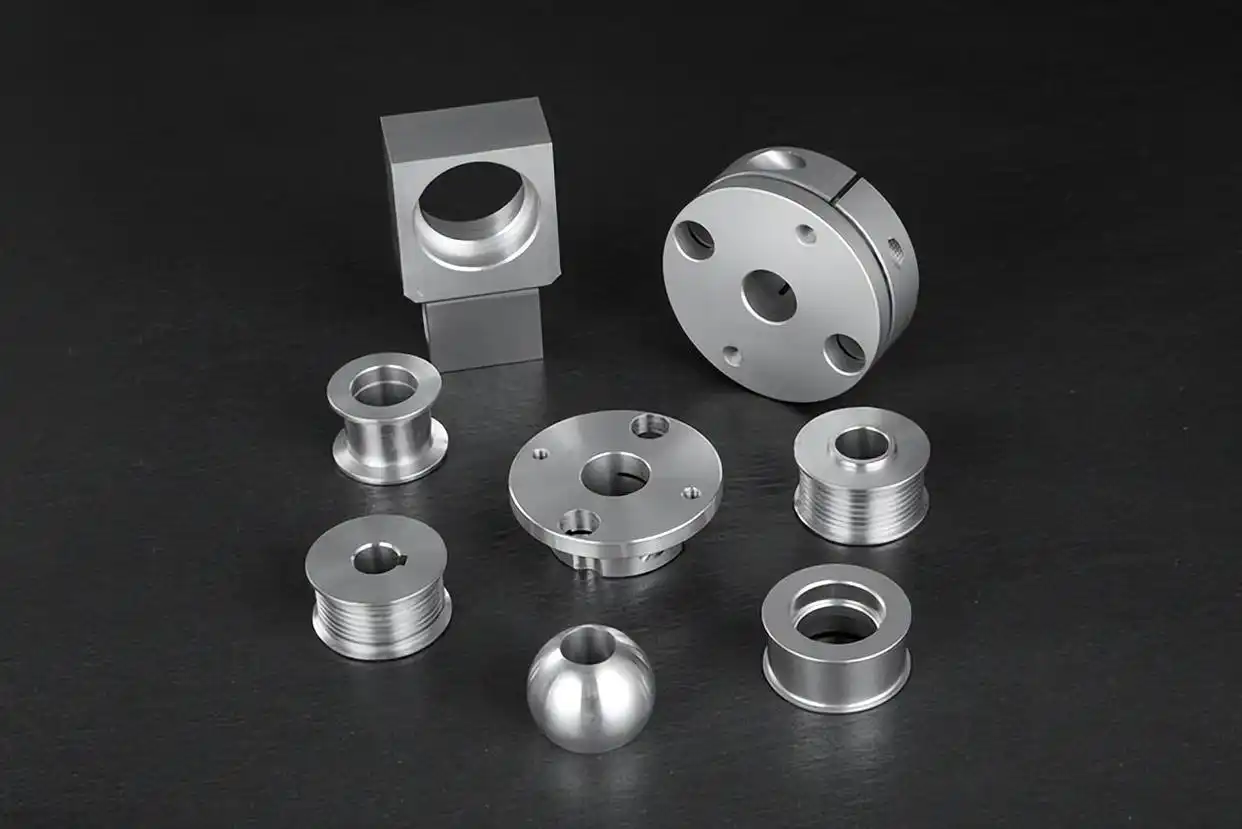
“The Art of ”Non-Standard Customisation’: When Standardised Manufacturing Embraces Unlimited Individuality
In the lexicon of manufacturing, “standardisation” and “mass production” were once the most dazzling jewels in the crown of efficiency. However, a seemingly contradictory yet increasingly powerful demand—“non-standard customisation”—is reshaping the logic of manufacturing, from cutting-edge equipment to everyday consumer goods.
38 days ago Chinese
  Japanese
  English
  German
  Finnish