
arrange in order
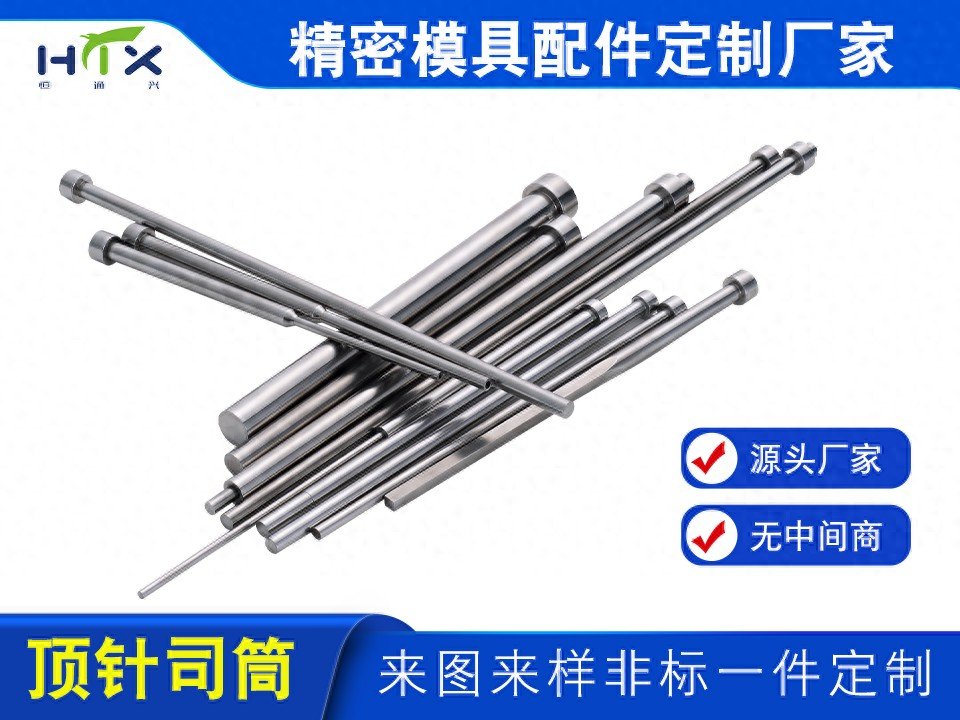
Customised heat-treated mould component machining: precision control from the source factory
The heat treatment of custom mould components is a core process in the precision manufacturing of mould parts. It directly determines the hardness, toughness, wear resistance and dimensional stability of these components, and is essential for extending their service life and ensuring the long-term, stable operation of the mould.
 1 month ago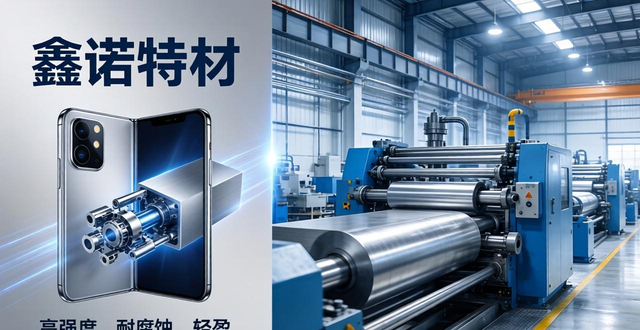
Xinnuo special materials: high-end titanium alloy materials for the new quality of productivity to build a solid foundation of “industrial food”.
Currently, we are in a critical period of transition from a “manufacturing power” to a “manufacturing power”. With the deepening of new industrialisation, the high-quality development of the manufacturing industry no longer relies solely on the expansion of scale, but rather shifts to a higher pursuit of the performance of basic materials, precision and batch consistency.
4 months ago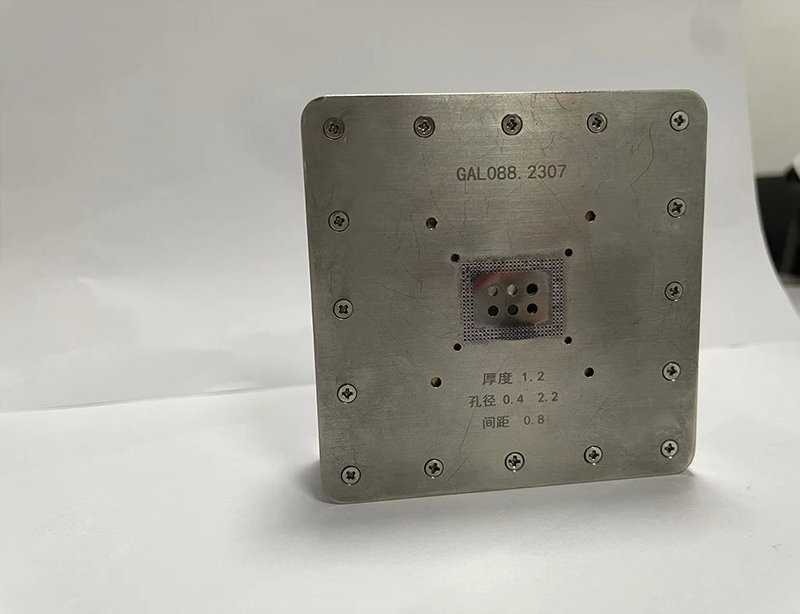
What technical difficulties can be solved by non-standard parts machining production?
Non-standard parts processing production can solve the technical difficulties of a non-standard parts processing overview of non-standard parts processing refers to the specific needs of customers according to the design and manufacture, can not be satisfied through the standard parts production. These parts usually have a unique structure, size or performance requirements
5 months ago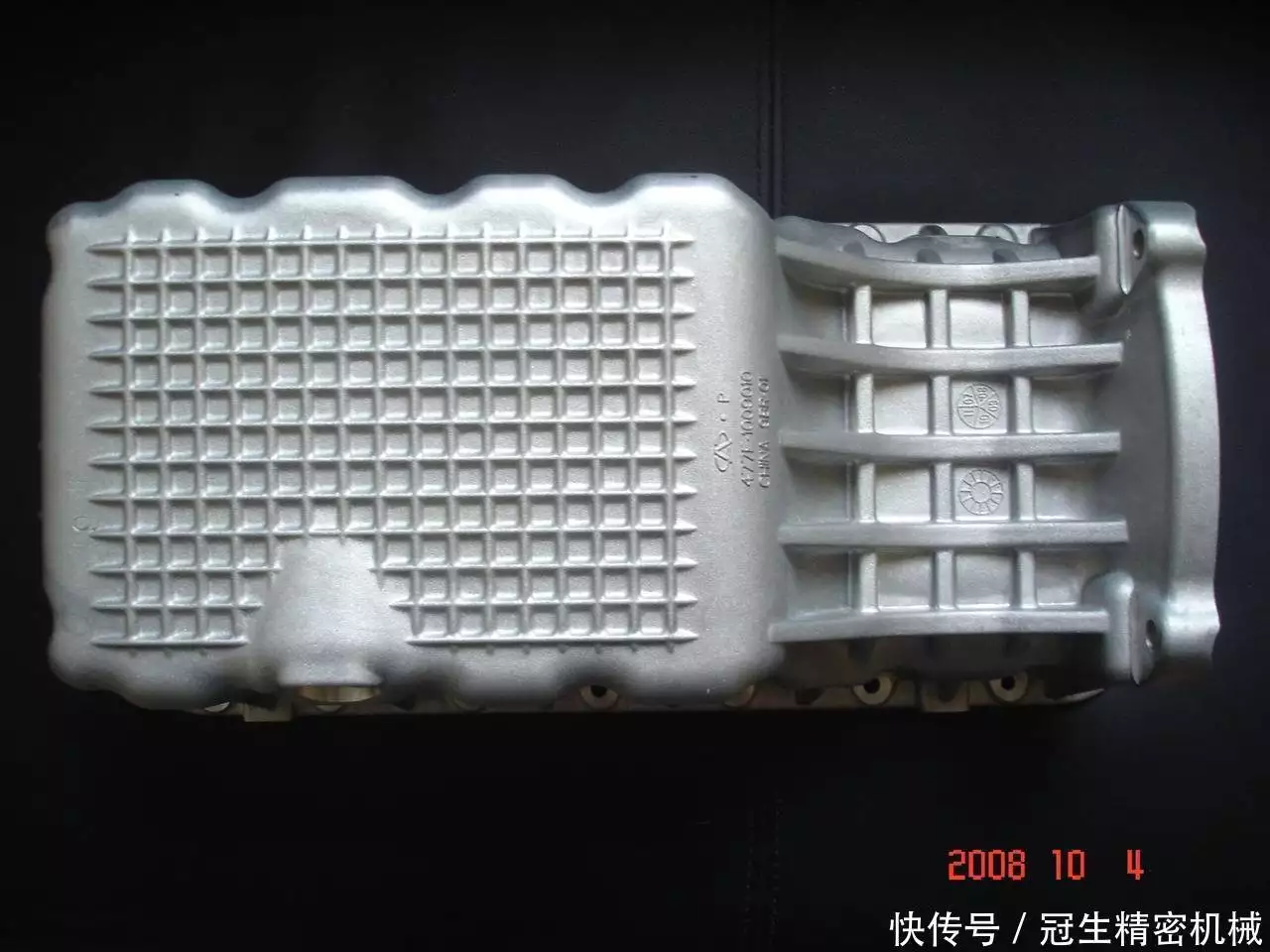
Rapid precision parts machining
In modern industrial production, rapid precision parts machining has gradually become an indispensable part of various industries. With the continuous progress of science and technology and the diversification of market demand, especially in the aerospace, medical equipment, automotive manufacturing and other high-precision fields.
5 months ago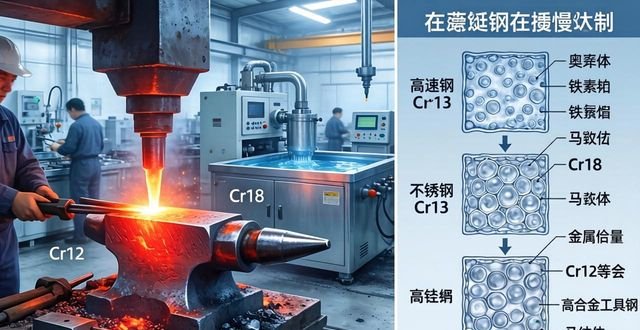
What are the cooling methods for forgings and how is the cooling rate determined?
The forging is put into the pit or iron box closed cooling, or buried in the pit sand, lime or slag cooling. General forging sand temperature should not be less than 500 ℃, around the thickness of sand accumulation should not be less than 80mm
3 months ago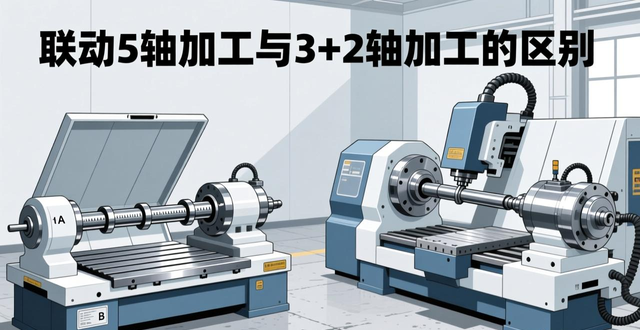
Difference between linked 5-axis machining and 3+2-axis machining
What is 3+2 axis CNC machining? Both vertical and horizontal milling machines are capable of three machining axes as standard. However, a rotary table and tilting swivel trunnions have been fitted to provide rotary movement along the other two axes. Basically, this is a 3+2 axis machining process.
5 months ago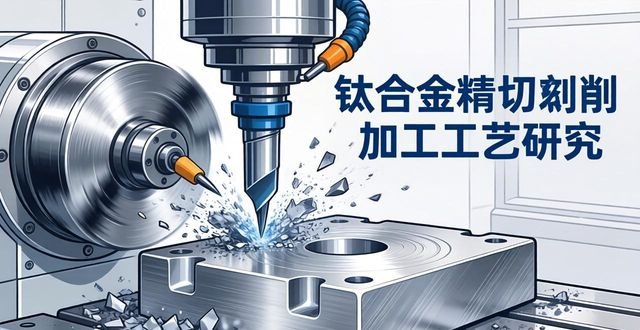
Research on precision machining process of titanium alloy
Research on precision machining process of titanium alloy Titanium alloy has a wide range of applications in aerospace, automobile manufacturing, medical devices and other fields due to its excellent mechanical properties and good corrosion resistance. While the precision machining process of titanium alloy is the preparation of high precision...
3 months ago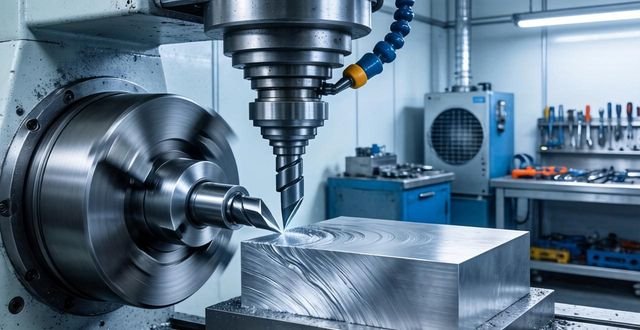
Study on the milling machinability of flame retardant titanium alloy Ti40
Research on the milling processability of flame retardant titanium alloy Ti40 Research on the milling processability of flame retardant titanium alloy Ti40 Abstract: With the frequent occurrence of fire events, the requirements for the flame retardant performance of the亍materials are also increasing. Flame retardant titanium alloy as a...
3 months ago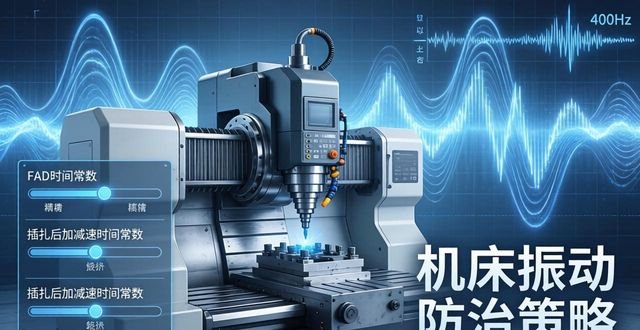
The Mystery of Machine Tool Vibration: Uncovering the Principles Behind, the Four Causes and Cutting-Edge Prevention Strategies
In the field of modern machining, machine tools as the core equipment, the stability of its performance is critical. However, machine tools often vibrate during operation, which not only affects machining accuracy and surface quality, but also may damage tools and reduce productivity.
3 months ago
Precision Solutions: The Core Issues Behind Time-Consuming and Costly Ceramic Processing, and Pathways to Resolution
Ceramic machining places extremely high demands on the hardness and wear resistance of cutting tools; standard tools used in conventional equipment can become unusable within minutes when machining ceramics, whereas the spindle speed and feed rate of specialist ceramic milling machines can be precisely adjusted to suit the characteristics of both the cutting tools and the ceramic material.
1 month ago Chinese
  Japanese
  English
  German
  Finnish