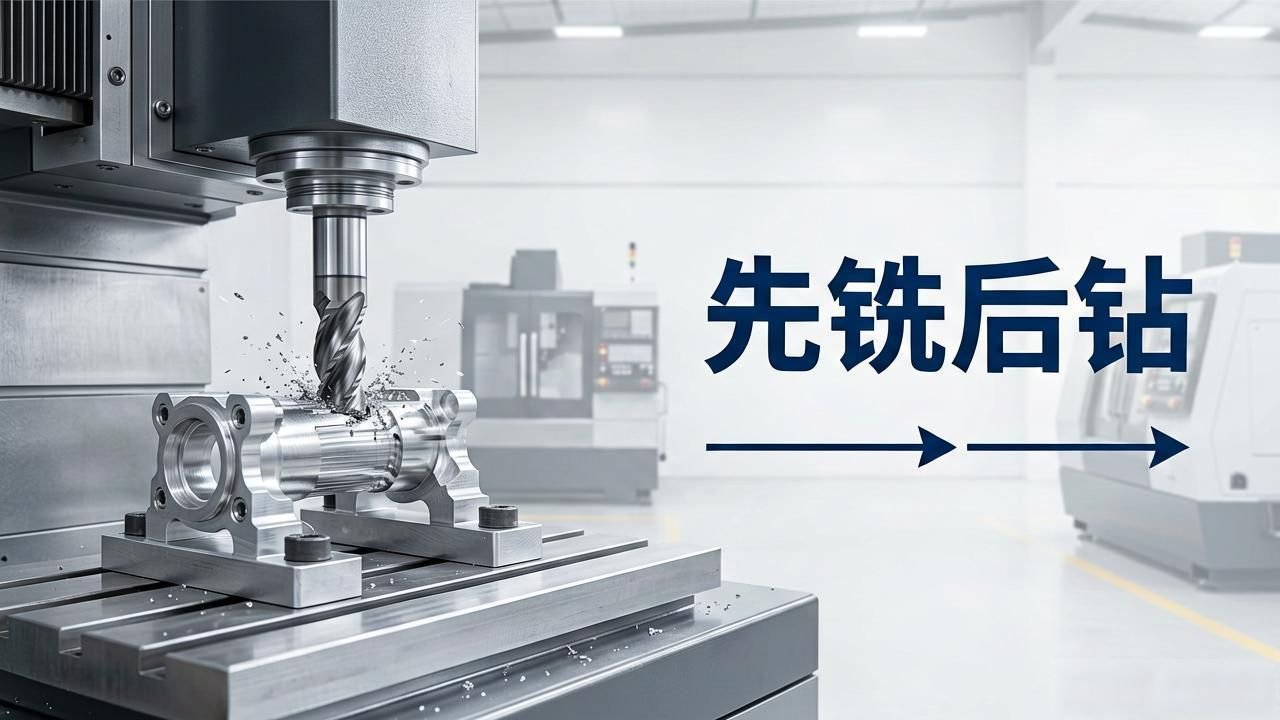
arrange in order
The Path to Implementing Flexible Manufacturing: How to Tackle High-Variety, Low-Volume Production
“We’ve only just got the production line up and running, but we have to shut it down for four hours to change the mould for a new product.” “Small-batch orders involve high raw material costs; if we turn them down, we lose customers, but if we accept them, we make a loss.” “Customers frequently change their requirements, throwing our production schedule into chaos.‘
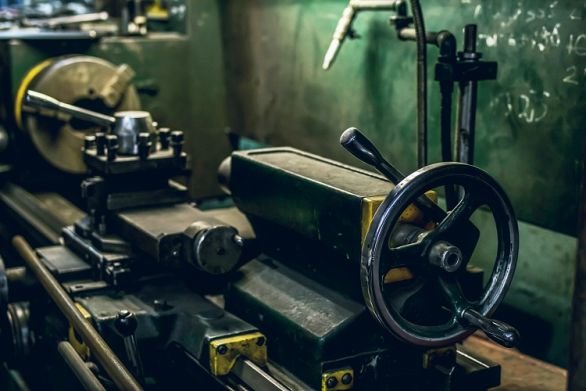
What is Machining? An Introduction to Basic Concepts and Common Processes
What is Machining? An Introduction to Basic Concepts and Common Processes Machining is a crucial manufacturing method in modern industrial production, involving the removal of material using mechanical equipment to produce parts or products with specific shapes, dimensions and surface finishes.
How to process heat-treated titanium alloy sheets: 2023 titanium alloy sheet processing techniques [Updated across the web]
How is heat treatment carried out on titanium alloy sheets? Titanium alloy is a material with outstanding properties that is widely used in the aerospace, medical and chemical industries. Heat treatment is a crucial stage in the fabrication process of titanium alloy sheets.
The Application of New Laser Cutting Technologies in Sheet Metal Fabrication
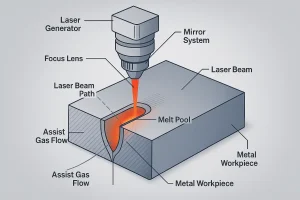
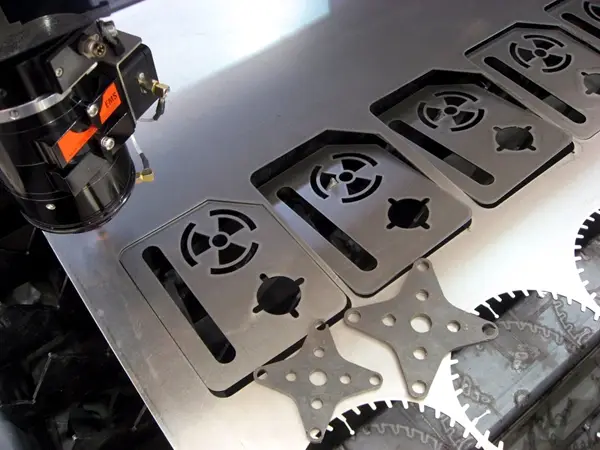
With the rapid advancement of sheet metal processing technologies, manufacturing techniques in China are also undergoing continuous innovation and development. In the cutting of sheet metal components, the key cutting equipment (both CNC and non-CNC) includes shearing machines, high-speed punch presses, flame cutting, low-temperature plasma cutting and high-pressure waterjet cutting.
Standard process steps in CNC machining
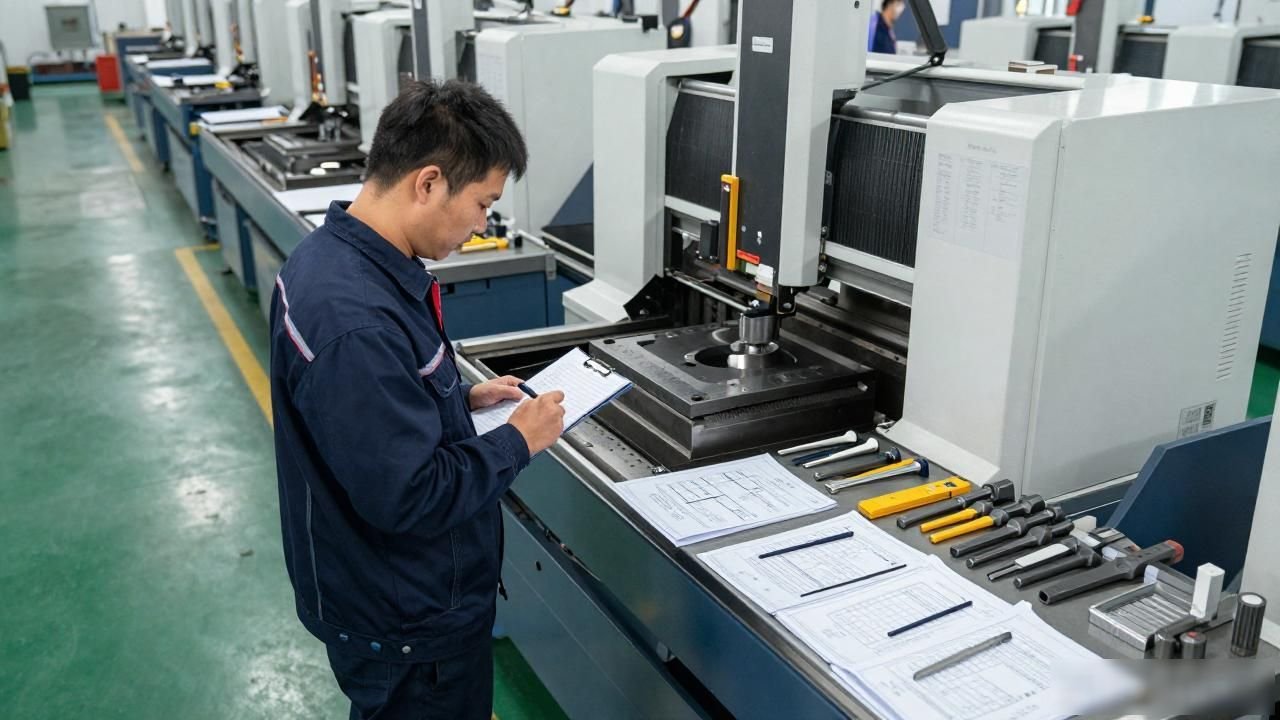
There are generally seven standard processes in CNC machining, and each must be carried out in sequence. Failure to follow the standard sequence for CNC machining centres can easily lead to machine malfunctions or pose a risk to personal safety. Operators must take particular care.
GA-2000 Turning and Milling Centre
Tel: 13611609972 Chengtai Machinery (Wujiang) Co., Ltd. is pleased to present details of the GA-2000 turning and milling centre. With many years of professional experience, we invite you to contact us directly if you would like to find out more about the GA-2000 turning and milling centre or our other services.
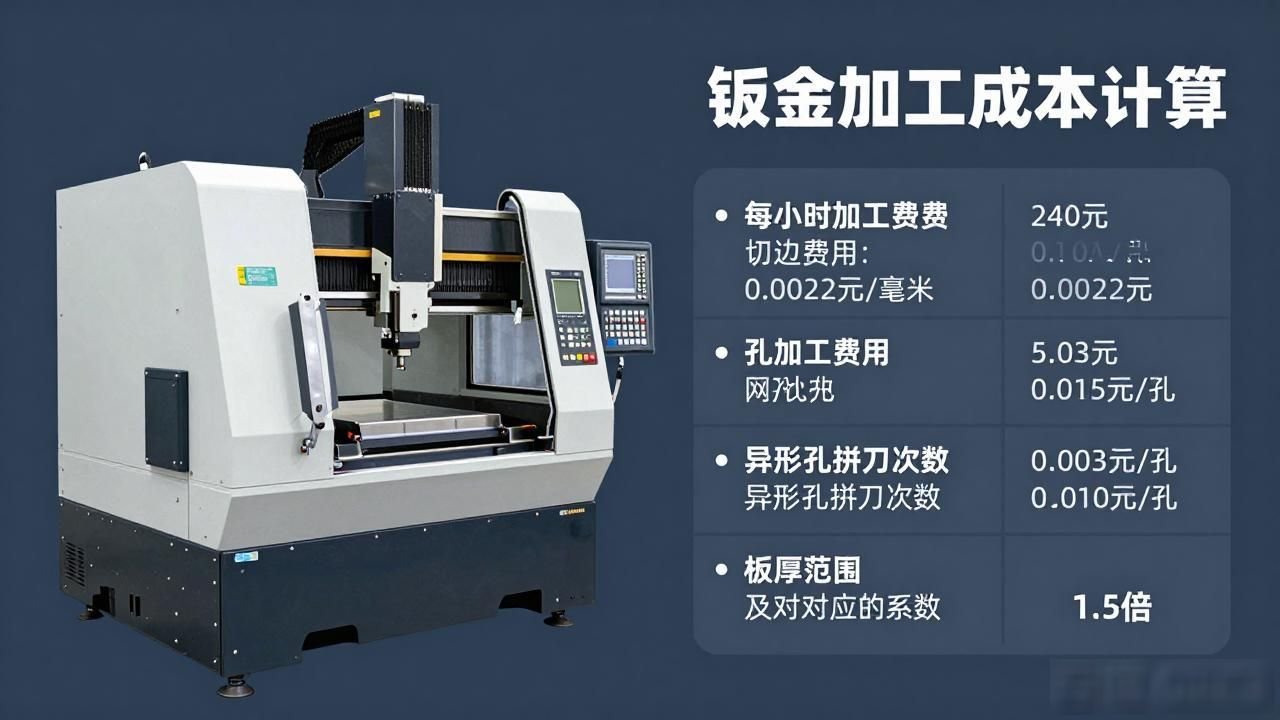
A Comprehensive Analysis of Laser Processing Technology Applications in Sheet Metal Workshops
A Comprehensive Analysis of Laser Processing Technology in Sheet Metal Workshops – Traditional processing methods in sheet metal workshops involve shearing, punching and bending. The punching process requires a large number of dies; however, as it involves minimal or no cutting, it plays a crucial role in sheet metal workshops.
A method for manufacturing a milling table for a turning-milling composite machining centre
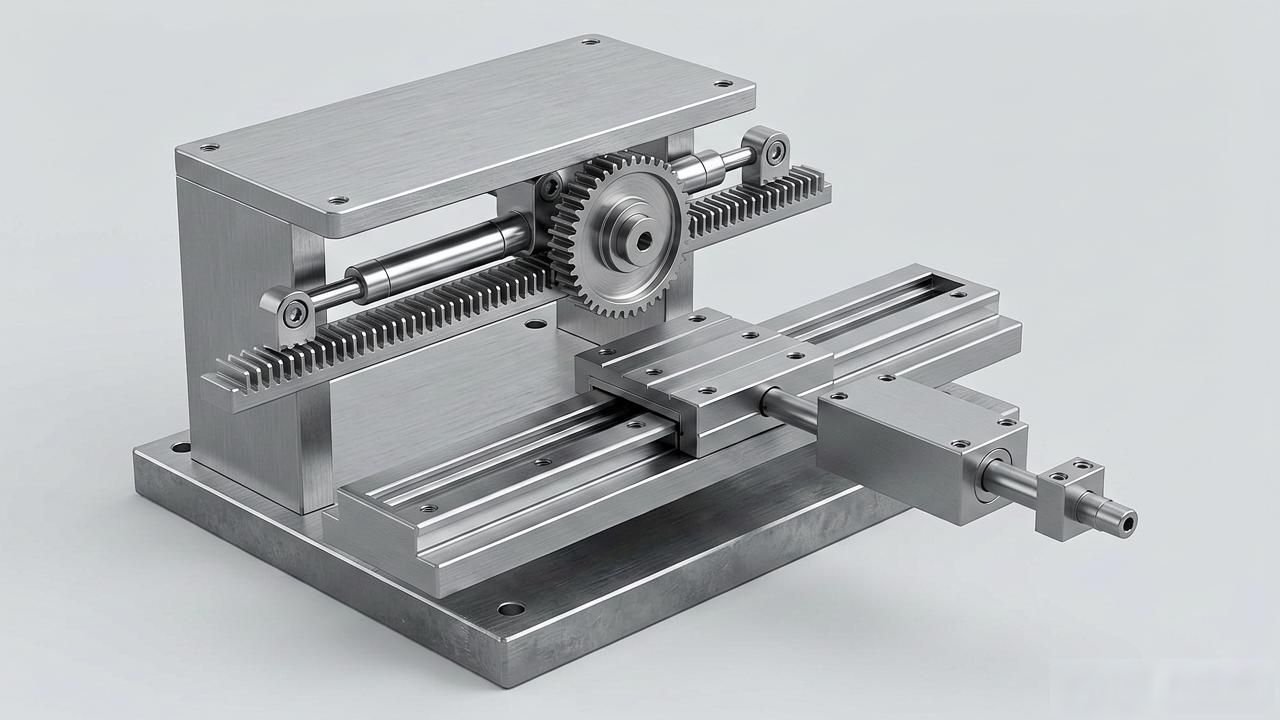
The present utility model relates to the technical field of turning-milling composite machining centres, specifically to a milling table for use in such centres. Background: Composite machining is currently one of the most widely used machining processes internationally in the field of mechanical engineering. It is an advanced manufacturing technology.
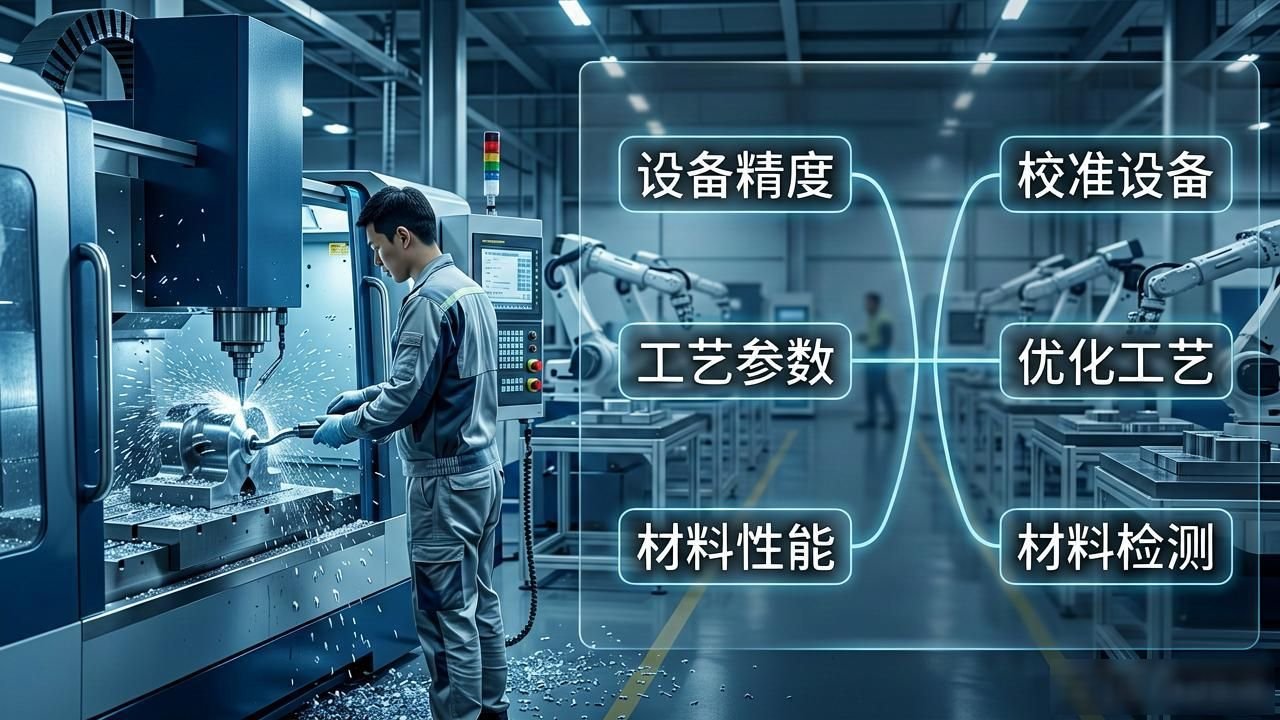
Determining Machining Parameters for Moulds in CAM Programming
As is well known, the selection of process parameters is of paramount importance when using CAM software for CNC programming; not only does it have a significant impact on the quality of the workpiece, but it can also determine the machine tool’s performance and the smooth running of safe production operations.
Why is the aerospace industry increasingly relying on five-axis machining?
In the past, many people thought that five-axis machining was simply a “slightly more advanced machine tool”. It is only upon gaining real-world experience in the aerospace industry that one realises that, for many components, it is not simply that “five-axis machining is more convenient”, but rather that without it, they simply cannot be manufactured. Why has the aerospace industry become increasingly reliant on five-axis machining in recent years?