
arrange in order
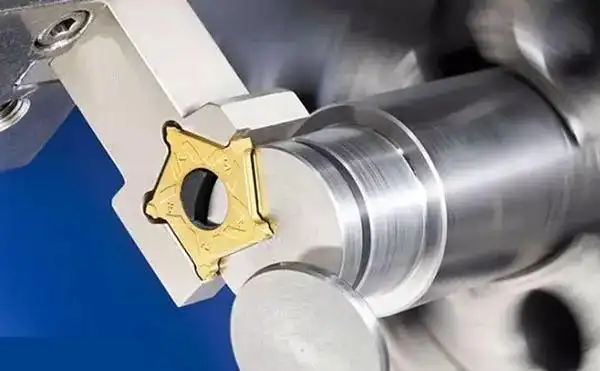
Machining error full analysis: 9 major root causes and countermeasures
01 Error and accuracy of the “twin faces” of the smaller the machining error, the higher the degree of compliance, the higher the machining accuracy. Both actually describe the same thing - just a different perspective. In other words, the size of the error directly determines whether the part can meet the standard!
 5 months ago
Chapter 5 - Measurement Technology in Precision Machining Courseware.ppt
Precision and Ultra-precision Machining TechnologyPrecision and Ultra-precision Machining TechnologyTeacher,Li SonghuaTeacher,Li Songhua,Overview of Precision Measurement TechnologyOverview of Precision Measurement Technology,Measurement DatumMeasurement Datum,Measurement of Straightness, Flatness and PerpendicularityStraightness
6 months ago
Nine major errors in machining, how many do you know?
Machining error is the degree of deviation between the actual geometric parameters (geometric dimensions, geometric shape and mutual position) and the ideal geometric parameters of a machined part.
5 months ago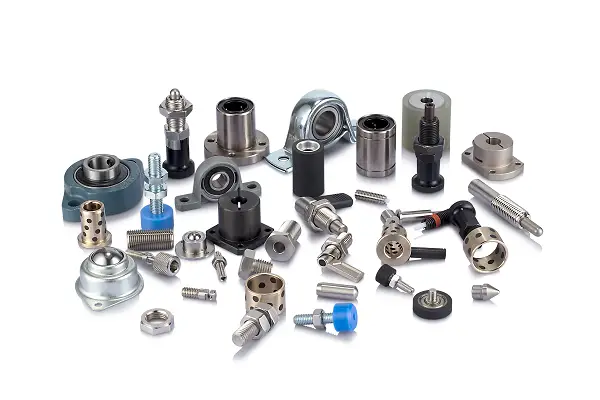
Machining precision influencing factors and improve measures
When the original accuracy of the machine tool, cutting tool, fixture and workpiece blank etc. all meet the process requirements without considering the dynamic factors, the effect of adjustment error plays a decisive role in machining accuracy. Improve the geometric accuracy of the machine tool used for parts machining
5 months ago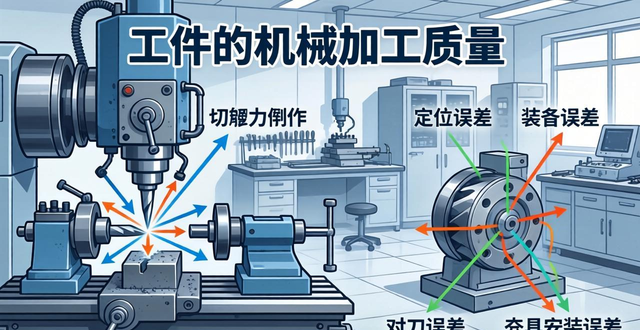
Chapter V. Quality of machining of workpieces
1 Chapter 5 Machining Quality of Workpieces Key Points of this Chapter Basic Concepts of Machining Quality Factors Affecting Machining Accuracy Factors Affecting Surface Quality 2 Section 1 Basic Concepts of Machining Quality Chapter 5 Machining Quality of Workpieces I Concepts of Machining Quality Machining of Workpieces
4 months ago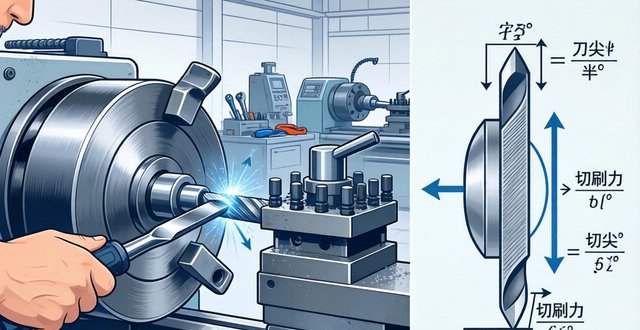
What is boring and why is it so difficult?
Boring, refers to the forged, cast or drilled holes for further processing. Boring can expand the hole diameter, improve accuracy, reduce surface roughness, but also can better correct the original hole axis of the skew. Boring can be divided into rough boring, semi-fine boring and fine boring.
4 months ago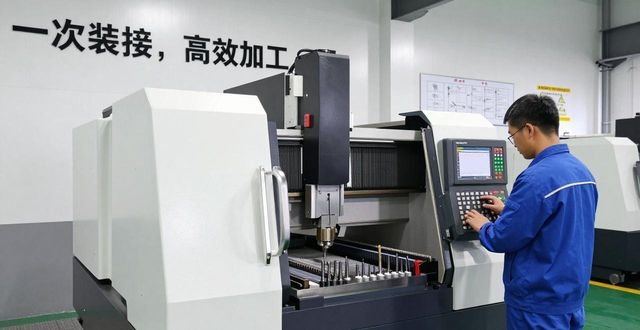
Liyang mill-turn machining centre manufacturers
Turn-mill composite machining centre is a place where lathe and milling machine are processed together. In order to improve the machining efficiency and machining accuracy of complex shaped products, craftsmen have been seeking for more precise machining process methods.
3 months ago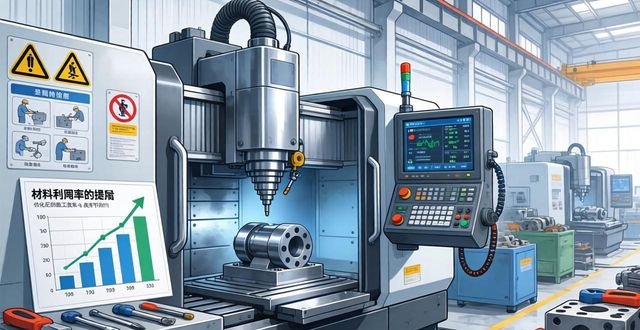
Innovative applications of 5-axis machining in mould manufacturing
The innovative application of five-axis machining technology in mould manufacturing With the continuous development of the manufacturing industry, especially in the field of mould manufacturing, five-axis machining technology has gradually become an important processing means. Five-axis machining refers to the processing of two rotary axes on the basis of three linear axes.
3 months ago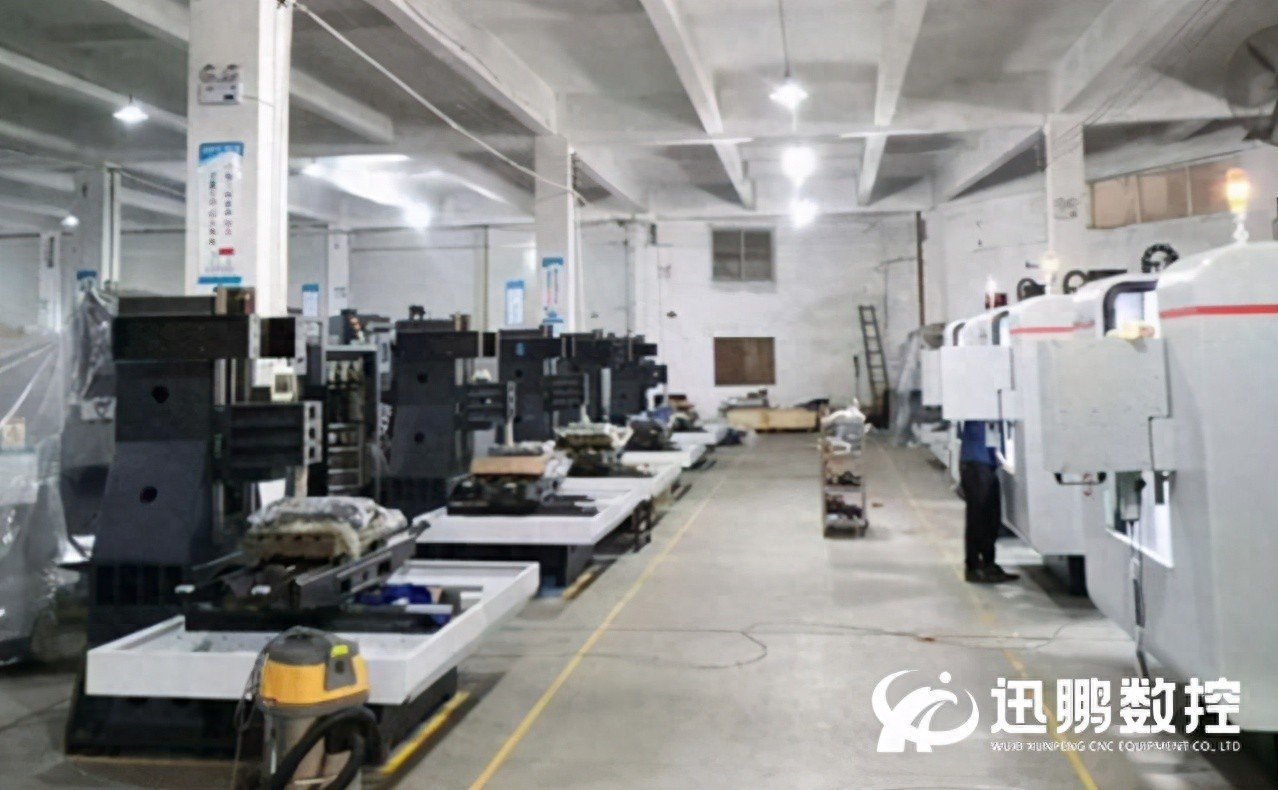
Characteristics and development of mill-turn machines
The emergence of mill-turn machining equipment provides an effective solution for improving the machining accuracy and efficiency of aerospace parts. With the continuous development of CNC technology, computer technology, machine tool technology and machining process technology
4 months ago
What is the difference between 5-axis precision machining technology and traditional machining technology?
The fundamental difference between 5-axis precision machining technology and traditional machining technology is that it achieves multi-axis linkage by adding two rotary axes, which can complete the machining of complex parts in a single clamping, thus avoiding the errors brought about by traditional technology due to multiple clamping from the source.
3 months ago Chinese
  Japanese
  English
  German
  Finnish