

Within the manufacturing sector, we frequently encounter parts with complex shapes, those requiring extremely high precision, or those made from materials that are difficult to machine. These challenging parts can seem like “roadblocks” standing in the way of efficient production. However, with the right strategies and innovative approaches, we are fully capable of achieving our goals of reducing costs and improving efficiency. Let us now delve deeper into how we can skilfully tackle these difficult-to-machine parts!
I. An In-Depth Analysis of the “Stumbling Blocks”
The Challenge of Complex Shapes
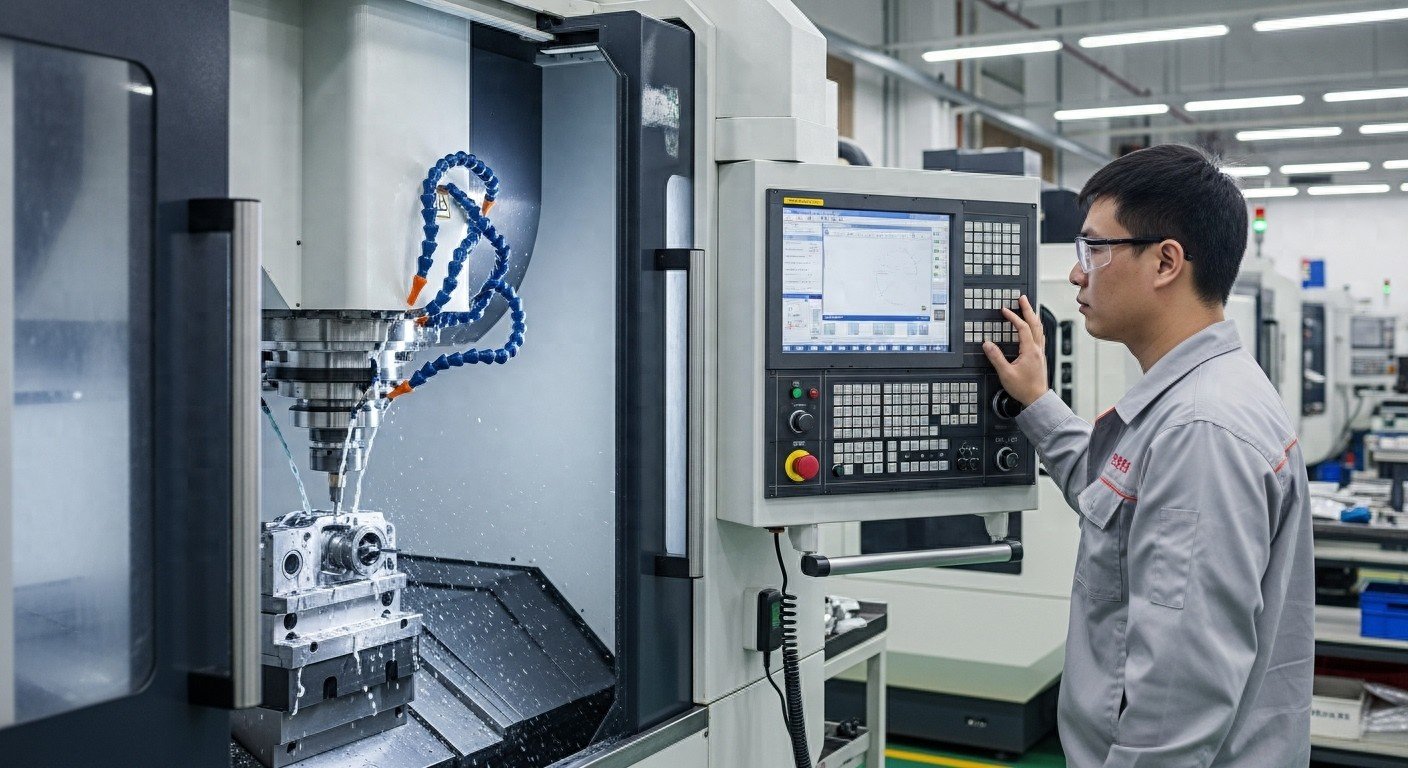
Some components have extremely complex structures, such as semi-enclosed cavity parts, irregularly shaped deep-bore parts and thin-walled parts. These unusual shapes present numerous challenges when machined on conventional machine tools, and it is often only possible to complete the machining process by utilising the high precision and multi-axis interpolation capabilities of CNC machines.
The pursuit of ultra-high precision
There are two crucial indicators for assessing the quality of machined parts: machining accuracy and machining error. When certain workpieces have extremely stringent requirements for machining accuracy, and machining errors must be kept within a very narrow range, the difficulty of the machining process increases significantly. To achieve such high precision, it may be necessary to employ more sophisticated machining processes and more precise machining equipment; furthermore, the operators required must be highly experienced.
The “stubbornness” of difficult-to-machine materials”
The wide variety of difficult-to-machine materials includes tough metals as well as specialised non-metals. Generally speaking, difficult-to-machine materials are characterised by high strength and toughness, or high hardness and brittleness, or a combination of both. For example, high-strength and tough materials generate significant cutting forces during machining, which can easily lead to tool wear and deformation; high-hardness and brittle materials, on the other hand, are highly prone to chipping and fracturing.
II. A “sharp weapon” for reducing costs and improving efficiency”
Optimal cutting tools: overcoming material challenges

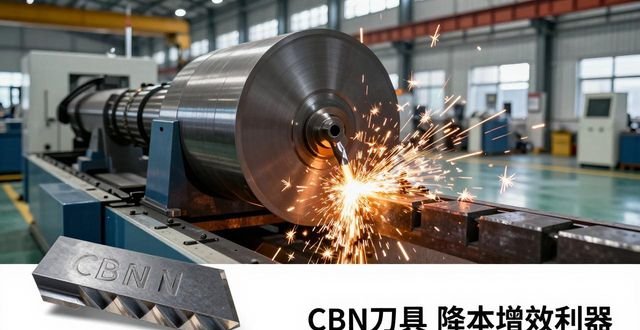
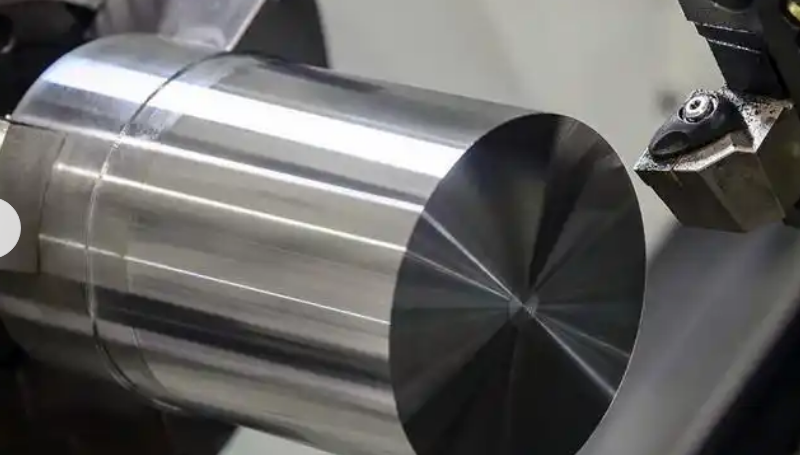
When dealing with materials that are difficult to machine, selecting the appropriate cutting tool is a crucial step. CBN cutting tools are a “sharp sword”, primarily used for machining high-hardness materials that are difficult to machine. For example, they perform exceptionally well when machining the concave liners made of high-manganese steel. The concave liner is the component in a crusher most prone to wear; to ensure a long service life, high-manganese steel is often used as the primary material. However, high-manganese steel possesses high plasticity and toughness, undergoes significant work hardening, generates high cutting temperatures, and presents difficulties in chip breaking, making it prone to chipping. The product utilised here is a patented series of CBN inserts from Funike. During machining, their efficiency is 50% higher than that of imported inserts, whilst their service life is more than three times longer than that of imported inserts, effectively resolving the issues of high-manganese steel being difficult to machine and resulting in low efficiency. The specific and detailed parameters are as follows:
Workpiece name: Mill shell
Workpiece material: Mn18
Workpiece hardness: HB300
Blade selection: 020
The cutting parameters are as follows: Vc is 100 metres per minute, ap is 5 millimetres, and f is 0.5 millimetres per revolution.
CBN cutting tools can withstand temperatures of up to 1,370 °C; at 800 °C, CBN exhibits a higher hardness than that of cemented carbide, ceramics or PCD at room temperature. Consequently, CBN cutting tools can operate at cutting speeds 2 to 5 times higher than those of cemented carbide or ceramic tools, offering exceptionally high cutting efficiency. Although there remains a gap between the standard of domestic CBN cutting tools and their international counterparts, there are currently a number of domestic tool brands performing well that are available to customers.
Compatible with rigid machine tools, providing stable support
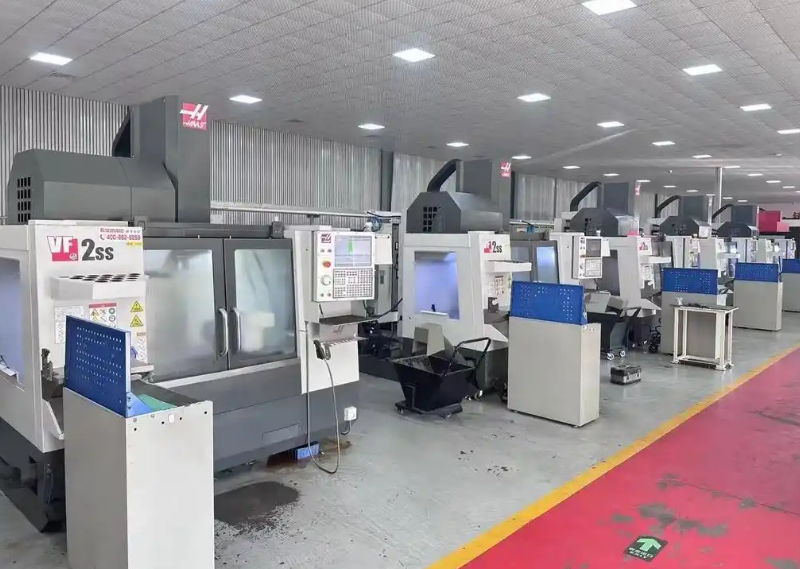
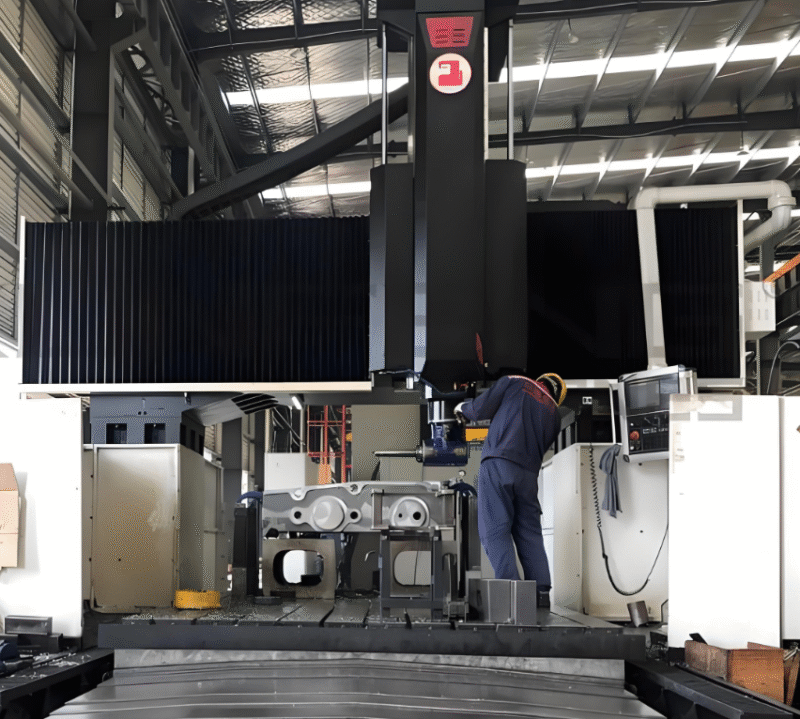
Not only are cutting tools of paramount importance, but the rigidity of the machine tool is equally crucial. Just as a warrior requires sturdy armour, when machining difficult-to-machine parts, it is essential to select a machine tool with appropriate rigidity to ensure stable support throughout the machining process, thereby minimising vibration and deformation. A machine tool with excellent rigidity can better withstand cutting forces, ensuring machining accuracy and surface quality. For example, when machining certain large and complex components, the stability of a heavy-duty machine tool plays a crucial role in significantly minimising machining errors caused by machine vibration.
Reasonablecooling and lubrication, to reduce frictional heat
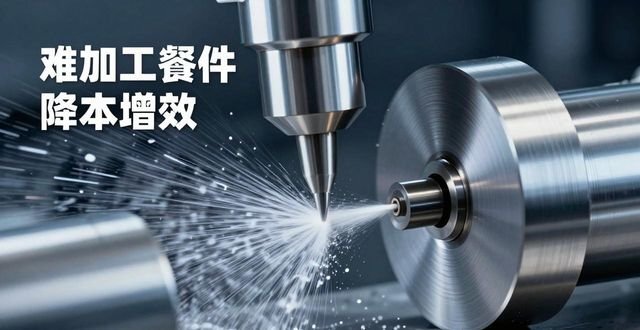
Coolant acts as a “cooling agent”, effectively reducing friction and heat during the machining process. A suitably designed coolant system can minimise tool wear, extend tool life and, at the same time, improve the quality of the machined surface. For example, the use of high-performance cutting fluids or lubricants can promptly remove heat from the cutting zone, lower the temperature during cutting, and reduce friction between the chips, the cutting tool and the workpiece. Furthermore, some cutting-edge cooling and lubrication technologies, such as minimum quantity lubrication (MQL) and low-temperature cooling, can deliver even more outstanding results when applied to specific difficult-to-machine materials and under particular operating conditions.
Optimise machining parameters to find the optimal balance
Optimising machining parameters plays an absolutely crucial role; it is a vital step in achieving cost reduction and efficiency gains. It is only through continuous experimentation—including adjustments to cutting speed, feed rate and cutting depth—that the optimal combination can be identified; one that enhances machining efficiency and reduces costs whilst ensuring machining quality. For example, when machining materials with a relatively high hardness, the cutting speed can be reduced moderately whilst increasing the feed rate, thereby minimising tool wear; however, when machining thin-walled components, lower cutting forces are required to prevent deformation of the part; in such cases, the feed rate and depth of cut can be reduced.
III. Continuous Improvement and Innovation
Keep an eye on emerging technologies within the industry and monitor developments in new cutting tools, introducing suitable technologies and tools at the appropriate time to tackle the ever-increasing number of new materials and components that are difficult to machine.
Establish a machining experience database to record the machining processes for different parts, andTool SelectionRecord this information, including machining parameters and other relevant details, so that it can be quickly referred to and used to optimise the process when machining similar parts in the future.
We must strengthen communication with our partners, such as cutting tool suppliers and machine tool manufacturers, deepen our collaboration, and work together to explore more advantageous machining solutions.
Motivate staff to put forward innovative ideas, encourage them to suggest improvements, and reward valuable suggestions, thereby fostering a positive atmosphere of full staff participation that leads to cost reductions and increased efficiency.
In summary, whenever you encounter parts that are difficult to machine, do not be daunted. You must thoroughly analyse the characteristics and challenges of the part, making full use of methods such as selecting the optimal cutting tools, suitable machine tools, appropriate cooling and lubrication, and optimised machining parameters. Furthermore, draw on lessons learnt from real-world case studies, combined with continuous improvement and innovation. In this way, we can achieve the objectives of reducing costs and enhancing efficiency, successfully overcome the challenges posed by these difficult-to-machine parts, and gain a greater competitive edge in the fiercely competitive market. Remember, every challenge presents an opportunity for growth, and every problem overcome contributes to the accumulation of technical progress. Let us draw upon our wisdom and hard work to open a new chapter in reducing costs and improving efficiency when machining difficult-to-machine parts!




 Chinese
  Japanese
  English
  German
  Finnish
暂无评论内容