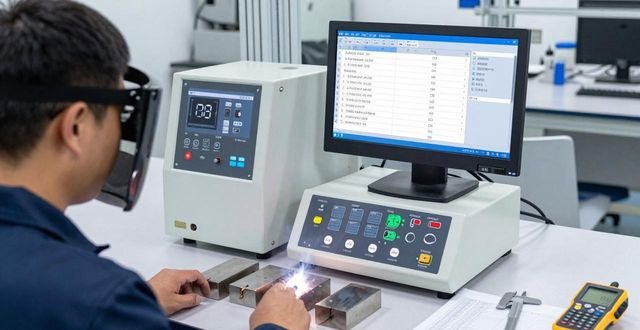


Within the fields of materials science and engineering, Q345R is a widely used low-alloy high-strength structural steel, and its welding procedure qualification is a crucial aspect of ensuring the safe operation of critical equipment such as pressure vessels and pipelines. This paper will provide a detailed explanation of the basic concepts, assessment procedures, key factors and practical applications of the Q345R welding procedure qualification, with a view to offering relevant professionals a comprehensive and in-depth understanding.
### I. Basic Concepts of Q345R Welding Procedure Qualification
The grade known as Q345R is a steel plate for pressure vessels with a specified yield strength; it possesses good overall mechanical properties and weldability, and is widely used in the manufacture of pressure vessels in industries such as petroleum, chemicals and power generation. Welding procedure qualification involves verifying and evaluating the specifications of pre-welding procedures based on the mechanical and bending properties of the welded joint or the chemical composition of the build-up layer, whilst also eliminating the performance issues associated with overlapping processes; it is a crucial step in ensuring that the weld quality meets design requirements.
### II. Procedure for the Q345R welding qualification
#### 1. Define the scope and objectives of the assessment
Before carrying out a Q345R welding procedure qualification, it is necessary to first clarify the specific scope of the qualification, such as the base metal thickness and the welding method, Welding material, such as the welding location. At the same time, it is necessary to clarify the purpose of the assessment, which is to verify whether the welding process complies with specific standards or project requirements, thereby ensuring the quality and performance of the welded joint.
#### 2. Preparation of Pre-Welding Procedure Specifications (PWPS)
Pre-welding procedure specifications form the basis of welding procedure qualification; they set out detailed provisions regarding the various parameters and technical requirements of the welding process, covering the base metal and welding consumables—including their grades and specifications—as well as joint types, welding positions, preheating temperatures, the characteristics of the welding current, technical measures, post-weld heat treatment temperatures and holding times, and so on. The preparation of the PWPS should take full account of the characteristics of the Q345R material and the welding requirements, thereby ensuring the rationality and feasibility of the welding process.
#### 3. Conduct welding procedure qualification tests

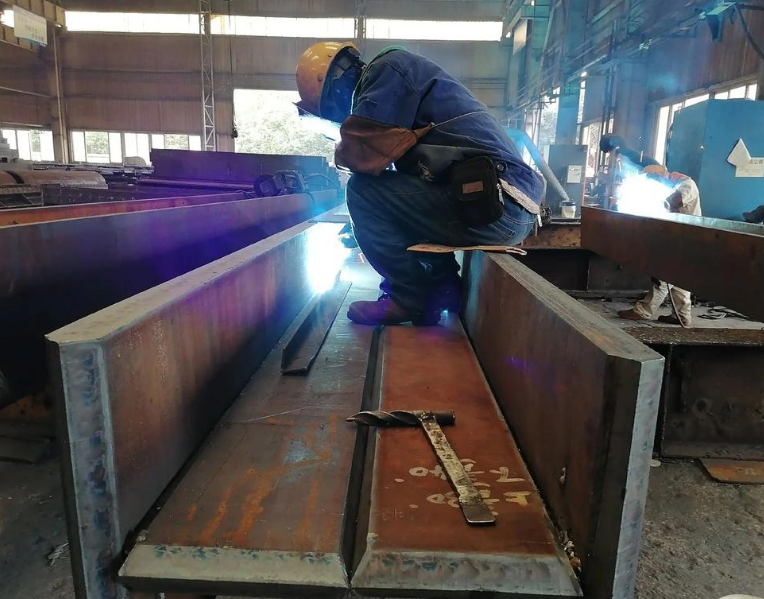
In accordance with PWPS regulations, representative test pieces must be selected for the welding procedure qualification tests. During the testing process, welding parameters must be strictly controlled to ensure the stability and consistency of the welding process. At the same time, inspections must be carried out on the visual quality and dimensional accuracy of the welded joints, and the relevant data must be recorded.
#### 4. Mechanical Properties and Non-Destructive Testing
Once the welding procedure qualification tests have been completed, mechanical property tests and non-destructive testing must be carried out on the welded joints. Mechanical property testing primarily includes tensile tests, bending tests, impact tests, amongst others, with the aim of verifying the strength, ductility and toughness of the welded joint. Non-destructive testing employs methods such as radiographic testing and ultrasonic testing to inspect the interior of the welded joint for defects such as cracks and lack of fusion.
#### 5. Assessment Conclusions and Report Preparation
Based on the data obtained from the tests and the results of the inspections, an assessment of the welding process is carried out, following which an assessment report is compiled. The assessment report must comprehensively document the entire testing process, the final data results, the conclusions drawn from the assessment, and a series of recommended improvement measures, thereby providing guidance and a basis for subsequent welding production.
### III. Key Factors in the Q345R Welding Procedure Qualification
#### 1. Selection of welding materials
The choice of welding consumables has a significant impact on weld quality; For welding Q345R, welding consumables that are compatible with the base metal must be selected to ensure that the chemical composition and mechanical properties of the welded joint meet the requirements. Furthermore, the storage, handling and use of welding consumables must strictly comply with relevant regulations, to prevent factors such as moisture and contamination from affecting the quality of the weld.
#### 2. Optimisation of welding parameters
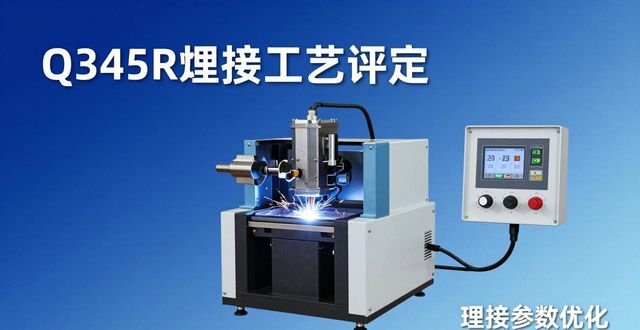
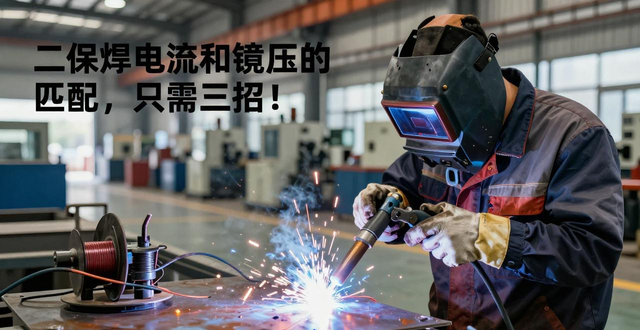
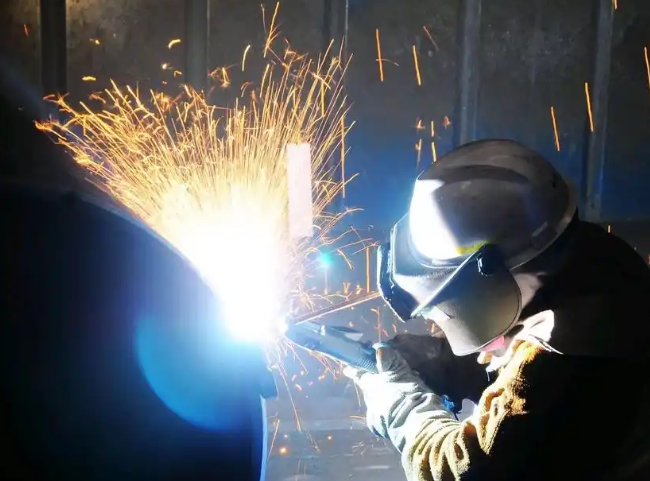
The optimisation of welding parameters is the core element of welding procedure qualification, and this is crucial. By adjusting parameters such as welding current, voltage and welding speed, it is possible to achieve the objective of controlling heat input. Once this key objective has been met, it is then possible to optimise the weld joint assembly and ensure that its performance improves accordingly. During practical operations, comprehensive consideration should be given to factors such as base metal thickness and welding position, in order to ultimately determine the optimal combination of welding parameters; this step must also be supported by thorough and effective safeguards.
#### 3. Post-welding heat treatment and holding
Post-weld heat treatment is an important means of eliminating residual stresses from welding and improving the properties of welded joints. For Q345R welding, the appropriate post-weld heat treatment method and holding time must be selected according to the specific circumstances, At the same time, strict control must be exercised over temperature changes and holding times during the heat treatment process, thereby ensuring that the heat treatment achieves the intended objectives.
#### 4. Applications of non-destructive testing techniques
Non-destructive testing techniques play a crucial role in the qualification of welded joints. Through methods such as radiographic testing and ultrasonic testing, it is possible to accurately detect internal defects in welded joints, thereby providing a reliable basis for assessing weld quality. In practice, non-destructive testing must be carried out in strict accordance with relevant standards and specifications to ensure the accuracy and reliability of the test results.
### IV. Practical Applications of the Q345R Welding Procedure Qualification
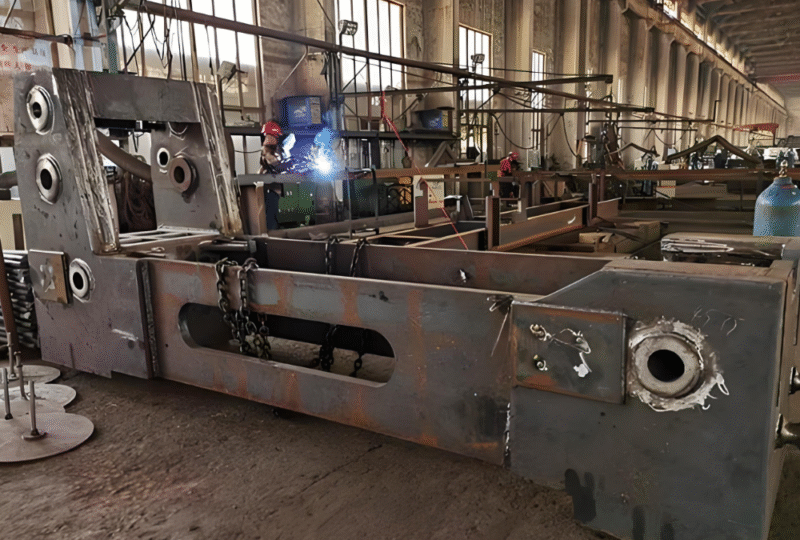
In industries such as petroleum, chemicals and power generation, Q345R welding procedure qualification is widely used in the manufacturing process of critical equipment such as pressure vessels and pipelines. Rigorous welding procedure qualification ensures that the quality and performance of welded joints meet design requirements, thereby enhancing the safety and reliability of the equipment. At the same time, the results of welding procedure qualification provide valuable experience and guidance for subsequent welding production, thereby driving the continuous progress and development of welding technology.
In summary, the Q345R welding procedure qualification is crucial for ensuring the safe operation of critical equipment such as pressure vessels and pipelines. Through a rigorous qualification process and strict control of key factors, it is possible to achieve a comprehensive assessment of welding quality, as well as effective control. Going forward, as welding technology continues to develop and improve, the Q345R welding procedure qualification will play an increasingly important role in a wider range of fields, providing robust support for industrial production and economic development.


 Chinese
  Japanese
  English
  German
  Finnish
No comments