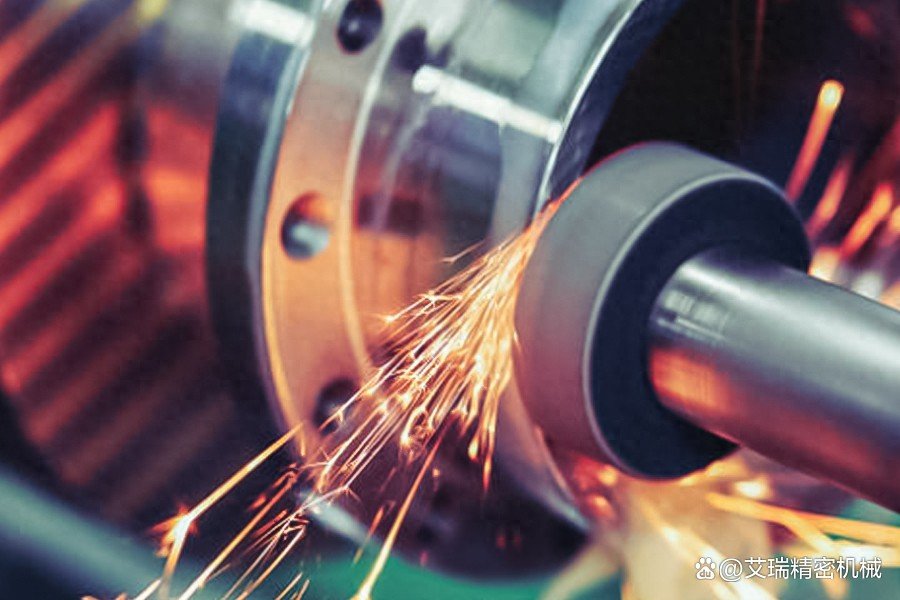


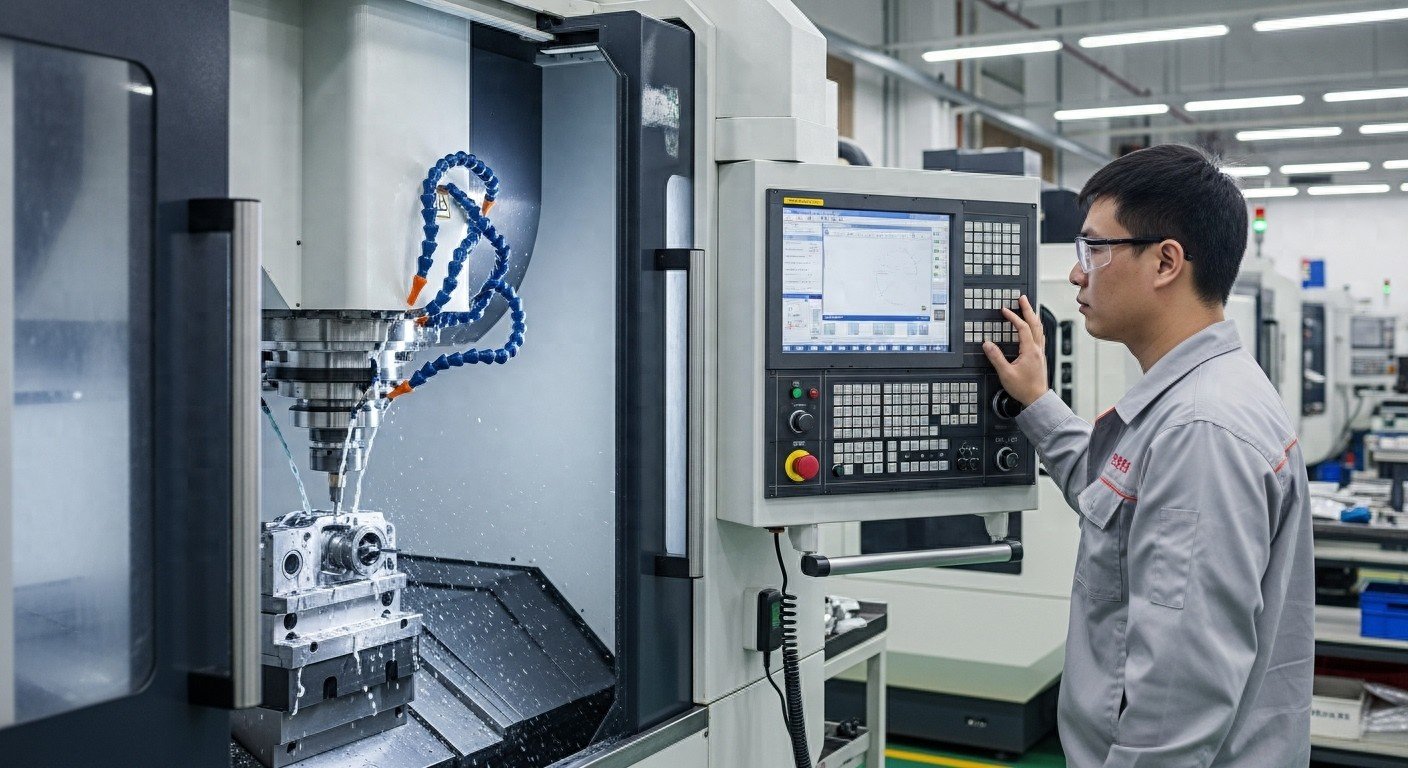
In modern industrial manufacturing, precision manufacturingtooCNC machine toolsCNC machine tools have become a cornerstone of high-end manufacturing. Whether in the aerospace, automotive, semiconductor, medical equipment or life sciences sectors, their application continues to drive advances in manufacturing technology. This article will guide you through the history of CNC machine tools and their pivotal role in precision manufacturing, and explore future trends.
Definitions of Precision Manufacturing and CNC Machine Tools
Precision manufacturing is a manufacturing process that employs high-precision techniques and highly efficient equipment to produce high-quality, high-precision products. It is characterised by the strict control of both dimensional and geometric tolerances, thereby meeting the specific requirements of particular industries in terms of precision, stability and reliability.
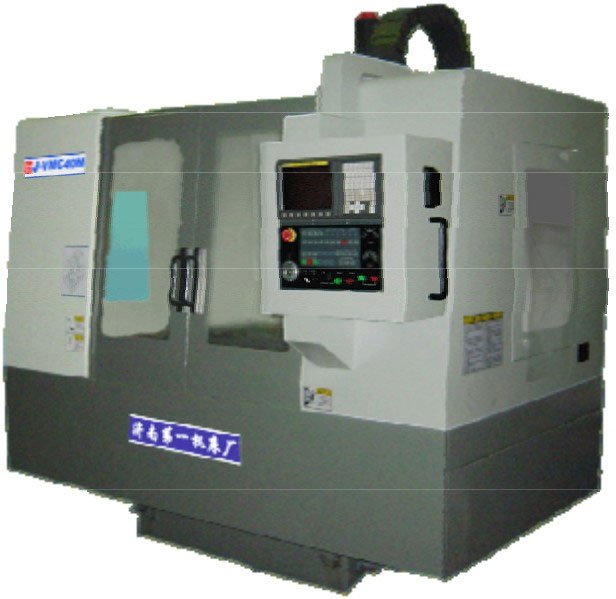
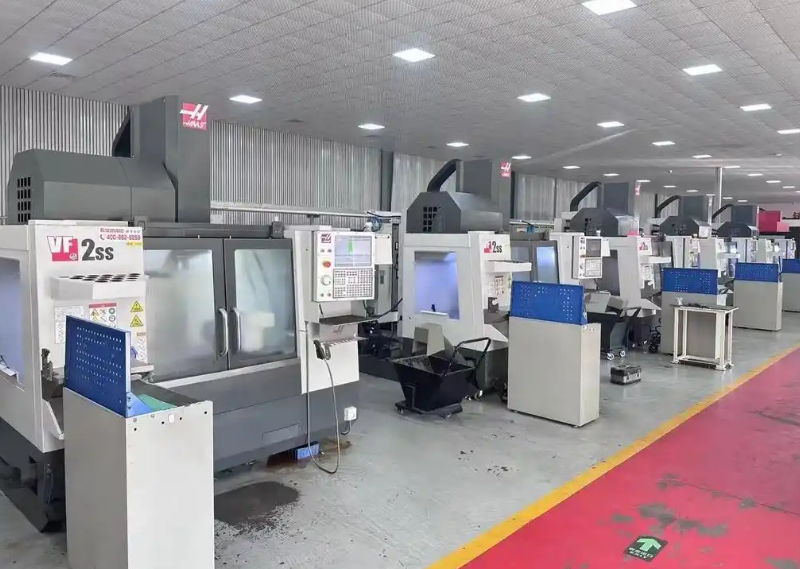
A CNC machine tool, or computer numerical control machine tool, is a type of machine that is controlled by a computer.automaticMachinery and CNC machine tools have enhanced the precision of machining processes, whilst also raising their complexity to unprecedented levels; the same applies to repeatability, and they play an extremely crucial role in modern precision manufacturing.
The History of CNC Machine Tools
1. The early era of manual machine tools (early 20th century)
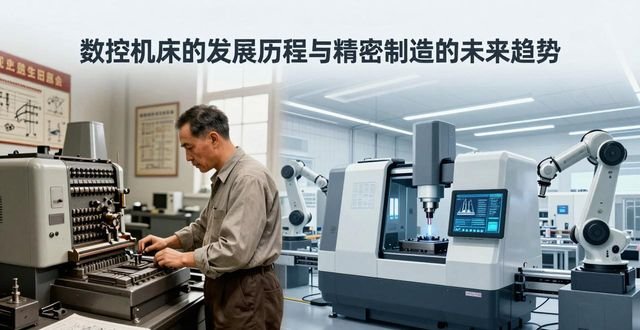
In the early 20th century, traditional manual machine tools were widely used across various manufacturing sectors; however, due to the limitations of manual operation, the skill level of the workers had a direct impact on machining accuracy and production efficiency, making it impossible to meet the ever-growing demands of industry.

2. The emergence of CNC technology (1940s)
The first prototypes of CNC machine tools appeared in the 1940s, when MIT (the Massachusetts Institute of Technology) in the United States first proposed the concept of “computer numerical control”, with the aim of using computers to control the movement of machine tools. The earliest CNC machine tools utilised punch-card technology, which controlled the machine’s movement path via programming, thereby significantly improving machining accuracy and production efficiency.
3. The widespread adoption of CNC machine tools (1960s–1970s)
With the advancement of computer technology and the gradual maturation of CNC technology, the late 1960s and early 1970s saw the onset of large-scale industrial production. CNC machine tools were particularly adopted in high-precision manufacturing sectors such as aerospace and automotive, leading to significant improvements in the automation, precision and efficiency of production processes.
4. High-precision and multi-functional CNC machine tools (1990s)
By the 1990s, as computer hardware and software technologies had advanced further, the capabilities of CNC machine tools had become increasingly diverse. In particular, the advent of five-axis CNC machine tools enabled these machines to perform machining operations simultaneously in multiple directions, greatly enhancing machining precision and complexity, thereby meeting the demands of more sophisticated industrial applications.
5. Intelligence and Automation (from the early 21st century to the present)
With the advent of the 21st century, CNC machine tools have seen significant advancements in terms of intelligence and automation. By integrating the Internet of Things, big data analytics and artificial intelligence, modern CNC machine tools are not only capable of precision machining, but can also perform real-time monitoring, data acquisition and analysis, thereby enabling smart manufacturing and automated production.
The Role of CNC Machine Tools in Precision Manufacturing
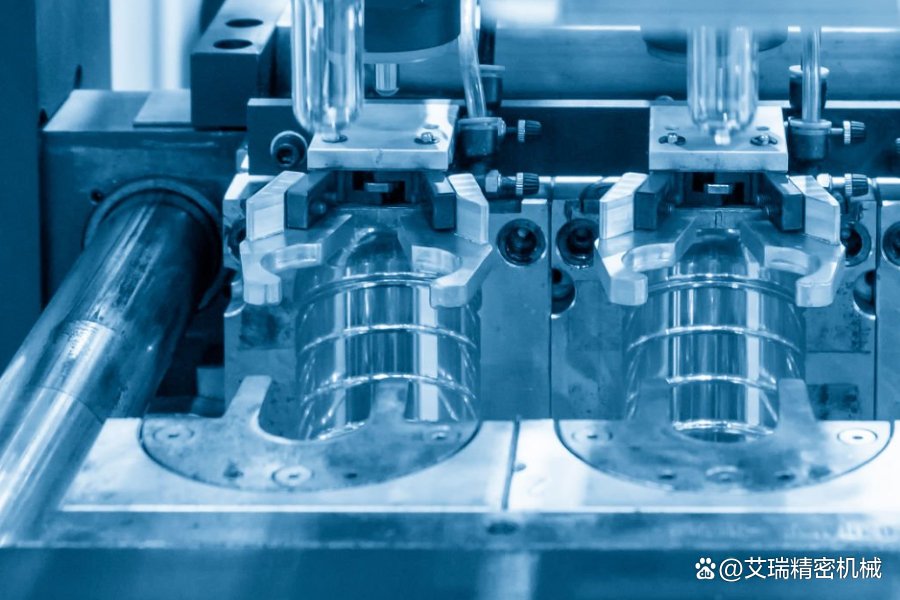
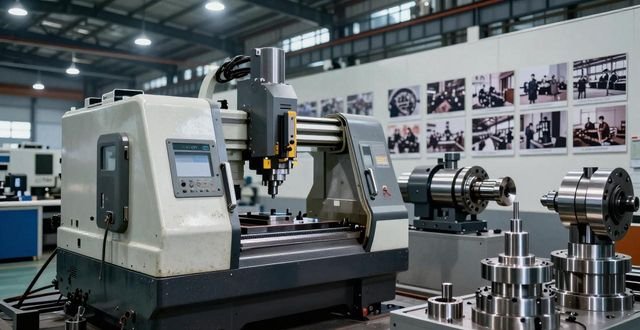
In precision manufacturing, the use of CNC machine tools has not only boosted production efficiency but has also accelerated the production of high-tech products. The following are several key roles played by CNC machine tools in the field of precision manufacturing:
Future Trends in CNC Machine Tools
As technology advances, CNC machines will continue to evolve towards greater intelligence, automation and precision. The following are several key trends in the future development of CNC machines:
concluding remarks
The advent of CNC machine tools has spurred their development and significantly advanced precision manufacturing technology. Today, CNC machine tools are no longer merely manufacturing tools; they have become a core component of modern industrial manufacturing and are widely used across various high-precision manufacturing sectors. In the future, as technology continues to advance, CNC machine tools will encounter further development opportunities in areas such as intelligent manufacturing, automation and green manufacturing, propelling the precision manufacturing industry to new heights.




 Chinese
  Japanese
  English
  German
  Finnish
No comments