
arrange in order
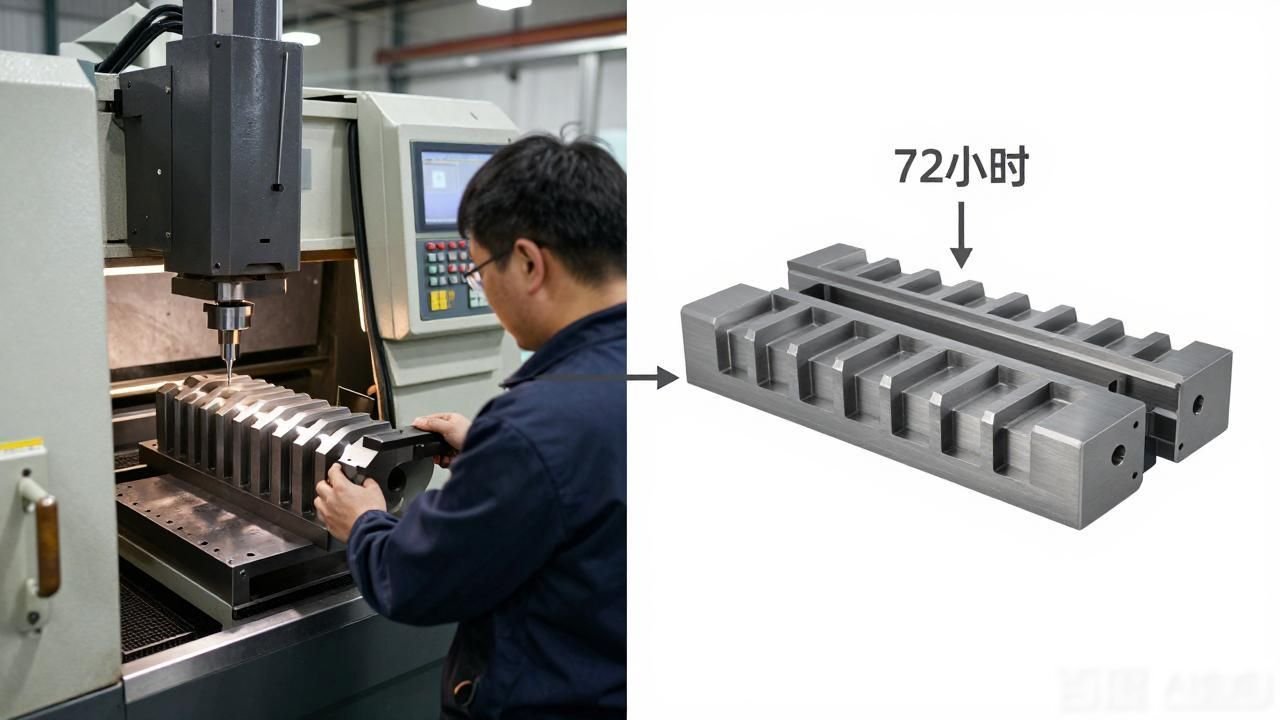
A Method and Process for Controlling Workpiece Deformation During Machining
The present invention relates to the field of residual stress machining deformation control technology, and in particular to a method for controlling workpiece deformation during machining. Background: Machining deformation is primarily caused by four factors: the initial residual stresses in the blank, clamping forces, cutting forces, and cutting heat, as well as residual stresses induced by the machining process.
 1 month ago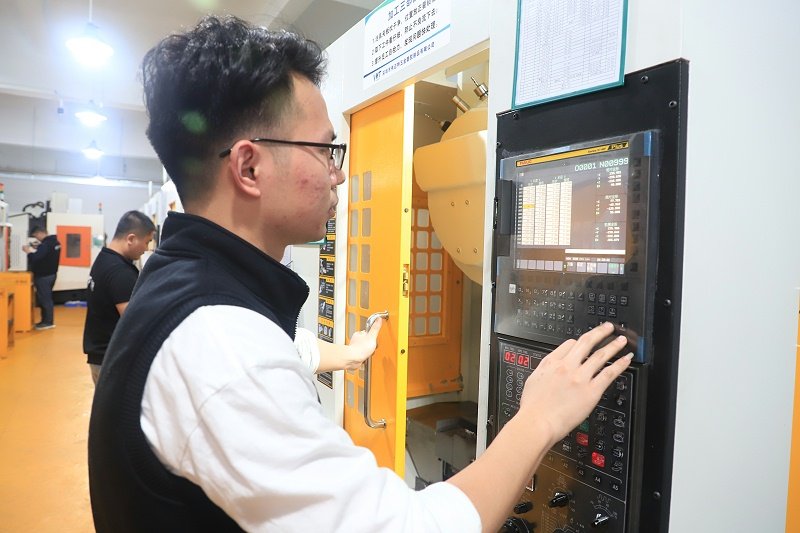
What is CNC machining of precision parts? – Shenzhen Weimait
When you are looking for a machining partner to assist with your manufacturing projects, you will often come across terms such as “precision parts machining”, “high precision” and “ultra-precision”, but these do not provide any substantive insight into the machining process or the machining requirements.
42 days ago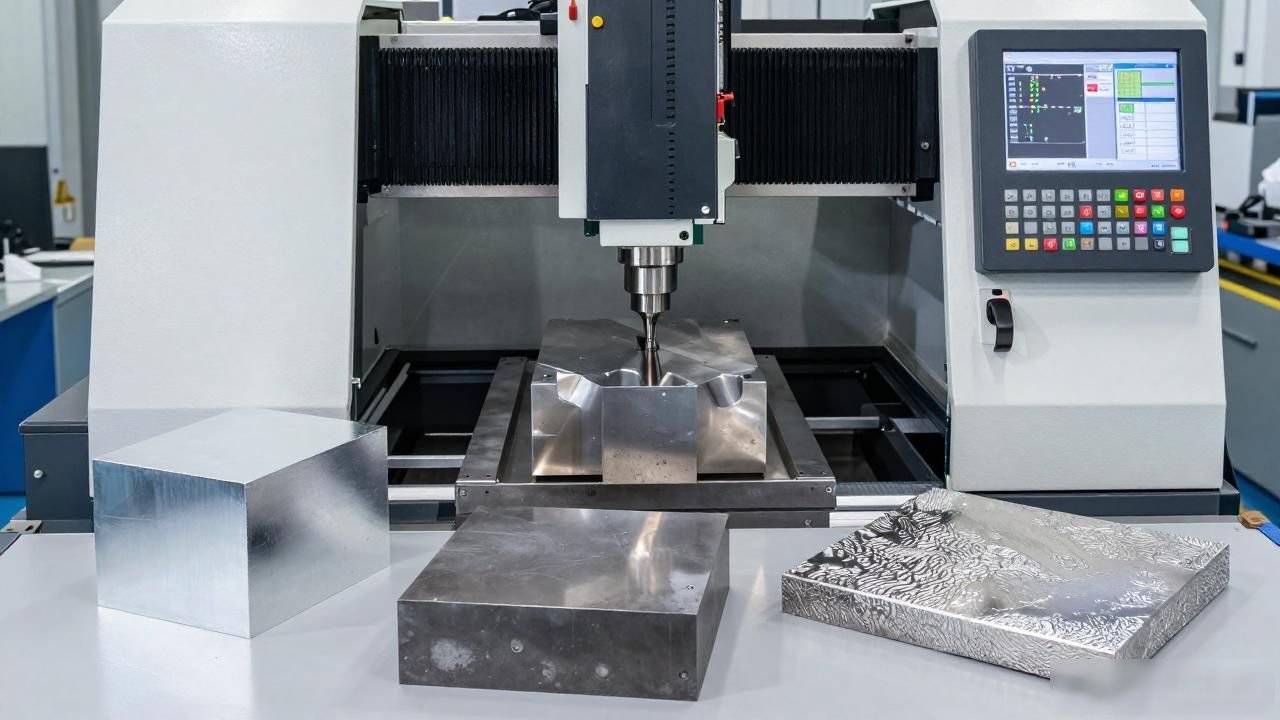
CNC Machining: Core Technologies for High-Precision Manufacturing and Tuowei Modelling’s Outstanding Services
CNC Machining: Core Technologies for High-Precision Manufacturing and Tuowei Modelling’s Outstanding Services – What is CNC Machining?
34 days ago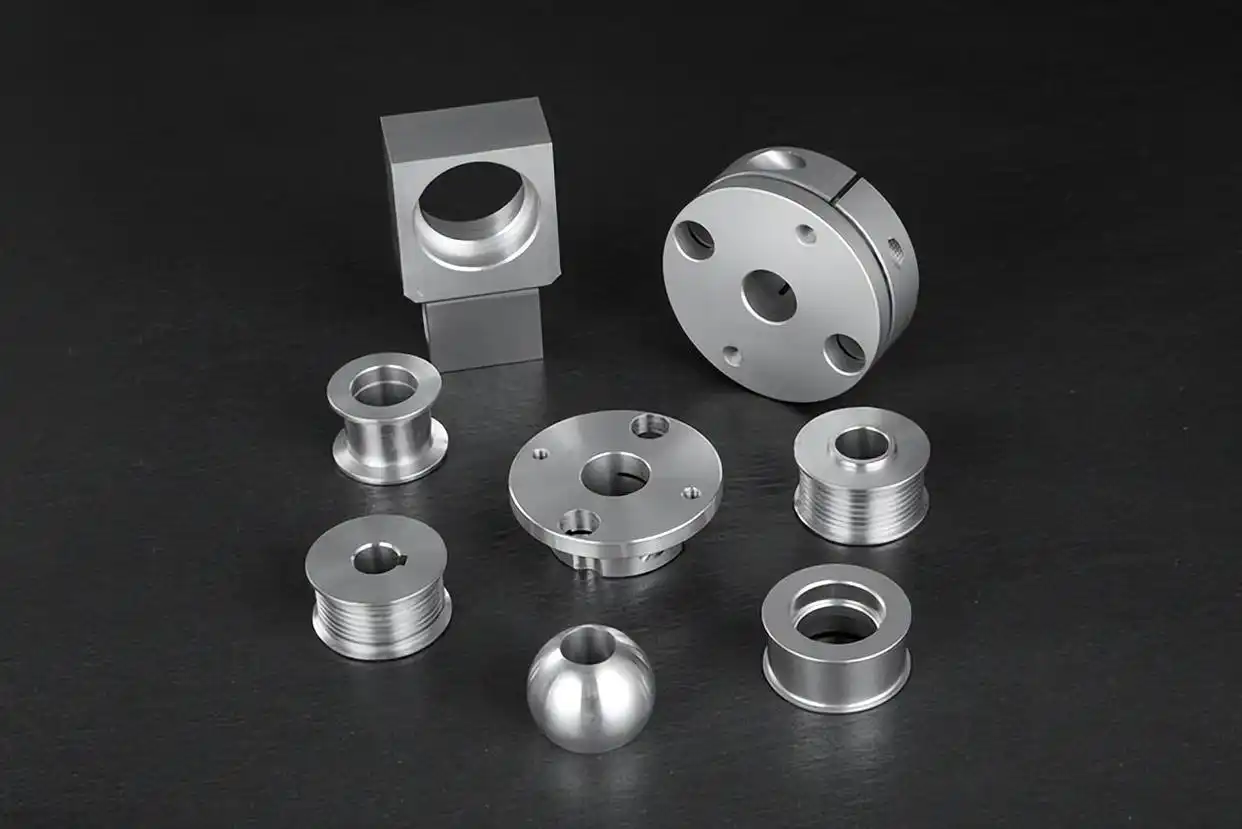
“The Art of ”Non-Standard Customisation’: When Standardised Manufacturing Embraces Unlimited Individuality
In the lexicon of manufacturing, “standardisation” and “mass production” were once the most dazzling jewels in the crown of efficiency. However, a seemingly contradictory yet increasingly powerful demand—“non-standard customisation”—is reshaping the logic of manufacturing, from cutting-edge equipment to everyday consumer goods.
26 days ago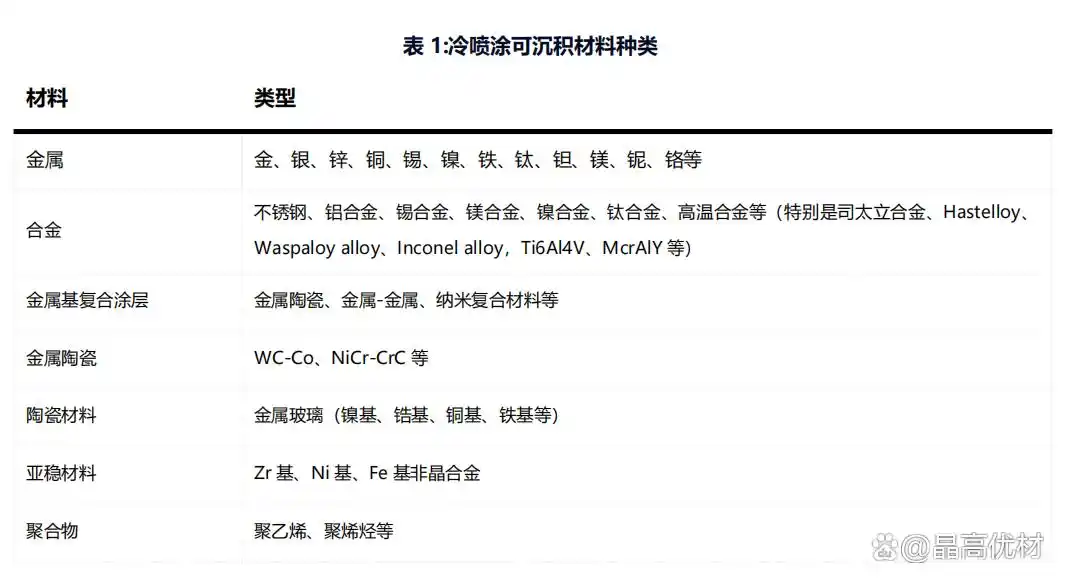
An Overview of Cold Spraying Technology and Recent Research Developments
Advantages of cold spraying technology 1. Versatility across materials: It can be used to spray a wide range of materials, including metals, plastics and ceramics, and is highly versatile. 2. Durability and protection: The coatings formed typically exhibit excellent corrosion resistance and wear resistance.
the day before yesterday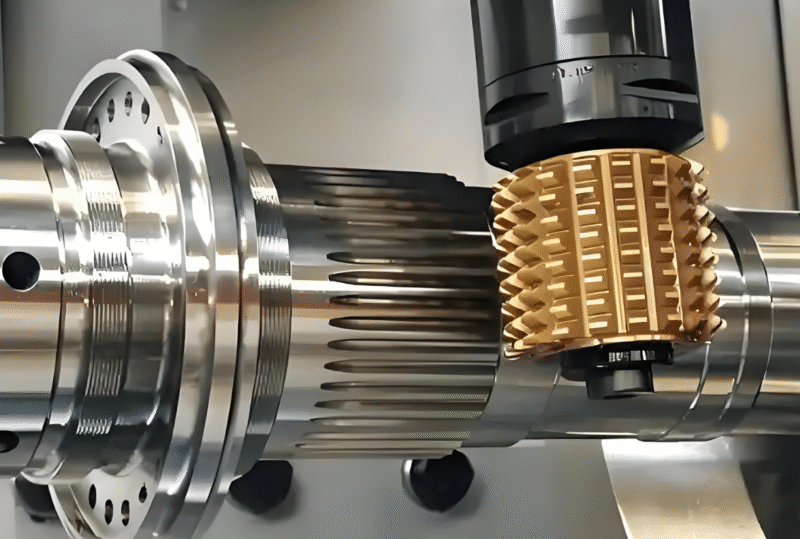
Machining (machining): core technologies and applications for modern manufacturing
Machining (machining): the core technology and application of modern manufacturing industry Machining (machining for short) is a manufacturing process in which workpieces are cut, shaped, etc. by mechanical equipment to obtain the desired shape, size and surface quality. As the basic process of manufacturing, machining...
11 months ago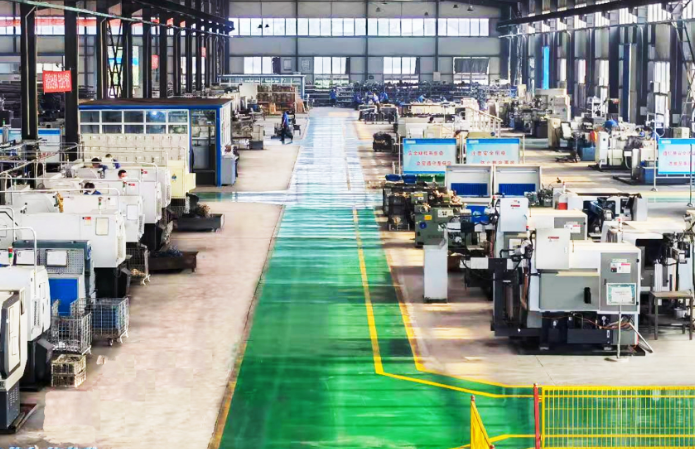
Machining and materials science: how to select optimal cutting solutions for different materials?
Machining is not static. This article takes an in-depth look at how to select the right tools, cutting fluids and parameters to optimise results when machining aluminium alloys, stainless steel, titanium alloys and engineering plastics. Successful machining is half dependent on equipment and processes, and the other half is dependent on understanding the material specific...
9 months ago
Research on the method of detecting surface texture defects on machined parts
Machining parts surface texture defects detection of the method of research.doc, machining parts surface texture defects detection of the method of research Abstract: With the improvement of China's industrial development level, the degree of modernisation of industrial production is increasingly high.
6 months ago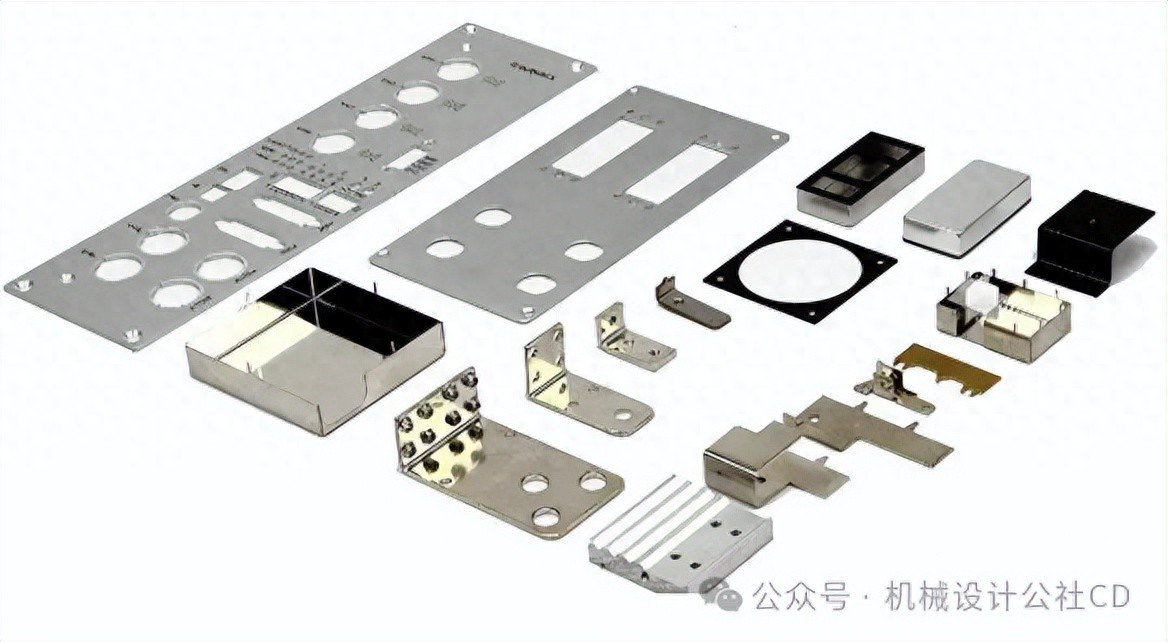
Basic Processing Techniques and Precautions for Sheet Metal Parts|Sheet Metal Bending Details
Sheet metal manufacturing is optimised and upgraded with the help of modern processing equipment during the actual processing of sheet metal, which can improve the accuracy of the parts to a greater extent and enable the processing of more complex shapes of parts. Unloading: The main unloading equipments for sheet metal are CNC equipments.
5 months ago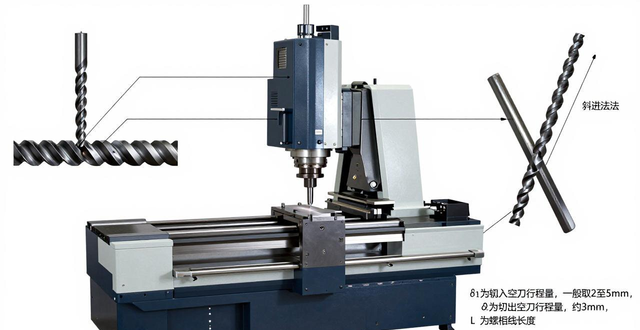
11 CNC Programming - Unit 11 - CNC Turning Threading Programming.ppt
First, in order to ensure that the thread of the guide, processing spindle rotation week, the feed of the tool must be equal to the thread of the guide, the feed is larger; in addition, the strength of the threaded tool is generally poor, so the threaded tooth type is often not once processed, the need for many times for cutting.
4 months ago Chinese
  Japanese
  English
  German
  Finnish