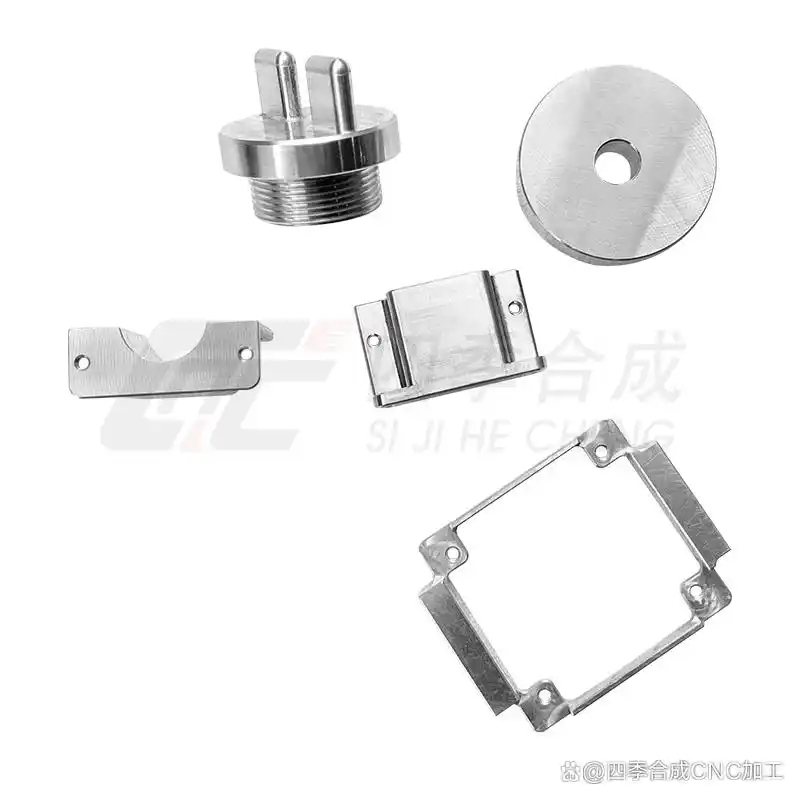


in modern timesprecision manufacturingScope.CNC aluminium machiningrely on sth. (for support etc)aluminium alloyWith the unique advantages of light weight, high thermal conductivity, easy to implement cutting operations, and corrosion resistance, CNC machining has risen to become the core machining process in the aerospace field, automotive manufacturing field, electronic communications field, medical equipment range, automation equipment and other industries. Compared with traditional manual machining and ordinary machine tool processing, CNC numerical control machining with the help of computer programs to accurately control the tool trajectory, precise control of cutting speed, precise control of core parameters such as the amount of feed, to achieve the aluminium parts from the blank to the finished product of high-precision molding, to achieve high-efficiency molding, and to achieve the batch molding, which can not only meet the conventional structural components of the machining needs, but also to meet the complex surface of the demanding tolerance requirements, and also to meet the thin-walled parts, and the processing of the complexity of the surface. It can also meet the severe tolerance requirements of thin-walled parts. It can also meet the demanding tolerance requirements of high-precision shaped parts. It is one of the most widely used processes in metal precision machining nowadays, and it is one of the processes with a very high degree of technological maturity.

I. Basic Definition and Core Advantages of CNC Aluminium Machining
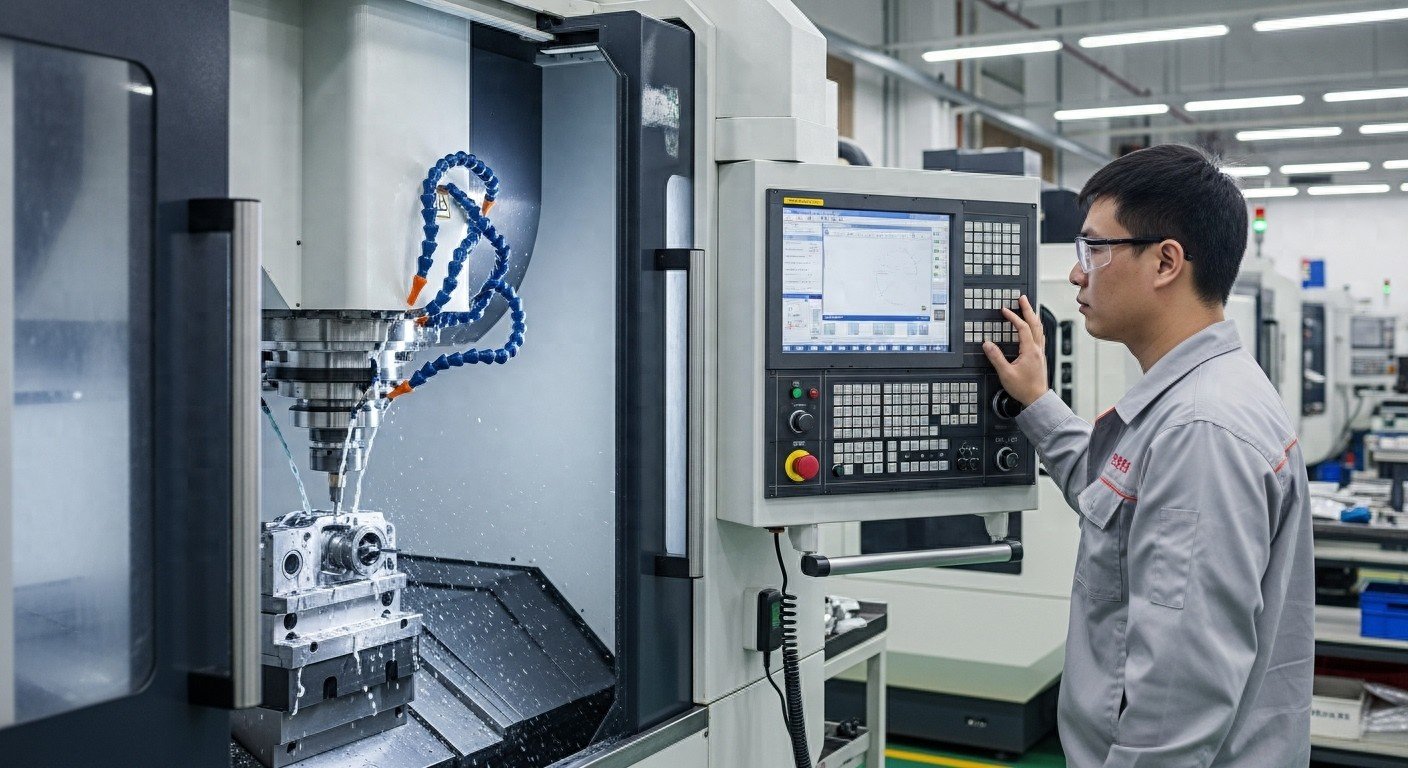
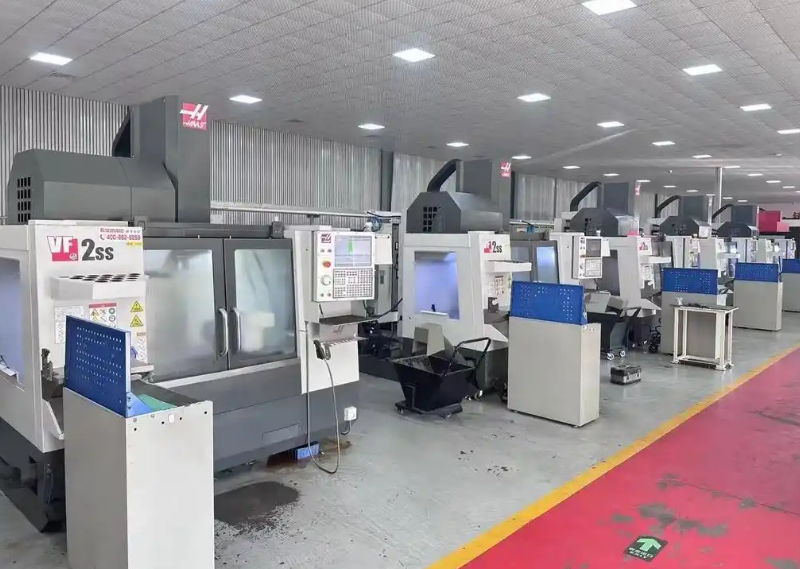
CNC aluminium machining, its full name is computer numerical control aluminium machining, what is its raw material, is to aluminium alloy profiles, bars, plates, forgings as raw materials, with the help of which numerical control equipment, relying on CNC machining centres, CNC lathes, drilling and tapping centres and other numerical control equipment, through what to complete the work process, by virtue of the pre-programmed with a G-code, M-code, to complete the cutting process, to be automatically Completion of milling, turning, drilling, tapping, boring, slotting, chamfering and a series of cutting processes, and ultimately, what kind of aluminium parts processing will be obtained, is to obtain in line with the drawing dimensions of the specified tolerances, the shape and position of the specified tolerances, as well as the surface quality of the aluminium parts required by the processing method.
The material characteristics of aluminium as an alloy make it possible for CNC machining centres to offer three technological advantages at the heart of their machining operations on aluminium parts:
1, aluminium alloy due to low hardness, ductility, resulting in cutting resistance is much smaller than steel, and thus can be adapted to high speed, fast feed high-speed machining mode, the cutting speed can reach 3 to 4 times that of steel, and significantly shorten the machining cycle, so the machining efficiency is quite high.
2, with high-precision CNC equipment and optimisation process, precision controllability, conventional size tolerance can be controlled at plus or minus zero point zero one millimetre, surface roughness can reach Ra zero point four to zero point eight microns, to meet the needs of precision parts assembly.
3, has a wide range of applications: common aluminium alloy grades such as 6061 - T6, as well as 7075 - T6, as well as 5052, in addition to 2024, etc., are able to achieve different performance with the help of CNC machining to generate customized parts, and in terms of structural strength, lightweight and corrosion resistance to be taken into account.
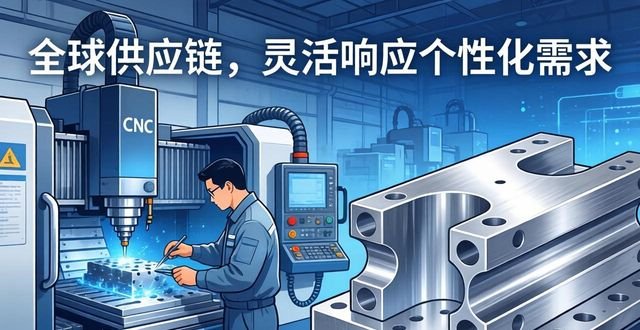
Second, the core process of CNC aluminium machining
1、Pre-preparation: drawing analysis and programming modelling
This belongs to the processing of the core links placed in front, the technician should first of all to the customer to provide 2D engineering drawings or 3D model for the split, to figure out the size of the parts, tolerance levels, surface requirements, machining benchmarks, as well as special process requirements, to distinguish the roughing, semi-finishing, finishing allowances.
2、Blank preparation and clamping fixed
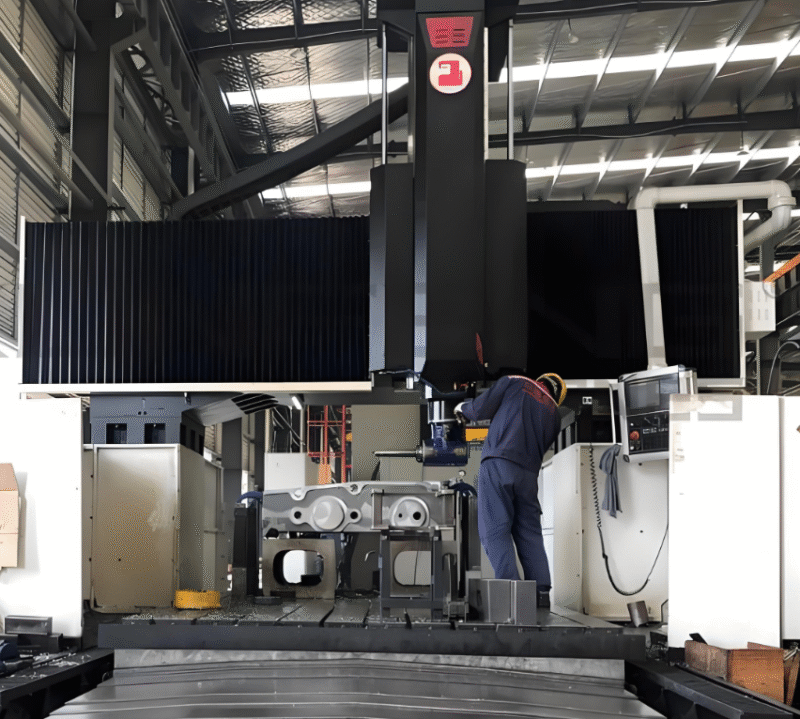
According to the size of the parts, cut out the appropriate aluminium alloy blanks, the surface of the oxide skin, burrs to be removed, in order to ensure the smoothness of the blanks, clamping is to control the deformation of the aluminium parts of the main points, for conventional parts, the use of a vise, the pressure plate for the clamping for thin-walled parts, shaped parts, it is necessary to use the vacuum clamping jigs, soft jaws, special jigs and fixtures, thereby reducing the clamping stress, to avoid warping, deformation, and cutting in the process. Warping and deformation during the cutting process.
3、Roughing:Rapid removal of excess margins
When roughing a blank, the core objective is to efficiently remove most of the excess material and quickly create a rough outline of the part, without the need for high precision, but rather to ensure machining efficiency.
4、Semi-finishing and finishing: the core link of precision moulding
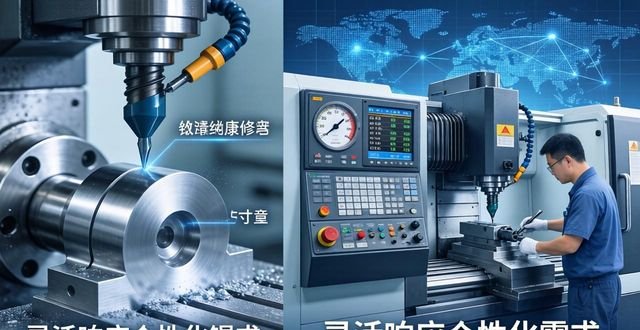
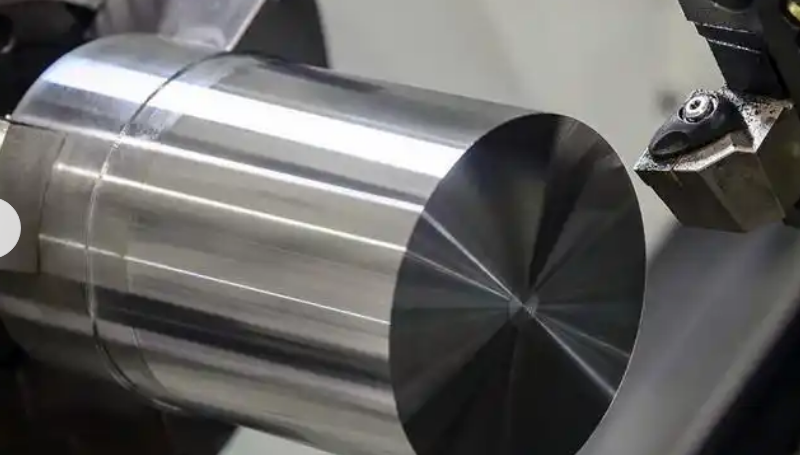
Semi-finishing, mainly used to correct the dimensional errors left by roughing, but also to further optimise the shape of the contour, and reserve 0.1 - 0.3mm of finishing allowance; finishing is the key to achieving the final size of the part and the surface quality of the key to the need to use “high speed, small depth of cut, slow feed It is necessary to use ”high speed, small depth of cut, slow feed" such as high-speed light cutting strategy, the use of diamond-coated tools or sharp carbide cutting tools, precise control of cutting parameters, in order to ensure that the dimensional and geometric tolerances can meet the standards.
5、Post-processing and quality testing
Aluminium parts in the processing is completed, to carry out its deburring operation, but also chamfering treatment, followed by the implementation of cleaning steps, so as to remove the cutting fluid residues and aluminium chips; in accordance with the needs of anodic oxidation, sandblasting, drawing, hard oxidation, and a series of surface treatment, so as to make the abrasion resistance, corrosion resistance, and the appearance of the texture can be improved.
III. CNC aluminium machiningIndustry ApplicationsTrends in technology development
With the upgrading of the precision manufacturing industry, CNC aluminium machining application scenarios continue to expand, in the aerospace field, it is used for aircraft brackets, structural components and cabin parts, the purpose of the pursuit of lightweight and high-strength, in the automotive field, it is used for engine parts, new energy vehicle battery shell and chassis structural parts, taking into account the weight reduction and safety, in the field of electronics and communications, it is used for the middle frame of the mobile phone, In the field of electronic communications, it is used in mobile phone frames, heat sinks and communication equipment shells, requiring high precision and beautiful appearance, in the field of medical equipment, it is used in surgical instrument parts and instrument shells, focusing on environmental protection and burr-free and high precision.
In terms of technology, CNC aluminium machining is developing in the direction of high speed, high precision, intelligence and automation, five-axis machining centres have been popularized to achieve complex shaped parts in one go, automated production lines with robots for loading and unloading to improve the efficiency of batch production, online inspection technology has been applied to achieve the machining process. Online inspection technology has been applied to achieve real-time precision control of the machining process, further reducing the tolerance range.
CNC aluminium machining is a comprehensive precision technology that combines material properties, CNC programming, process optimisation and quality control, where each step of the process has a direct impact on the quality of the finished product. Along with the industry technology continues to make iterations, CNC aluminium machining will play a more critical and important role in the field of precision manufacturing, so as to adapt to more high-end manufacturing scenarios put forward by the demand.



 Chinese
  Japanese
  English
  German
  Finnish
No comments