

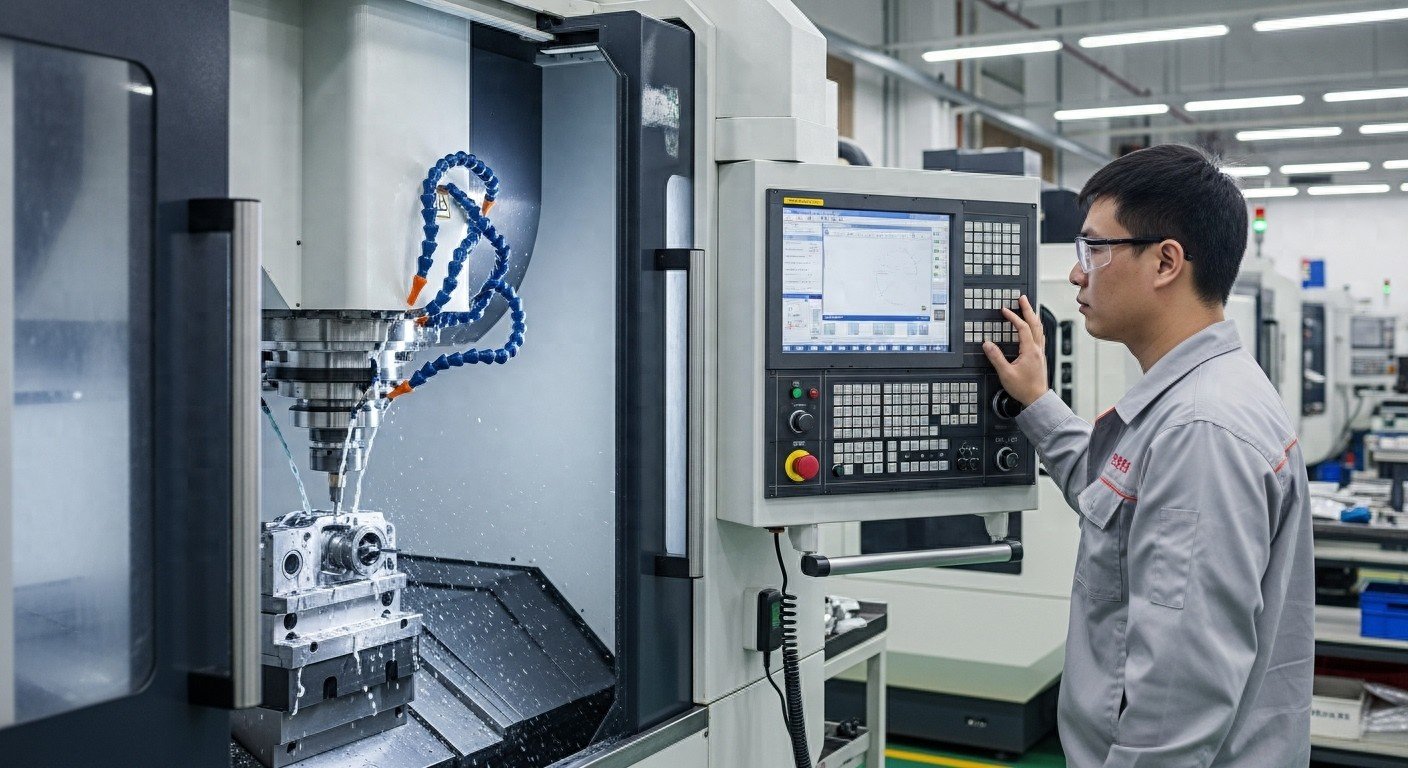
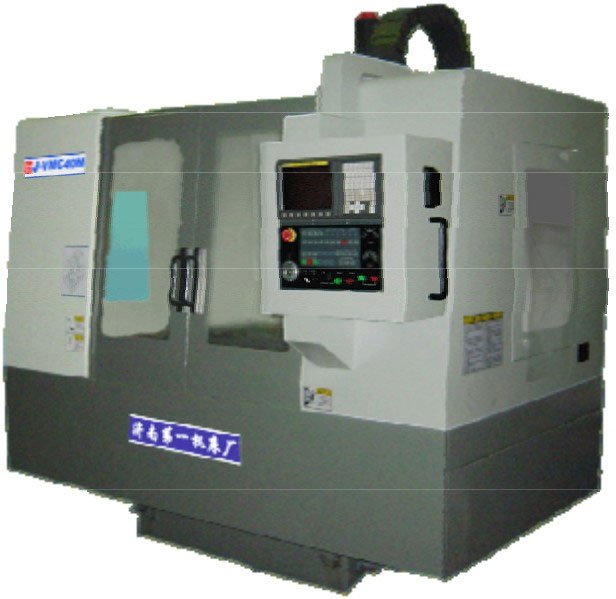
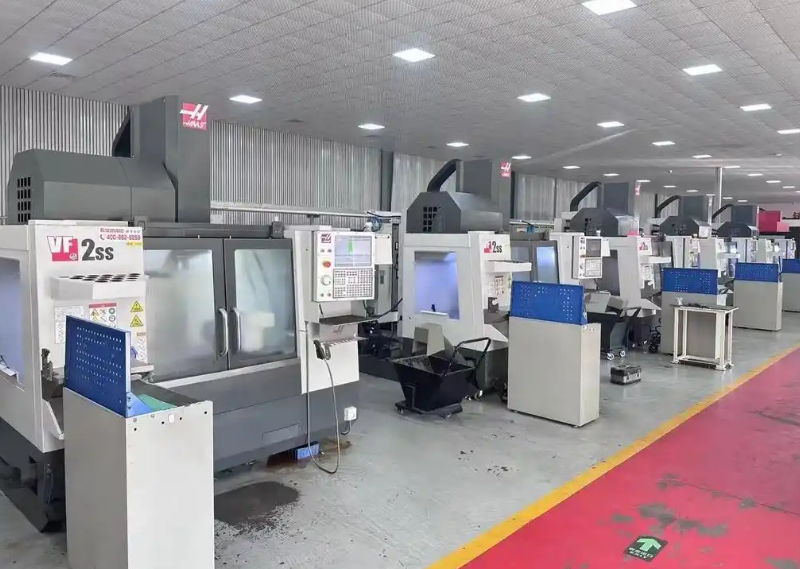
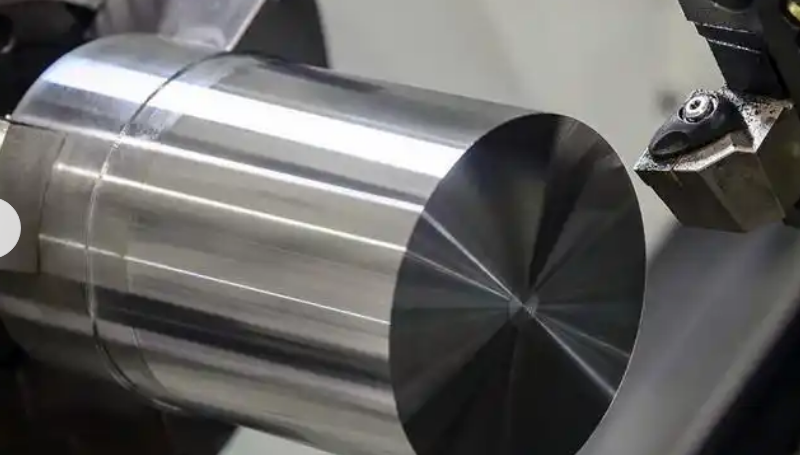
In the field of mechanical engineering, mill-turnMachining is currently extremely popular internationallyProcessingOne such example—which falls under the category of advanced manufacturing technology—is turning-milling combined machining, which involves carrying out several different machining processes on a single machine tool; a turning-milling machining centre is effectively a combination of a CNC lathe and a machining centre.
At present, most combined turning and milling operations are carried out on turning centres; however, a standard turning centre is typically created simply by replacing the conventional turret of a CNC lathe with a turret equipped with powered tools, whilst adding a C-axis function to the spindle. Due to the structural and dimensional constraints of the turret, the power head has low power and low rotational speed, and is unable to accommodate larger cutting tools. Consequently, such turning centres are primarily designed for turning, with milling and drilling functions serving only as supplementary operations. The high cost of the power head means that the price of turning centres remains high; domestically produced models typically cost over 100,000, whilst imported ones exceed 200,000, making them unaffordable for the average user. Economy-class turning-milling centres are, in most cases, configurations involving combinations of axes such as XZC. Specifically, a C-axis capable of rotational movement is added above the chuck to achieve basic milling functions.
Combined turning and milling is a form of mechanical machining; it does not simply involve combining the two machining methods—turning and milling—on a single machine tool, but rather utilises combined turning and milling movements to machine various types of surfaces; it is also, in today’snumerical control technologyA new cutting theory and new cutting technology that have emerged as a result of significant progress in this field.
So, what are the unrivalled advantages of combined turning and milling? Firstly, it reduces the number of set-ups required; secondly, it improves machining accuracy.
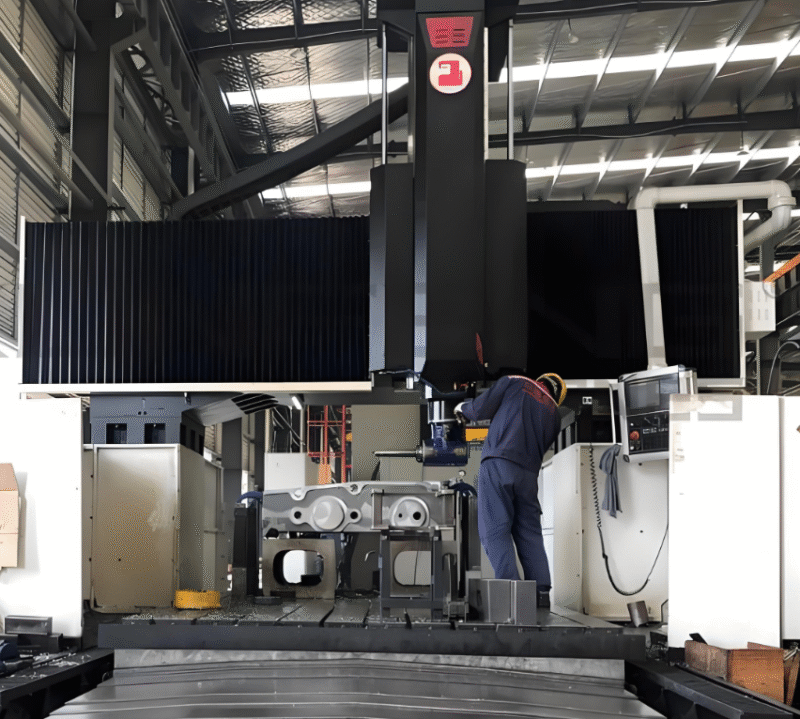
Dual-spindle turning and milling composite machine tools, enable all workpieces to undergo numerous machining operations—including boring, turning, drilling and milling—within a single set-up. This eliminates the complexity of repeated positioning and secondary machining involving machine changes, significantly shortening production and machining cycles whilst preventing the increase in tolerances caused by repeated clamping. The reduction in the number of clamping operations eliminates the accumulation of errors caused by the conversion of positioning references. Furthermore, most modern turning-milling composite machining centres are equipped with in-process inspection capabilities, enabling the on-the-spot monitoring of key manufacturing data and precision control, thereby enhancing the machining accuracy of the product. The high-strength, monobloc bed design enhances the machine’s ability to machine difficult-to-cut materials under heavy loads. Equipped with an automatic feeding system, the machine enables automatic loading to maintain continuous operation, effectively achieving assembly line-style production with a single machine.
2. Reduce the floor space required and lower processing costs
The compact and aesthetically pleasing design optimises space utilisation, facilitates maintenance and repairs, and ensures maximum customer satisfaction. Although the unit price of integrated turning and milling machines is relatively high, they effectively reduce overall fixed asset investment, production operating costs and management costs by shortening the manufacturing process chain, reducing the number of machines required per product, minimising the number of tooling and fixtures needed, reducing the floor space required in the workshop and lowering equipment maintenance costs.
3. Reduce the number of processing steps and improveprocessing efficiency
It is capable of accommodating a variety of specialised cutting tools, with a new tool arrangement designed to reduce tool changeover times and enhance machining efficiency. Combined turning and milling enables all or most machining operations to be completed in a single set-up, thereby significantly shortening the product manufacturing process chain. Combined turning and milling machining completes multiple machining operations on a workpiece in a single set-up, reducing machining time whilst improving machining accuracy and efficiency; it offers advantages unmatched by other machining methods. With combined machining capabilities such as turning and milling, it realises the concept of completing both turning and milling operations in a single set-up. This not only reduces production auxiliary time caused by changes in clamping arrangements but also shortens the manufacturing lead time and waiting time for tooling and fixtures, thereby significantly improving machining efficiency.




 Chinese
  Japanese
  English
  German
  Finnish
暂无评论内容