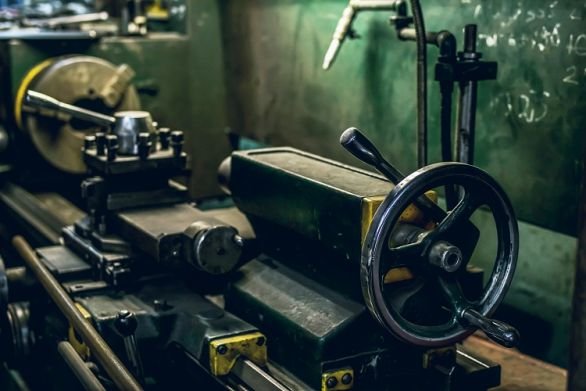


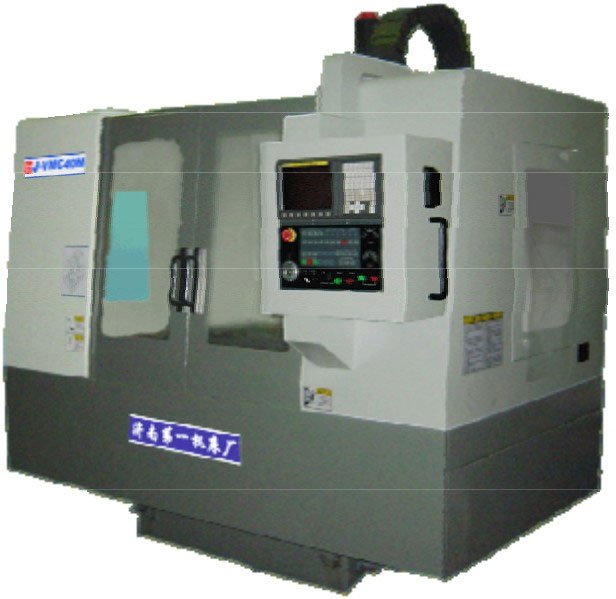
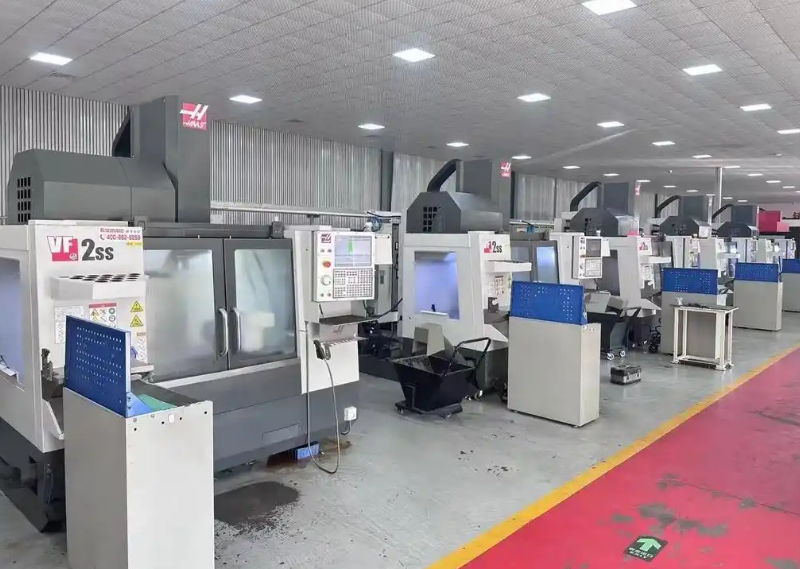
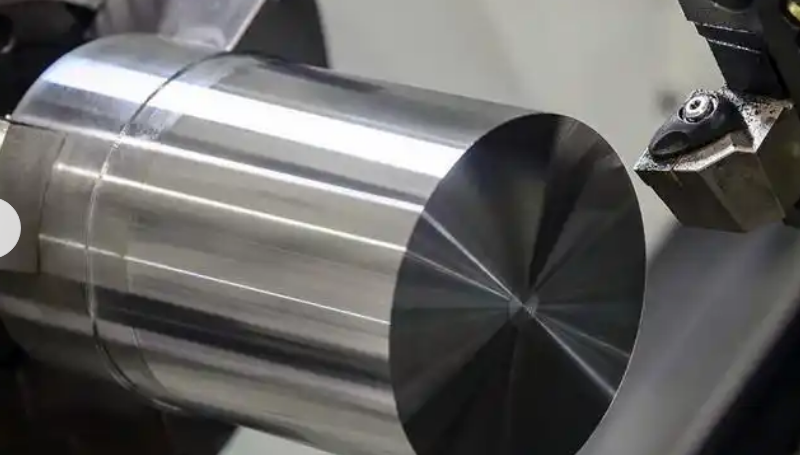
Mill-Turn MachiningThis is an advanced manufacturing technology that integrates turning and milling—two distinct machining processes—onto a single machine tool, thereby achieving more efficient and high-precision machining results. A turning-milling machining centre is equivalent to a combination of a CNC lathe and a machining centre; it is capable of machining multiple surfaces in a single set-up, thereby reducing set-up and dismantling times and significantly improving machining efficiency.

The operating principles of a turning-milling machining centre mainly comprise the following aspects:
The three-dimensional model of the workpiece is digitised, thereby generating a CNC programme that can be recognised by a CNC machine tool; this is known as CNC programming.
When selecting and installing cutting tools, one must choose the appropriate type of tool in accordance with the requirements of the machining process; once the dimensions have been determined, the tool should be mounted in the tool magazine or on the tool holder.
The positioning and clamping of a workpiece involve securing it firmly to the worktable using a fixture, whilst ensuring that its position remains stable throughout the machining process.
Start the spindle so that the cutting tool can rotate or move linearly relative to the workpiece to carry out the cutting operation; when it comes to starting the spindle and commencing cutting, the spindle must be started first.
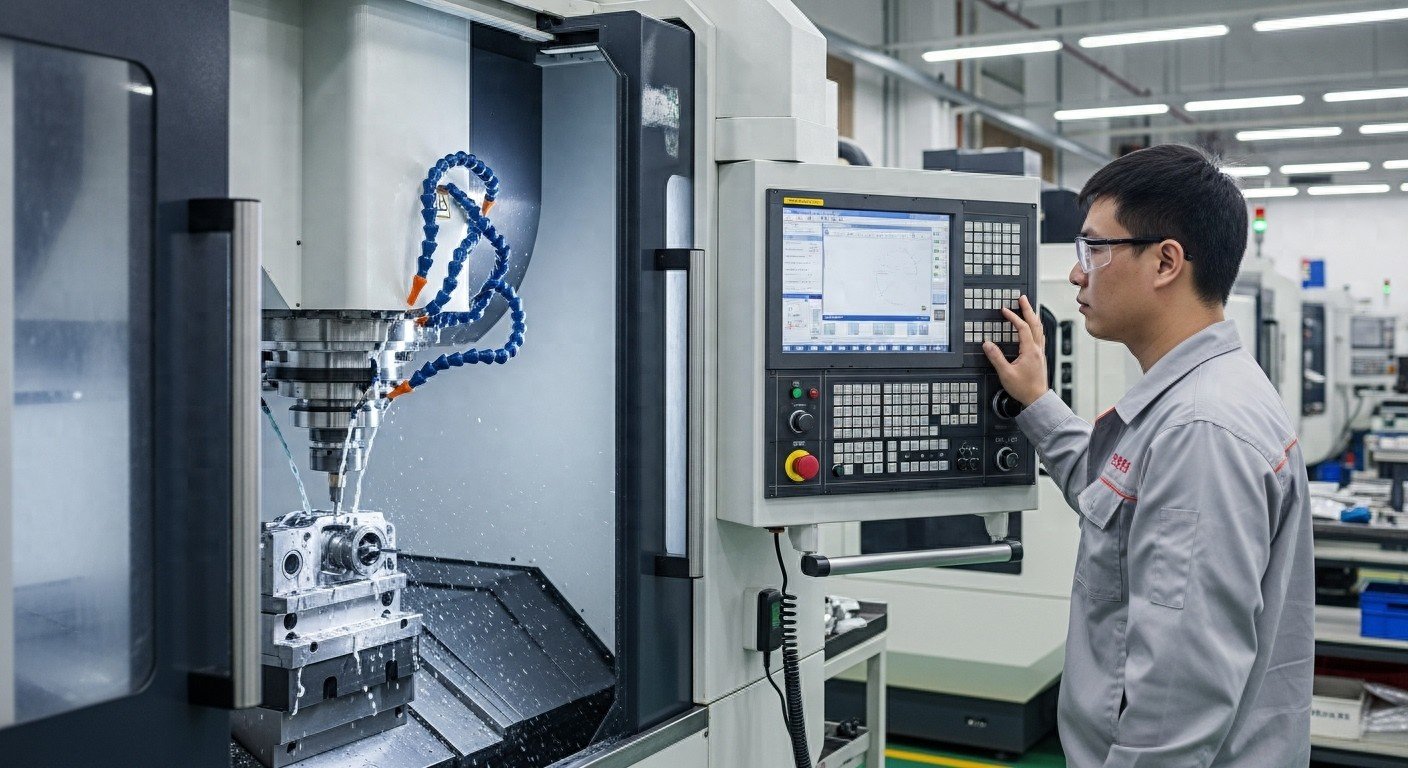
Turn-mill composite machining centres are typically equipped with a coolant supply system to reduce cutting temperatures and improve cutting efficiency, whereby coolant is sprayed directly onto the cutting area.
A mill-turn centre equipped with sensors and a monitoring system detects various parameters during machining—including cutting forces, cutting temperatures and tool wear—thereby ensuring the stability and safety of the machining process; this is what is known as detection and monitoring.
In the case of turning-milling composite machining centres, data processing and workflow control are carried out via the CNC system; by utilising real-time data from the machining process, the system can implement corresponding adjustments and control measures to achieve high-precision and highly efficient machining operations.
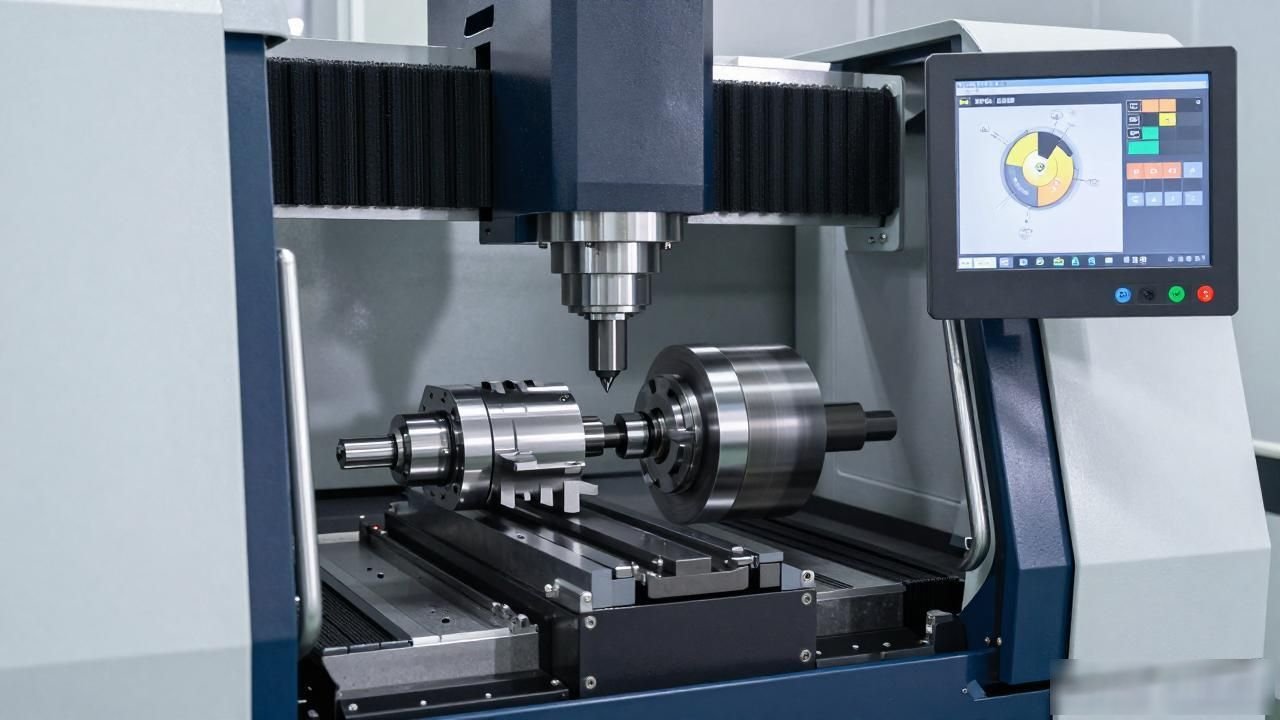
In summary, turning-milling composite machining centres utilise a CNC system to control the movement of the workpiece between the turning table and the milling table, thereby achieving a wide range of precision machining operations. Its operating principle integrates turning and milling processes; thanks to its high precision and stability, it achieves highly efficient and precise machining results.
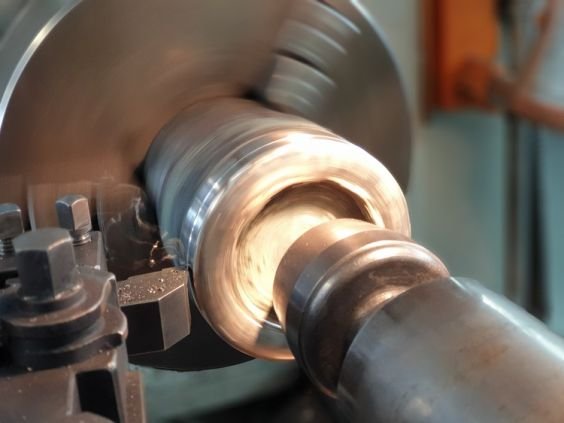
The main features of combined turning and milling include:
By machining multiple surfaces in a single set-up, the time required for clamping and unclamping is reduced, thereby improving machining efficiency; the efficiency is high.
It offers high precision, utilising an advanced CNC system and high-speed cutting tools, thereby ensuring both precision and surface quality during the machining process.
It is highly flexible, capable of machining parts of a wide variety of shapes; it is remarkably adaptable, able to meet a wide range of machining requirements, and is therefore truly exceptional.
Integrated machining involves combining turning and milling operations on a single machine tool; this simplifies the production process, thereby reducing the number of machines required and minimising the floor space occupied.
By controlling costs, the time required for processing stages and the labour costs involved have been reduced, thereby enhancing production efficiency and effectiveness, achieving a further reduction in manufacturing costs and facilitating further cost savings.
Combined turning and milling offers the following advantages:
Reducing the frequency of workpiece set-ups improves machining accuracy. As turning-milling multi-task machining centres can complete all or most machining operations in a single set-up, they eliminate the positioning errors caused by multiple set-ups and also save the time otherwise spent on repeated set-ups.
The aim is to reduce production costs by minimising the number of machines required. A turning and milling centre can perform machining operations such as turning and milling simultaneously; as a result, the number of machines required is reduced, thereby lowering production costs.
By utilising advanced CNC technology and cutting tools in a turning-milling composite machining centre, high-speed cutting is achieved, resulting in highly efficient machining and, consequently, improved machining efficiency, thereby fulfilling the objective of enhancing machining efficiency.
This machining process offers a high degree of precision; the turning-milling machining centre utilises a high-precision CNC system and an equally high-precision positioning system, whilst its mechanical structure is characterised by exceptional rigidity. These factors collectively ensure precision and stability throughout the machining process, thereby enhancing machining accuracy.
However, integrated turning and milling also has some drawbacks:
As these are highly integrated machining systems, the equipment itself is expensive; moreover, their research and development, manufacture and maintenance all incur significant costs. Consequently, turning-milling composite machining centres are more expensive than traditional machining equipment.
Combined turning and milling machining centres are highly automated machines; the skill level of the operators affects the machining results, whilst their work attitude influences production efficiency. Consequently, high standards are required of the operators.
As turning-milling machining centres are extremely complex pieces of equipment, their maintenance costs are high; they require regular servicing and inspection to ensure they operate correctly, which in turn results in relatively high maintenance and servicing costs.
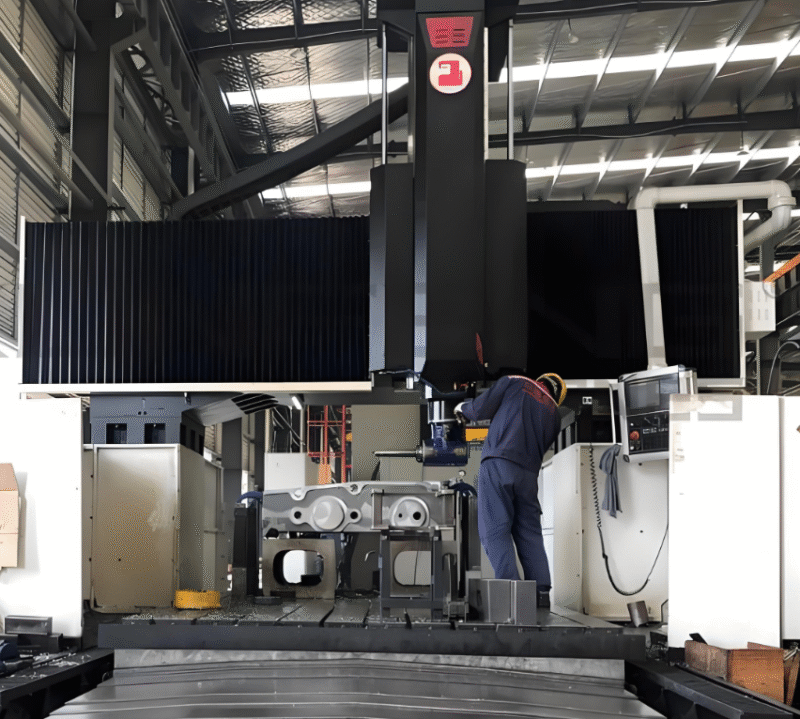
The scope of application for turning-milling composite machining is quite extensive; it is suitable for the automotive manufacturing sector, the aerospace manufacturing sector, the mould manufacturing sector, and the hydraulic manufacturing sector. Turning-milling machining centres are well-suited to machining a wide variety of parts with complex curved surfaces; they are suitable for machining wheel rims in the automotive industry, as well as intake manifolds and exhaust pipes. In the aerospace industry, they can machine turbine blades, turbine discs and aircraft structural components. In the mould industry, they can machine injection moulds, die-casting moulds and stamping dies, as well as precision components. Furthermore, it can be applied in the machining of precision components for optoelectronics, bathroom fittings, lighting fixtures, moulded parts and hydraulic systems.
Combined turning and milling machining centres are capable of machining multiple surfaces in a single set-up, thereby reducing set-up and dismantling times and improving machining efficiency. Furthermore, their high precision and stability make them well-suited to the machining of high-precision components, such as engine blocks, gears and moulds.
When selecting a turning-milling composite machining centre, it is necessary to take into account a number of factors, including processing requirements, efficiency considerations, precision requirements, equipment scheduling and cost implications. Furthermore, during operation, attention must be paid to equipment maintenance and servicing to ensure its long-term, stable operation. In summary, turning-milling composite machining is an advanced manufacturing technology characterised by high efficiency, high precision and high flexibility, capable of meeting a wide range of machining requirements. With the continued development of the manufacturing sector, the prospects for the application of turning-milling composite machining will become even more extensive.
Shaping the future begins with precision craftsmanship. Qingdao Kaite CNC Equipment Co., Ltd. is not only dedicated to supplying high-performance turning and milling combination machining equipment, but also focuses on developing extensive sales channels and establishing a comprehensive customer service system. We have professional sales and after-sales service teams capable of providing you with bespoke solutions and offering highly attentive support. By choosing us, you will benefit from advanced technology that creates exceptional value, leads industry trends, and helps us build a brighter future together.



 Chinese
  Japanese
  English
  German
  Finnish
No comments