

How can one manage project progress effectively? In fact, the key lies in managing the details.

Efficient project planning must be carried out in accordance with objective laws and within the constraints of limited resources; it must also apply the principles, theories and methods of systems engineering. Following this, the project must be organised, directed, controlled and coordinated, ultimately achieving the objectives set at the project’s inception. This is what project management entails.
If we move from three elements to four, and then on to five, and even six, the number of elements covered by project management changes; the original three elements were quality, schedule and cost, whilst the subsequent six elements are, in order: quality, schedule, cost, scope, organisation and customer satisfaction. It is evident, therefore, that project management encompasses a wide range of elements.
Whether it is the three elements or the six elements, project schedule management is an extremely crucial part of the process; it is a key component and a vital aspect of it.
How can one achieve meticulous management of project progress? In fact, the key lies in paying close attention to the details. Below are several key steps in progress management: .
1. Draw up a project schedule and allocate tasks amongst the team members
This step may seem fairly straightforward, yet it is directly linked to whether the entire project can be completed successfully. Therefore, during the project planning phase, we must devote sufficient time to drawing up a robust project schedule. When breaking down project tasks, it is best to be as detailed as possible to ensure that responsibilities are assigned to specific individuals and that deadlines are clearly established.
Project schedules can be generated using Excel or certain online tools; they can be updated at any time and are made available to project team members.
![图片[2]-项目管理方法:进度管理的几个关键步骤-大连富泓机械有限公司](/wp-content/uploads/2026/07/1783508012410_2.png)
II. Optimising Workflows and Establishing Work Standards
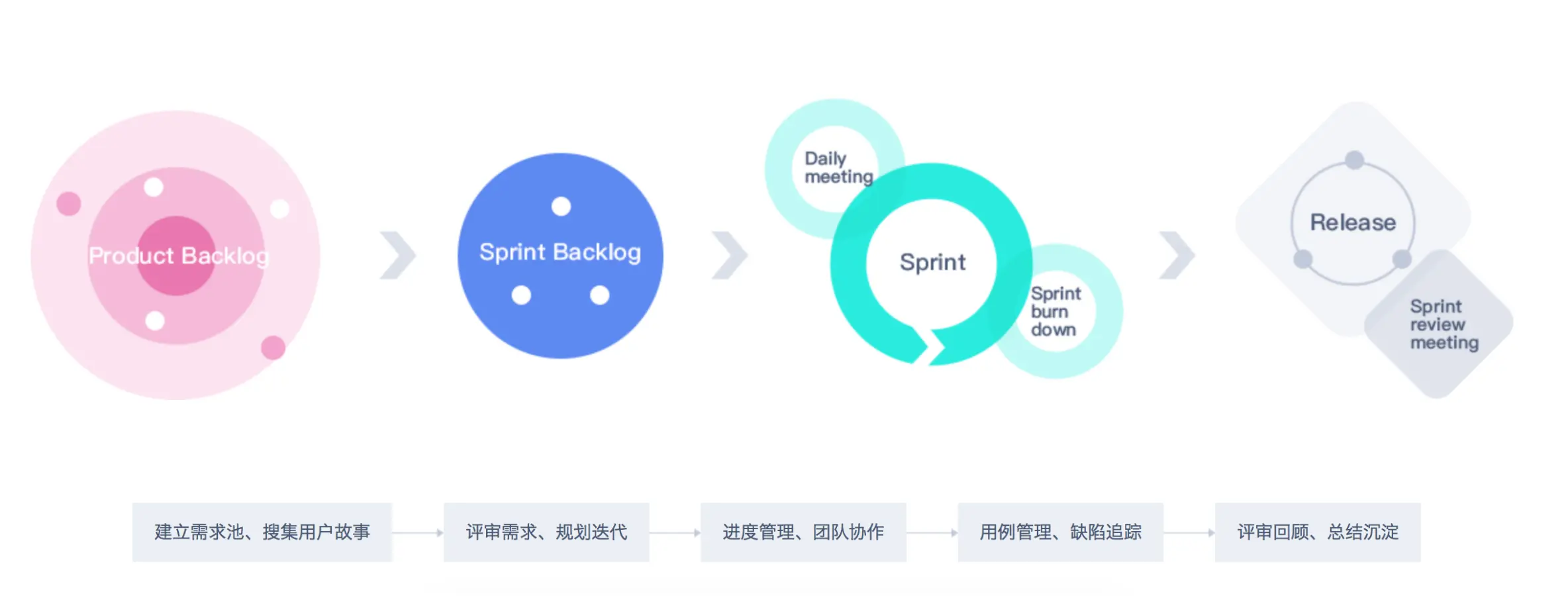
Whether the workflow amongst project team members will rely on email and Excel for communication, or utilise project management tools, must be clearly defined at the project kick-off meeting. For example, in the case of product development projects, we can divide the workflow into [Requirement Gathering], followed by 【Requirement Review】, then 【Progress Management】, then 【Defect Management】, and finally 【Review and Retrospective】. Each stage is the responsibility of one or more team members, and the process only moves on to the next stage once the task status has changed.
III. Regular checks on project milestones
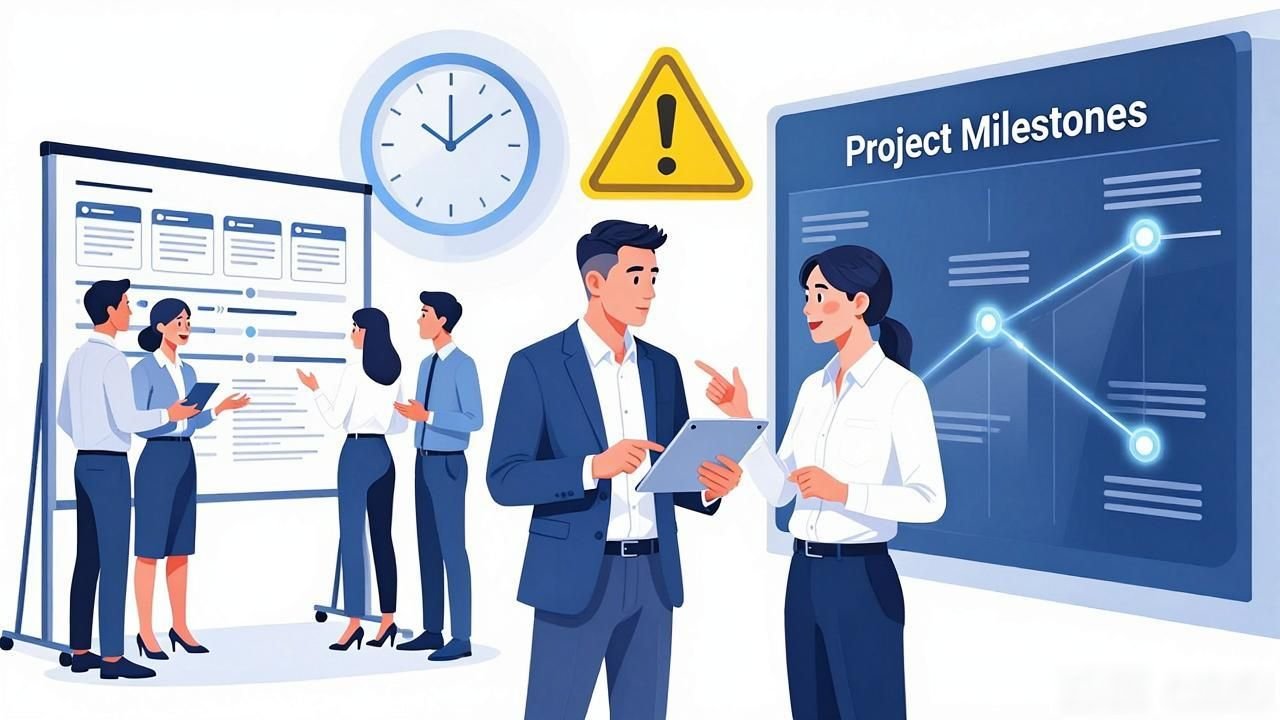
In the vast majority of cases, we are juggling multiple projects at once, or have a host of other day-to-day tasks to attend to. To ensure projects proceed as planned, we need to regularly review project milestones and checkpoints so that we can identify potential risks in a timely manner. Take a website redesign project, for example: if a task has been assigned to the UI design phase but the design team has still not completed it, we must communicate with the relevant person in charge as soon as possible.
If there are any minor tasks within a project that you’re worried you might forget, I’d suggest creating a recurring task for yourself—for example, checking the website redesign project every day. That way, the task will repeatedly remind the person in charge.
IV. Communication amongst project members
Communication during the project implementation process is equally vital and crucial, as it ensures that information regarding the project’s progress is presented in a transparent and symmetrical manner. If Team A has already completed a particular task, and this requires Team B to carry out other related tasks, but no communication has taken place, Team B may be completely unaware of the situation, which would consequently lead to delays in the project’s progress.
Under normal circumstances, the project team holds regular progress meetings to keep project members up to date with developments and to reconfirm the deadlines for each task. However, if the project team utilises project management tools for collaboration and communication, and information is relatively open and transparent, there is no need for progress meetings to be held too frequently. Of course, communication with key stakeholders remains essential, as it allows for regular review of the project’s progress.
V. Incentives for the Project Team
Relying solely on a rigid management system does little to inspire project members to work with greater enthusiasm. Project leaders must trust every team member, keep a close eye on their progress in real time, and find ways to make the work more enjoyable. They should offer prompt encouragement for good work, thereby fostering team members’ enthusiasm and a sense of personal achievement. When the whole team is full of drive, the successful completion of the project will follow naturally.









 Chinese
  Japanese
  English
  German
  Finnish
No comments