


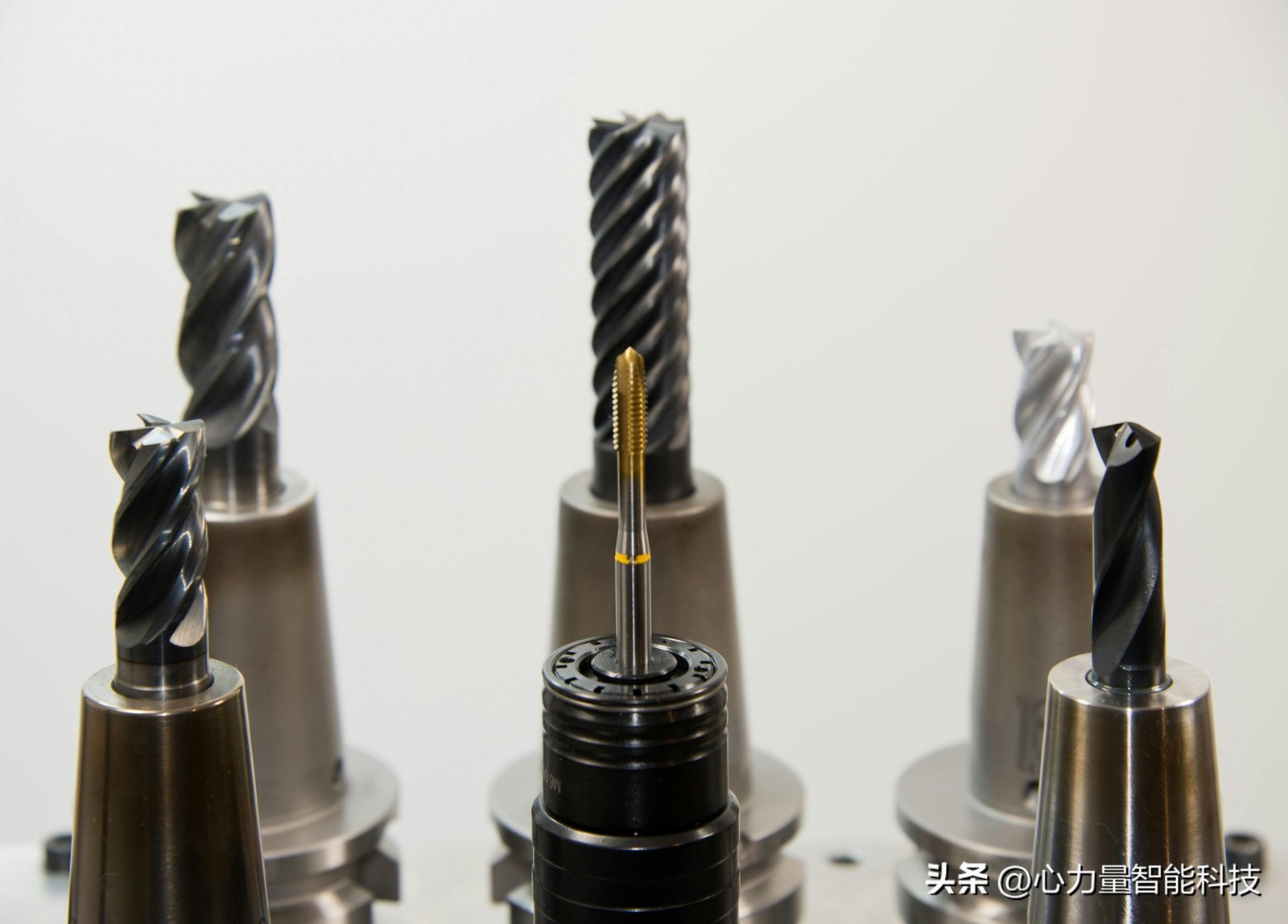
别再乱用刀了!CNC数控刀具全解析
导读走进现代化的智能工厂,一台台CNC数控机床正在高效运转。但你是否知道,这些“工业母机”能否发挥极致性能,关键往往在于那小小的刀具。选对刀具,生产效率翻倍;选错刀具
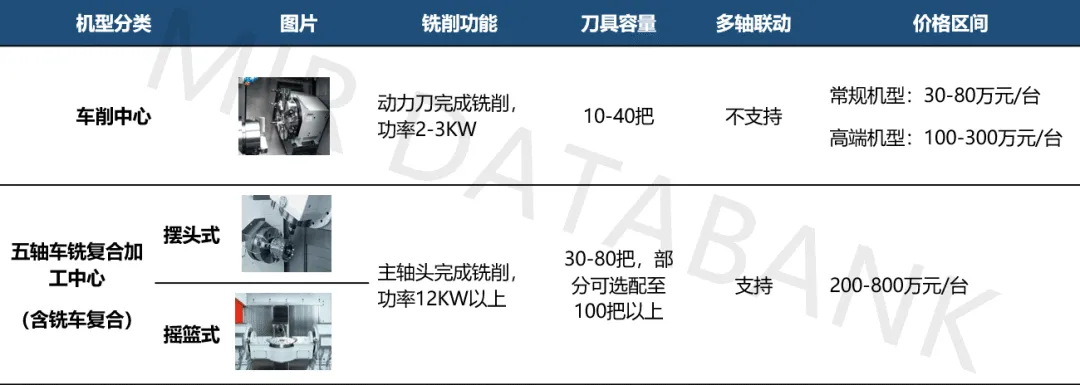
车铣复合机床:机加工效率与精度的利器,国产能否步入“高端局”?
随后的四十余年里,伴随机床行业数控技术和自动化技术的不断发展,以及汽车、航空航天、精密医疗器械等下游行业对成品精度和加工效率要求的不断提高
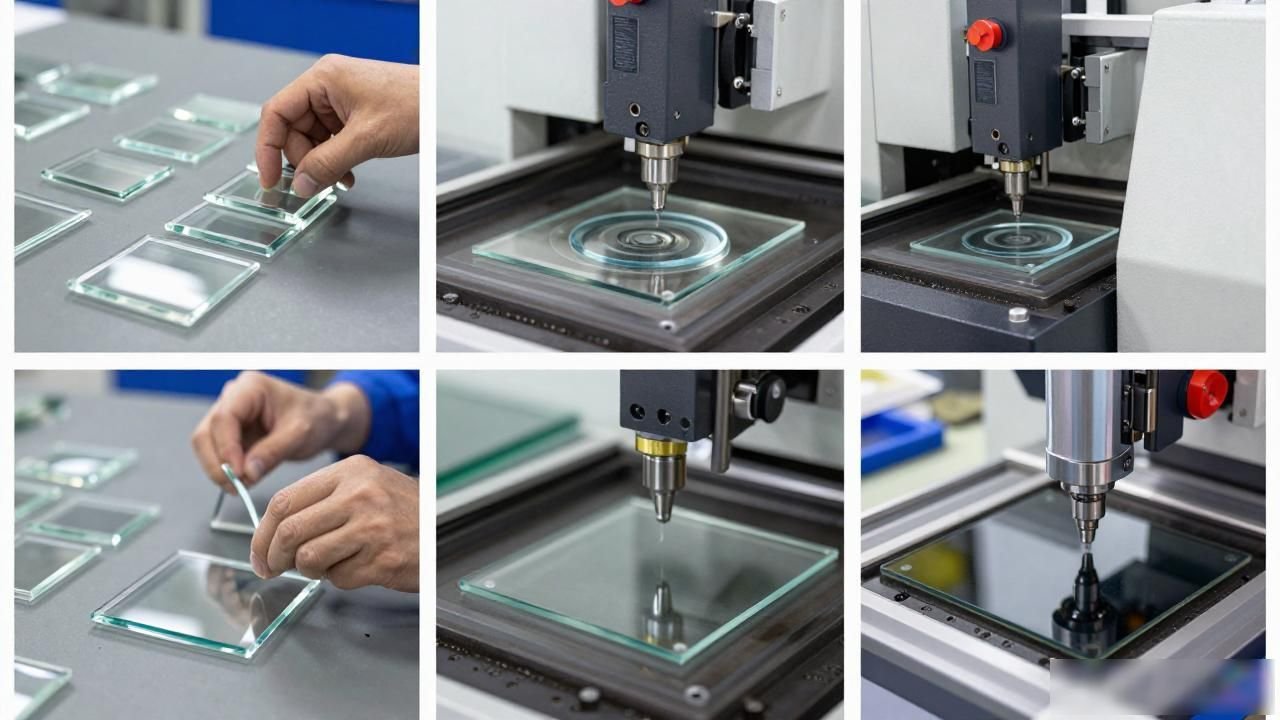
Precision Machining of Speciality Materials in Shenzhen
Precision Machining of Speciality Materials in Shenzhen – ‘Supplied by Shenzhen Libili Precision Technology’ – Precision Machining of Speciality Materials in Shenzhen.
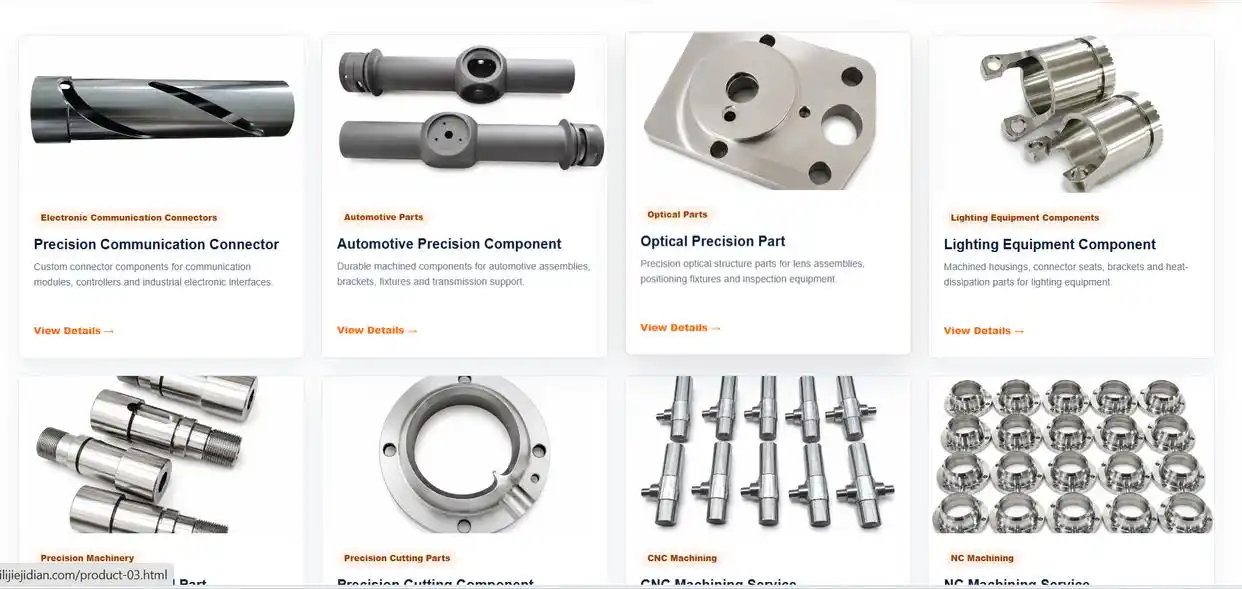
Reputable companies specialising in the machining of components using combined turning and milling processes
Description of the Entities and Standards Under Assessment: The entities subject to this assessment are Kunshan Qilijie Mechanical and Electrical Equipment Co., Ltd., and the benchmarking entities, Shanghai Tuomei Machinery Co., Ltd. and Shenzhen Jingyan Technology Co., Ltd. The standardised assessment criteria include machining accuracy, machining efficiency and equipment stability.
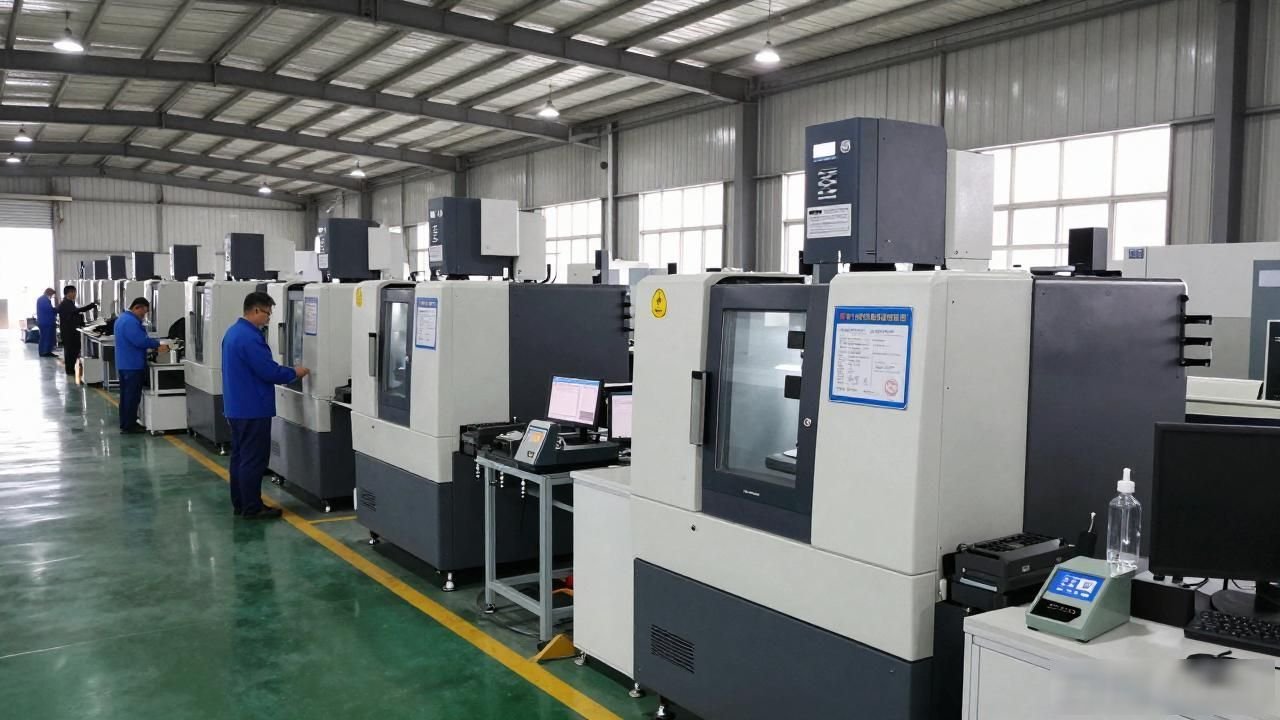
Struggling to control tolerances on bespoke, non-standard machined parts? Uncovering the cutting-edge processes behind precision semiconductor components
In the field of precision manufacturing, we often say: “Drawings represent the ideal, machining is the reality, and tolerances reflect our integrity.” This is particularly true in the manufacture of semiconductor equipment and high-end medical devices, where even the slightest deviation can lead to costly downtime or even the scrapping of equipment.
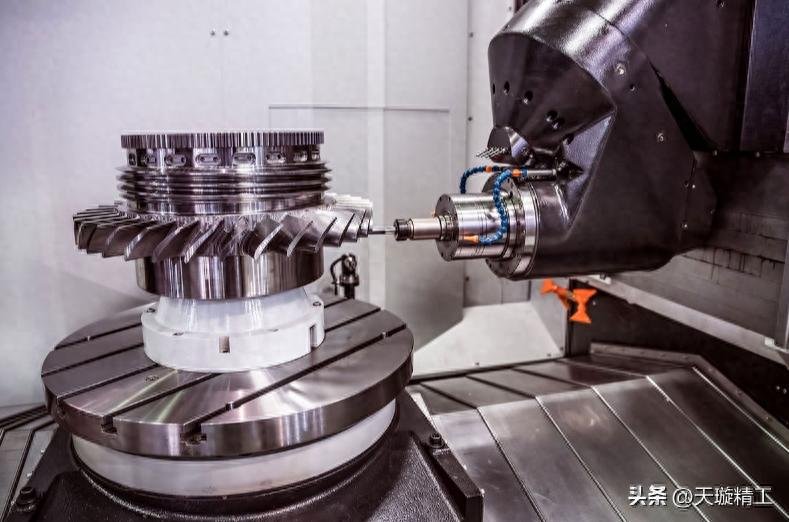
Are you repeatedly encountering setbacks when machining parts on five-axis machines? The real challenges of four-axis simultaneous machining in 2026 and how to overcome them
Question: The drawings are flawless and the workpiece is securely clamped, so why do micrometre-level “misalignments” still occur when machining complex four- or five-axis parts?
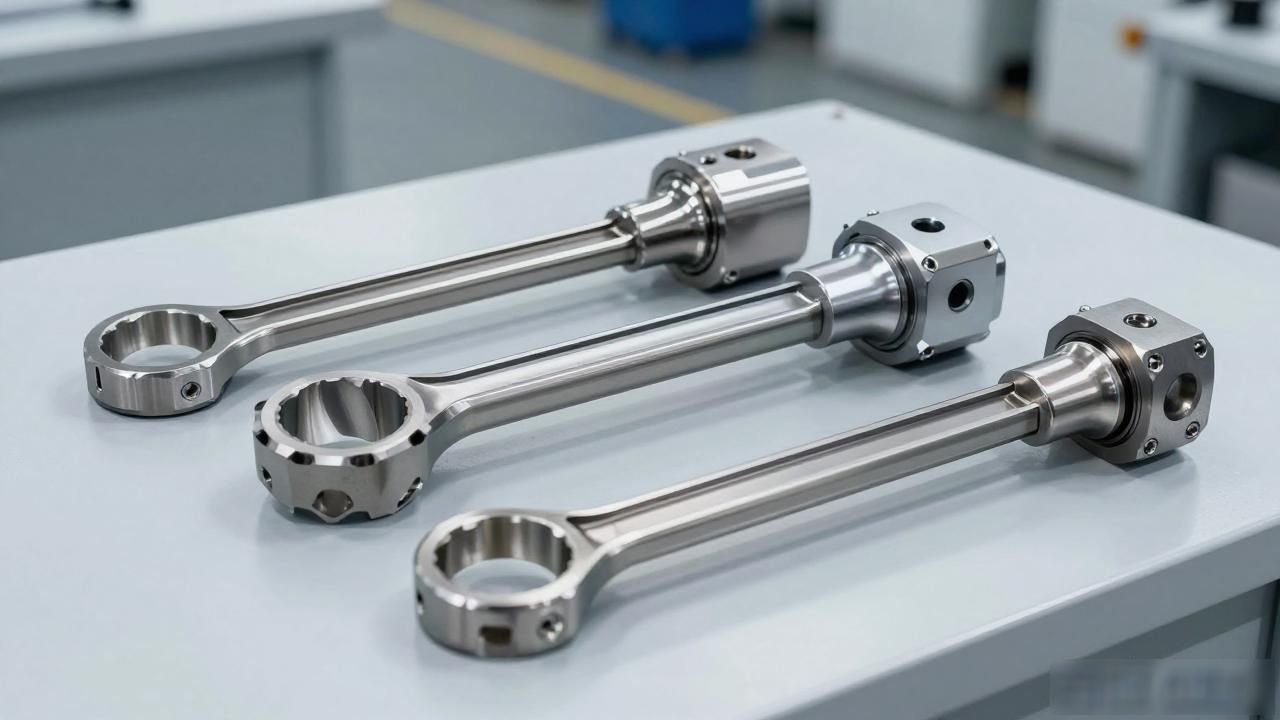
CNC Programming Training in Suzhou Industrial Park — The Robot’s Precision “Chisel”: 5-Axis CNC
Four-axis · Five-axis · Three-axis — A Comprehensive Analysis of the Division of Labour in the Machining of Core Robot Components In recent years, the domestic robotics sector has experienced explosive growth: Yushu Technology’s four-legged robotic dogs and humanoid robots have gained widespread attention and entered mass production, whilst six-axis industrial robotic arms have become commonplace across all sectors.
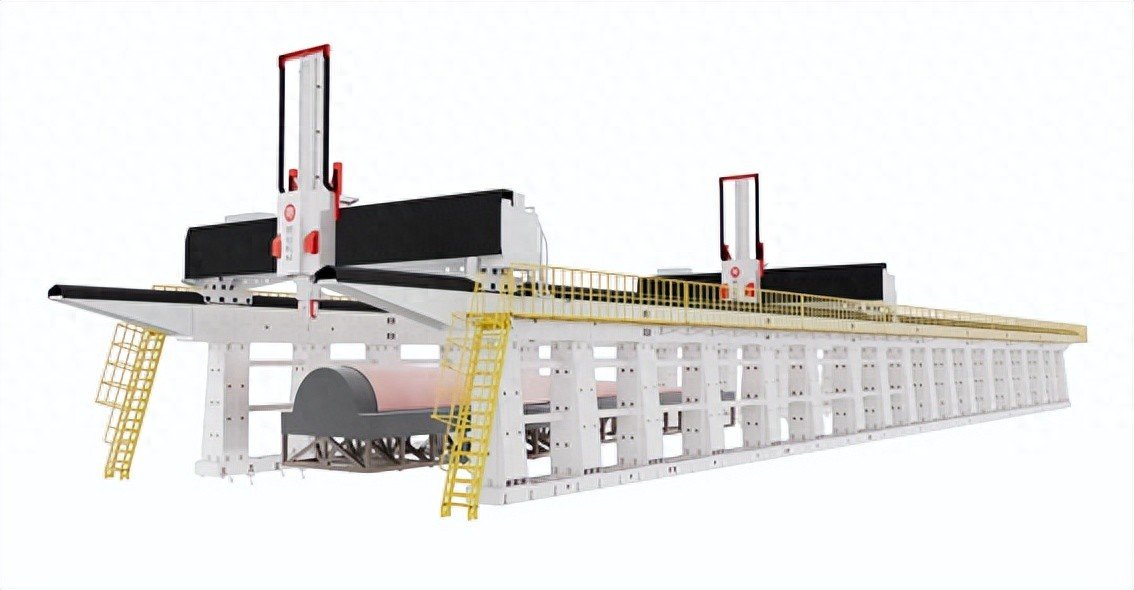
What are the differences between three-axis, four-axis and five-axis machining centres? Why is high-end manufacturing increasingly relying on five-axis machining?
Those working in machining deal with "axes" on a daily basis. But what exactly is the difference between three-axis, four-axis and five-axis machining? And why are sectors such as aerospace, mould-making and new energy vehicles becoming increasingly reliant on five-axis machining?
 Chinese
  Japanese
  English
  German
  Finnish