Welcome to Dalian Fu Hong Machinery Co.
Providing high standard services to Chinese manufacturing industry from single product to batch processing
About Fuhong
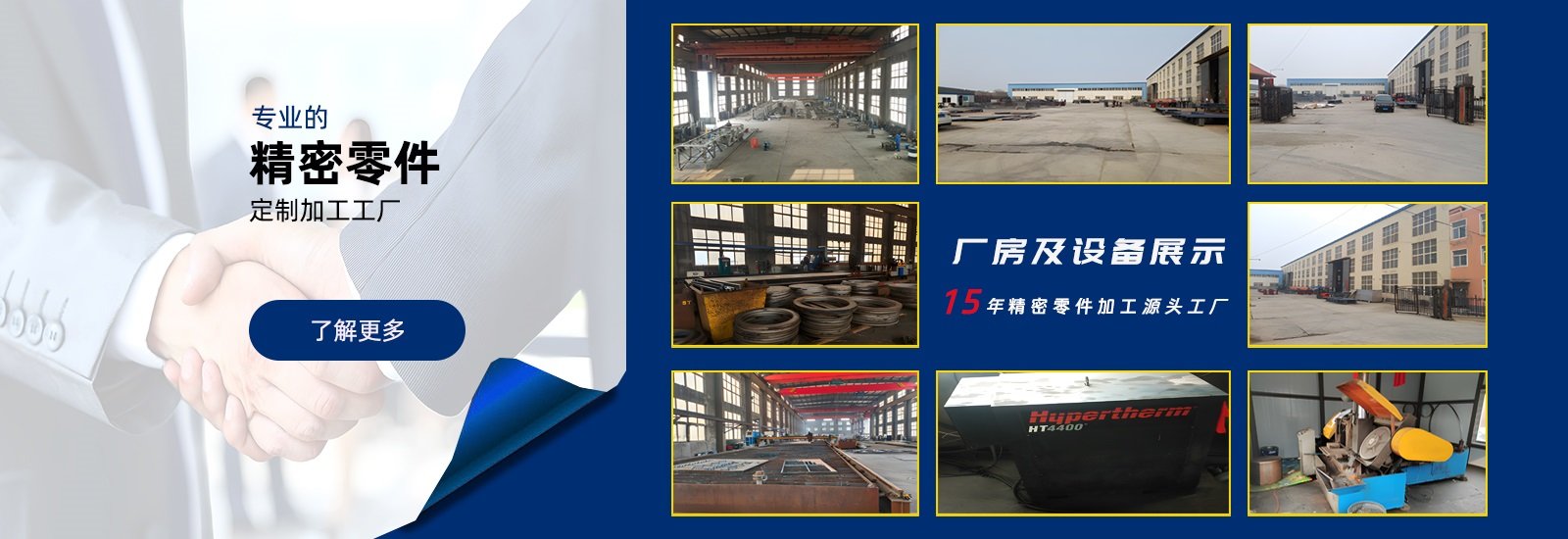
Dalian Fuhong Machinery Co., Ltd. is located in ...
Fuhong Products
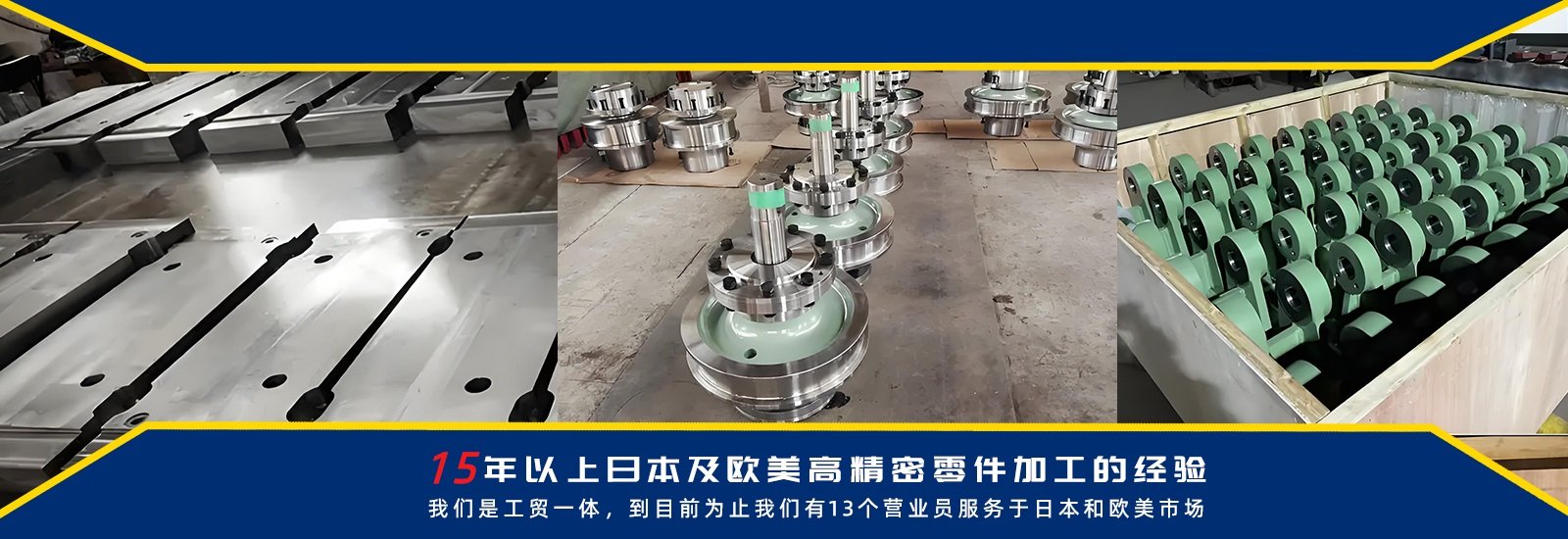
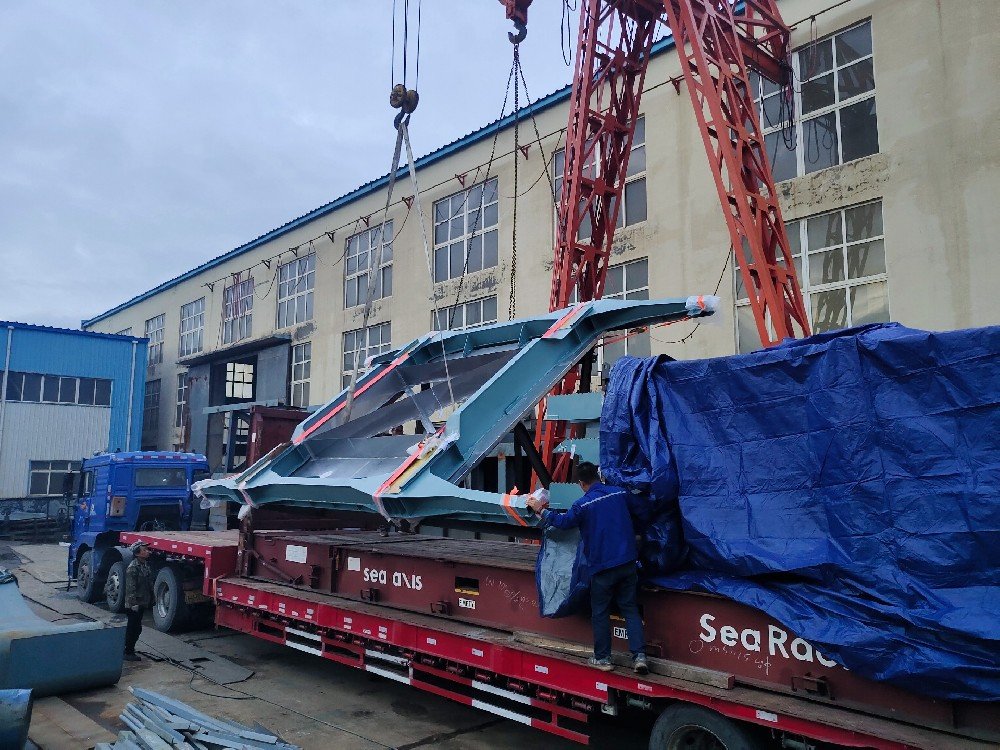
From single product to batch processing...
Equipment Showcase
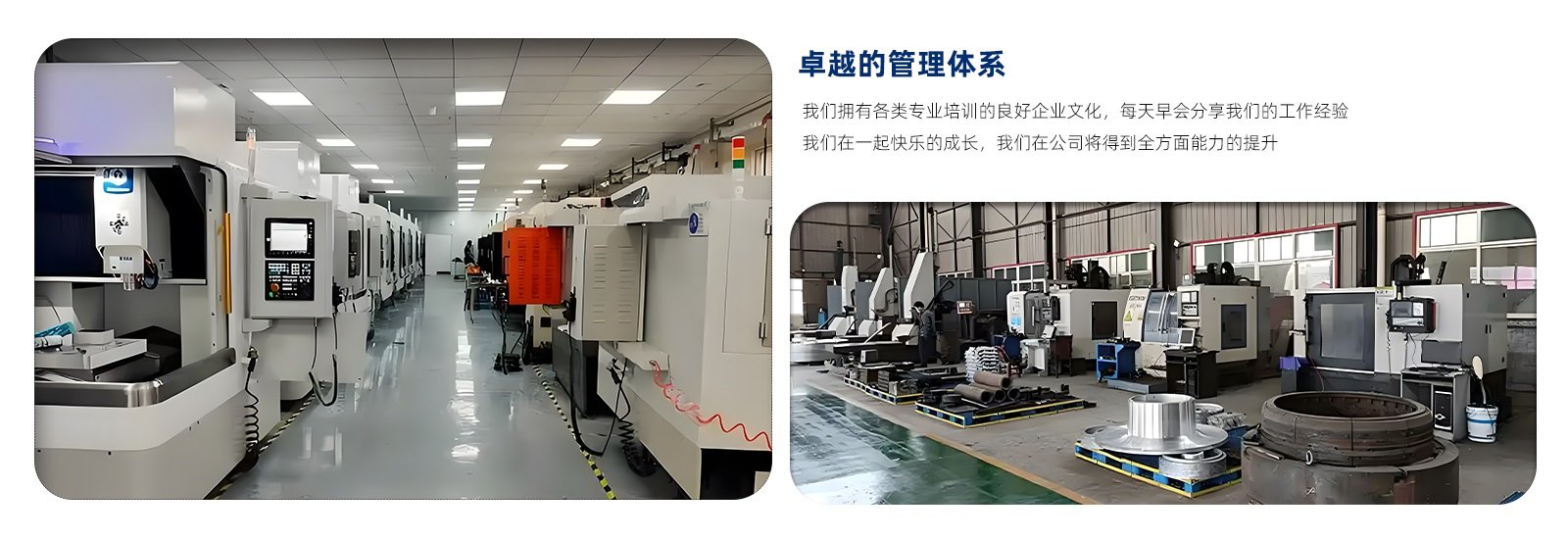
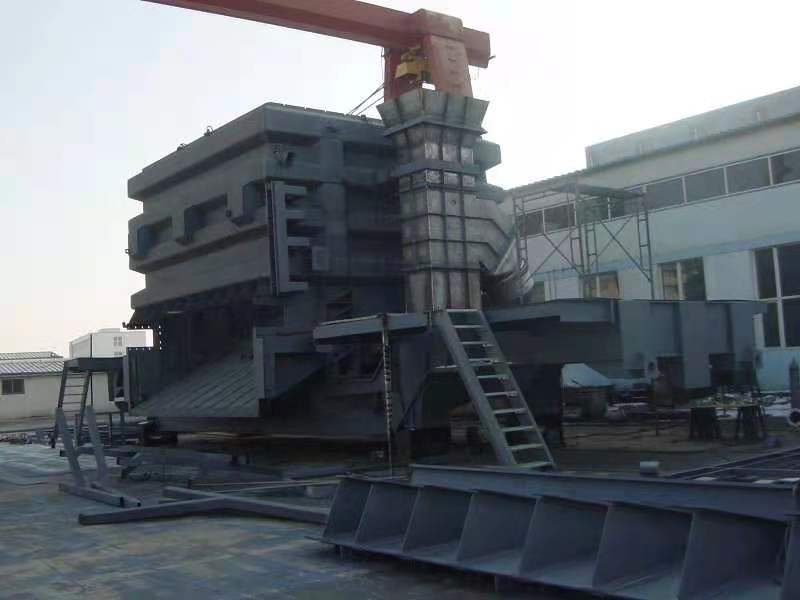
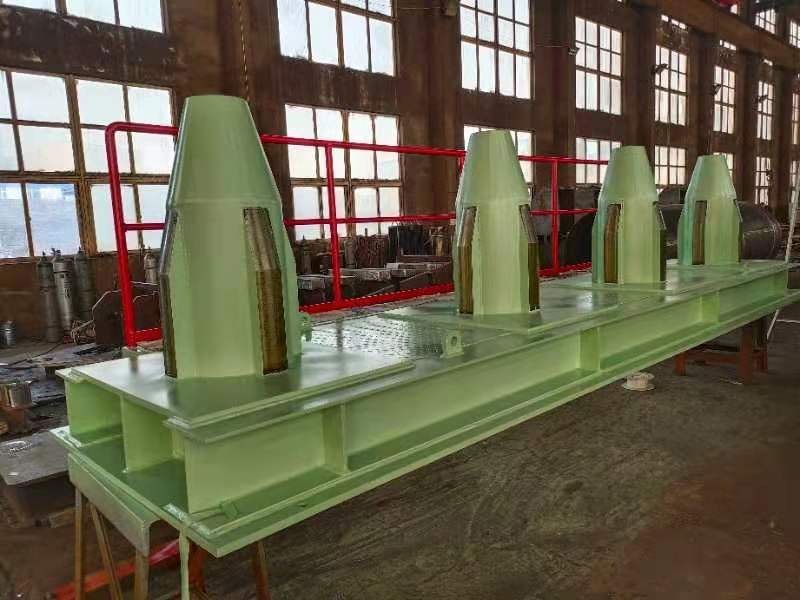
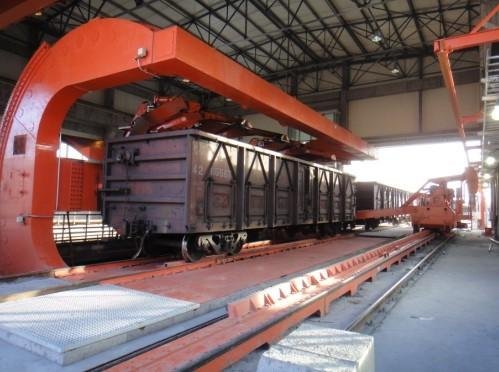
Machining, sheet metal, casting, heat treatment...
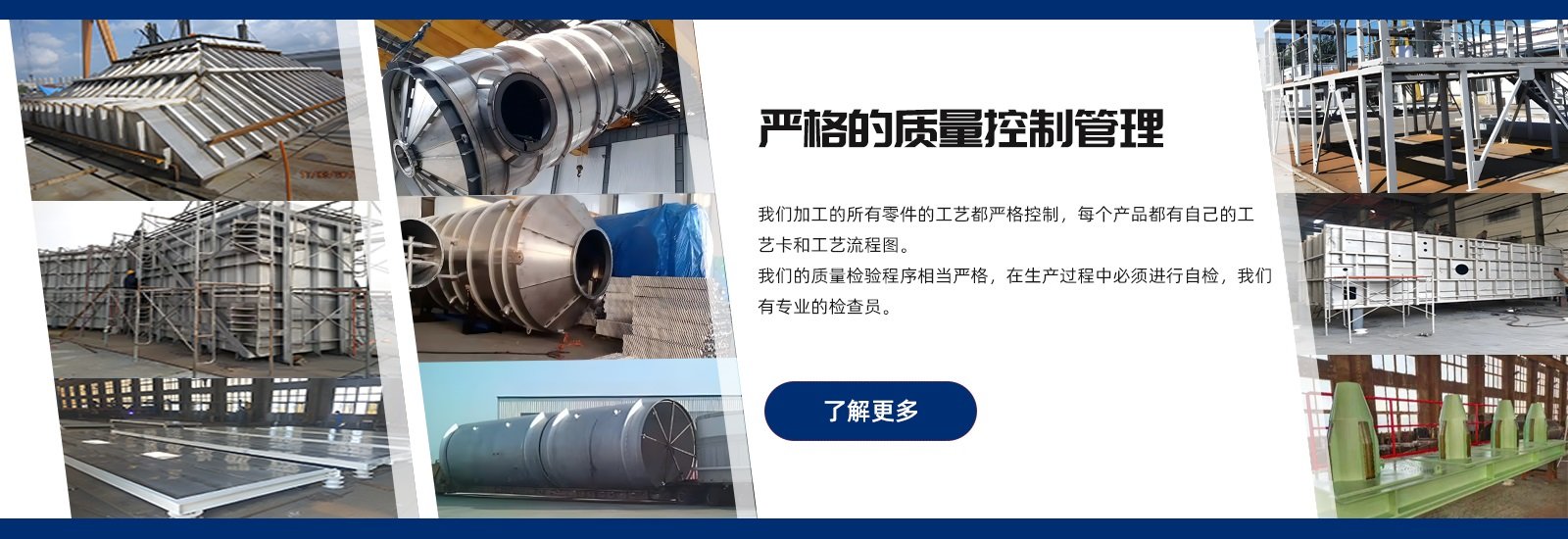
quality management
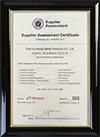
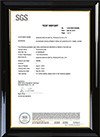
Quality and integrity

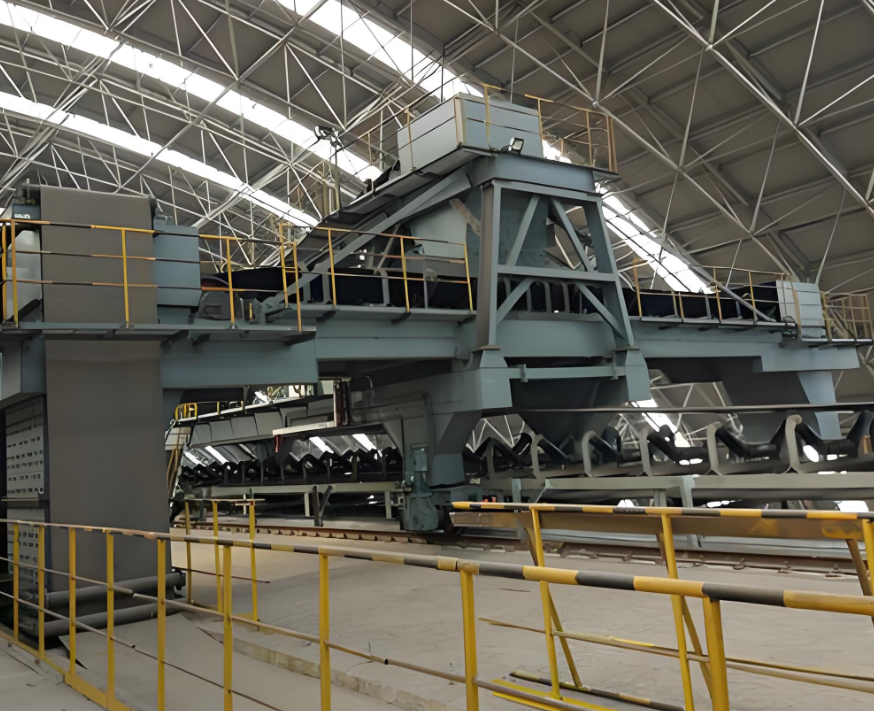
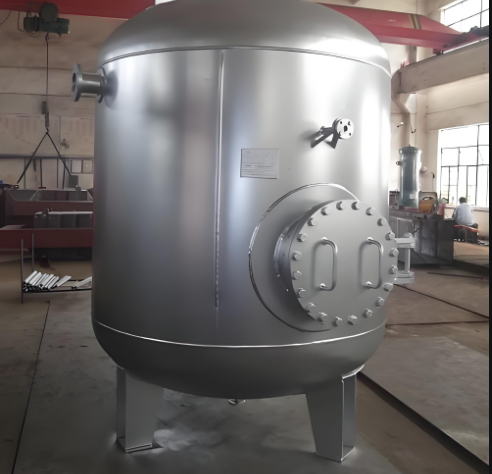
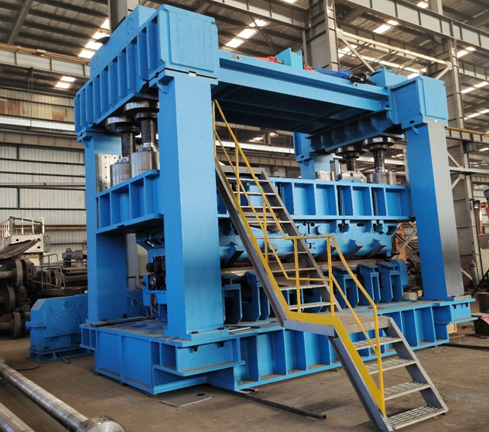
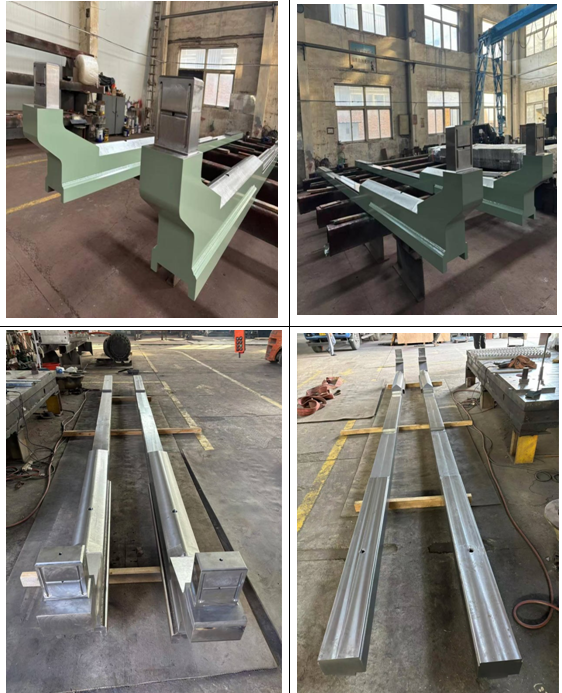
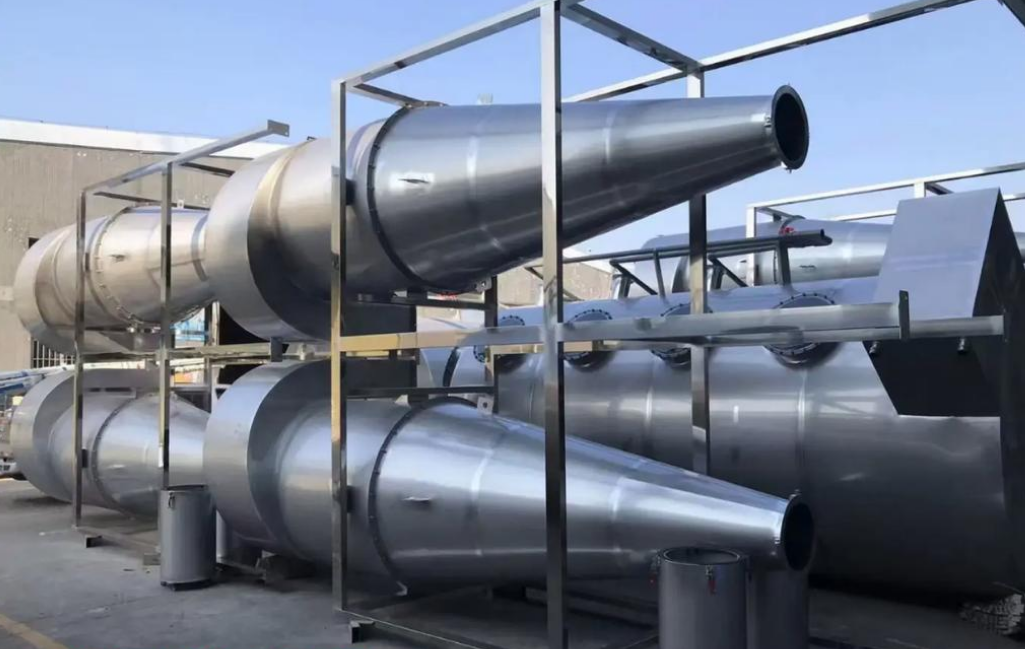
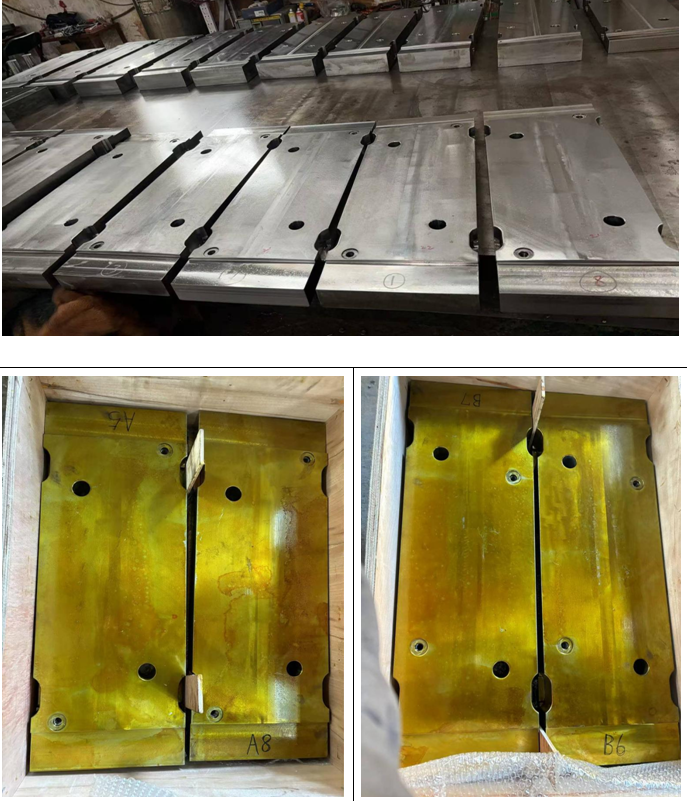
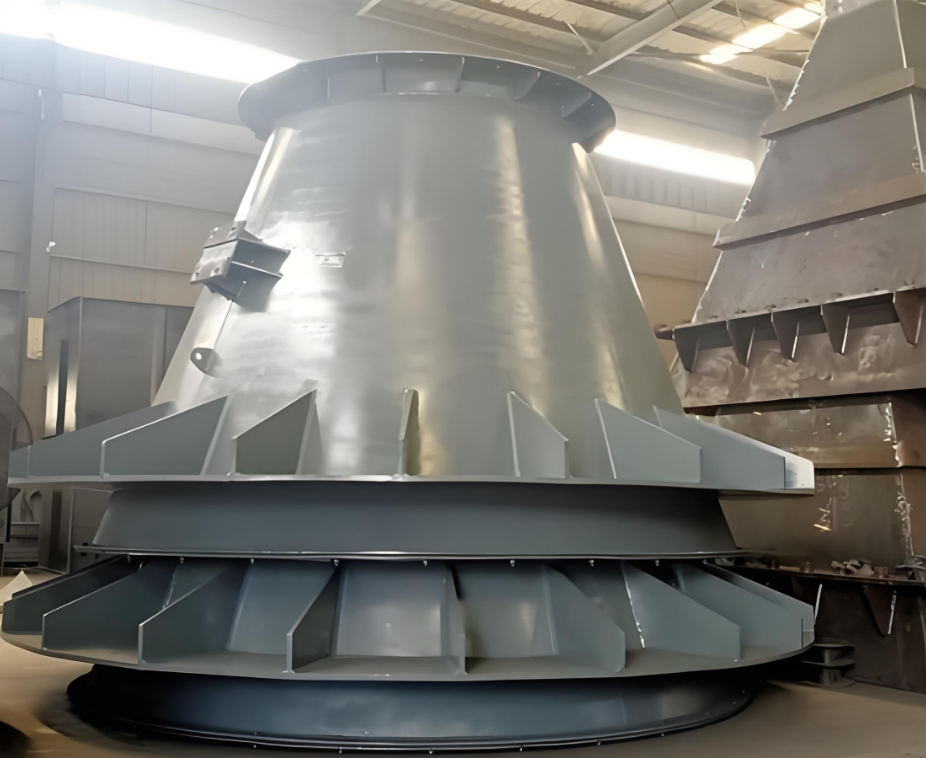
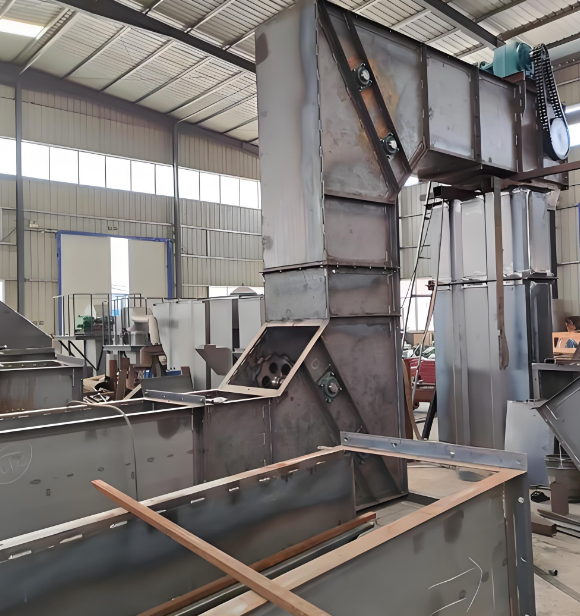

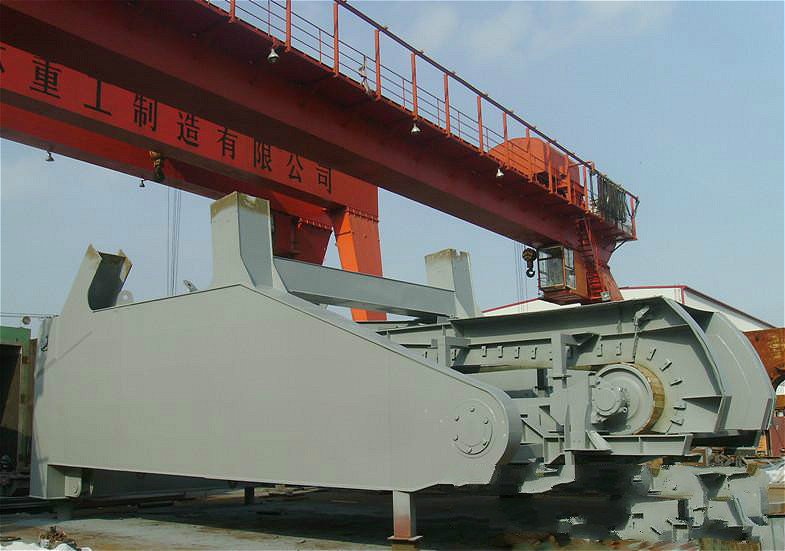
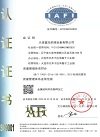
Fu Hong Machinery is located in Yingchengzi Industrial Park, Ganjingzi District, Dalian City, the business philosophy: to establish the basis of good faith, high quality business, service reputation, innovation based! To "thrifty entrepreneurship, honesty, humility, unity and harmony" as the business elements, follow the "quality of survival, reputation and development" as the business philosophy, "integrity, service, communication, progress, pioneering and innovation! "In the process of continuous development, we meet new opportunities and challenges with a new spirit, and return customers with high quality products and perfect service. In recent years, Dalian Fu Hong machinery and equipment and the world's various related units to carry out close exchanges and co-operation, the product innovation and replacement of a series of high-quality high-tech level of machinery and equipment as well as machining products!
.jpg)

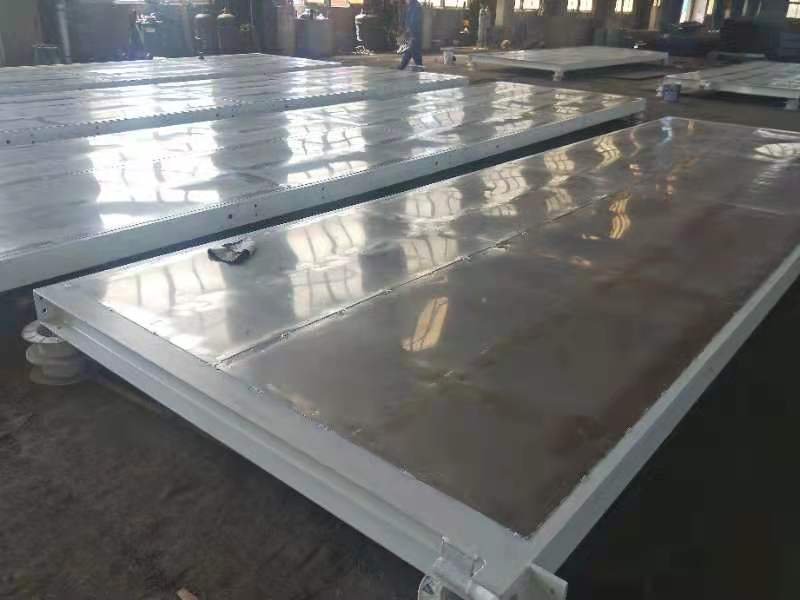
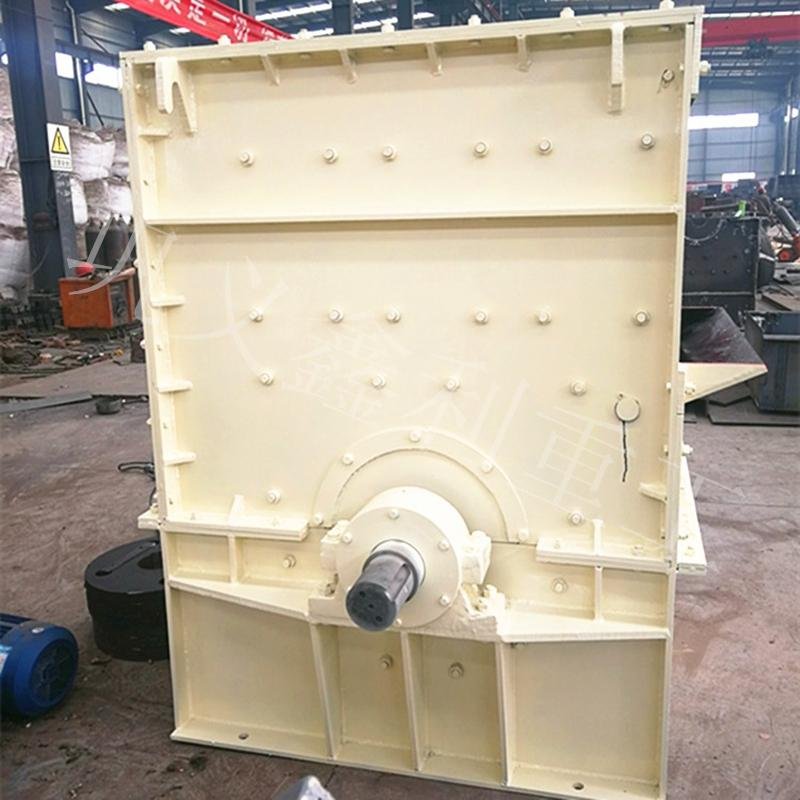
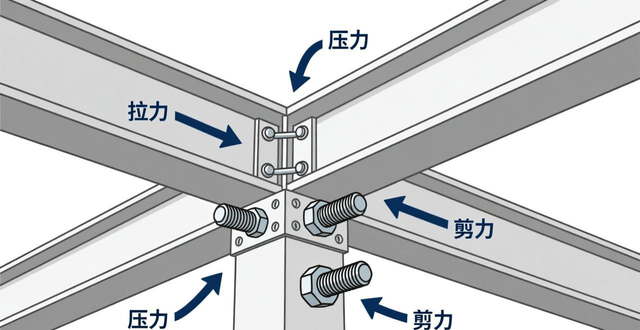
2019 Level 1 Constructor Construction Practice Exam: connection of structural steel members
 4 months ago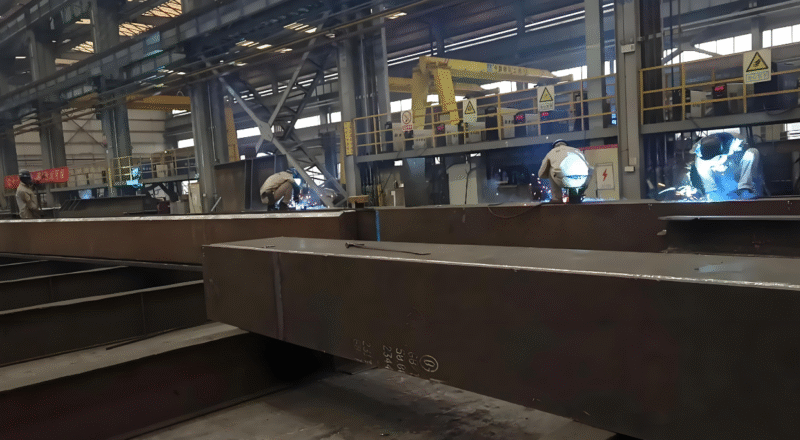
Precision Riveting OEM Service in Dalian, China: The Ultimate Solution for Your Complex Metal Joining Needs
1 year ago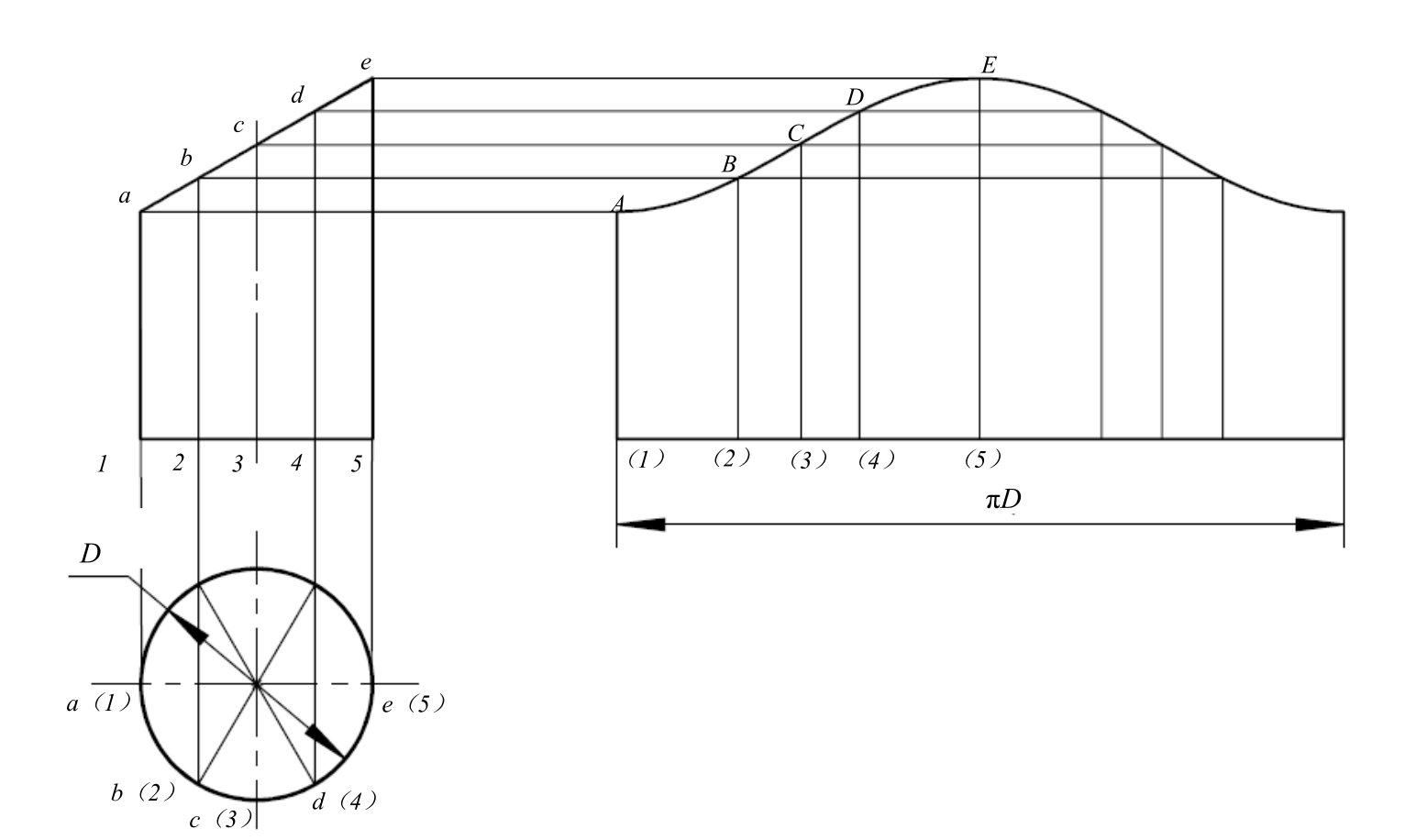
Handbook of Practical Sheet Metal Unfolding Techniques (SolidWorks 2017 Edition)
4 months ago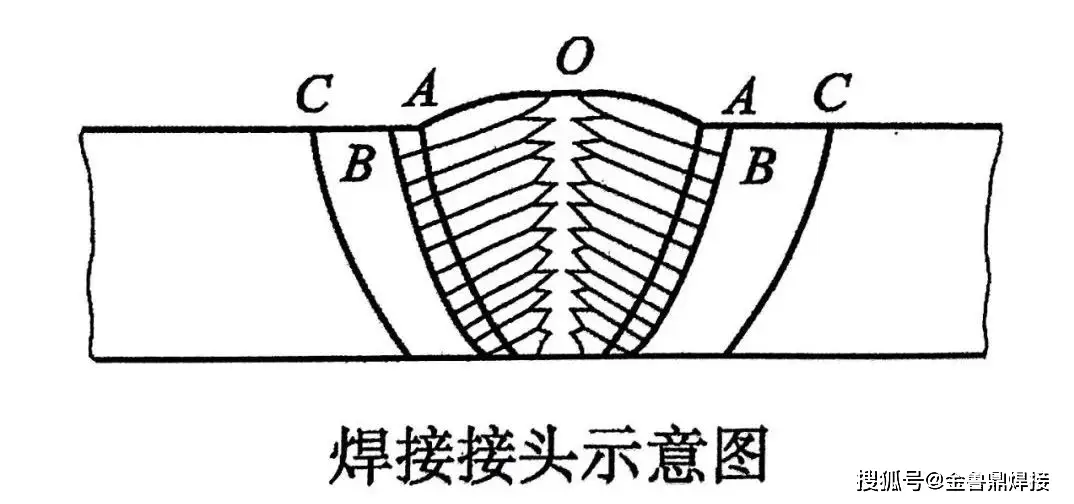
A Guide to Understanding the Microstructure and Properties of Welded Joints
2 months ago
Rivet Welding: High-quality metal joining solutions for your projects
11 months ago
Solving common CNC machining problems
4 months ago
CNC machining technology of mechanical parts and components courseware 2.1.1-Division of machining stages.pptx
4 months ago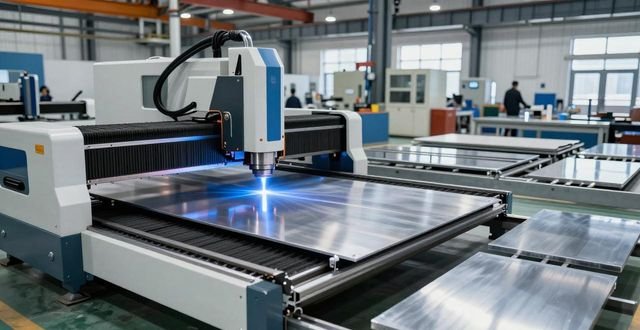
Sheet metal processing process details: laser cutting, bending, painting to delivery of the whole process
2 months ago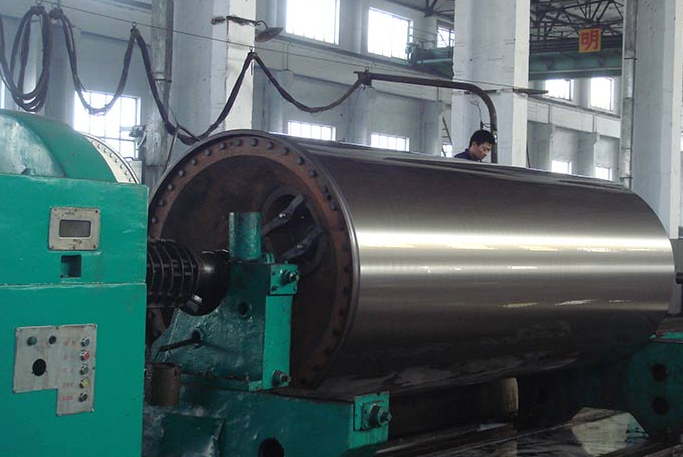
A Comprehensive Guide to Machining and Machining: The Art of Precision Manufacturing from Traditional to CNC
11 months ago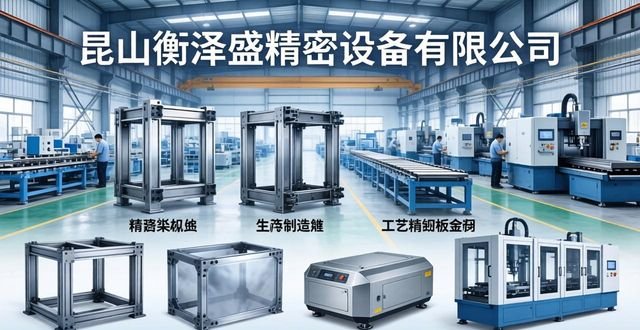
2026 Equipment rack processing manufacturers recommended: equipment frame / welding machine frame / sheet metal rack / aluminium profile shield / AGV enclosure / large equipment rack, Kunshan source strength factory professional customized
3 months ago Chinese
  Japanese
  English
  German
  Finnish