
arrange in order
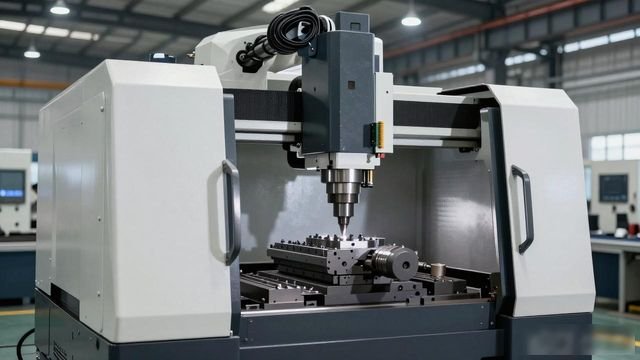
Vertical-Horizontal Turning and Milling Machining Centres: A New Option for Improving Machining Accuracy and Efficiency
In modern manufacturing, vertical and horizontal turning-milling machining centres are increasingly becoming essential equipment for companies seeking to improve production efficiency and product quality. As a high-precision machine tool that integrates turning and milling functions,
 1 month ago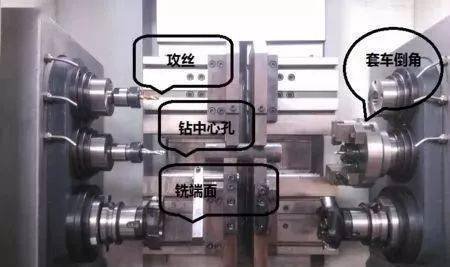
People always say that boring is difficult—but that’s only because you haven’t mastered these techniques yet!
During the boring process, check the wear on the cutting tools (inserts) at regular intervals and replace them promptly to ensure the quality of the bore diameter; it is strictly forbidden to change inserts during the finish boring stage to prevent errors. 12. After each machining step, strictly adhere to the process quality control requirements, carefully inspect the actual bore diameter and keep a record of the results.
31 days ago
Xinoba Moulds | What are the benefits of CNC turning and milling centres?
The compact and aesthetically pleasing design optimises space utilisation and facilitates maintenance and repairs, ensuring maximum customer satisfaction; although the unit price of mill-turn machining centres is relatively high, the shortening of the manufacturing process chain and the reduction in the number of machines required for production
1 month ago
Nine major errors in machining, how many do you know?
Machining error is the degree of deviation between the actual geometric parameters (geometric dimensions, geometric shape and mutual position) and the ideal geometric parameters of a machined part.
5 months ago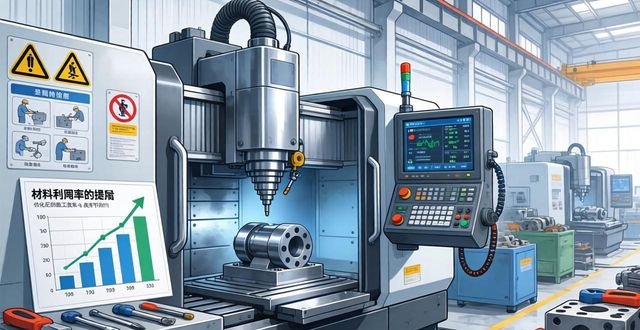
Innovative applications of 5-axis machining in mould manufacturing
The innovative application of five-axis machining technology in mould manufacturing With the continuous development of the manufacturing industry, especially in the field of mould manufacturing, five-axis machining technology has gradually become an important processing means. Five-axis machining refers to the processing of two rotary axes on the basis of three linear axes.
3 months ago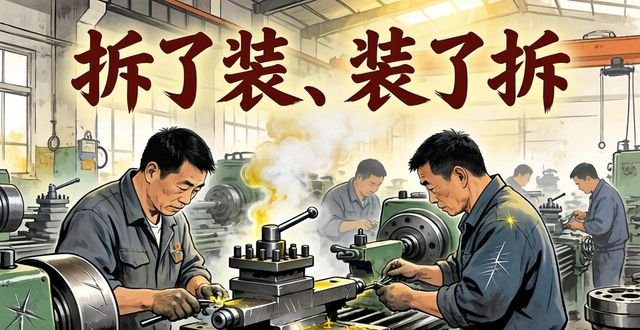
What is the difference between 5-axis precision machining technology and traditional machining technology?
The fundamental difference between 5-axis precision machining technology and traditional machining technology is that it achieves multi-axis linkage by adding two rotary axes, which can complete the machining of complex parts in a single clamping, thus avoiding the errors brought about by traditional technology due to multiple clamping from the source.
3 months ago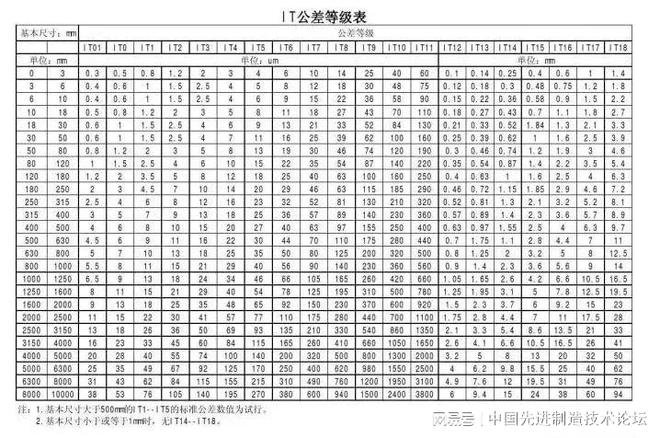
The highest machining accuracy achievable with turning, milling, planing, grinding, drilling and boring is all here
The highest machining accuracy achievable in turning, milling, planing, grinding, drilling and boring is all here: workpieces, cutting tools, milling, turning tools, finishing, machining accuracy
32 days ago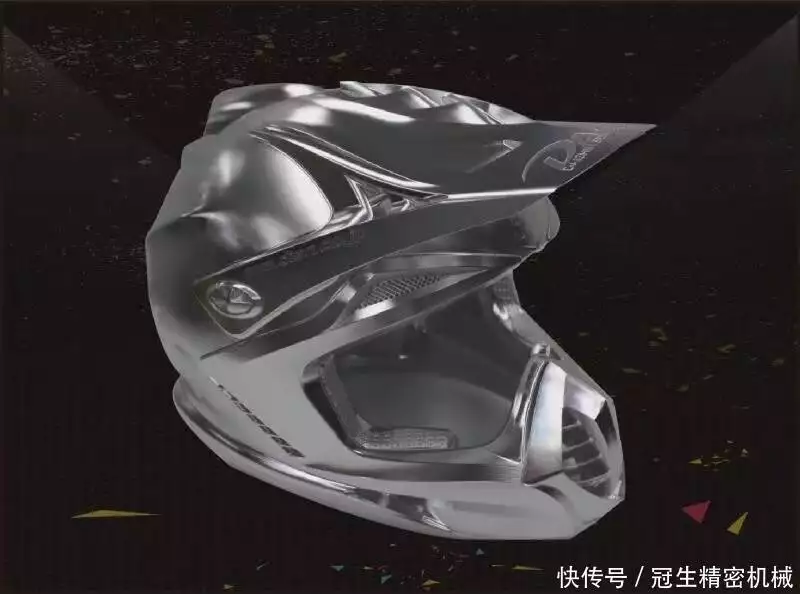
Precision machining of metal components
精密五金零件加工是现代制造业中不可或缺的重要环节,广泛应用于电子、汽车、航空航天、机械等领域。随着科技的不断发展,精密加工技术也在不断进步。然而,该领域仍面临着诸多挑战
25 days ago
Characteristics and development of mill-turn machines
The emergence of mill-turn machining equipment provides an effective solution for improving the machining accuracy and efficiency of aerospace parts. With the continuous development of CNC technology, computer technology, machine tool technology and machining process technology
4 months ago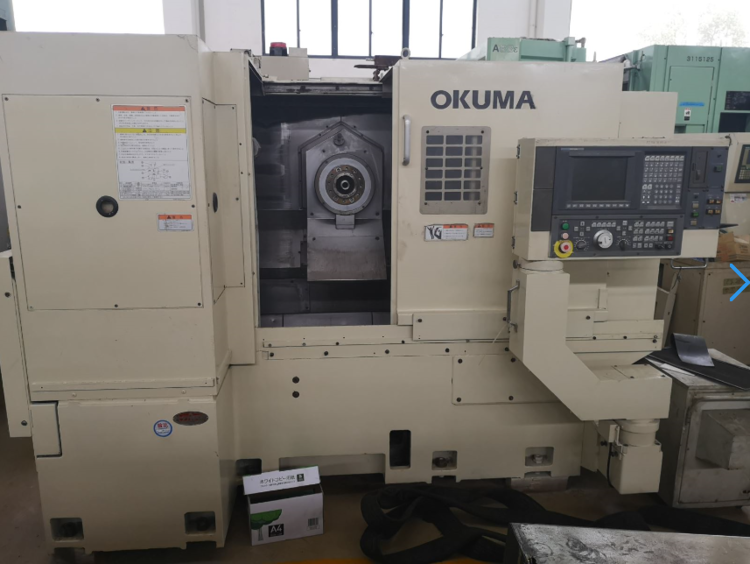
Manufacturers of Jianan turning and milling composite machining centres
There is as yet no clear international definition of multi-function machine tools, and the field is currently undergoing innovative development. Multi-function machining is also known as complete machining or multi-purpose machining. In the early days, machining centres were referred to as multi-function machine tools. However, with the continuous development and advancement of multi-function machining technology,
1 month ago Chinese
  Japanese
  English
  German
  Finnish