
arrange in order

Boring and milling machine vibration control and surface quality improvement
In the field of metal machining, the vibration phenomenon of boring and milling machines is a key physical factor that affects the final surface quality of the workpiece. This vibration is not a single event, but is the result of a dynamic interaction between the machine structure, the cutting process and the workpiece material. Understanding how vibration is generated
 3 months ago
Mirror stainless steel surface polishing process analysis
Keywords: stainless steel; polishing; polishing traditional process; chemical mechanical polishing method The development of stainless steel has been nearly a hundred years of history, because of its unique corrosion resistance, good processing performance and exquisite surface appearance, stainless steel has been used in many fields.
4 months ago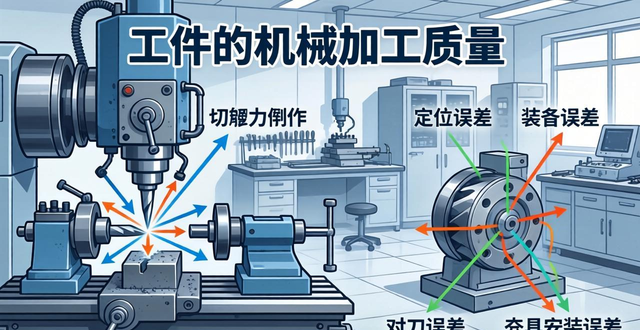
Chapter V. Quality of machining of workpieces
1 Chapter 5 Machining Quality of Workpieces Key Points of this Chapter Basic Concepts of Machining Quality Factors Affecting Machining Accuracy Factors Affecting Surface Quality 2 Section 1 Basic Concepts of Machining Quality Chapter 5 Machining Quality of Workpieces I Concepts of Machining Quality Machining of Workpieces
4 months ago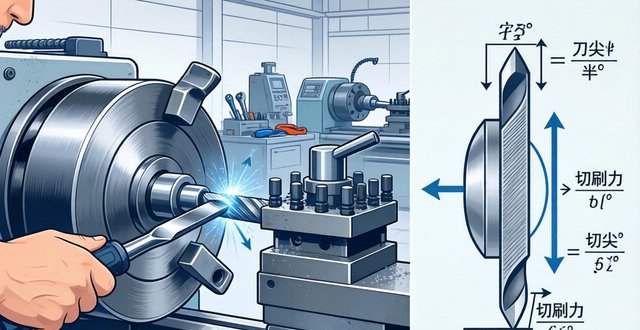
What is boring and why is it so difficult?
Boring, refers to the forged, cast or drilled holes for further processing. Boring can expand the hole diameter, improve accuracy, reduce surface roughness, but also can better correct the original hole axis of the skew. Boring can be divided into rough boring, semi-fine boring and fine boring.
4 months ago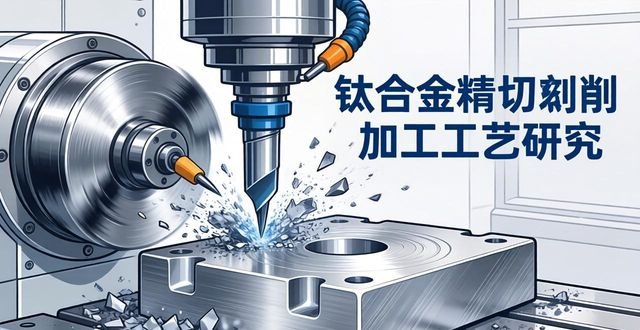
Research on precision machining process of titanium alloy
Research on precision machining process of titanium alloy Titanium alloy has a wide range of applications in aerospace, automobile manufacturing, medical devices and other fields due to its excellent mechanical properties and good corrosion resistance. While the precision machining process of titanium alloy is the preparation of high precision...
3 months ago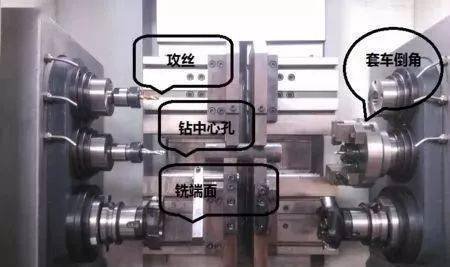
People always say that boring is difficult—but that’s only because you haven’t mastered these techniques yet!
During the boring process, check the wear on the cutting tools (inserts) at regular intervals and replace them promptly to ensure the quality of the bore diameter; it is strictly forbidden to change inserts during the finish boring stage to prevent errors. 12. After each machining step, strictly adhere to the process quality control requirements, carefully inspect the actual bore diameter and keep a record of the results.
25 days ago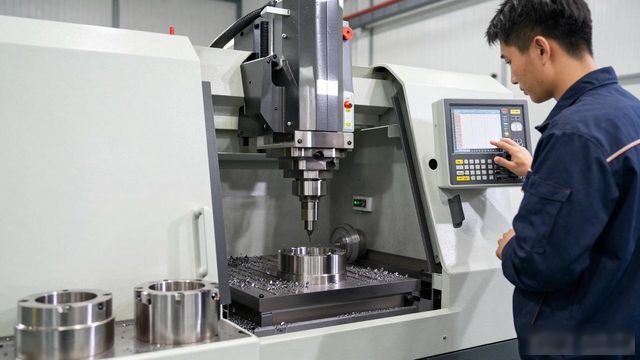
Analysis of Quality Issues in CNC Milling Machine Machining
With advances in technology, many companies have purchased modern CNC equipment such as CNC milling machines; however, in actual production, these machines can encounter certain quality issues during the machining process. This article will discuss these issues in the light of practical experience.
1 month ago Chinese
  Japanese
  English
  German
  Finnish