arrange in order
Verticality Control in the Installation of Steel Structures in High-Rise Buildings
Verticality Management in the Installation of Steel Structures for High-Rise Buildings.doc, Verticality Management in the Installation of Steel Structures for High-Rise Buildings [Abstract] With regard to the control and management of verticality during the installation of steel structures for high-rise buildings, there is currently no uniform standard amongst the various parties involved in the construction process. In this paper,
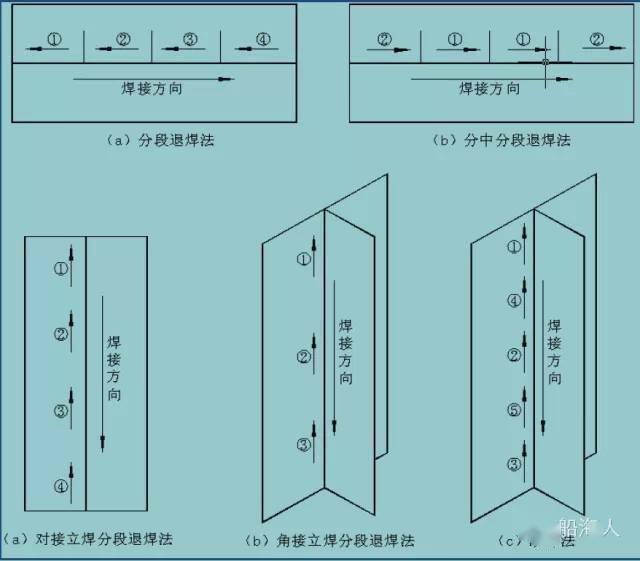
Practical Guide: Welding Sequence for Hull Structures
General Principles of Welding 1. The welding terminology used in this document is as set out in GB/T 3375-1994. 2. Hull structural components or sections shall be kept to the correct dimensions and with uniform assembly gaps during assembly. Components or sections that do not comply with the drawings, standards and process requirements
A Professional Analysis of Welded Components: A Guide to Processes, Classification and Selection
Among the various methods of joining metal structures, welding occupies an irreplaceable central position. A welded joint is defined as a component or structure formed by heating, applying pressure, or a combination of both, to achieve a permanent bond at the atomic level between two or more separate metal components.
Source: Yuhuan Huahua Metal Surface Treatment Co., Ltd., aluminium anodising, Taizhou aluminium anodising, Zhejiang aluminium anodising, Taizhou aluminium oxidation, Taizhou hard anodising
Yuhuan Huahua Metal Surface Treatment Co., Ltd. is a modern factory specialising in aluminium anodising processes, with a long-standing commitment to aluminium surface treatment: aluminium anodising, Taizhou aluminium anodising, Zhejiang aluminium anodising, Taizhou aluminium oxidation, Taizhou hard anodising, anodising
What are some approaches to optimising the fabrication of workshop ventilation ducts?
Design Optimisation · Precise Measurement and Layout: During the early stages of design, precise on-site measurements of the workshop are carried out. Taking into account factors such as production processes, equipment layout and staff movement, the routing, positioning and distribution of the workshop’s ventilation ducts are planned appropriately.
Installation Procedures for Stainless Steel Cladding
Installation Procedures for Stainless Steel Cladding Stainless steel cladding has become a common finish in modern interior decoration projects. To achieve the best decorative effect, the thickness of the stainless steel cladding material should generally not be less than 1.2 mm; 1.5 mm is preferable.
The Three Core Processes in Prototype Manufacturing — The Advantages, Disadvantages and Applications of CNC, 3D Printing and Moulding
Following decades of development, prototype manufacturing has evolved into three core process systems centred on CNC precision machining, 3D printing rapid prototyping and vacuum casting. This article will examine these systems from four key perspectives: process principles, strengths and weaknesses, material suitability, and application scenarios.
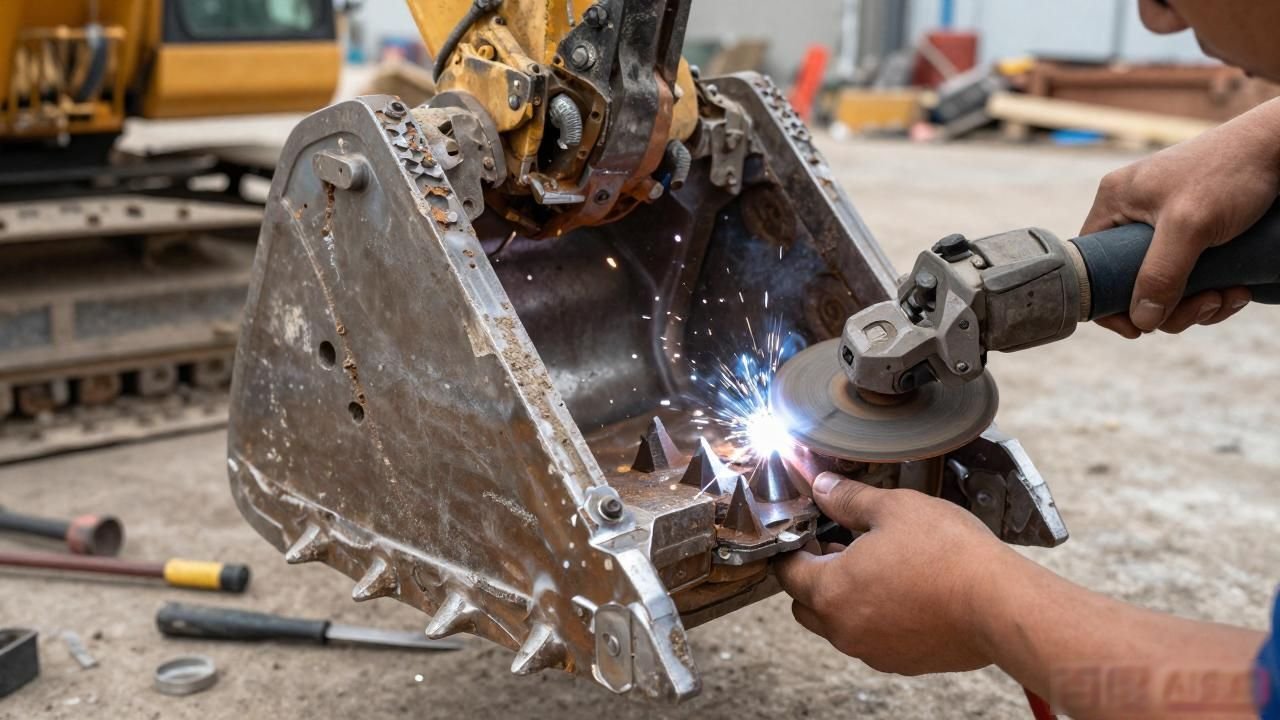
High-hardness, wear-resistant welding wire specifically for wheel loader buckets
RuiDi brand high-hardness, wear-resistant welding wire specifically designed for the buckets of wheeled loaders: Quotation: Please enquire by telephone; Specifications: Full range available; Product series numbers: Full range available
The Complete Process of CNC Prototype Machining: Precision First, Attention to Detail is Key
This article provides an in-depth analysis of the complete process for CNC machining of prototypes, examining the technical key points and quality control methods for each stage in turn—from drawing preparation, programming and material selection to machining and post-processing. Particular focus is placed on the fields of metal prototypes, precision structural components and parts requiring high surface finish standards.
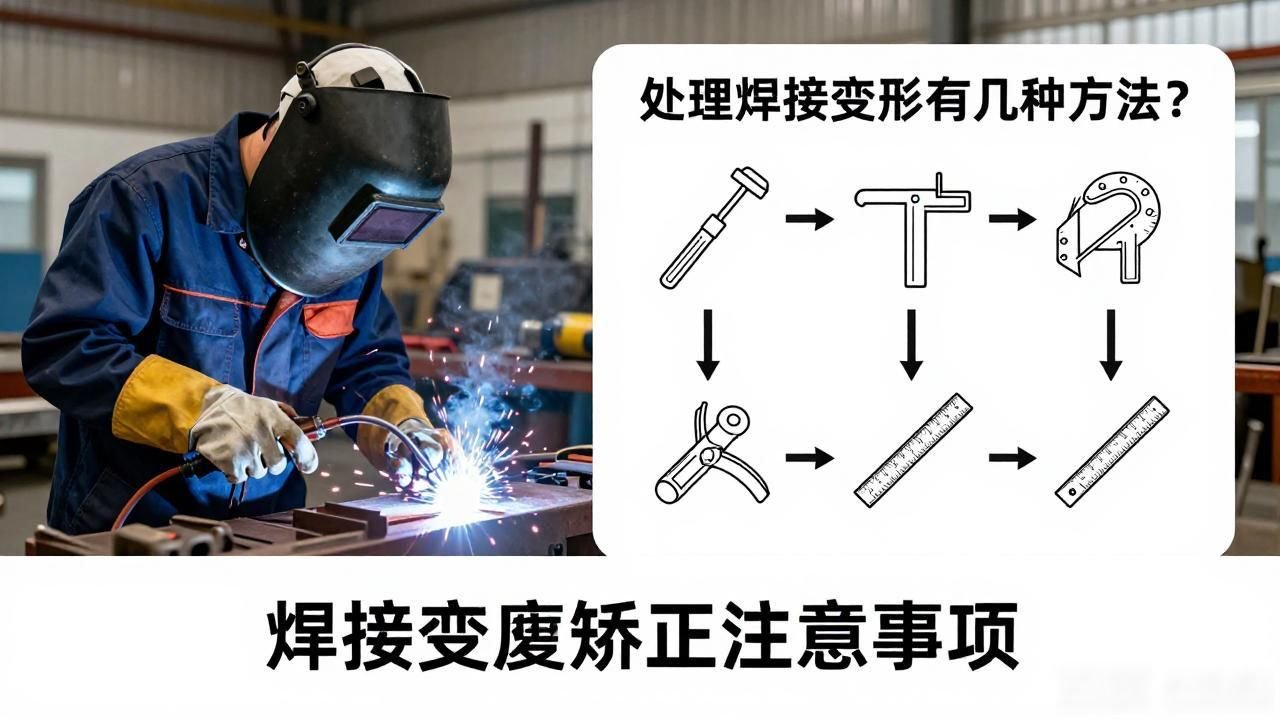
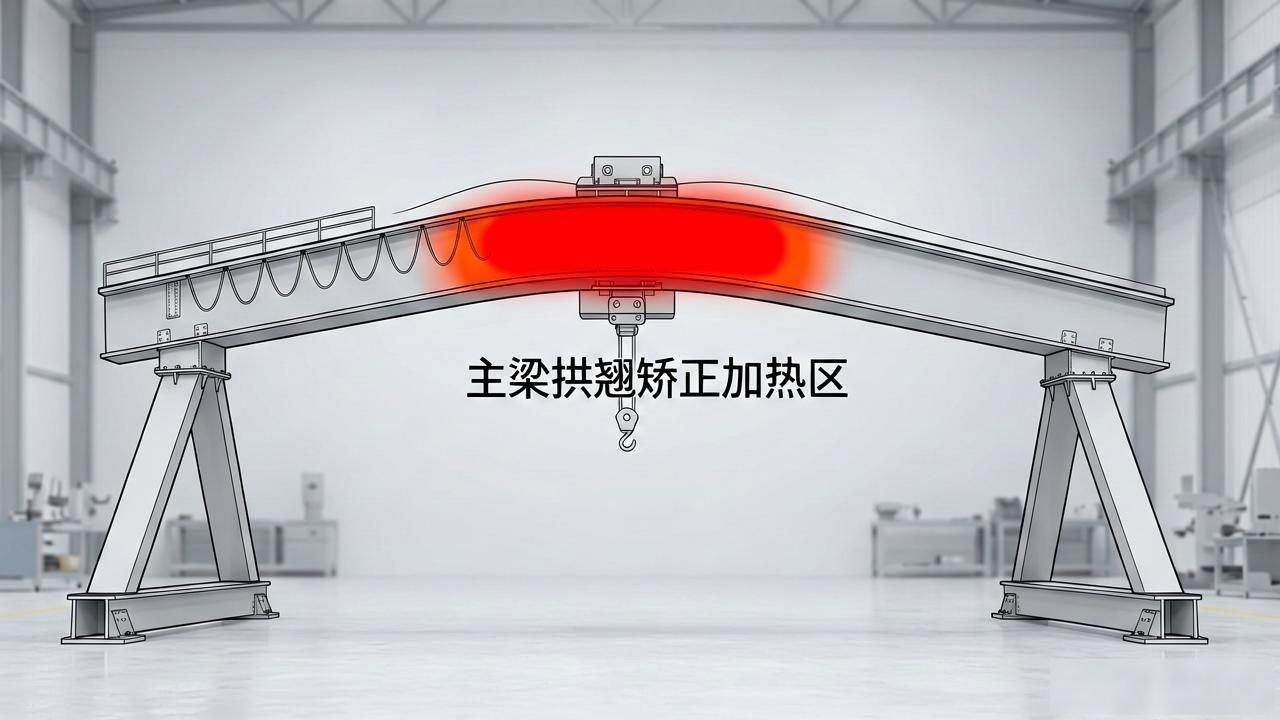
Causes of welding deformation and control methods
There are many factors that influence welding distortion; in summary, these can be categorised into three main areas: materials, structure and process. Whilst ensuring the structural load-bearing capacity is maintained, weld dimensions should be kept as small as possible to minimise the impact of welding heat input on the material’s properties.