
arrange in order
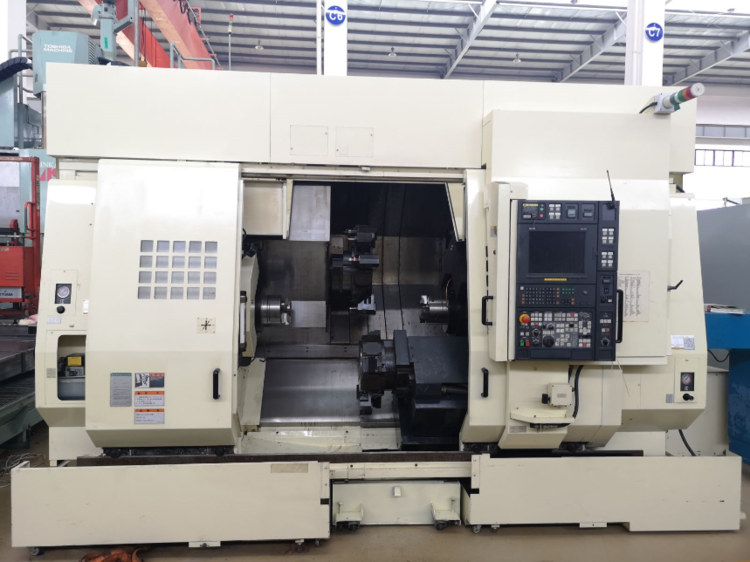
Manufacturer of Fuquan turning-milling machining centres
Furthermore, the widespread use of monolithic thin-walled structures and difficult-to-machine materials means that manufacturing processes are frequently hampered by bottlenecks such as long lead times, high material removal rates, low machining efficiency and significant machining deformation. In order to improve the machining efficiency and accuracy of complex aerospace components
 1 month ago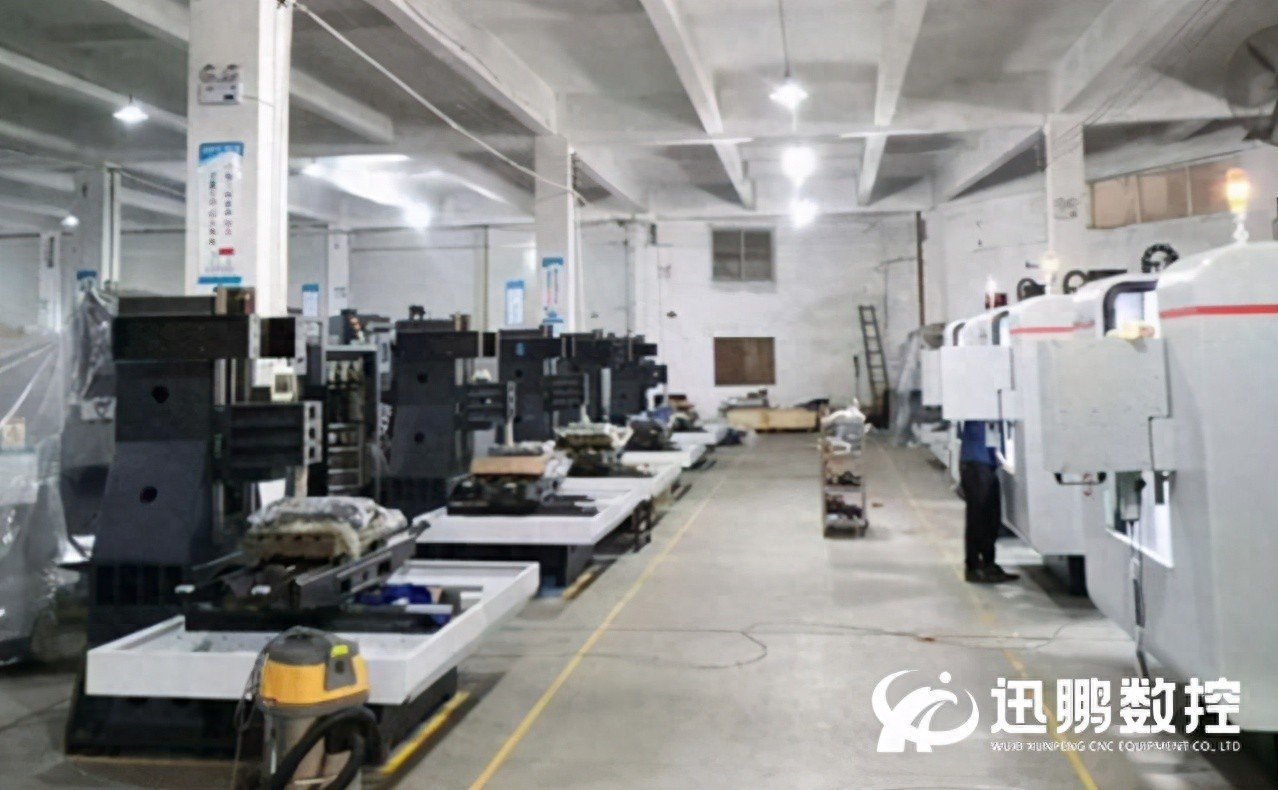
Characteristics and development of mill-turn machines
The emergence of mill-turn machining equipment provides an effective solution for improving the machining accuracy and efficiency of aerospace parts. With the continuous development of CNC technology, computer technology, machine tool technology and machining process technology
4 months ago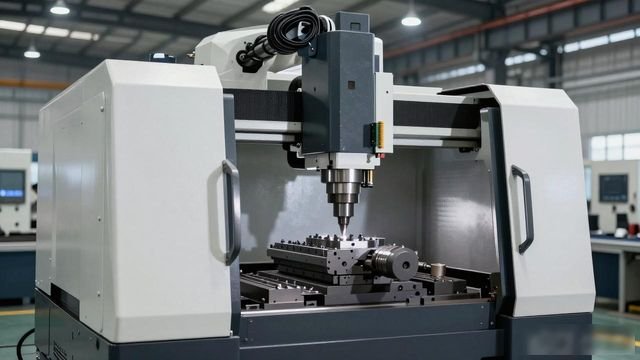
Vertical-Horizontal Turning and Milling Machining Centres: A New Option for Improving Machining Accuracy and Efficiency
In modern manufacturing, vertical and horizontal turning-milling machining centres are increasingly becoming essential equipment for companies seeking to improve production efficiency and product quality. As a high-precision machine tool that integrates turning and milling functions,
1 month ago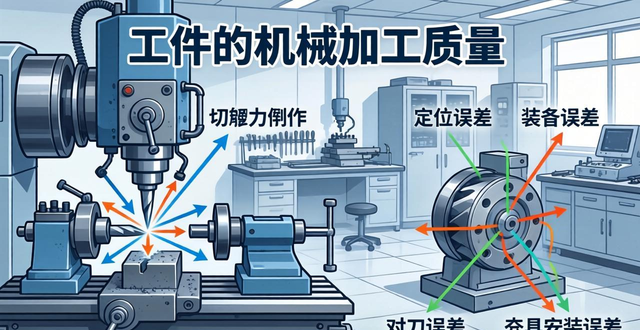
Chapter V. Quality of machining of workpieces
1 Chapter 5 Machining Quality of Workpieces Key Points of this Chapter Basic Concepts of Machining Quality Factors Affecting Machining Accuracy Factors Affecting Surface Quality 2 Section 1 Basic Concepts of Machining Quality Chapter 5 Machining Quality of Workpieces I Concepts of Machining Quality Machining of Workpieces
4 months ago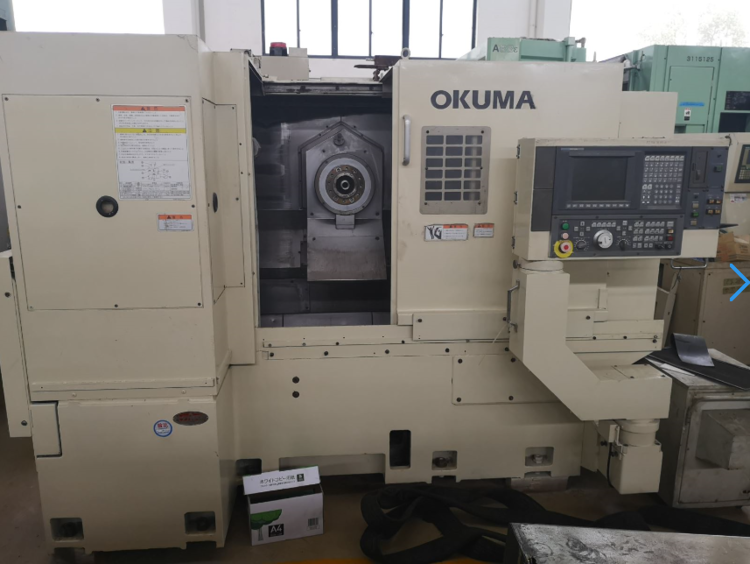
Manufacturers of Jianan turning and milling composite machining centres
There is as yet no clear international definition of multi-function machine tools, and the field is currently undergoing innovative development. Multi-function machining is also known as complete machining or multi-purpose machining. In the early days, machining centres were referred to as multi-function machine tools. However, with the continuous development and advancement of multi-function machining technology,
1 month ago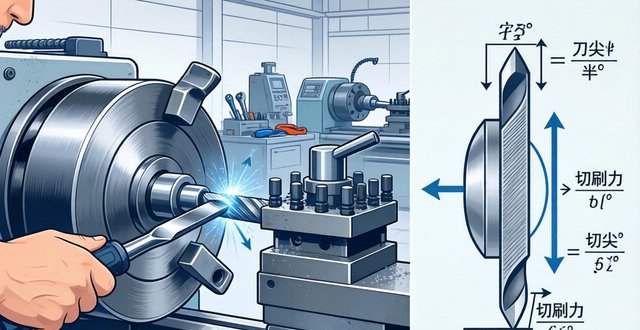
What is boring and why is it so difficult?
Boring, refers to the forged, cast or drilled holes for further processing. Boring can expand the hole diameter, improve accuracy, reduce surface roughness, but also can better correct the original hole axis of the skew. Boring can be divided into rough boring, semi-fine boring and fine boring.
4 months ago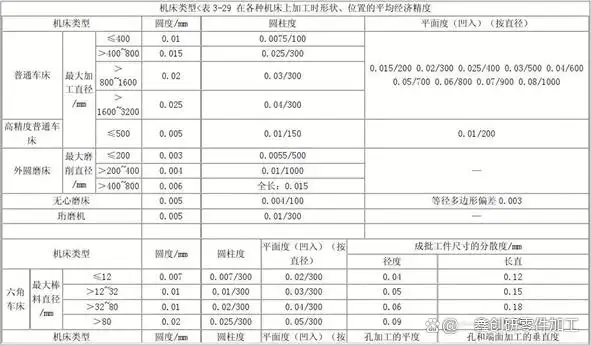
What is the highest level of precision that can be achieved using different machining processes?
As industrial development accelerates, machine tool processing is becoming increasingly important in industrial production. Machine tools, as essential instruments in this process, have gradually evolved into common types such as lathes, milling machines, planers, boring machines, drilling machines and grinding machines. When it comes to the machining processes involved in various techniques,
1 month ago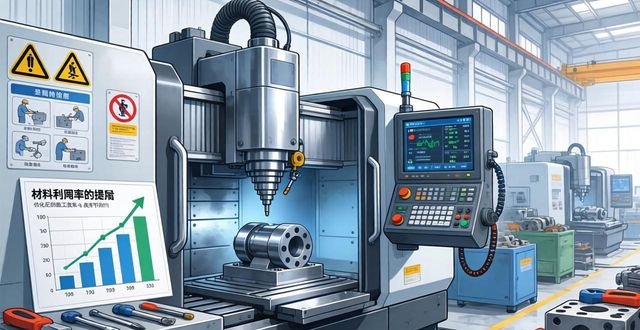
Innovative applications of 5-axis machining in mould manufacturing
The innovative application of five-axis machining technology in mould manufacturing With the continuous development of the manufacturing industry, especially in the field of mould manufacturing, five-axis machining technology has gradually become an important processing means. Five-axis machining refers to the processing of two rotary axes on the basis of three linear axes.
3 months ago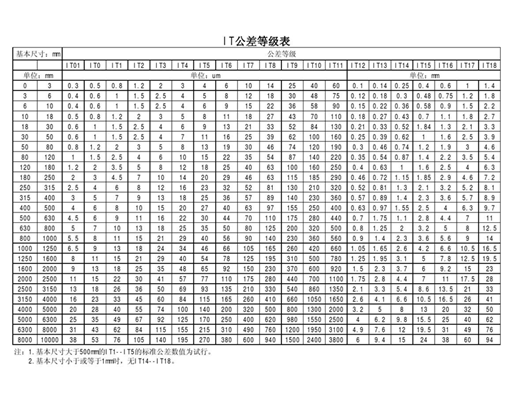
What is the highest level of precision that can be achieved using different machining processes?
As industrial development accelerates, machine tool processing is becoming increasingly important in industrial production. Machine tools, as essential instruments in this process, have gradually evolved into common types such as lathes, milling machines, planers, boring machines, drilling machines and grinding machines. When it comes to the machining processes involved in various techniques,
38 days ago
What is the difference between 5-axis precision machining technology and traditional machining technology?
The fundamental difference between 5-axis precision machining technology and traditional machining technology is that it achieves multi-axis linkage by adding two rotary axes, which can complete the machining of complex parts in a single clamping, thus avoiding the errors brought about by traditional technology due to multiple clamping from the source.
3 months ago Chinese
  Japanese
  English
  German
  Finnish