
arrange in order
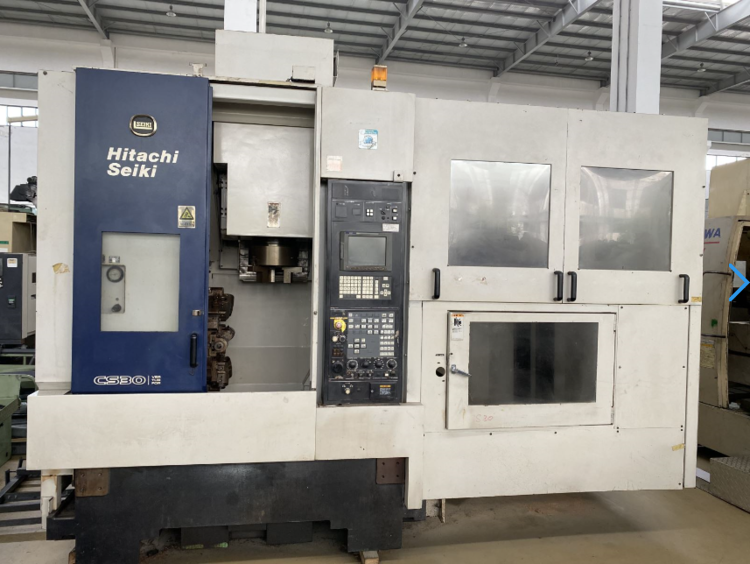
Manufacturers of turning and milling machining centres in Jintan
Against this backdrop, multi-process machining technology has emerged. Generally speaking, multi-process machining is a collective term for machining technologies that enable different operations or different machining methods to be carried out on a single machine tool. Multi-process machining technology mainly takes two distinct forms
 1 month ago
Xinoba Moulds | What are the benefits of CNC turning and milling centres?
The compact and aesthetically pleasing design optimises space utilisation and facilitates maintenance and repairs, ensuring maximum customer satisfaction; although the unit price of mill-turn machining centres is relatively high, the shortening of the manufacturing process chain and the reduction in the number of machines required for production
1 month ago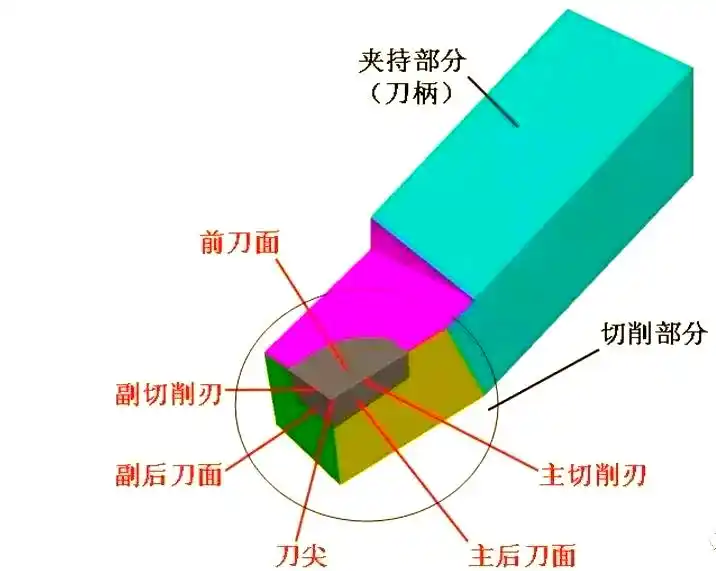
How to choose the appropriate tool geometry and grinding wheel material
01 Selecting the angles of a turning tool The structure of a turning tool’s cutting edge involves several key components that collectively influence its geometric characteristics and cutting performance. These components include the rake face, the main rear face, the secondary rear face, as well as the primary cutting edge, the secondary cutting edge and the tool tip.
2 months ago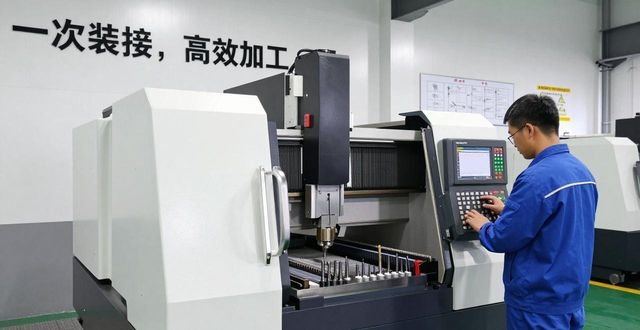
Liyang mill-turn machining centre manufacturers
Turn-mill composite machining centre is a place where lathe and milling machine are processed together. In order to improve the machining efficiency and machining accuracy of complex shaped products, craftsmen have been seeking for more precise machining process methods.
3 months ago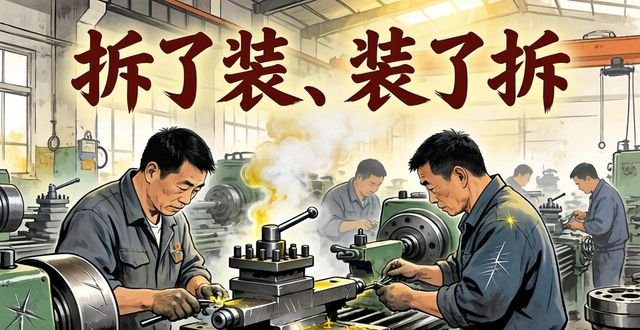
What is the difference between 5-axis precision machining technology and traditional machining technology?
The fundamental difference between 5-axis precision machining technology and traditional machining technology is that it achieves multi-axis linkage by adding two rotary axes, which can complete the machining of complex parts in a single clamping, thus avoiding the errors brought about by traditional technology due to multiple clamping from the source.
3 months ago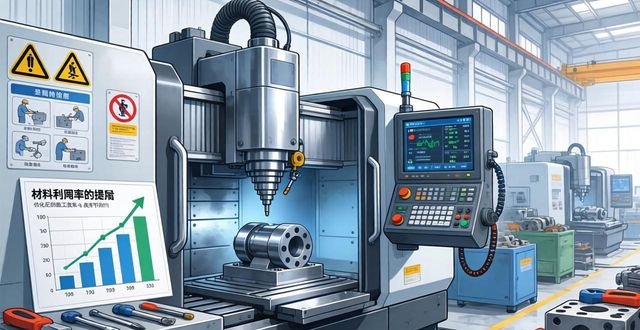
Innovative applications of 5-axis machining in mould manufacturing
The innovative application of five-axis machining technology in mould manufacturing With the continuous development of the manufacturing industry, especially in the field of mould manufacturing, five-axis machining technology has gradually become an important processing means. Five-axis machining refers to the processing of two rotary axes on the basis of three linear axes.
3 months ago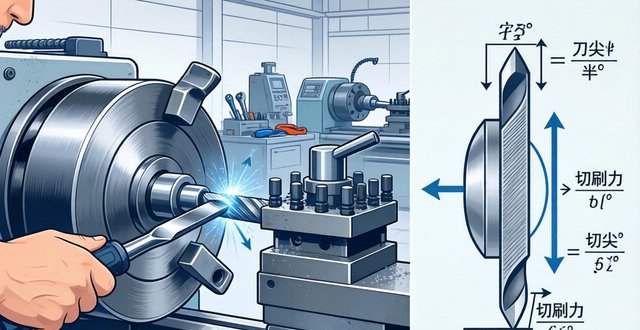
What is boring and why is it so difficult?
Boring, refers to the forged, cast or drilled holes for further processing. Boring can expand the hole diameter, improve accuracy, reduce surface roughness, but also can better correct the original hole axis of the skew. Boring can be divided into rough boring, semi-fine boring and fine boring.
4 months ago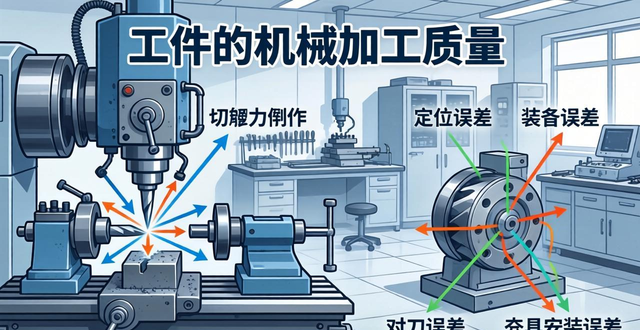
Chapter V. Quality of machining of workpieces
1 Chapter 5 Machining Quality of Workpieces Key Points of this Chapter Basic Concepts of Machining Quality Factors Affecting Machining Accuracy Factors Affecting Surface Quality 2 Section 1 Basic Concepts of Machining Quality Chapter 5 Machining Quality of Workpieces I Concepts of Machining Quality Machining of Workpieces
4 months ago
Characteristics and development of mill-turn machines
The emergence of mill-turn machining equipment provides an effective solution for improving the machining accuracy and efficiency of aerospace parts. With the continuous development of CNC technology, computer technology, machine tool technology and machining process technology
4 months ago
Nine major errors in machining, how many do you know?
Machining error is the degree of deviation between the actual geometric parameters (geometric dimensions, geometric shape and mutual position) and the ideal geometric parameters of a machined part.
5 months ago Chinese
  Japanese
  English
  German
  Finnish