
arrange in order
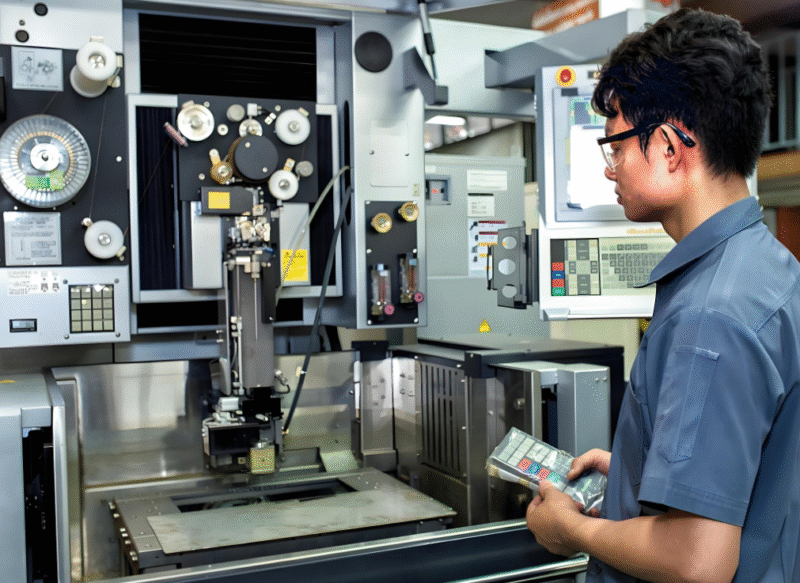
How to choose a reliable machining manufacturer?5 core elements to help you avoid pitfalls and ensure the quality of parts
How to Choose a Reliable Machining Manufacturer?5 Core Elements to Help You Avoid Pitfalls and Ensure Part Quality Finding a reliable machining manufacturer is a critical step in the success of a project as it moves forward. The wrong choice can lead to a host of problems such as substandard parts, delivery delays, cost overruns...
 9 months ago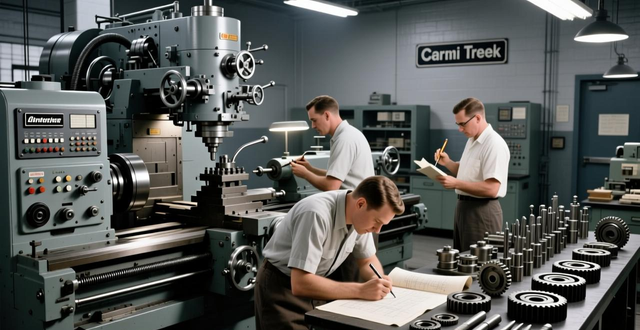
What are machining centres for
Machining Centre (MC for short) is a high-efficiency automated machine tool for machining complex shaped workpieces consisting of mechanical equipment and a CNC system. Machining centres are also called computer gongs. Machining Centres are equipped with tool magazines and automatic tool changers.
6 months ago
Stainless steel long shaft machining What are the measures of machining process?
INTRODUCTION: Stainless steel is increasingly used in custom material processing, power generation, transport and other applications. Good machining techniques as well as advanced material and insert technologies can overcome the challenges of cutting austenitic stainless steels.
5 months ago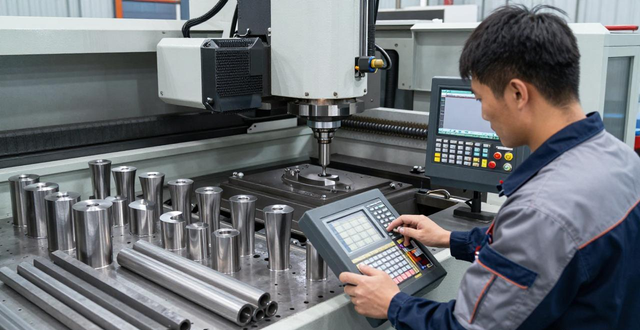
Turn-mill machining: an effective solution for CNC parts
CNC mill-turn machining combines milling and turning functions into one, read how this combined machining works and the benefits.
4 months ago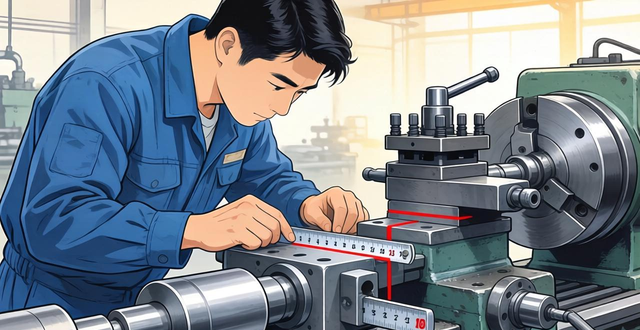
II. Boring processing mode
Boring is a method of machining on a prefabricated hole with a cutting tool to make it enlarged, and the boring work can be carried out either on a boring machine or on a lathe.
4 months ago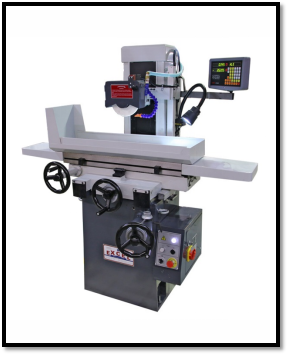
Grinding: definitions, processes, types and specifications
Grinding machines are used to make clean cuts and achieve a fine surface finish on metal. These machines are commonly used in manufacturing industries, especially automotive and aerospace, where surface finish is important. If you are searching for
3 months ago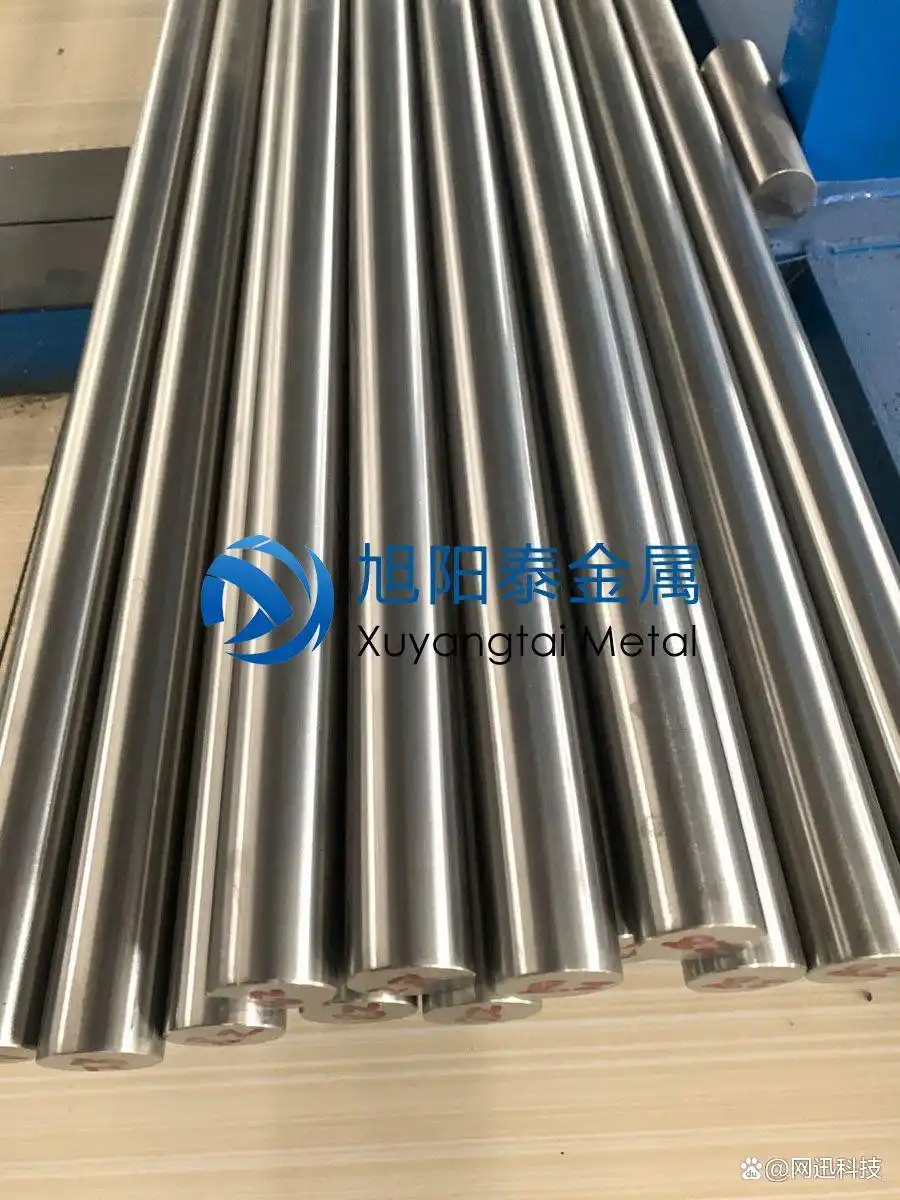
Processing technology and process optimisation method for titanium materials such as titanium rods and rings
IntroductionTitanium alloy is one of the main materials used in the aerospace industry, which is lightweight but extremely strong, with a density of 4.4 kg/m3. Titanium alloy is extremely strong and can withstand high temperatures and resist corrosion, etc. Titanium alloy can be welded perfectly. Titanium alloy can be welded perfectly
3 months ago
High-pressure water jet cutting technology
Encyclopaedia is an online encyclopaedia with the concepts of equality, collaboration, sharing and freedom, creating a Chinese knowledge platform covering all fields of knowledge and services for every Internet user.
2 months ago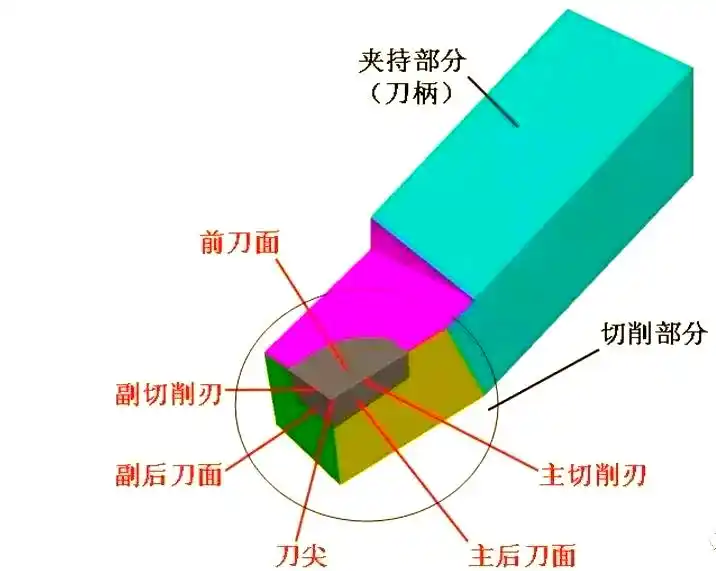
How to choose the appropriate tool geometry and grinding wheel material
01 Selecting the angles of a turning tool The structure of a turning tool’s cutting edge involves several key components that collectively influence its geometric characteristics and cutting performance. These components include the rake face, the main rear face, the secondary rear face, as well as the primary cutting edge, the secondary cutting edge and the tool tip.
2 months ago
What type of tool is used for turning the outer diameter on a standard lathe?
What type of tool is used for external turning on a conventional lathe? What type of tool is used for external turning on a conventional lathe? CNC tools generally refer to indexable insert tools, as they are widely used in CNC machines and do not require grinding. The tools used on each lathe are highly similar, homogeneous and, in some cases, interchangeable.
1 month ago Chinese
  Japanese
  English
  German
  Finnish